

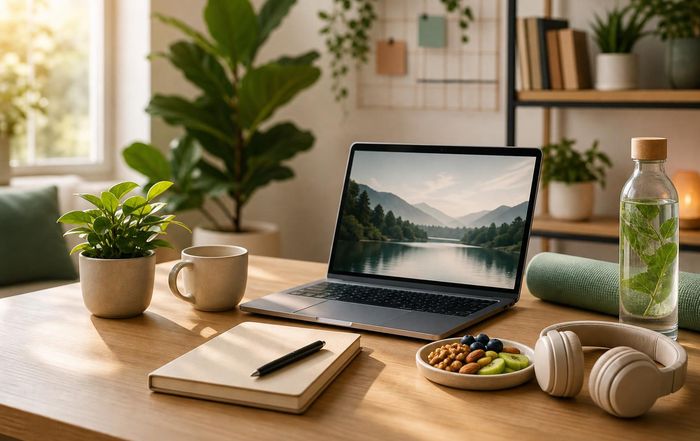
Self-Care Habits for Remote and Hybrid Workers: A Global Guide for Sustainable Well-Being
Remote and hybrid work have shifted from emergency responses to enduring features of modern life, reshaping how people across continents structure their days, relate to colleagues, and care for their health. As organizations from the United States to Singapore redesign offices and policies, individuals are quietly undertaking an equally profound redesign: learning how to protect mental, physical, and social well-being without the familiar scaffolding of commutes, shared workspaces, and clear boundaries between home and office. For readers of WorldsDoor, who are curious about how culture, travel, health, technology, and sustainability intersect, the emerging science and practice of self-care in remote and hybrid settings offers both practical guidance and a hopeful vision of more humane work.
The New Geography of Work and Well-Being
The spread of remote and hybrid work has been documented across multiple regions, with research from the OECD showing that advanced economies in Europe, North America, and parts of Asia have seen a sustained increase in flexible work arrangements since 2020. Studies from organizations such as McKinsey & Company indicate that millions of workers in countries including the United Kingdom, Germany, Canada, and Australia now expect some form of hybrid work as a standard benefit rather than a temporary perk, while many knowledge workers in India, Brazil, and South Africa are experiencing similar shifts in sectors like technology, finance, and professional services. Readers can explore broader workplace trends through resources such as McKinsey's insights on the future of work and analyses by the International Labour Organization.
At the same time, public health organizations have begun to map how these arrangements influence stress, sleep, physical activity, and social connection. The World Health Organization has highlighted the importance of mental health support and healthy workplaces, noting that excessive hours and blurred boundaries can increase risks of anxiety and burnout, while flexible arrangements can improve autonomy and life satisfaction when managed well. Those interested in the broader health context can learn more about mental health and work from the WHO, and explore complementary perspectives on personal well-being at WorldsDoor's own health section.
The year 2026 finds remote and hybrid workers in a delicate balance: enjoying unprecedented freedom to design their days, yet facing new pressures to remain constantly reachable, productive, and self-managing. In this evolving landscape, sustainable self-care habits are not luxuries but essential skills for long-term success and satisfaction.
Designing a Healthy Workday at Home or on the Move
One of the most powerful forms of self-care for remote and hybrid workers lies in the intentional design of the workday. Without the external rhythm of office life, individuals are called to become architects of their own time, energy, and attention. Research from institutions like Harvard Business Review has highlighted that remote workers often log longer hours and face more frequent digital interruptions than their office-based counterparts, which can erode focus and well-being if not counterbalanced by clear routines and limits. Readers can explore these findings in more depth through Harvard Business Review's articles on remote work.
Creating a sustainable daily structure typically begins with defining clear start and end times, even when no commute is required. Many workers in London, Berlin, Toronto, or Tokyo report that setting a consistent "first task" and "shutdown ritual" helps signal to the brain when it is time to engage deeply and when it is time to disengage. This can be as simple as beginning the day with a brief planning session and ending it by closing all work applications, tidying the desk, and writing a short note to one's future self about the next day's priorities. For those who travel frequently while working remotely, such as digital professionals moving between Spain, Thailand, or Mexico, adapting these rituals to different time zones and environments becomes part of a portable self-care toolkit.
Equally important is the deliberate scheduling of short breaks away from screens, which can support both physical and cognitive health. Studies referenced by the American Psychological Association suggest that brief, regular breaks can reduce fatigue, improve decision-making, and prevent the "always on" mindset that leads to burnout. Readers interested in the psychological basis of rest can learn more about work and stress. On WorldsDoor, complementary reflections on work-life balance and daily rhythms appear in the lifestyle section, where the focus often turns to how small routines can lead to meaningful long-term change.
Protecting Mental Health in a Digitally Connected World
Remote and hybrid work environments rely heavily on digital tools, from video conferencing to collaborative platforms. While these technologies make it possible to collaborate across time zones from New York to Zurich and Seoul to Sydney, they also bring new psychological challenges such as "Zoom fatigue," constant notification pressure, and social isolation. Research from universities and organizations such as Stanford University has investigated the cognitive load associated with prolonged video calls, noting that close-up eye contact, limited movement, and self-view windows can contribute to exhaustion. Readers can explore these insights further through Stanford's Virtual Human Interaction Lab resources.
Effective self-care in this context often includes setting boundaries around communication channels and expectations. Many teams in Scandinavia, France, and the Netherlands, influenced in part by strong labor protections and cultural norms around work-life balance, are experimenting with explicit "right to disconnect" policies or quiet hours with no meetings. Even when formal policies are absent, individuals can protect their mental health by agreeing with colleagues on reasonable response times, turning off nonessential notifications during deep work periods, and scheduling screen-free intervals during the day. Resources from the National Health Service in the UK, such as guidance on managing stress and anxiety, offer practical strategies that can be adapted to remote settings.
Another crucial dimension of mental self-care is cultivating emotional awareness and resilience. Mindfulness practices, cognitive-behavioral tools, and simple reflective habits have been shown in multiple studies to reduce stress and improve emotional regulation. Platforms like Headspace and Calm popularized app-based meditation, while public institutions such as the National Institute of Mental Health in the United States provide evidence-based information on coping with stress. On WorldsDoor, readers can also discover culturally diverse approaches to emotional well-being in the culture and society sections, where traditions from Japan, India, Italy, and beyond are explored for their insights into balance and inner strength.
Ergonomics, Movement, and the Physical Body
The physical environment of remote and hybrid work can vary dramatically, from a dedicated home office in Vancouver or Copenhagen to a shared kitchen table in Johannesburg or a co-working space in Singapore. Yet across these differences, certain principles of ergonomics and movement consistently support physical health. Organizations such as the Mayo Clinic and Cleveland Clinic have published guidance on proper desk setup, posture, and the importance of regular movement to prevent musculoskeletal strain and circulation problems. Readers can learn more about home office ergonomics from the Mayo Clinic and explore additional perspectives on healthy workplaces from the Cleveland Clinic.
Self-care in this domain often begins with small but meaningful adjustments: positioning screens at eye level, ensuring that chairs support the lower back, and placing keyboards so that wrists remain neutral rather than bent. Where budgets allow, adjustable desks and external monitors can further reduce strain, but even improvised solutions such as using stacked books to raise a laptop can make a difference. For remote workers who travel or work from cafés and libraries, learning how to adapt these ergonomic principles to temporary setups becomes part of a mobile self-care strategy.
Physical activity is another cornerstone of well-being that remote and hybrid workers must now consciously integrate into their days. Without the incidental movement of commuting or walking between meeting rooms, it is easy for daily step counts to drop significantly. Public health agencies including the Centers for Disease Control and Prevention in the United States recommend at least 150 minutes of moderate-intensity aerobic activity per week, along with muscle-strengthening activities on two or more days, as a baseline for adults. Readers can explore physical activity guidelines and then consider how to adapt them to a flexible work schedule.
For many, this means planning short walks between meetings, stretching during breaks, or using brief exercise routines that can be done in small spaces with minimal equipment. The rise of online fitness platforms and virtual classes has made it possible to join yoga sessions in Bali, dance workouts in Brazil, or strength training programs originating in Germany, all from home. On WorldsDoor's health and lifestyle pages, readers will find stories and insights that connect these physical practices to broader questions of identity, culture, and the search for vitality in a digital age.
Nutrition, Sleep, and the Rhythm of Daily Life
Remote work environments blur the boundaries not only between professional and personal spaces but also between structured meals and constant snacking. Kitchens are suddenly within arm's reach, and stress or boredom can lead to unplanned eating habits. Nutrition experts from organizations such as the Harvard T.H. Chan School of Public Health emphasize the importance of balanced meals, regular eating patterns, and mindful food choices for sustaining energy and concentration throughout the day. Readers can learn more about healthy eating patterns and then consider how to translate those principles into their own remote routines.
Planning meals and snacks in advance, keeping nutritious options readily available, and setting specific times for eating can help remote workers avoid both under-eating due to back-to-back meetings and over-eating due to constant access to food. Cultural traditions from Italy, France, Japan, and Spain, where shared meals and slower dining rituals are often valued, can offer inspiration for more intentional nourishment even during busy workdays. WorldsDoor's food section frequently highlights how culinary practices around the world can support both pleasure and health, suggesting that self-care is as much about savoring as it is about discipline.
Sleep, too, is deeply affected by remote and hybrid work. While flexible schedules can allow for more rest, late-night emails, irregular hours, and increased screen time can also disrupt natural sleep patterns. The Sleep Foundation and medical institutions such as Johns Hopkins Medicine underline the importance of consistent bedtimes, screen-free wind-down periods, and sleep-friendly environments for cognitive function, mood, and long-term health. Readers can explore evidence-based sleep hygiene tips and understand the health impacts of poor sleep.
For remote workers, this often translates into setting an evening cutoff time for work communications, dimming lights in the hours before bed, and keeping devices out of the bedroom where possible. In cultures and cities where late-night work has long been normalized, such as in parts of East Asia and North America, these practices can represent not only individual self-care but also a quiet form of cultural change toward healthier norms.
Social Connection, Culture, and a Sense of Belonging
One of the most frequently reported challenges of remote and hybrid work is loneliness. Without casual conversations in hallways or shared lunches, many workers in cities from Paris to Melbourne and Cape Town to Seoul have found themselves missing the sense of belonging that physical offices once provided. Research from organizations such as Gallup and academic institutions has linked social connection at work to higher engagement, lower turnover, and better mental health, suggesting that self-care for remote workers must also include relational care. Readers can explore related findings through Gallup's reports on workplace engagement.
Intentional practices to maintain and deepen social ties can take many forms. Some teams schedule regular virtual coffee breaks or informal check-ins that are explicitly not about tasks or deadlines. Others organize periodic in-person gatherings in regional hubs, whether in New York, London, Berlin, or Singapore, to strengthen relationships that sustain collaboration throughout the year. On an individual level, remote workers can prioritize participation in online communities, professional networks, or local groups that align with their interests, from language exchanges to hiking clubs.
Cultural context profoundly shapes how people seek and experience connection. In societies with strong communal traditions, such as parts of Latin America, Africa, or Asia, extended family networks and neighborhood life may provide additional support, while in more individualistic cultures, friendships and chosen communities often play a central role. WorldsDoor's culture and world sections frequently explore these nuances, illustrating how self-care is interwoven with cultural narratives about community, identity, and the good life.
Technology as Both Tool and Terrain for Self-Care
Digital technology sits at the heart of remote and hybrid work, making it both a powerful ally and a potential source of strain. On the positive side, advances in collaboration platforms, project management tools, and asynchronous communication have allowed teams across Europe, Asia, Africa, and the Americas to coordinate complex work without sharing a physical office. The growth of digital well-being features in operating systems and apps, such as screen-time dashboards, focus modes, and notification controls, reflects a growing recognition that technology must support human limits rather than override them. Readers interested in broader technology trends can explore analyses from sources like the World Economic Forum and then connect them to personal practice through WorldsDoor's technology and innovation pages.
At the same time, the design of digital tools can encourage constant multitasking and fragmented attention. Self-care for remote and hybrid workers therefore includes learning to use technology intentionally: choosing asynchronous communication when real-time meetings are not necessary, organizing information to reduce cognitive overload, and periodically stepping away from screens entirely. Cybersecurity and data privacy add another layer of responsibility, as individuals working from home networks in Canada, Japan, or South Korea must ensure that both personal and professional information remains protected. Trusted resources such as the European Union Agency for Cybersecurity offer practical guidance on staying secure online.
For readers of WorldsDoor, the intersection between technology and ethics is particularly relevant. Questions about how algorithms shape attention, how platforms monetize engagement, and how digital infrastructures affect the environment all influence the broader context in which individual self-care takes place. Those who wish to delve deeper into these issues can explore WorldsDoor's sections on ethics and sustainable, where the focus extends beyond personal well-being to the collective choices that define our digital future.
Sustainable Self-Care and the Planet
Self-care for remote and hybrid workers is not only about personal comfort; it is also increasingly connected to environmental sustainability and social responsibility. The reduction in commuting associated with remote work has been linked by organizations such as the International Energy Agency to potential decreases in greenhouse gas emissions, especially when combined with energy-efficient buildings and responsible use of heating, cooling, and digital infrastructure. Readers can learn more about energy and climate analyses and then consider how their own work patterns contribute to broader environmental impacts.
At the same time, increased home energy use, the proliferation of electronic devices, and the expansion of data centers all raise new sustainability questions. Self-care practices such as choosing natural light when possible, optimizing home insulation, and unplugging devices when not in use can support both personal comfort and environmental goals. The concept of "digital minimalism," which encourages thoughtful use of technology rather than constant connectivity, can reduce cognitive load while also limiting unnecessary energy consumption. WorldsDoor's environment and sustainable sections often highlight such interconnections, inviting readers to see their daily habits as part of a larger ecological story.
In many countries, from Germany and Denmark to New Zealand and Costa Rica, policy discussions now link remote work to sustainable urban planning, transportation, and housing. As cities rethink office districts, public transit, and green spaces, remote and hybrid workers have an opportunity to advocate for environments that support walking, cycling, and access to nature-factors that multiple studies associate with better mental and physical health. Resources from organizations like UN Environment Programme offer global perspectives on sustainable lifestyles, which can inspire individuals to align their self-care with planetary care.
Lifelong Learning and the Future of Remote Self-Care
As remote and hybrid work continue to evolve, self-care practices must evolve alongside them. New technologies such as generative AI, immersive virtual environments, and advanced health tracking are likely to reshape how people manage their time, monitor their well-being, and collaborate with colleagues around the world. Educational institutions and online learning platforms are already expanding offerings related to digital skills, emotional intelligence, and resilience, recognizing that these competencies are essential for thriving in flexible work environments. Readers can explore global education trends and resources through organizations like UNESCO, which provides insights into education in a changing world, and then connect them to personal growth through WorldsDoor's education section.
For remote and hybrid workers, cultivating a mindset of lifelong learning becomes a form of self-care in itself. This may involve staying informed about ergonomics and mental health research, experimenting with new productivity methods, or engaging with cross-cultural perspectives on balance and purpose. It can also mean developing the confidence to renegotiate boundaries with employers and clients as circumstances change, whether that involves adjusting working hours, requesting additional support, or exploring new career paths that better align with personal values.
In this sense, self-care is not a static checklist but an ongoing dialogue between individuals, their communities, and the wider world. As readers of WorldsDoor navigate this journey-from home offices in Amsterdam or Chicago to co-working spaces in Bangkok or Cape Town, and from virtual meetings that span continents to quiet moments of reflection away from screens-they participate in a global reimagining of what healthy, meaningful work can look like.
A Doorway to Healthier Work and Richer Lives
Remote and hybrid work have opened new doors to flexibility, autonomy, and global collaboration, yet they have also exposed how fragile well-being can be when boundaries blur and digital demands multiply. The emerging evidence from health organizations, universities, and international agencies makes it clear that sustainable self-care for remote and hybrid workers must encompass mental health, physical ergonomics, movement, nutrition, sleep, social connection, technology use, and environmental awareness, all woven into daily life with intention and compassion.
For WorldsDoor, sharing these insights is part of a broader mission: to invite readers to step through the "door" of information into a more conscious way of living and working, one that honors both personal needs and collective responsibilities. Whether a reader is planning a workation in Portugal, setting up a first home office in Toronto, or refining a hybrid schedule in Tokyo, the habits described here offer starting points rather than rigid rules. They encourage experimentation, cultural curiosity, and a recognition that self-care is not selfish but foundational to creativity, resilience, and contribution.
Those who wish to continue this exploration can delve into related themes across WorldsDoor-from travel and culture to business and innovation-and connect global perspectives with their own lived experience. In doing so, they join a growing community that sees the future of work not merely as a logistical question about where tasks are performed, but as an ethical and human question about how people can flourish, together, in an interconnected world.