

Protecting Ocean Health Worldwide: A Strategic Imperative for Business, Society, and the Planet
Oceans at a Turning Point in 2026?
Right now in 2026, the health of the world's oceans has become a defining issue for global business, public policy, and everyday life, intersecting directly with the interests of readers of worldsdoor.com in health, travel, culture, lifestyle, technology, environment, and the broader world economy. The oceans regulate climate, support food systems, enable global trade, and shape cultures from the Pacific islands to the coasts of the United States, Europe, Asia, Africa, and South America. Yet they are under unprecedented stress from pollution, overfishing, climate change, and habitat destruction. As organizations from United Nations Environment Programme (UNEP) to World Economic Forum (WEF) increasingly emphasize, protecting ocean health worldwide is no longer just an environmental priority; it is an economic, social, and ethical necessity that demands coordinated action across sectors and borders.
For a global audience spanning the United States, United Kingdom, Germany, Canada, Australia, France, Italy, Spain, the Netherlands, Switzerland, China, the Nordic countries, Singapore, South Korea, Japan, Thailand, South Africa, Brazil, Malaysia, and New Zealand, the oceans are both a shared resource and a shared responsibility. Readers navigating business strategy, sustainable lifestyles, emerging technologies, and cultural change will find that ocean health is now deeply embedded in decisions about investment, regulation, consumer behavior, and innovation. As worldsdoor.com explores topics as diverse as global business trends, societal change, and environmental stewardship, the ocean emerges as a unifying theme that connects these domains in a concrete and measurable way.
Why Ocean Health Matters to Economies and Societies
The world's oceans generate a substantial portion of global economic value through shipping, fisheries, coastal tourism, offshore energy, and emerging sectors such as marine biotechnology. According to assessments highlighted by organizations like the Organisation for Economic Co-operation and Development (OECD), the "ocean economy" is worth trillions of dollars when considering both direct and indirect contributions to global GDP, employment, and trade. Coastal cities from New York and Miami to Singapore, Rotterdam, Hamburg, Sydney, Cape Town, and Rio de Janeiro rely on maritime infrastructure to move goods and people, illustrating how ocean health underpins the resilience of global supply chains and the stability of financial markets.
Beyond economics, the oceans play a critical role in human health and wellbeing. Marine ecosystems support fisheries that are a primary source of protein for hundreds of millions of people, particularly in Asia, Africa, and South America, where coastal communities depend heavily on local catches. The Food and Agriculture Organization (FAO) has long documented the importance of sustainable fisheries to food security, and as demand rises in emerging markets and affluent economies alike, pressure on marine resources continues to grow. The health implications are significant: degraded marine ecosystems can lead to reduced nutritional quality, increased contamination risks, and heightened vulnerability of coastal populations to climate-driven shocks.
Culturally, oceans shape identities and traditions in ways that are deeply embedded in the histories of nations such as Japan, Norway, the United Kingdom, and New Zealand, as well as in indigenous communities across the Pacific, Arctic, and coastal regions worldwide. The cultural narratives explored in global culture features on worldsdoor.com often intersect with stories of seafaring, coastal livelihoods, and maritime heritage, illustrating how protecting ocean health is also about preserving intangible cultural assets and intergenerational knowledge. For travelers and lifestyle enthusiasts, the allure of pristine beaches, coral reefs, and coastal cities underpins a substantial portion of international tourism, reinforcing the link between ocean conservation, travel experiences, and local livelihoods.
The Scientific Reality: Climate Change, Acidification, and Biodiversity Loss
Scientific evidence compiled by institutions such as the Intergovernmental Panel on Climate Change (IPCC) and the National Oceanic and Atmospheric Administration (NOAA) underscores that the oceans are absorbing the majority of excess heat generated by greenhouse gas emissions, as well as a significant share of atmospheric carbon dioxide. This dual role as heat and carbon sink has buffered terrestrial climate impacts but at a high cost to marine systems. Rising sea surface temperatures contribute to coral bleaching, changes in species distribution, and more frequent marine heatwaves, which in turn disrupt fisheries, tourism, and coastal protection.
Ocean acidification, caused by the uptake of carbon dioxide, is altering the chemistry of seawater and weakening the ability of shell-forming organisms such as corals, mollusks, and some plankton to build and maintain their structures. Research disseminated by institutions like Woods Hole Oceanographic Institution and Scripps Institution of Oceanography illustrates how these changes cascade through food webs, affecting species from tiny zooplankton to commercially important fish. Biodiversity loss in marine environments, documented by initiatives associated with UNESCO's Intergovernmental Oceanographic Commission, threatens not only ecological resilience but also the discovery of new pharmaceuticals, industrial enzymes, and other innovations that underpin modern health and technology sectors.
For readers interested in health and wellbeing, the connection between ocean science and human health is increasingly evident. Harmful algal blooms, fueled by warming waters and nutrient pollution, can contaminate seafood and water supplies, while the loss of coastal ecosystems such as mangroves and seagrasses reduces natural defenses against storms and flooding. These impacts are particularly acute in low-lying regions of Asia and small island developing states, but they also affect coastal communities in North America, Europe, and Australia, reinforcing the global nature of the challenge.
Pollution, Plastics, and the Hidden Costs of Consumption
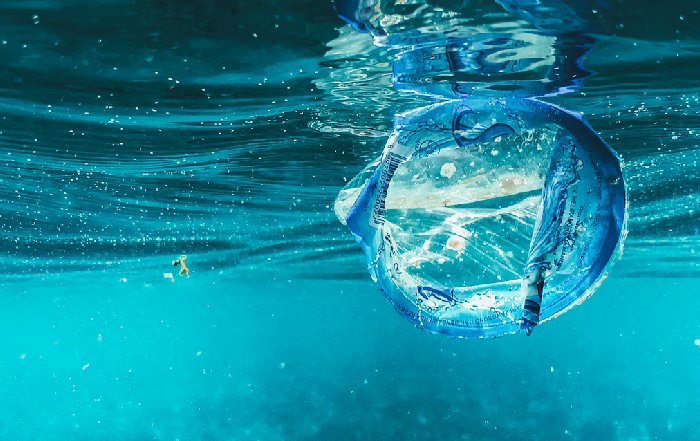
While climate change and acidification represent systemic threats, more visible forms of pollution, particularly plastics, have captured public attention and reshaped consumer expectations. Studies coordinated by organizations such as The Pew Charitable Trusts and Ellen MacArthur Foundation have highlighted that millions of tons of plastic enter the oceans each year, breaking down into microplastics that are now found from Arctic ice to the deepest ocean trenches. These particles are ingested by marine life, enter food chains, and have been detected in human bodies, raising concerns about long-term health effects that are still being investigated by leading research institutions.
The plastic crisis is deeply intertwined with business models, supply chains, and lifestyle choices. From packaging and textiles to consumer electronics and automotive components, plastic is embedded in nearly every sector of the modern economy. As companies and policymakers respond to growing evidence and public pressure, the concept of a circular economy has gained momentum. Organizations like the World Resources Institute (WRI) provide frameworks for businesses to redesign products, reduce waste, and invest in recycling and reuse systems that keep materials out of the ocean. For readers exploring sustainable lifestyle choices and ethical consumption, understanding the lifecycle of products and their ocean footprint has become an essential part of responsible decision-making.
Chemical pollution, including agricultural runoff, industrial discharges, and untreated sewage, further degrades marine environments, contributing to dead zones where oxygen levels are too low to support most marine life. The European Environment Agency (EEA) and national environmental agencies in countries such as the United States, Canada, and China have documented the spread of these zones in major seas and coastal regions. The hidden costs of this pollution include reduced fishery yields, damage to tourism, and increased public health expenditures, underscoring that the apparent affordability of certain products and practices often masks significant externalities borne by societies and ecosystems.
Overfishing, Governance, and the Future of Marine Food Systems
Overfishing remains one of the most pressing challenges for ocean health, with direct implications for food security, livelihoods, and geopolitical stability. Reports from FAO and International Council for the Exploration of the Sea (ICES) show that many fish stocks in the Atlantic, Pacific, and Indian Oceans are either fully exploited or overexploited, despite progress in some regions through better management and enforcement. Illegal, unreported, and unregulated (IUU) fishing exacerbates these pressures, undermining legitimate operators and depriving coastal states, particularly in Africa and Southeast Asia, of vital revenue.
Effective governance is central to reversing these trends. International agreements under the framework of the United Nations Convention on the Law of the Sea (UNCLOS) and regional fisheries management organizations provide legal structures, but implementation remains uneven. Technological advances, including satellite monitoring, artificial intelligence, and blockchain-based traceability systems, are increasingly used to track vessels, verify catches, and promote transparency. Businesses in Europe, North America, and Asia that rely on seafood supply chains are under growing pressure from consumers, investors, and regulators to demonstrate that their products are sourced responsibly, aligning with evolving standards and certifications promoted by organizations such as Marine Stewardship Council (MSC).
For readers interested in food systems and culinary culture, the transformation of marine food supply chains is reshaping what appears on plates from Tokyo and Seoul to London, Berlin, and São Paulo. Chefs, retailers, and hospitality companies are incorporating sustainable seafood guidelines into procurement and menu design, while consumers increasingly seek information about origin, species, and fishing methods. This shift reflects a broader recognition that protecting ocean health is essential to preserving culinary diversity and ensuring that future generations can continue to enjoy the rich traditions of coastal cuisines worldwide.
Innovation and Technology: Tools for Ocean Protection
Technological innovation is emerging as one of the most powerful levers for protecting ocean health, aligning directly with the interests of readers exploring technology and innovation on worldsdoor.com. Advances in satellite remote sensing, autonomous underwater vehicles, and machine learning are enabling scientists, governments, and businesses to monitor marine environments with unprecedented precision. Organizations such as NASA and the European Space Agency (ESA) are deploying satellite missions that track sea surface temperature, sea level rise, and ocean color, providing critical data for climate models, fisheries management, and disaster preparedness.
In parallel, the rise of "blue tech" startups and corporate innovation programs is generating solutions to challenges such as plastic collection, water quality monitoring, and low-impact aquaculture. Companies in the United States, Europe, and Asia are developing biodegradable materials, alternative proteins derived from algae and microbes, and advanced filtration systems that reduce microplastic release from textiles and industrial processes. Learn more about sustainable business practices by exploring resources from organizations such as United Nations Global Compact, which encourage companies to integrate ocean stewardship into their strategies and disclosures.
Digital platforms and data-sharing initiatives are also reshaping how stakeholders collaborate on ocean protection. Global partnerships supported by entities like The Nature Conservancy and World Wildlife Fund (WWF) use open data to map critical habitats, identify high-risk areas for shipping and fishing, and design marine protected areas that balance conservation with economic activity. For innovation-focused readers, the intersection of environmental science, data analytics, and entrepreneurship represents a dynamic frontier where new business models can generate both financial returns and measurable benefits for ocean ecosystems, resonating with the themes explored in innovation features on worldsdoor.com.
Sustainable Blue Economy: Aligning Profit with Planet
The concept of a "sustainable blue economy" has moved from the margins of policy discourse to the center of strategic planning for governments, financial institutions, and corporations. The World Bank and regional development banks emphasize that long-term economic value from the ocean depends on maintaining ecological integrity, which in turn requires integrating environmental, social, and governance (ESG) considerations into marine-related investments. From offshore wind farms in the North Sea and the coasts of the United States to eco-tourism ventures in Southeast Asia and Africa, investors are increasingly evaluating projects through a lens that includes biodiversity, community impact, and climate resilience.
Financial innovation is playing a critical role in this transition. Blue bonds, sustainability-linked loans, and blended finance mechanisms are being used to fund marine conservation, sustainable fisheries, and coastal infrastructure that protects communities from sea-level rise and extreme weather. Institutions such as International Finance Corporation (IFC) and European Investment Bank (EIB) are developing guidelines to ensure that capital flows support projects that enhance, rather than degrade, ocean health. For business leaders and entrepreneurs, this shift represents both a risk and an opportunity: companies that ignore ocean-related impacts may face regulatory penalties, reputational damage, and stranded assets, while those that embrace sustainable models can access new markets, partnerships, and sources of capital.
The sustainable blue economy also intersects with ethical considerations and corporate responsibility. Discussions around business ethics and sustainability increasingly highlight the need to respect the rights and knowledge of coastal and indigenous communities, ensure fair labor practices in maritime industries, and avoid "blue grabbing," where powerful actors secure control over marine resources at the expense of local stakeholders. In this context, trustworthiness is built not only through environmental performance but also through transparent engagement, equitable benefit-sharing, and adherence to international human rights standards.
Policy, Multilateral Action, and the Role of Cities
Global governance frameworks are evolving to address the complexity of ocean challenges. The adoption of the High Seas Treaty under the auspices of the United Nations marked a significant milestone in establishing mechanisms to protect biodiversity in areas beyond national jurisdiction, which cover nearly half of the planet's surface. This agreement, alongside the UN Sustainable Development Goal 14 on life below water, provides a shared agenda for states to expand marine protected areas, regulate activities such as deep-sea mining, and strengthen scientific cooperation. For countries in Europe, Asia, Africa, and the Americas, aligning national policies with these frameworks is becoming a key dimension of diplomatic and economic strategy.
National and regional regulations on emissions from shipping, plastic production and waste management, and coastal development are also tightening, influenced by bodies such as the International Maritime Organization (IMO) and the European Commission. These policy shifts have direct implications for industries including logistics, manufacturing, retail, and tourism, requiring companies to adapt operations, invest in cleaner technologies, and redesign products to meet new standards. Businesses that anticipate regulatory trends and collaborate proactively with policymakers and civil society organizations can position themselves as leaders in a rapidly changing landscape.
At the same time, cities and local governments are emerging as crucial actors in ocean protection. Coastal metropolitan areas from Los Angeles and Vancouver to Barcelona, Copenhagen, Singapore, and Cape Town are implementing integrated coastal zone management, investing in green infrastructure, and partnering with academic institutions to enhance resilience and reduce pollution. These initiatives often intersect with broader urban agendas related to climate adaptation, public health, and quality of life, echoing the themes explored in world and society coverage on worldsdoor.com. As urban populations grow and climate impacts intensify, city-level innovation and governance will play an increasingly important role in safeguarding ocean health.
Individual and Cultural Dimensions: From Awareness to Action
While systemic changes in policy, business, and technology are essential, individual choices and cultural narratives also shape the trajectory of ocean health. Public awareness campaigns led by organizations such as UNEP, WWF, and Greenpeace have influenced consumer behavior, encouraging reductions in single-use plastics, support for sustainable seafood, and participation in coastal cleanup efforts. Social media and digital storytelling have amplified voices from coastal communities and youth movements, creating a sense of shared responsibility that transcends national boundaries and political divides.
For readers interested in lifestyle, travel, and culture, the connection between daily habits and ocean health is increasingly visible. Choices about diet, fashion, transportation, and tourism have direct and indirect impacts on marine environments. Opting for products with lower plastic content, supporting brands that commit to ocean-friendly practices, and choosing travel experiences that respect local ecosystems and cultures can collectively drive market signals that encourage more responsible business models. Features on sustainable lifestyles and travel at worldsdoor.com can help readers navigate these decisions with a nuanced understanding of trade-offs and opportunities.
Education is another critical lever for long-term change. Integrating ocean literacy into school curricula, university programs, and professional training in fields such as business, engineering, law, and public policy can foster a generation of leaders equipped to address complex marine challenges. Institutions such as UNESCO and leading universities in the United States, United Kingdom, Germany, China, and other countries are expanding interdisciplinary programs that link marine science with economics, governance, and technology. For readers exploring education and lifelong learning, these developments highlight the importance of building expertise and critical thinking around ocean issues as part of a broader commitment to informed global citizenship.
The Massive Agenda Need Right Now for Protecting Ocean Health Worldwide!
As 2026 unfolds, protecting ocean health worldwide stands at the intersection of environmental necessity, economic strategy, technological innovation, and ethical responsibility. The oceans are not a distant abstraction but a living system that influences the quality of air, the stability of climate, the availability of food, and the vibrancy of cultures across continents. For the diverse international intelligent audience of worldsdoor.com, including sectors from finance and technology to education, hospitality, and creative industries, ocean health is increasingly recognized as a material issue that shapes risk, opportunity, and resilience.
Experience, expertise, authoritativeness, and trustworthiness will be essential in navigating this complex landscape. Businesses must ground their strategies in robust science and transparent reporting, policymakers must balance competing interests while upholding long-term stewardship, and individuals must translate awareness into meaningful action. Innovations in blue technology, sustainable finance, and circular economy models offer promising pathways, but their success will depend on inclusive governance, cross-border collaboration, and a willingness to rethink traditional assumptions about growth and resource use.
Ultimately, the story of ocean health is a story about the kind of global society that humanity chooses to build. By integrating ocean considerations into decisions about health, travel, culture, lifestyle, business, technology, environment, ethics, and education, loyal readers and editor supporting research team contributors at worldsdoor.com can help shape a future in which the world's seas remain vibrant, life-sustaining, and accessible to people from all regions and walks of life. Protecting the oceans is not only about preserving natural beauty or avoiding catastrophe; it is about securing the foundations of prosperity, equity, and wellbeing for generations to come.