
The Enduring Appeal of Letterpress and Print Shops in a Digital World
A Tactile Craft in an Intangible Age
As the world moves deeper into an era defined by cloud computing, artificial intelligence, and algorithmic personalization, the quiet resilience of letterpress printing and independent print shops stands out as an unexpected countertrend. In 2026, when most communication is compressed into pixels on screens and data packets in transit, the deliberate slowness and physicality of letterpress has become not a nostalgic curiosity, but a meaningful choice for individuals, brands, and communities seeking authenticity, permanence, and craft. For Worldsdoor and its global audience interested in health, travel, culture, lifestyle, business, technology, environment, and ethics, the story of letterpress is ultimately a story about how societies balance speed with depth, efficiency with artistry, and innovation with heritage.
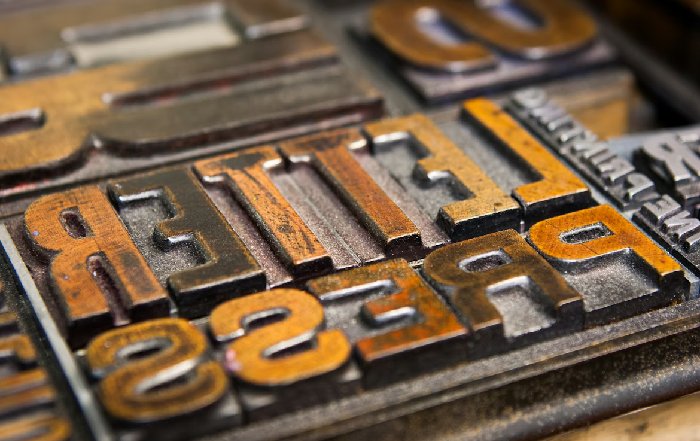
Letterpress, a relief printing technique where raised type or plates are inked and pressed into paper, was once the engine of mass communication. From the time of Johannes Gutenberg in the fifteenth century through the industrial presses of the nineteenth and early twentieth centuries, letterpress shaped politics, religion, commerce, and culture across Europe, North America, and, eventually, much of the world. The method was largely displaced by offset printing and digital technologies in the latter half of the twentieth century. Yet, in cities from New York and London to Berlin, Tokyo, Singapore, and São Paulo, small studios and print shops are again turning to the weight of metal type, the smell of ink, and the impression of letters in cotton paper as a way to create value that cannot be copied and pasted.
Historical Roots and Global Influence
The appeal of letterpress printing begins with its history. The movable type press introduced in Europe by Gutenberg around 1450 is widely regarded as one of the most transformative inventions in human history, accelerating literacy, enabling the spread of scientific ideas, and reshaping religious and political authority. Institutions such as the Gutenberg Museum in Mainz and the British Library preserve early presses, type, and printed works, allowing visitors from around the world to see how a mechanical process changed the trajectory of global culture. For readers of Worldsdoor who are passionate about culture and heritage, the story of letterpress is inseparable from the story of how societies learned to share knowledge at scale.
While Europe often dominates the narrative, letterpress has deep roots across Asia and beyond. Long before Gutenberg, woodblock printing and early movable type were used in China and Korea, as documented by organizations like UNESCO in their work on the history of writing and printing. The diffusion of printing technologies into Japan, Southeast Asia, and eventually Africa and the Americas shaped everything from governance and trade to education and religion. Today, museums such as the Museum of Printing in Massachusetts and the Plantin-Moretus Museum in Antwerp connect visitors from the United States, Canada, the United Kingdom, Germany, France, the Netherlands, and beyond with centuries of typographic heritage.
For Worldsdoor, which speaks to a global audience interested in world affairs and cross-cultural exchange, letterpress serves as a lens through which to understand how ideas have traveled across continents and centuries, and why the physical form of communication still matters even in an age of instant digital messaging.
Craft, Skill, and the Human Hand
The enduring appeal of letterpress is rooted in the discipline and expertise it demands. Unlike digital layout tools where errors can be corrected with a keystroke, letterpress requires meticulous planning, manual typesetting, and a deep understanding of materials. Printers must select typefaces not only for aesthetic impact but also for how metal or polymer plates will interact with particular papers, inks, and press pressures. This is a craft that rewards patience, precision, and an intimate knowledge of tools and processes, aligning closely with the values of expertise and trustworthiness that discerning readers and clients increasingly seek.
Professional organizations such as the Printing Industries of America (now part of PRINTING United Alliance) and the International Association of Printing House Craftsmen highlight how print remains a skilled profession with evolving standards and best practices. For those exploring the intersection of craft and contemporary lifestyle, the resurgence of letterpress aligns with broader movements that value handmade goods, slow fashion, and artisanal food, themes that resonate strongly with lifestyle and food coverage on Worldsdoor.
In cities like New York, London, Berlin, Melbourne, and Tokyo, small studios and community workshops are offering letterpress classes, enabling designers, entrepreneurs, and enthusiasts to gain hands-on experience. Institutions such as the Hamilton Wood Type & Printing Museum in Wisconsin and the Center for Book Arts in New York provide education programs that bridge historical techniques with contemporary design practices. These programs underscore that letterpress is not simply a nostalgic pursuit; it is a living craft that continues to evolve and attract new generations of practitioners seeking meaningful, tactile engagement in a screen-dominated world.
Letterpress as a Premium Business Asset
From a business perspective, letterpress printing has shifted from being a mass-production technology to a premium, value-adding service. In an environment where most brands rely on digital marketing, social media, and low-cost print-on-demand services, the decision to use letterpress for business cards, invitations, packaging, or brand collateral signals intention, care, and differentiation. For companies operating in competitive markets in the United States, the United Kingdom, Germany, Canada, Australia, and across Asia, the tactile impression of a letterpress-printed card or envelope can create a memorable first contact with a client or partner.
Research from organizations such as McKinsey & Company and Harvard Business Review has repeatedly indicated that in saturated markets, customer experience and brand distinctiveness are critical drivers of loyalty and pricing power. Letterpress contributes to this by offering a sensory dimension that digital-only brands cannot match. The weight of the paper, the subtle debossed impression, and the nuanced color of hand-mixed inks combine to create an experience of quality and permanence. For readers interested in business strategy and innovation, letterpress represents a niche but powerful tool for reinforcing brand narratives around craftsmanship, sustainability, or heritage.
In sectors such as luxury goods, boutique hospitality, artisanal food and beverage, and high-end professional services, letterpress is often used for limited-edition packaging, menus, and stationery. Hotels in cities like Paris, Rome, Barcelona, and Singapore commission custom letterpress pieces to differentiate their guest experience, while wineries in France, Italy, Spain, South Africa, and New Zealand experiment with letterpress labels and inserts to elevate perceived value. As customer segments become more fragmented and sophisticated, these tactile details can strongly influence how brands are perceived, especially among consumers who view physical artifacts as a counterbalance to digital overload.
Health, Well-Being, and the Value of Slowness
Beyond its commercial applications, letterpress is increasingly recognized for its potential contributions to mental health and well-being. In a world where individuals are constantly connected, often working across time zones from the United States and Europe to Asia and Africa, the act of stepping away from screens and engaging in a focused, manual craft can provide a form of restorative attention. Psychologists and researchers, including those whose work is shared by organizations like the American Psychological Association, have examined how activities that combine physical movement, concentration, and creativity can reduce stress and improve mood.
Letterpress printing, with its sequence of setting type, mixing ink, adjusting the press, and pulling prints, offers a structured yet creative practice that encourages mindfulness. Many community print shops and arts centers now promote letterpress workshops as part of broader wellness and creativity programs, aligning with the growing interest in holistic health and lifestyle. Participants describe a sense of satisfaction that comes from producing a tangible object through their own efforts, which can counter the disembodied nature of remote work and digital collaboration.
For professionals in major business hubs such as New York, London, Frankfurt, Toronto, Sydney, Singapore, and Tokyo, the opportunity to spend a few hours in a print studio can serve as a productive form of digital detox, offering a different rhythm of work and a reminder that not all value is created in front of a keyboard. This connection between craft and well-being also resonates with younger generations, including students and early-career professionals in Europe, Asia, and North America, who are seeking more balanced, meaningful ways to learn and work.
Letterpress, Education, and Lifelong Learning
The educational potential of letterpress extends far beyond art and design schools. Universities and cultural institutions in the United States, the United Kingdom, Germany, the Netherlands, and Scandinavia are integrating letterpress into interdisciplinary programs that connect history, literature, design, technology, and entrepreneurship. The Bodleian Libraries at the University of Oxford and the University of Reading's Department of Typography & Graphic Communication are examples of institutions that have maintained letterpress facilities not only as historical artifacts but as active teaching tools.
By learning to set type and operate presses, students gain a deeper understanding of how text, layout, and material choices influence reading and communication, complementing digital skills in typography, user experience, and interface design. For a global audience interested in education and the future of learning, letterpress demonstrates how analog technologies can enhance digital literacy by making the mechanics of communication visible and tangible.
Beyond formal education, letterpress serves as a platform for lifelong learning. Community colleges, art centers, and independent studios across North America, Europe, and Asia offer evening and weekend courses that attract participants from diverse professions, from software engineers and architects to marketers and teachers. Organizations like the American Printing History Association and the International Council of Museums support research, exhibitions, and events that keep the history and practice of printing accessible to the public. In this way, letterpress continues to foster curiosity and cross-generational dialogue, values that align closely with Worldsdoor's mission to open doors to knowledge, culture, and shared understanding.
Sustainability, Materials, and Ethical Production
For audiences concerned with environmental impact and ethical production, the role of letterpress in a sustainable future is nuanced and evolving. On one hand, letterpress uses physical materials-paper, ink, metal, and energy-that have environmental footprints. On the other hand, the small-batch, high-value nature of most contemporary letterpress work stands in contrast to disposable mass printing and rapid-turnover promotional materials. When thoughtfully managed, letterpress can embody principles of responsible consumption and production.
Many modern print shops are turning to recycled or responsibly sourced papers certified by organizations like the Forest Stewardship Council, as well as low-VOC or plant-based inks. Industry resources such as Two Sides provide evidence-based information on the environmental impacts of print and paper, challenging misconceptions and encouraging more sustainable practices. For readers exploring sustainable business practices and environmental responsibility, the way letterpress studios choose their suppliers, manage waste, and educate clients about durability over disposability is particularly relevant.
Because letterpress pieces are often kept-wedding invitations, limited-edition art prints, commemorative posters, or carefully designed business stationery-they tend to have longer lifespans than many forms of printed marketing. This longevity can reduce the need for constant reprinting and align with circular economy principles advocated by organizations like the Ellen MacArthur Foundation. When clients perceive printed materials as objects to be treasured rather than discarded, the environmental equation shifts from volume to value, a perspective that Worldsdoor highlights in its coverage of sustainable and ethical lifestyles.
Technology, Innovation, and the Hybrid Future of Print
The resurgence of letterpress does not represent a rejection of technology; rather, it illustrates how analog and digital can coexist and reinforce one another. Designers frequently create layouts using sophisticated digital tools before translating them into polymer plates for letterpress printing. This hybrid workflow allows for the precision and flexibility of modern software combined with the tactile richness of traditional presses. In this sense, letterpress is part of a broader movement where older technologies are recontextualized within contemporary innovation ecosystems.
Technology-focused organizations such as MIT Technology Review and Wired have explored how analog experiences-from vinyl records to film photography and mechanical watches-are finding new relevance in an age of digital abundance. Letterpress fits neatly within this narrative, demonstrating that innovation is not always about replacing the old with the new, but often about recombining tools and methods to create more meaningful experiences. For readers following technology and innovation trends on Worldsdoor, the lesson is clear: future-ready businesses and creators will know when to prioritize speed and scale, and when to invest in depth, craft, and human connection.
In many print shops across Europe, North America, and Asia, digital fabrication tools such as laser cutters and 3D printers are now used to create custom type, engravings, and press components, expanding the creative possibilities of letterpress beyond what was historically feasible. This convergence of old and new technologies is particularly attractive to designers and entrepreneurs in innovation hubs from Berlin and Amsterdam to Seoul, Singapore, and San Francisco, where experimentation at the intersection of craft and code is shaping the next generation of products and services.
Cultural Identity, Local Stories, and Global Communities
Letterpress print shops often become cultural anchors in their neighborhoods, telling local stories through posters, postcards, zines, and collaborative projects. In cities across the United States, the United Kingdom, Germany, France, Italy, Spain, the Netherlands, South Africa, Brazil, and Japan, print studios partner with artists, community groups, and cultural institutions to produce work that reflects regional histories, languages, and social movements. This local grounding resonates strongly with Worldsdoor's interest in society, culture, and ethical engagement, as letterpress becomes a medium through which communities articulate identity and values.
At the same time, letterpress is supported by a vibrant global network. International events such as the Wayzgoose gatherings at printing museums, conferences organized by groups like ATypI (the Association Typographique Internationale) and online communities of printers and designers connect practitioners from North America, Europe, Asia, Africa, and South America. Platforms like the International Printing Museum in California and the Library of Congress's digital collections make historical materials accessible worldwide, inspiring contemporary projects that blend global influences with local expression.
For travelers seeking meaningful cultural experiences, visiting a working letterpress studio can be as revealing as touring a gallery or museum. Whether in London's East End, Berlin's Kreuzberg, Tokyo's Shitamachi, or Cape Town's creative districts, print shops offer a window into how communities are preserving and reinventing their stories. This aligns naturally with Worldsdoor's focus on travel that connects deeply with local culture, encouraging readers to look beyond typical attractions and engage with places where history, craft, and contemporary creativity intersect.
Ethics, Authenticity, and the Value of the Real
In an age of deepfakes, synthetic media, and algorithmically generated content, the authenticity of physical print carries growing symbolic weight. A letterpress-printed document, with its subtle imperfections and material presence, is difficult to counterfeit convincingly and easy to recognize as a human-made artifact. This has implications not only for aesthetics but for ethics, trust, and the way societies navigate the boundary between the virtual and the real.
Ethicists and technologists, including those whose work is highlighted by institutions like the World Economic Forum and the Berkman Klein Center for Internet & Society at Harvard University, have raised concerns about how digital manipulation can erode public trust in information, images, and institutions. Against this backdrop, the material honesty of letterpress-where every impression is the result of a physical action-offers a form of reassurance. While no medium is inherently ethical, the constraints and transparency of letterpress processes can encourage more deliberate, accountable communication, a theme that aligns closely with Worldsdoor's interest in ethics and responsible innovation.
For businesses and institutions, choosing letterpress for certain communications-certificates, commemorative documents, limited-edition publications-can signal a commitment to authenticity and permanence. In sectors where trust is paramount, from education and culture to finance and public service, the tangible nature of letterpress can complement digital channels, reinforcing messages that are meant to endure.
Letterpress and the Future of Meaningful Experience
Looking ahead from 2026, letterpress and independent print shops are unlikely to challenge digital media in terms of volume or reach, nor do they need to. Their enduring appeal lies in offering something different: a slower, more intentional, and more embodied way of creating and sharing meaning. As societies across North America, Europe, Asia, Africa, and South America grapple with the consequences of hyperconnectivity, climate change, and rapid technological disruption, the values embedded in letterpress-craft, care, locality, and durability-speak to a broader desire for balance.
For Worldsdoor, which brings together stories on business, technology, environment, culture, lifestyle, and more, letterpress serves as a powerful metaphor and a practical example of how old and new can coexist productively. It reminds readers that innovation is not only about faster processors or smarter algorithms, but also about revaluing the human skills and material experiences that make life rich and relationships meaningful.
As brands, educators, policymakers, and individuals consider how to navigate the next decade of digital transformation, the quiet persistence of the letterpress studio offers a compelling lesson: in a world of infinite screens, the weight of a single, thoughtfully made page can still open doors-to memory, to connection, and to a more grounded sense of what it means to create something real. For those who wish to explore this intersection of tradition and innovation further, Worldsdoor will continue to illuminate the stories, places, and people who keep the presses running and the ink, quite literally, pressed into the future.