

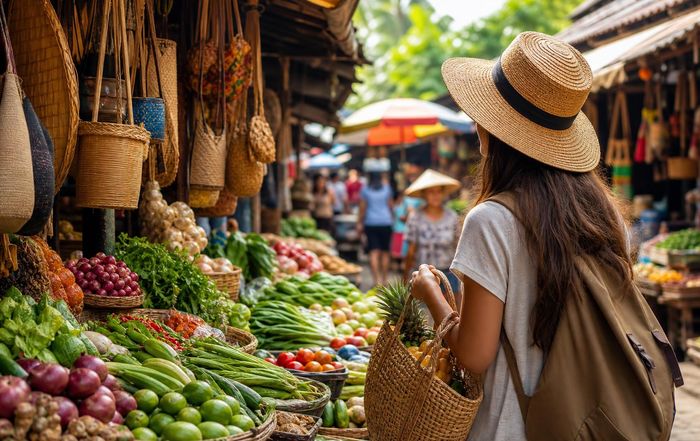
How to Find Authentic Local Markets While Traveling
Why Authentic Markets Matter More Than Ever
For many travelers, the most memorable moments arise not from famous landmarks but from wandering through a neighborhood market where daily life unfolds in real time. The smells of fresh herbs, the sound of vendors bargaining, the sight of seasonal produce and handmade crafts, and the small human encounters at every stall together create a vivid portrait of a place that no guidebook summary can match. As global tourism has expanded and social media has amplified a narrow set of "must-see" attractions, the search for authentic local markets has become both more challenging and more rewarding, especially in 2026, when travelers are increasingly seeking experiences that are meaningful, sustainable, and respectful of local communities.
For the world travelled readers looking for deeper cultural connection across travel, lifestyle, environment, and society, local markets sit at the intersection of all these interests. They are living classrooms of culture and food heritage, informal incubators of micro-entrepreneurship, and barometers of public health and environmental practices. Understanding how to find markets that genuinely serve their communities rather than primarily catering to tourists has become an essential travel skill, whether a visitor is exploring a megacity like Tokyo or São Paulo, a historic European capital such as Rome or London, or a coastal town in Thailand or South Africa.
Understanding What "Authentic" Really Means
Authenticity is a complex and sometimes contested idea. Researchers in tourism studies, including work published by organizations such as the UN World Tourism Organization (UNWTO), note that what travelers perceive as "authentic" often blends local reality with expectations shaped by media, marketing, and history. A bustling produce market in Naples or Bangkok might feel authentic because it is chaotic, crowded, and unapologetically local, but a carefully curated craft market in Copenhagen or Kyoto can be equally authentic if it reflects contemporary local design, fair labor practices, and genuine community participation.
Instead of searching for a single definition, it is more practical to consider a few overlapping dimensions. An authentic local market primarily serves residents rather than visitors, even if tourists are welcome. It reflects local foodways, crafts, and seasonal cycles rather than importing most goods from elsewhere merely to satisfy visitor demand. It allows meaningful interaction with vendors and artisans, giving travelers the chance to learn about ingredients, recipes, traditions, and daily challenges. It also tends to have some continuity with the past, whether through long-standing family stalls in a historic market hall or through modern street markets that have emerged from older informal trading patterns, as can be seen in many cities across Asia, Africa, and Latin America.
At the same time, authenticity is not frozen in time. Contemporary markets in cities like Berlin, Melbourne, and Singapore increasingly feature a mix of traditional produce and global street food, alongside stalls selling plant-based dishes, artisanal coffee, and locally made cosmetics or upcycled fashion. As bodies such as the OECD highlight in their work on cultural and creative sectors, this blending of tradition and innovation can strengthen local economies when it is rooted in community participation and fair economic relationships. Travelers who approach markets with curiosity rather than rigid expectations are better placed to appreciate this evolving authenticity.
Doing Pre-Trip Research with a Critical Eye
In the era of digital travel planning, most travelers begin their search for markets online, but the sheer volume of information can make it difficult to distinguish between heavily promoted tourist spots and places where local life genuinely unfolds. A balanced approach combines multiple sources and looks for convergence rather than relying on a single list or viral post.
Official tourism websites, such as VisitBritain (visitbritain.com) for the United Kingdom or Germany Travel (germany.travel), often highlight historic markets and food halls, which can be excellent starting points, especially for first-time visitors. However, these sites naturally emphasize attractions that are already well known. To complement them, travelers can consult city or regional guides from organizations like Lonely Planet (lonelyplanet.com) or Rough Guides, which frequently distinguish between tourist-oriented markets and those that primarily serve residents. Many of these guides, whether in print or online, are updated regularly and draw on the expertise of writers who live in or repeatedly visit the destinations they cover.
Local journalism provides another valuable lens. Articles in reputable outlets such as The Guardian (theguardian.com/travel) or National Geographic Travel (nationalgeographic.com/travel) often profile neighborhood markets, food cooperatives, and community events that might not appear in mainstream tourist marketing. Travelers can also search for city-specific English-language news platforms, such as Time Out editions in cities like London, New York, Paris, and Barcelona, which frequently publish updated lists of markets, night bazaars, and weekend fairs.
User-generated content on platforms like Google Maps, Tripadvisor, or region-specific review sites remains useful, but it requires more careful reading. Instead of focusing solely on star ratings, experienced travelers look for patterns in reviews: repeated mentions that "locals shop here," comments about weekday crowds of residents, or details about specific seasonal events. When reviews emphasize souvenirs, photo opportunities, and organized tour groups more than food or everyday shopping, it may signal that a market has shifted toward a primarily tourist orientation.
For readers of WorldsDoor, it can be helpful to integrate this pre-trip research with broader planning across themes like travel, culture, and lifestyle, so that visits to markets are woven into a wider understanding of each destination's history, social dynamics, and culinary traditions.
Listening to Locals and Tapping Community Knowledge
Even the best online research cannot fully replace the insights gained from people who live in a destination year-round. Hotel staff, guesthouse owners, baristas, taxi drivers, and local guides often have strong opinions about which markets feel most alive and which have become primarily photo backdrops. Engaging with them respectfully and asking open-ended questions-such as where they shop for fresh ingredients, where they go for weekend street food, or which markets they would recommend to visiting friends-can reveal options that rarely appear in international travel media.
Community-based tourism initiatives, highlighted by organizations like the Global Sustainable Tourism Council (gstcouncil.org), often include guided visits to markets with a focus on cultural exchange and local benefit. These experiences can be particularly valuable in regions where language barriers or unfamiliar social norms might otherwise make visitors hesitant to explore non-touristed neighborhoods. In many cities across Asia, Africa, and South America, social enterprises and NGOs collaborate with local vendors to provide tours that explain the history of a market, the stories of its traders, and the challenges they face, from rising rents to climate-related disruptions in food supply.
Digital communities also offer rich insight. City-specific forums on platforms like Reddit, local Facebook groups, and regionally focused travel blogs can provide up-to-date recommendations, especially for pop-up markets, seasonal farmers' markets, or neighborhood events. This type of peer-to-peer information can be especially useful in countries like Canada, Australia, and the Nordic nations, where small weekend markets often rotate between neighborhoods and may not have extensive official promotion.
As travelers gather this information, they can integrate it with resources on society and world issues from WorldsDoor, deepening their understanding of how markets reflect broader social and economic trends in each destination.
Recognizing the Signs of a Market for Locals
Once on the ground, travelers can use a few observational cues to distinguish markets that genuinely serve local communities from those primarily designed for visitors. The most obvious sign is the mix of goods on offer. Markets where the majority of stalls sell fresh produce, household items, work clothing, school supplies, or basic electronics are almost always geared toward residents, even if a few souvenir stalls are present. In contrast, markets dominated by identical souvenir stands, mass-produced crafts, and pre-packaged snacks often exist mainly for tourists, though individual vendors may still offer high-quality work.
Language and pricing also offer clues. In authentic neighborhood markets in cities like Madrid, Seoul, or Cape Town, signage is usually in the local language, and prices often appear on handwritten signs or chalkboards. Vendors may not call out to passersby in English or other major tourist languages, though they are frequently willing to communicate through gestures, translation apps, or basic phrases. The presence of families doing their weekly shopping, workers in uniform grabbing quick meals, and elderly residents chatting with stallholders is another strong indicator that a market is woven into everyday life.
Travelers can also pay attention to the rhythm of the market. Many local markets are busiest in the early morning, when residents buy fresh fish, bread, and produce before work, and again in the late afternoon or early evening. Tourist-oriented markets, especially in major European or North American cities, may come alive later in the day and remain open into the night, focusing more on street food, drinks, and entertainment. Both types can offer valuable experiences, but understanding their primary function helps travelers set expectations and behave appropriately.
Navigating Health, Safety, and Food Hygiene with Confidence
Public health considerations have become central to travel planning, particularly in the years following the COVID-19 pandemic. Organizations like the World Health Organization (who.int) and the US Centers for Disease Control and Prevention (cdc.gov/travel) provide regularly updated guidance on food safety and hygiene when traveling, and many national health agencies offer destination-specific advice. While recommendations vary by region, a few consistent principles help travelers enjoy local markets safely.
Freshly cooked food, served hot and prepared in front of the customer, generally carries lower risk than items that have been sitting at room temperature for extended periods. Stalls with high turnover, long lines of local customers, and visible handwashing facilities or gloves tend to maintain better hygiene practices. In many countries, local authorities conduct regular inspections of food markets, and some cities publish hygiene ratings online or display them at stalls, though systems vary widely between jurisdictions.
Travelers with specific dietary needs or health conditions can benefit from learning key phrases in the local language to communicate allergies or restrictions, or by using translation apps that display written messages on screen. It is also wise to consult healthcare providers or travel clinics before departure, particularly when visiting regions with different foodborne disease profiles. For followers of WorldsDoor who prioritize wellness, integrating practical guidance from health and food resources into market visits can transform these experiences into both culinary adventures and opportunities to support personal well-being.
Markets as Gateways to Culture and Community
Beyond the sensory pleasure of food and craft, authentic markets offer a powerful lens on local culture, social norms, and intergenerational relationships. Anthropologists and sociologists have long studied markets as spaces where economic exchange intertwines with social bonding, status negotiation, and cultural expression. In cities across Europe, Asia, and Africa, markets often serve as informal meeting points, where neighbors catch up, elders share news, and community leaders maintain visibility.
Travelers who approach markets with patience and respect can observe subtle cultural patterns: how bargaining is conducted in Morocco or Thailand; how queuing and personal space operate in Japan or the Netherlands; how intergenerational families shop together in Italy or Brazil; and how gender roles manifest in vendor and customer interactions. These observations, when combined with reflective reading on culture and education, can deepen a traveler's understanding of social structures and historical legacies in each destination.
Cultural heritage organizations, including UNESCO (unesco.org), increasingly recognize markets and foodways as elements of intangible cultural heritage. From traditional food markets in France and Spain to night bazaars in Southeast Asia, these spaces often preserve culinary techniques, regional ingredients, and artisanal skills that might otherwise disappear under pressure from globalized supply chains and large-scale retail. Travelers who seek out and support such markets contribute not only to their own enrichment but also to the preservation of living cultural traditions.
Supporting Sustainability and Ethical Travel Through Markets
Authentic local markets also sit at the heart of many sustainability conversations. When travelers purchase locally grown produce, regionally sourced fish, or handmade crafts directly from artisans, they can reduce the environmental footprint associated with long-distance supply chains and support small-scale producers. Organizations such as the Food and Agriculture Organization of the United Nations (fao.org) highlight how short food supply chains and farmers' markets can improve livelihoods for rural communities and promote agrobiodiversity, especially when combined with fair pricing and transparent practices.
However, sustainability is not automatic. Some markets sell products linked to environmental harm or unethical practices, such as items made from endangered species, unsustainably harvested timber, or mass-produced goods that mimic local crafts without fairly compensating artisans. Responsible travelers can consult resources from groups like WWF (worldwildlife.org) and Traffic (traffic.org) to learn which wildlife products to avoid and how to recognize potentially problematic goods. Asking vendors about the origin of items, seeking certifications where relevant, and prioritizing clearly handmade products can all contribute to more ethical purchasing decisions.
In many regions, climate change is altering the availability of traditional ingredients and affecting the livelihoods of market vendors. Warmer temperatures, shifting rainfall patterns, and more frequent extreme weather events disrupt harvests and supply chains, with ripple effects visible on market stalls from California to South Africa and Southeast Asia. Travelers who learn more about environment and sustainable practices through WorldsDoor can better appreciate the resilience and adaptation strategies of local producers, from water-saving irrigation techniques to the revival of climate-resilient heritage crops.
Embracing Innovation Without Losing Local Character
While authenticity is often associated with tradition, many of the world's most vibrant markets blend heritage with innovation. In cities like Singapore, Seoul, and Copenhagen, food halls and market spaces have become laboratories for new culinary ideas, where young chefs reinterpret classic dishes using local ingredients and sustainable methods. Technology also plays an increasing role: mobile payment systems, digital ordering platforms, and social media marketing help small vendors reach wider audiences while maintaining their independence.
Urban planners and cultural policymakers, as documented by organizations such as UN-Habitat (unhabitat.org), increasingly view markets as key components of inclusive, livable cities. Revitalization projects in places like Barcelona, Melbourne, and Toronto have restored historic market buildings, improved hygiene and accessibility, and created spaces where farmers, fishers, artisans, and small restaurateurs can thrive. When such projects involve genuine community consultation and equitable rent structures, they can strengthen local identity and economic resilience rather than accelerating gentrification.
For travelers, this means that an "authentic" market in 2026 might be a centuries-old covered hall in Florence or Lyon, a modern food hub in Vancouver or Amsterdam, or a hybrid street-and-digital marketplace in Bangkok or Nairobi. What matters is not the age of the building or the absence of modern conveniences, but the degree to which the market reflects and serves its community while embracing thoughtful innovation.
Fans of WorldsDoor who are particularly interested in the intersection of entrepreneurship and culture can explore how markets function as microcosms of business ecosystems, where family-run stalls, start-up food concepts, and social enterprises coexist and adapt to shifting consumer preferences.
Practical Strategies for Finding Markets on the Move
Once travelers arrive in a destination, a few simple strategies can help them discover authentic markets, even without extensive prior research. Walking or cycling through residential neighborhoods, particularly in the morning, often reveals small street markets or clusters of vendors that do not appear on major maps. Many European and Asian cities post weekly market schedules on municipal websites or at local community centers, indicating which days and neighborhoods host produce or flea markets.
Public transport can serve as a guide as well. Markets often cluster near major transit hubs, such as train or metro stations, or along bus routes that connect city centers with residential districts. Observing where passengers carrying shopping bags or baskets disembark can point visitors toward local shopping areas. In some cities, tourist information centers provide printed maps that highlight both famous and lesser-known markets, sometimes categorized by theme, such as antiques, organic produce, or street food.
Digital tools remain helpful on the move. Searching map applications for terms like "farmers' market," "wet market," "mercado," or the equivalent in the local language can surface options, which can then be cross-checked with reviews and local recommendations. Social media platforms, especially Instagram and TikTok, frequently feature short videos of market visits; while these often highlight more photogenic or tourist-friendly locations, they can still provide a sense of atmosphere and help travelers decide which markets align with their interests and comfort levels.
By combining these practical tactics with the deeper cultural and ethical considerations explored across WorldsDoor's unaffiliated coverage of travel, technology, and ethics, travelers can craft market experiences that are both spontaneous and thoughtful.
Building Respectful Connections and Lasting Memories
Ultimately, the search for authentic local markets while traveling is less about discovering a secret place and more about cultivating a certain way of being in the world. It involves slowing down, observing carefully, listening more than speaking, and recognizing that each purchase, conversation, and photograph carries ethical implications. Simple gestures-asking permission before taking close-up photos of vendors, learning basic greetings in the local language, accepting samples graciously, and being patient in crowded spaces-can transform a transactional encounter into a moment of genuine connection.
Travelers who return to the same market over several days often notice subtle changes: the arrival of seasonal produce, shifts in stall layouts, evolving conversations with vendors who begin to recognize them. These repeated visits can create a sense of temporary belonging, even for those passing through, and can leave a positive impression on both sides. In many cultures, markets are spaces of hospitality, where sharing food and stories is as important as selling goods, and where visitors who show respect are welcomed into the rhythm of local life.
For this wonderful jet setting community of people across North America, Europe, Asia, Africa, and South America, authentic markets represent more than travel highlights; they are microcosms of a shared human experience. Whether in a bustling bazaar in Istanbul, a neighborhood farmers' market in Toronto, a floating market near Bangkok, or a weekend design market in Stockholm, these spaces reveal how communities feed themselves, express creativity, adapt to change, and care for one another. By approaching them with curiosity, humility, and a commitment to sustainability, travelers can open doors not only to new flavors and sights but also to a deeper understanding of the world and their place within it.
In a time when global challenges can sometimes feel overwhelming, the simple act of buying fruit from a street vendor, tasting a regional specialty, or learning the story behind a handmade textile can serve as a reminder that meaningful connection often begins in the most everyday of places. For those stepping through the metaphorical and literal doors that WorldsDoor invites them to explore, authentic local markets remain among the most powerful paths to seeing, tasting, and understanding the world anew.