

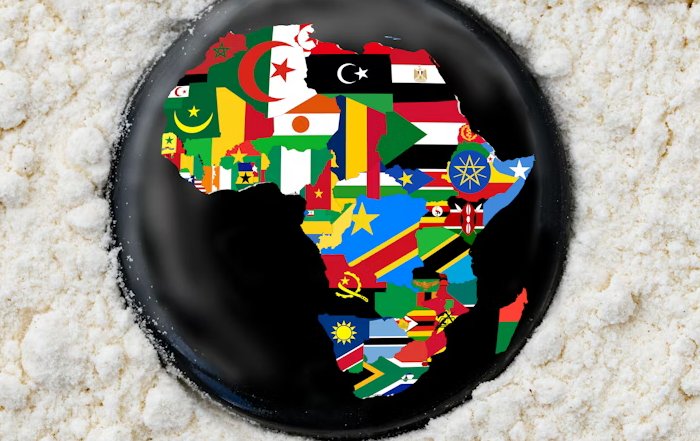
Bridging the Digital Divide in African Nations: A Worldly Perspective
A New Digital Frontier for the African Continent
As the global economy accelerates into an era defined by artificial intelligence, cloud computing, and ubiquitous connectivity, the digital divide in African nations has become one of the defining development challenges of the 2020s. While many countries in North America, Europe, and parts of Asia move toward 5G saturation and advanced digital public services, large segments of Africa's 1.4 billion people still lack reliable access to the internet, affordable devices, and the skills required to participate fully in the digital economy. For Worldsdoor and its ethnically mixed happy readers, who are deeply invested in understanding how technology, society, business, and culture intersect, the evolution of Africa's digital landscape is not only a story of infrastructure and investment but also one of human potential, innovation, and ethical responsibility.
The digital divide is no longer just a question of who can go online; it is a question of who can access quality education, who can participate in modern healthcare systems, who can compete in global labor markets, and who can shape the cultural narratives of the future. In this context, the role of trusted global and local institutions, from African Union policymakers to multinational technology firms such as Microsoft, Google, and Huawei, has become central to the continent's digital transformation. Readers seeking broader context on how technology is reshaping societies worldwide can explore the technology coverage on Worldsdoor through this dedicated section, where Africa's experience is increasingly viewed as a critical lens on global digital inclusion.
Understanding the Digital Divide in 2026
By 2026, internet penetration across Africa has improved significantly compared with a decade earlier, yet the gap between and within countries remains stark. According to recent analyses from organizations such as the International Telecommunication Union, Africa has seen steady growth in mobile broadband subscriptions, but fixed broadband access, high-speed connectivity, and affordable data remain out of reach for many rural and low-income communities. Those who wish to examine how global connectivity trends shape economic opportunity can review current global connectivity data and learn more about digital development strategies.
The divide is multidimensional. It is not simply about whether an individual owns a mobile phone; it is about the speed and reliability of the connection, the affordability of data, the availability of content in local languages, and the presence of digital skills that enable meaningful use of online services. In major urban centers such as Lagos, Nairobi, Johannesburg, and Accra, digitally savvy youth are building startups, engaging in remote work, and consuming global media, while in many rural regions, even basic 3G coverage can be intermittent. This disparity mirrors broader inequalities in health, income, and education, making it essential for development stakeholders to consider digital access as a core component of social policy. Readers interested in how digital inclusion interacts with broader societal trends can explore the society-focused insights on Worldsdoor at this link.
Infrastructure: The Foundation of Digital Inclusion
The expansion of undersea cables, terrestrial fiber networks, and mobile broadband infrastructure has dramatically changed Africa's connectivity map. Initiatives like Google's Equiano subsea cable, Meta's 2Africa project, and investments by regional operators such as MTN, Airtel Africa, and Safaricom have reduced latency and increased capacity to coastal and inland cities. Those who want to understand how submarine cables are reshaping global data flows can explore more about international connectivity initiatives. However, while capacity landing at African shores has grown, last-mile connectivity into homes, schools, hospitals, and small businesses remains a bottleneck.
Satellite-based solutions, including Starlink and regional satellite providers, have opened new possibilities for remote and sparsely populated areas, yet affordability and regulatory approvals remain challenges. Governments across Africa, often in partnership with multilateral institutions such as the World Bank and African Development Bank, are increasingly recognizing that digital infrastructure is as critical as roads and electricity. Those examining how infrastructure investment supports inclusive growth can learn more about digital infrastructure strategies. For Worldsdoor, which covers business and innovation trends globally, this infrastructure story is closely tied to the future of African entrepreneurship and the ability of local businesses to integrate into global value chains, a theme explored further in its business coverage.
Affordability, Access, and the Economics of Connectivity
Even where networks exist, cost remains one of the most significant barriers to digital inclusion in African nations. The price of data relative to income is still among the highest in the world in many countries, affecting not only low-income households but also small enterprises and educational institutions. The Alliance for Affordable Internet, a global coalition advocating for more equitable pricing, has repeatedly highlighted that the "1 for 2" affordability target-1 GB of data for no more than 2 percent of monthly income-remains unmet in several African markets. Readers can learn more about affordable internet benchmarks to understand how pricing shapes participation in the digital economy.
Device affordability is another critical dimension. While low-cost smartphones from manufacturers such as Transsion, Samsung, and Xiaomi have brought internet-capable devices within reach of more consumers, the total cost of ownership, including data, power, and maintenance, remains substantial. As digital public services-from identity systems to health records and government portals-move online, the risk increases that those unable to afford connectivity will be effectively excluded from essential services. For a broader reflection on how digital access intersects with quality of life, the lifestyle analysis available on Worldsdoor at this page provides additional context on how connectivity is becoming integral to daily living in both developed and emerging markets.
Digital Skills, Education, and Human Capital
Bridging the digital divide is not only about cables and towers; it is fundamentally about people. Many African countries are experiencing a demographic surge, with a rapidly growing youth population that, if equipped with the right skills, could become a powerful engine of global innovation and productivity. Yet digital literacy remains uneven, and educational systems often struggle to keep pace with technological change. Organizations such as UNESCO and UNICEF have emphasized that integrating digital skills into primary and secondary education is essential for preparing young people for the future of work, and those interested in this intersection can learn more about digital learning initiatives.
Across the continent, coding bootcamps, innovation hubs, and online learning platforms are filling gaps left by formal education systems. Institutions such as Andela, ALX, and the African Leadership University have pioneered models for training software developers, digital product managers, and entrepreneurs who can participate in global markets. Massive open online course platforms including Coursera and edX have partnered with African universities to expand access to high-quality content, while local edtech startups tailor learning experiences to African languages and contexts. For readers seeking to connect this educational transformation with broader global trends, the education-focused reporting on Worldsdoor found here offers a lens on how learning is being reshaped in both Africa and the rest of the world.
Health, Telemedicine, and the Digital Public Good
The COVID-19 pandemic revealed both the vulnerabilities and opportunities of Africa's health systems, accelerating interest in digital health solutions that could extend care to underserved communities. Telemedicine platforms, electronic medical records, and digital disease surveillance tools are now being piloted and scaled in countries such as Kenya, Rwanda, South Africa, and Nigeria. Institutions like the World Health Organization and Africa Centres for Disease Control and Prevention have emphasized that digital health is essential for achieving universal health coverage, and those who wish to delve into this topic can learn more about digital health frameworks.
However, telehealth and digital diagnostics depend on reliable connectivity, secure data systems, and trust in how health information is used. In remote regions where clinics may be understaffed and patients travel long distances for care, mobile health applications can revolutionize access, but only if patients and health workers have devices, data, and training. The health-focused coverage on Worldsdoor, accessible here, highlights how digital tools are transforming health systems globally, underscoring why closing the digital gap in Africa is not only an economic imperative but also a public health priority.
Digital Economies, Entrepreneurship, and Innovation
Africa's digital divide coexists with an extraordinary surge in digital entrepreneurship. From fintech pioneers such as Flutterwave, Chipper Cash, and M-Pesa to e-commerce platforms like Jumia and logistics innovators across Nigeria, Kenya, and South Africa, African entrepreneurs are building solutions tailored to local realities. The continent's fintech ecosystem has attracted significant venture capital, particularly from investors in the United States, United Kingdom, Germany, and other leading innovation hubs, as they recognize both the scale of unmet needs and the creativity of African founders. Those interested in the broader context of global fintech trends can explore insights on financial innovation.
Innovation hubs and technology parks in Nairobi, Cape Town, Lagos, Kigali, and Accra serve as focal points where startups, universities, investors, and policymakers intersect. Organizations such as Smart Africa and GSMA have supported regional initiatives to harmonize digital policies and foster cross-border digital trade, and readers can learn more about regional digital transformation programs. For Worldsdoor, which maintains a dedicated focus on innovation through its innovation section, Africa's startup ecosystem is increasingly viewed as a laboratory for inclusive digital business models that could influence practices in both emerging and advanced economies.
Governance, Regulation, and Digital Rights
Effective governance is crucial to ensuring that digital transformation benefits citizens rather than exacerbating existing inequalities or enabling new forms of exploitation. Many African governments have adopted national digital strategies, established data protection authorities, and passed cybersecurity and privacy laws, often drawing on guidance from institutions such as the African Union, the European Union, and the Organisation for Economic Co-operation and Development. Those who want to understand how international norms shape digital policy can learn more about global digital policy frameworks.
Yet regulatory capacity varies widely, and tensions often emerge between the need to attract foreign investment, the desire to localize data and preserve digital sovereignty, and the imperative to protect citizens' rights online. Internet shutdowns, content restrictions, and surveillance practices in some countries have raised concerns among civil society organizations and human rights advocates, including Amnesty International and Human Rights Watch, who argue that connectivity should not come at the expense of freedom of expression and privacy. For readers engaged with the ethical dimensions of digital transformation, the ethics analysis on Worldsdoor, accessible here, provides additional perspectives on balancing innovation with rights-based governance.
Sustainability, Environment, and Green Digital Infrastructure
As African nations expand their digital infrastructure, questions of sustainability and environmental impact are moving to the forefront. Data centers, fiber networks, and expanded device use all carry energy and resource implications, and in regions where electricity grids are fragile or heavily dependent on fossil fuels, the carbon footprint of digital growth cannot be ignored. Organizations such as the International Energy Agency and the United Nations Environment Programme have emphasized that the transition to a digital economy must be aligned with climate goals, and those interested in this intersection can learn more about sustainable digital infrastructure.
At the same time, digital technologies can support environmental monitoring, smart agriculture, and climate resilience across Africa, enabling farmers, city planners, and conservationists to make more informed decisions. Satellite imagery, remote sensing, and Internet of Things devices can provide early warnings of droughts, floods, and disease outbreaks, while digital marketplaces can reduce waste in food supply chains. For Worldsdoor, which dedicates significant coverage to environmental and sustainability issues, the environment-focused reporting at this link and the sustainability insights available here highlight how digital tools can both pose challenges and offer solutions in the fight against climate change.
Culture, Language, and Local Content
The digital divide is not only technical and economic; it is also cultural and linguistic. Much of the world's online content remains dominated by English and a handful of other global languages, which can marginalize speakers of Africa's hundreds of local languages. Efforts by organizations such as Mozilla, Google, and regional language technology startups to develop localized interfaces, voice recognition systems, and translation tools are beginning to change this landscape. Those interested in how language technology supports cultural inclusion can learn more about open-source localization initiatives.
African creators, musicians, filmmakers, and writers are increasingly using digital platforms to reach global audiences, from streaming services like Spotify and Netflix to social platforms such as YouTube and TikTok. However, where connectivity is limited or costly, the ability of local communities to produce and consume digital culture remains constrained. For Worldsdoor, whose readers are deeply engaged with cultural trends and creative industries, the culture-focused section at this page demonstrates how digital platforms are reshaping cultural exchange, with Africa's artists and storytellers playing an increasingly central role in global narratives.
Food Systems, Agriculture, and Rural Connectivity
Agriculture remains the backbone of many African economies, employing large portions of the population, particularly in rural areas where the digital divide is most pronounced. Digital agriculture platforms, which provide farmers with weather forecasts, market prices, agronomic advice, and access to microfinance, have shown significant promise in countries like Kenya, Nigeria, and Ethiopia. Organizations such as the Food and Agriculture Organization of the United Nations and the International Fund for Agricultural Development have highlighted how digital tools can increase yields, reduce waste, and improve food security, and those who wish to explore this further can learn more about digital agriculture programs.
However, these solutions depend on basic connectivity, affordable devices, and user-friendly interfaces that accommodate varying literacy levels. Without deliberate investment in rural networks and farmer training, the risk is that digital agriculture platforms will primarily benefit better-connected, more affluent farmers, thereby widening existing inequalities. For readers interested in how food systems and technology intersect globally, the food-focused coverage on Worldsdoor available here situates African developments within broader debates about sustainable and inclusive food systems.
Tourism, Travel, and the Digital Image of Africa
The travel and tourism sector in Africa has been significantly influenced by digital platforms that shape perceptions, bookings, and experiences for both domestic and international visitors. Online travel agencies, review platforms, and social media have enabled destinations in countries such as South Africa, Kenya, Morocco, Tanzania, and Rwanda to reach travelers from the United States, United Kingdom, Germany, Canada, Australia, and beyond. Those who want to understand how digital tools are reshaping global travel behavior can learn more about evolving travel patterns.
Yet for many smaller destinations and community-based tourism initiatives, limited digital visibility and weak connectivity impede their ability to attract visitors, share local stories, and manage bookings efficiently. Strengthening digital capacity in the tourism value chain-from local guides to small guesthouses-can generate jobs, preserve cultural heritage, and foster more sustainable forms of travel. The travel-oriented insights on Worldsdoor, which can be explored here, illustrate how connectivity and storytelling are increasingly central to the future of tourism in Africa and around the world.
Toward an Inclusive Digital Future for African Nations
So in 2026, it has become clear that bridging the digital divide in African nations is not a single project or program but an ongoing, multidimensional process requiring coordinated action across infrastructure, policy, education, health, business, and culture. Governments must continue to prioritize investments in broadband networks and electricity, while ensuring that regulatory frameworks protect citizens' rights and encourage innovation. Private sector actors, from global technology firms to local startups, need to align their business models with long-term inclusion, affordability, and sustainability goals. Civil society organizations and international institutions must advocate for digital rights, support capacity building, and ensure that marginalized groups are not left behind.
For Worldsdoor, which positions itself as a gateway to understanding how health, travel, culture, lifestyle, business, technology, environment, innovation, ethics, society, education, and food intersect in a rapidly changing world, Africa's digital journey is a central narrative of the coming decade. The platform's global perspective, accessible from its homepage, enables readers from Europe, Asia, North America, South America, Africa, and Oceania to see how developments in African nations are intertwined with broader global shifts in technology and society.
Ultimately, bridging the digital divide in African nations is about more than connecting devices; it is about connecting people to opportunity, dignity, and participation in a shared global future. If stakeholders across sectors can sustain momentum, prioritize inclusion, and respect local contexts, Africa's young and dynamic populations could help shape a more equitable digital era for the entire world. We do hope you enjoyed this article today. Don't forget to bookmark subscribe and come back tomorrow.