

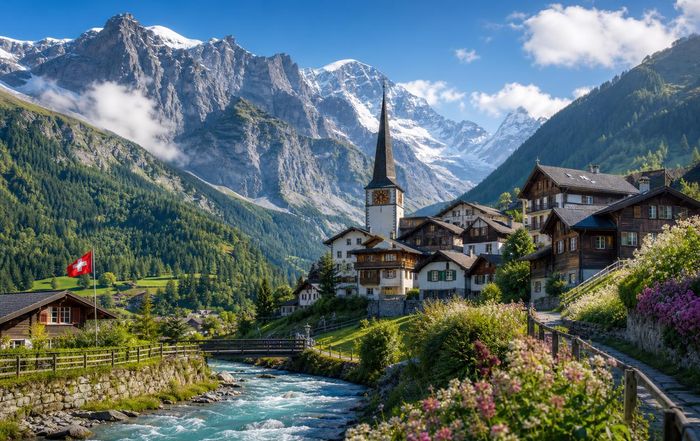
A Guide to Switzerland's Most Scenic Mountain Villages
Switzerland's mountain villages often look as if they were designed for postcards: chalets backed by jagged peaks, cowbells echoing across green meadows, and lakes so still they reflect entire skylines of snow. Yet beyond the picture-perfect scenes, each village has its own rhythm, culture, and practical realities that can make or break a trip. This guide focuses on some of the most scenic - and distinctive - Swiss mountain villages, how to experience them thoughtfully, and what to know before you go.
For deeper background on sustainable travel and cultural context, our chilled fans may also find the travel, culture, and environment pages of WorldsDoor useful when planning a broader itinerary.
Understanding Swiss Mountain Villages: What Makes Them Special
Swiss mountain villages are shaped by geography, language, and history. The Alps form a cultural crossroads where German, French, Italian, and Romansh influences meet, and this mix is especially visible in high-altitude communities that developed their own architecture, dialects, and seasonal traditions over centuries. In many places, tourism has replaced farming as the main livelihood, yet alpine agriculture, cheese-making, and pastoral life still underpin local identity. Organizations such as Switzerland Tourism and the Swiss Alpine Club highlight how hiking trails, mountain huts, and historic routes connect today's visitors with this heritage, while federal and cantonal authorities enforce strict building and environmental regulations to preserve landscapes and village character.
The result is that even popular resorts must work within tight constraints on construction, traffic, and energy use, and many smaller villages have deliberately limited development. The Swiss Federal Office for the Environment and related bodies set standards for protected areas and water quality, while regional parks and UNESCO World Heritage designations add further layers of protection. For travelers, this means that a "scenic village" is not just a cluster of old houses with a view, but part of a wider system of land management, public transport, and cultural policy designed to keep the Alps livable for residents as well as attractive for visitors. Understanding this context helps explain why some villages are car-free, why prices can be high, and why responsible behavior - from staying on marked trails to respecting quiet hours - is taken seriously.
Zermatt: Iconic Peaks and a Car-Free Village
Few alpine skylines are as instantly recognizable as the Matterhorn towering above Zermatt. The village sits at the end of a valley in the canton of Valais and has been car-free for decades; only small electric taxis and horse-drawn carriages are allowed in the center. Visitors leave private vehicles in Täsch and arrive by shuttle train, a system that reduces congestion and air pollution in the narrow valley. Information on public transport, rail passes, and timetables is widely available through the Swiss Federal Railways and regional operators, which together make it possible to reach Zermatt from major cities without driving at all.
Zermatt's scenery is dramatic in every season. In winter, it is one of Europe's highest ski areas, with lifts linking to Italy's Cervinia and extensive glacier skiing that typically runs into early summer. In warmer months, hundreds of kilometers of hiking trails fan out from the village, including the popular Five Lakes Walk and routes to mountain huts managed by the Swiss Alpine Club. The Gornergrat cog railway and the Matterhorn Glacier Paradise cable cars offer access to panoramic viewpoints and glaciers that are visibly shrinking as documented by bodies like the World Meteorological Organization, making Zermatt a stark window into climate change in the high Alps. Beyond outdoor sports, the village has a compact historic core with traditional wooden barns, a mountaineering museum, and a dining scene that ranges from simple mountain huts to Michelin-starred restaurants.
Because of its global reputation and limited space, Zermatt can feel crowded and expensive, especially during peak ski weeks and mid-summer. Booking accommodation and mountain railway tickets well in advance is often necessary. Travelers interested in the environmental side of alpine tourism may want to explore sustainable travel resources in the sustainable and innovation sections, as Zermatt and other resorts experiment with renewable energy, electric mobility, and glacier protection measures.
Mürren and Wengen: Above the Lauterbrunnen Valley
The Lauterbrunnen Valley, with its sheer cliffs and waterfalls, has inspired writers and climbers for generations, and perched on the cliffs above are two of Switzerland's most scenic car-free villages: Mürren and Wengen. Both are reached only by mountain railway or cable car, a design that limits road traffic and preserves a quieter, more pedestrian-friendly atmosphere. Detailed information about cableways and rail connections is coordinated through Jungfraubahn and local tourism offices, while national agencies like Switzerland Tourism promote the area as part of the wider Jungfrau Region.
Mürren sits on a sunny terrace facing the Eiger, Mönch, and Jungfrau peaks. Its wooden chalets, flower-decked balconies, and compact lanes give it the feel of a traditional village, but with direct access to high alpine terrain. In winter, Mürren's ski area includes the steep Schilthorn runs, and in summer, hiking routes lead to alpine meadows, via ferrata routes, and viewpoints such as the revolving Piz Gloria restaurant made famous by a James Bond film. Wengen, on the opposite side of the valley, is slightly larger and known for the Lauberhorn World Cup downhill race. Its gently sloping streets, historic hotels, and views over the valley make it appealing for families and travelers who prefer easy access to the Jungfraujoch railway - one of the highest in Europe - without staying in a busy transit hub.
Both villages show how mountain communities balance tourism with everyday life. Supplies arrive by rail or cable car, and construction must adapt to steep terrain and avalanche risk, guided by cantonal planning laws and federal safety standards. Visitors will notice careful trail signage, avalanche warning systems, and restrictions on drone use, all of which reflect a culture that prioritizes safety and environmental protection. Those interested in the intersection of alpine life, sport, and society can explore related themes in the society and world sections, which often touch on how mountain communities adapt to changing economic and climatic pressures.
Grindelwald: Glacier Views and Accessible Adventure
Unlike Mürren and Wengen, Grindelwald is not car-free, but its setting beneath the north face of the Eiger and the Wetterhorn makes it one of the most visually striking villages in the Bernese Oberland. The village has grown significantly since the late 19th century, spurred by the arrival of the railway and later road access, and today it functions as a year-round adventure hub. The local tourism office and regional authorities work with partners such as UNESCO - which recognizes the nearby Jungfrau-Aletsch area as a World Heritage Site - to promote sustainable use of the landscape, including extensive public transport, waste management, and controlled development.
Grindelwald is particularly well suited to travelers who want scenic mountain surroundings with relatively easy logistics. The village is directly linked by train to Interlaken, and modern gondolas like the Eiger Express connect quickly to high-altitude stations. In winter, the ski areas around First and Kleine Scheidegg cater to a wide range of abilities, and non-skiers can access winter hiking trails, toboggan runs, and panoramic viewpoints. In summer, Grindelwald is a base for hiking, mountain biking, and mountaineering courses offered by certified guides who often work closely with the Swiss Alpine Club and other safety-focused organizations. Attractions such as cliff walks, suspension bridges, and zip lines have been added in recent years, reflecting a broader trend toward "adventure infrastructure" in alpine resorts.
At the same time, Grindelwald illustrates some of the trade-offs that come with popularity. Traffic at peak times, bus tours, and large new hotels can make parts of the village feel more like a resort town than a quiet hamlet. Environmental groups and agencies like the Swiss Federal Office for the Environment monitor the impact of infrastructure on wildlife corridors, forests, and water resources, and debates continue over how much further development is appropriate. Visitors who appreciate the convenience of Grindelwald but seek quieter experiences can use it as a transport hub and spend more time on surrounding trails or in smaller neighboring villages.
Gimmelwald and the Allure of "Untouched" Villages
High above the Lauterbrunnen Valley, a short cable car ride from Mürren, lies Gimmelwald, a tiny farming village that has become a symbol of "authentic" alpine life in many guidebooks and travel blogs. Its narrow lanes, traditional barns, and sweeping views over the valley are undeniably photogenic, and the village remains much smaller and less commercialized than many resorts. Yet its popularity, especially among backpackers and budget travelers, shows how quickly even remote-feeling places can be transformed by global tourism narratives, a trend often explored in travel and culture discussions.
Gimmelwald's economy still relies significantly on agriculture, with local families producing cheese and managing alpine pastures according to regulations overseen by cantonal agricultural authorities and national bodies such as the Swiss Federal Office for Agriculture. At the same time, guesthouses, hostels, and small restaurants cater to a steady stream of international visitors. This dual identity creates both opportunities and tensions: tourism revenue helps sustain village services and allows younger residents to stay, but rising property values and seasonal crowding can strain community cohesion. Responsible travel practices - booking locally owned accommodations, minimizing noise at night, respecting private property, and sticking to designated paths - are particularly important in such small settlements.
Gimmelwald also illustrates the limits of the idea of "untouched" villages. Even when architecture looks old, infrastructure such as water supply, telecommunications, and avalanche protection is modern and heavily regulated by Swiss building codes and safety standards. Climate change is altering snow patterns and slope stability, prompting ongoing investment in protective structures and monitoring systems. Travelers who romanticize alpine simplicity without acknowledging these complexities risk overlooking the real work required to keep such communities viable. Exploring broader themes of rural life, migration, and identity in the society and education sections can deepen understanding of what it means for a village to remain "traditional" in a globalized world.
Engadine Gems: Guarda, Sils Maria, and the Silsersee
In eastern Switzerland's Engadine valley, the atmosphere shifts. Here, in the canton of Graubünden, the predominant language is Romansh alongside German, and the architecture features thick-walled houses with painted façades and sgraffito decorations. Villages such as Guarda and Sils Maria offer some of the country's most quietly beautiful mountain scenery, with fewer crowds than major resorts and a strong sense of local culture. The region's tourism promotion works closely with cantonal cultural offices and organizations like Pro Natura and the Swiss National Park administration to emphasize nature conservation and cultural heritage.
Guarda, perched on a sunny terrace above the lower Engadine, is famous as the setting for the Swiss children's book "Schellen-Ursli." Its carefully preserved houses and cobbled lanes have earned it recognition as a model of village conservation. Strict planning rules limit visible modern alterations, and many properties remain in local hands, supported by incentives and guidance from cantonal heritage authorities. Sils Maria, closer to the high Engadine lakes, sits between the Silsersee and the Fex Valley, an area long favored by writers and artists. The village's lakeside setting, larch forests, and views toward snow-capped peaks create a softer, more expansive alpine landscape than the dramatic cliffs of central Switzerland.
Outdoor activities in the Engadine reflect this mix of culture and nature. Extensive cross-country skiing networks, hiking trails, and mountain bike routes are maintained with input from environmental organizations and local communities, aiming to minimize disturbance to wildlife while offering varied access. The nearby Swiss National Park, the country's only national park, enforces strict rules on staying on marked paths and leaving nature undisturbed, illustrating a more preservationist approach than in many ski-oriented regions. Travelers who value contemplative landscapes, cultural depth, and slower tourism rhythms often find the Engadine particularly rewarding.
Lakes and Peaks: Wengen, Murren, and the Role of Public Transport
One of the defining features of Swiss mountain villages is how closely they are integrated into the national public transport network. The Swiss Federal Railways, regional railways, postal buses, and mountain cableways form a coordinated system that allows travelers to reach small villages without renting a car, an arrangement often highlighted in international transport and innovation discussions. Villages like Wengen and Mürren, which are entirely reliant on rail or cable access, demonstrate the environmental benefits and logistical challenges of such a model.
Timetables are designed to connect mainline trains with mountain routes, and travel passes such as the Swiss Travel Pass or regional passes in the Jungfrau and Bernese Oberland areas encourage visitors to rely on public transport. This reduces local air pollution and road congestion, particularly in narrow valleys where road expansion would be both expensive and environmentally damaging. It also shapes village life: shops and services cluster near stations, freight is moved by rail, and construction materials are often lifted by cable crane rather than truck. Safety and reliability are overseen by federal transport regulators and supported by significant public investment, reflecting a national commitment to rail and cable infrastructure.
For travelers, this integration means that choosing a scenic mountain village does not have to mean isolation. Day trips to lakes such as Thun and Brienz, visits to nearby cities, or multi-stage hikes linking several villages are all feasible without a car. It also supports more sustainable travel choices, aligning with broader goals promoted by organizations like the United Nations Environment Programme and UN Tourism to reduce the environmental footprint of tourism. Readers interested in how transport policy intersects with climate goals can find further context in the environment and business sections, where mobility, infrastructure, and investment trends are frequently discussed.
Seasonal Rhythms: When to Visit and What Changes
The character of Swiss mountain villages shifts markedly with the seasons, and choosing the right time to visit can be as important as choosing the right place. In winter, many villages become ski resorts, with lifts running daily, snowmaking systems operating where temperatures allow, and businesses geared heavily toward winter sports. Safety standards for lifts and avalanche control are regulated by federal and cantonal authorities, and organizations like the Institute for Snow and Avalanche Research provide daily bulletins that guide both professional and recreational decisions. Villages such as Zermatt, Grindelwald, and Wengen are particularly lively in this period, while smaller places may have reduced services.
Spring and autumn are quieter "shoulder seasons" when some lifts close for maintenance, but trails at lower elevations begin to open, wildflowers bloom, and larch forests turn golden. For travelers who prioritize hiking, photography, and village atmosphere over guaranteed high-altitude access, these months can be ideal. Summer brings long daylight hours, extensive hiking and biking options, and alpine festivals celebrating local music, food, and farming traditions. Health authorities, including the Swiss Federal Office of Public Health and international bodies like the World Health Organization, often issue seasonal guidance on heat, UV exposure, and tick-borne diseases, which are increasingly relevant as climate patterns shift and summers grow warmer even at altitude.
Climate change is altering these rhythms. Glaciers visible from villages such as Zermatt and Grindelwald have retreated significantly in recent decades, and snow reliability at lower elevations is declining, prompting more reliance on artificial snow and a reorientation toward summer tourism. Environmental organizations, scientific institutions, and international agencies such as the Intergovernmental Panel on Climate Change have documented these trends and their implications for water resources, natural hazards, and local economies. Travelers who are aware of these changes can make more informed choices about when to visit, how to move around, and how to support businesses and initiatives that prioritize adaptation and sustainability.
Traveling Responsibly: Culture, Environment, and Health
Scenic beauty is only one dimension of a Swiss mountain village; the others are cultural respect, environmental responsibility, and personal well-being. Many villages are home to year-round residents whose daily lives continue amid the flow of visitors, and local customs around quiet hours, Sunday rest, and the use of shared spaces are often more formal than in some other tourist destinations. Learning a few phrases in the local language - whether German, French, Italian, or Romansh - and observing norms around recycling, noise, and dress in religious or ceremonial settings helps maintain good relations between visitors and hosts. Articles in the culture and ethics sections frequently explore these themes of respect and reciprocity in travel.
Environmental responsibility in mountain villages goes beyond avoiding litter. Staying on marked trails protects fragile alpine vegetation and reduces erosion; following local guidance about wildlife and grazing areas prevents conflicts with farmers and conservationists. Organizations such as Pro Natura, WWF Switzerland, and international bodies like the International Union for Conservation of Nature work with communities to safeguard habitats, and visitor behavior plays a direct role in whether those efforts succeed. Choosing accommodations that invest in energy efficiency, waste reduction, and local sourcing supports businesses that align with broader sustainability goals promoted by UNEP and other environmental agencies.
Health and safety are also central to a rewarding mountain experience. Even moderate hikes can involve significant altitude gain, and weather can change rapidly. Checking forecasts from the national meteorological service or reputable outlets such as MeteoSwiss and following advice from local guides helps reduce risk. International health organizations like the World Health Organization offer general guidance on sun protection, hydration, and physical activity at altitude, which is particularly relevant for children, older travelers, and those with pre-existing conditions. For more detailed health-related travel advice, readers can consult the health and lifestyle sections, which often address fitness, altitude, and outdoor safety in accessible terms.
Choosing the Right Village for Your Journey
Each Swiss mountain village offers a different balance of scenery, accessibility, culture, and activity. Zermatt delivers iconic peaks and a polished, international atmosphere; Mürren and Wengen combine dramatic views with car-free calm; Grindelwald offers adventure infrastructure and transport convenience; Gimmelwald and small Engadine villages such as Guarda and Sils Maria embody quieter, more traditional rhythms. Rather than searching for a single "best" village, travelers can think in terms of fit: how much infrastructure they want, whether they prioritize skiing or hiking, how comfortable they are with altitude, and how important cultural immersion is alongside outdoor pursuits.
Planning with these questions in mind, and with an awareness of the environmental and social context in which these villages exist, can transform a scenic trip into a more meaningful encounter with alpine life. Combining information from national tourism bodies like Switzerland Tourism, environmental and health organizations such as UNEP and the World Health Organization, and reflective perspectives on travel, culture, and sustainability from new daily resources like the travel, environment, and sustainable sections can help travelers navigate not just the mountains, but the responsibilities that come with enjoying them.