

Why Seasonal Celebrations Matter to Cultural Preservation
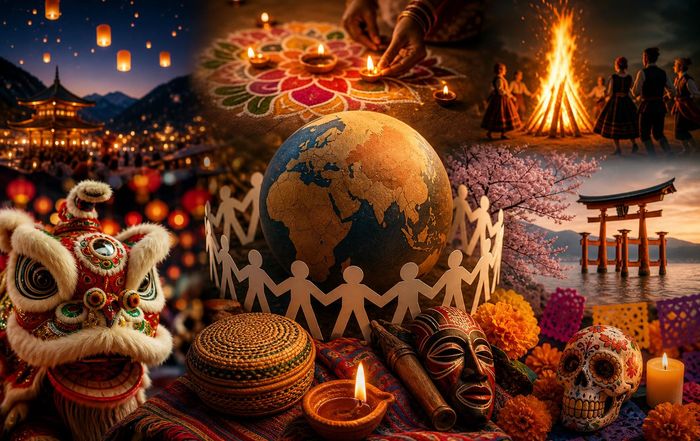
Seasonal celebrations, from the lantern-lit streets of Kyoto in mid-summer to the Christmas markets of Berlin in winter and the harvest festivals of rural Ghana in the autumn rains, form a living calendar that connects communities to place, memory and meaning. In a world shaped by rapid urbanization, digital communication and climate uncertainty, their continued vitality is far from guaranteed, yet their importance to cultural preservation is being rediscovered by scholars, policymakers and communities alike. For WorldsDoor, whose pretty well travelled demographic of individuals, explore travel, culture, health, lifestyle and the environment across continents, understanding why these celebrations matter offers a powerful lens on how traditions endure, adapt and inspire.
Seasonal Rituals as Living Cultural Archives
Anthropologists often describe festivals and rituals as "archives in motion," because they encode stories, values, social structures and historical experiences in embodied practices rather than in books or databases. Seasonal celebrations such as Diwali in India, Lunar New Year in East and Southeast Asia, Nowruz across parts of Central and Western Asia, Thanksgiving in North America or Midsummer in Scandinavia are not simply holidays on a calendar; they are recurring performances of cultural memory that transmit knowledge across generations.
Organizations such as UNESCO have emphasized this role by recognizing many seasonal festivals as part of the world's Intangible Cultural Heritage, from Japan's Gion Matsuri to Spain's Las Fallas and Mexico's Day of the Dead. Readers can explore how UNESCO defines and safeguards such traditions through its intangible cultural heritage framework. These recognitions underscore that cultural heritage is not limited to monuments and artifacts, but also includes the songs, dances, recipes, processions and rituals that reappear as seasons change.
Unlike static archives, seasonal celebrations are inherently dynamic. Each year's festival is slightly different from the last, shaped by weather, economic conditions, political realities and technological shifts. The continuity of the celebration provides stability, while the flexibility of its expression allows communities to negotiate change without losing their sense of identity. For example, many European Christmas markets have introduced digital payment systems and contemporary design elements, yet the core seasonal symbolism of light, warmth and togetherness during winter remains deeply rooted. In this way, seasonal celebrations preserve culture not by freezing it in time, but by enabling communities to re-interpret their heritage in the present.
The Seasonal Calendar and a Sense of Place
Seasonal celebrations emerged historically from close observation of the natural world: solstices and equinoxes, planting and harvest cycles, the migration of animals, the timing of monsoon rains or snowmelt. They helped communities in regions as diverse as the Mediterranean, East Asia, West Africa and the Americas structure agricultural work, manage resources and mark transitions in social life such as marriages, initiations or communal agreements. Even in highly urbanized societies of North America, Europe and East Asia, this connection between seasonal rhythms and cultural practice remains visible.
The mid-winter festivals of Northern Europe, for instance, originally celebrated the return of light after the darkest period of the year; contemporary Christmas and New Year traditions in the United Kingdom, Sweden, Norway and Finland still revolve around illumination, from candles to fireworks and city light installations. In East Asia, Lunar New Year aligns with the beginning of agricultural cycles and serves as a time for renewal, family reunions and the honoring of ancestors, themes that remain central even as millions of people now live in mega-cities like Shanghai, Seoul and Singapore.
This embeddedness in local ecologies gives seasonal celebrations a powerful role in preserving not only cultural identity but also a sense of place. As climate change alters weather patterns, the timing and character of some festivals are beginning to shift, and researchers are documenting how communities respond. Studies published by bodies such as the Intergovernmental Panel on Climate Change (IPCC) and cultural research institutes show, for example, that warmer winters have affected ice-related traditions in parts of Scandinavia and North America, while unpredictable monsoon patterns have influenced harvest festivals in South and Southeast Asia. Interested readers can explore climate-culture interactions through resources from organizations like the IPCC and cultural climate initiatives highlighted on WorldsDoor's environment channel.
When communities adapt festivals to new environmental realities, they are not abandoning tradition; they are reasserting their relationship to place under changing conditions. This process of adaptation, when guided by respect for local knowledge and ecological limits, can strengthen both cultural continuity and environmental awareness.
Community, Belonging and Mental Well-Being
Beyond symbolism and ecology, seasonal celebrations play a crucial role in social cohesion and psychological health. Research in social psychology and public health has found that shared rituals and communal gatherings can reduce feelings of isolation, reinforce social bonds and provide a sense of belonging that is protective for mental well-being. Organizations such as the World Health Organization (WHO) and national public health agencies have highlighted the value of social connection, particularly in the wake of the COVID pandemic, which disrupted many traditional gatherings. Those interested in the health dimensions of culture can learn more about community and well-being as explored by WorldsDoor.
Seasonal celebrations often serve as predictable anchor points in the year, offering individuals and families something to anticipate and prepare for. Whether it is planning a Ramadan iftar in Malaysia, decorating for Hanukkah in the United States, organizing a Songkran water festival in Thailand, or returning to a hometown in Italy or Spain for a patron saint's day, these events create cyclical patterns that give structure to time and continuity to relationships. For diaspora communities in countries such as Canada, Australia, the United Kingdom or Germany, maintaining seasonal traditions from their countries of origin can be especially important in sustaining identity and intergenerational connection.
Psychologists have noted that rituals, including seasonal ones, can help people process change and loss, providing a framework for expressing emotions and reaffirming communal resilience. During the pandemic years, many communities experimented with online or physically distanced versions of their seasonal celebrations, from virtual Passover seders to livestreamed religious services and remote music festivals. While not a full substitute for in-person gatherings, these adaptations showed how deeply people valued the continuity of ritual and how technology can support, rather than replace, cultural practice when thoughtfully used. For an overview of how lifestyle and digital habits intersect with tradition, readers can explore WorldsDoor's lifestyle section.
Seasonal Celebrations in a Globalized, Digital Age
Globalization and digital media have transformed how seasonal celebrations are experienced, shared and commercialized. Festivals that were once primarily local events are now broadcast worldwide through social platforms, travel media and streaming services. The Rio Carnival, Oktoberfest in Germany, Cherry Blossom festivals in Japan, Carnival of Venice in Italy, and Holí in India have become global spectacles, attracting international visitors and inspiring satellite events in cities from New York to Sydney.
This global visibility can support cultural preservation by generating economic resources, raising awareness and fostering pride among local communities. Tourism boards and cultural ministries in countries like Spain, France, Thailand, Japan and South Africa often promote seasonal festivals as key attractions, and organizations such as the UN World Tourism Organization (UNWTO) have developed guidelines for cultural tourism that respects local heritage. For readers planning journeys around such celebrations, WorldsDoor's travel coverage regularly explores how to engage with festivals responsibly and meaningfully.
At the same time, commercialization and mass tourism can place pressure on the very traditions they showcase. Overcrowding, environmental strain, superficial "staged authenticity" and the displacement of local participants by visitors are among the concerns raised by scholars and community advocates. The challenge for cultural preservation is to balance openness with integrity: enabling visitors to learn and participate while ensuring that local voices, values and decision-making remain central.
Digital technology introduces its own complexities. Platforms such as YouTube, Instagram, TikTok and regional social networks have become major channels for documenting and disseminating seasonal celebrations. Young creators in South Korea, Brazil, Nigeria, China, the Netherlands and beyond share festival vlogs, dance tutorials and cooking demonstrations that bring local traditions to global audiences. These digital narratives can counter stereotypes and provide nuanced, firsthand perspectives that complement more formal cultural documentation. For an exploration of how technology intersects with tradition and storytelling, readers may wish to visit the technology section.
However, cultural appropriation and misrepresentation are real risks when images and symbols are detached from their context and circulated without explanation or consent. Responsible cultural engagement in the digital age requires attention to attribution, listening to community voices and avoiding the reduction of complex traditions to mere aesthetic trends. Educational platforms, museums and cultural organizations, including institutions like the British Museum, the Smithsonian Institution and various national heritage bodies, are increasingly providing accessible online resources to help global audiences understand the deeper histories and meanings behind seasonal rituals. Interested readers can explore, for example, Smithsonian's cultural heritage resources or background materials on festivals from the British Museum.
Intercultural Dialogue and Inclusive Identities
Seasonal celebrations are not only about preserving distinct cultural identities; they also provide opportunities for intercultural dialogue and the development of more inclusive forms of belonging. In multicultural societies such as Canada, Singapore, the United States, United Kingdom, Malaysia and South Africa, public calendars increasingly recognize a range of religious and cultural festivals, and cities often host multi-faith or cross-community events that invite participation from diverse groups.
When thoughtfully designed, such shared celebrations can foster mutual understanding and respect, countering stereotypes and reducing social tensions. For example, open community iftars during Ramadan in European cities, Diwali light festivals in multicultural neighborhoods of Toronto or London, and Lunar New Year parades in San Francisco or Sydney have become spaces where people encounter traditions outside their own backgrounds in welcoming environments. Educational initiatives in schools and universities, supported by organizations like UNICEF and national education ministries, often use seasonal celebrations as entry points for teaching about world cultures, religions and histories. Those people interested in the educational dimension of cultural festivals can find further reflection in WorldsDoor's education coverage.
Yet inclusive celebration also raises questions of power, representation and equity. Whose festivals receive official recognition, public funding and media coverage, and whose remain marginalized or misunderstood? How can minority communities maintain agency over how their rituals are presented and adapted in public contexts? Scholars of ethics and cultural policy emphasize the importance of consultation, co-creation and respect for community leadership in designing public celebrations. Readers who wish to delve deeper into the ethical aspects of cultural participation can explore the updated ethics section.
Sustainability, Environment and Seasonal Traditions
In recent years, environmental sustainability has become a central concern in the organization of seasonal celebrations, from large-scale events like New Year's Eve fireworks in major cities to local harvest fairs and religious festivals. Issues such as waste generation, energy use, air and water pollution and the ecological impact of mass tourism have prompted communities, municipalities and event organizers to rethink traditional practices.
For instance, some cities in Germany, Netherlands, Australia and United States have begun to replace or reduce fireworks with drone light shows or laser displays to minimize air pollution and stress on wildlife. In India, campaigns encourage the use of eco-friendly materials for festival decorations and idols, particularly during Ganesh Chaturthi and Durga Puja, to reduce water contamination. European Christmas markets and North American winter festivals are experimenting with reusable cups, local sourcing of food and crafts, and energy-efficient lighting. Environmental organizations and research institutes, such as the United Nations Environment Programme (UNEP) and various national environmental agencies, provide guidelines on sustainable event management that many festivals are beginning to adopt.
These shifts demonstrate that cultural preservation and environmental responsibility are not mutually exclusive; on the contrary, many traditional practices already embody principles of ecological balance, such as seasonal eating, local materials and communal resource sharing. Reviving and adapting such practices can contribute to broader sustainability goals. For folks interested in how seasonal celebrations intersect with climate action and ecological awareness, WorldsDoor's sustainable living section and innovation coverage offer further insights.
Moreover, seasonal festivals can serve as powerful platforms for environmental education and advocacy. Events like Earth Day, while more recent than ancient solstice or harvest festivals, demonstrate how collective rituals tied to a particular time of year can mobilize awareness and action. In many communities, religious and cultural leaders are integrating ecological themes into festival sermons, processions and activities, emphasizing stewardship of the earth as a shared ethical and spiritual responsibility. Interfaith and secular initiatives, documented by organizations like the Alliance of Religions and Conservation and various climate-faith networks, highlight how seasonal rituals can inspire environmental commitment across diverse belief systems.
Economic Vitality, Creative Industries and Local Empowerment
Seasonal celebrations also contribute significantly to local and national economies, supporting jobs in hospitality, crafts, performing arts, food production, transportation and creative industries. Markets, fairs, concerts and processions provide opportunities for artisans, musicians, dancers, designers and small businesses to showcase their work, often drawing on deep reservoirs of traditional knowledge and skill.
In regions such as Bavaria, Andalusia, Quebec, Kyoto, Chiang Mai, Cape Town or Rio de Janeiro, seasonal festivals are central to cultural tourism strategies, as documented by tourism boards and economic studies. Organizations like the Organisation for Economic Co-operation and Development (OECD) and national cultural ministries have examined how cultural and creative sectors linked to festivals can drive inclusive growth when benefits are equitably shared. Those seeking to understand the business dimensions of cultural events can learn more about sustainable business practices and how they intersect with culture on WorldsDoor.
However, the economic value of seasonal celebrations should not overshadow their cultural and social significance. There is a risk that when festivals are treated primarily as commercial products, traditional meanings may be diluted, and local communities may be priced out of participation. Models of community-based tourism and cooperative organization, which ensure that residents have a voice in decision-making and share in the economic benefits, offer promising alternatives. Examples include community-run homestays during festivals in parts of Nepal and Vietnam, cooperatives managing traditional craft markets in Mexico and Morocco, and heritage trusts overseeing historic festival routes in parts of Italy and the United Kingdom.
In 2026, digital platforms are also reshaping the economics of seasonal celebrations, enabling artisans and performers to reach global audiences through online marketplaces, streaming performances and virtual workshops. While these tools can open new opportunities, they also require attention to fair compensation, intellectual property rights and the protection of traditional knowledge. International frameworks supported by organizations such as the World Intellectual Property Organization (WIPO) are evolving to address these issues, though debates continue about the most effective and equitable approaches.
Youth, Innovation and the Future of Seasonal Traditions
The long-term preservation of seasonal celebrations depends on the engagement of younger generations. Around the world, young artists, organizers, educators and entrepreneurs are reimagining festivals in ways that speak to contemporary concerns while honoring ancestral roots. This may involve integrating new musical genres into traditional parades, using augmented reality to tell historical stories along festival routes, or developing educational apps that help children learn the meanings behind rituals and songs.
Examples can be seen in youth-led cultural initiatives in cities like Berlin, Seoul, Johannesburg, São Paulo, Toronto and Barcelona, where collectives collaborate with elders and cultural institutions to refresh seasonal events. International cultural organizations, such as the Asia-Europe Foundation (ASEF) and various youth arts networks, document and support such efforts. Readers interested in how innovation and tradition intersect can explore WorldsDoor's innovation section and culture coverage for stories of creative reinvention.
Education plays a crucial role here. When schools and community centers integrate local seasonal celebrations into curricula, inviting elders, artists and cultural practitioners to share their knowledge, young people are more likely to see these traditions as meaningful parts of their identity rather than distant relics. Collaborative projects that link seasonal rituals to contemporary themes such as climate action, social justice or mental health can further strengthen their relevance.
Crucially, youth engagement in seasonal celebrations is not about replicating the past exactly as it was, but about exercising creative agency within a framework of respect. This may mean rethinking aspects of festivals that conflict with evolving ethical norms, such as practices that harm animals, exclude certain groups or pose significant environmental risks. Open dialogue between generations, supported by ethical reflection and cultural sensitivity, can help communities navigate these changes without losing the core of what makes their seasonal celebrations unique.
WorldsDoor and the Global Conversation on Seasonal Celebrations
For WorldsDoor, seasonal celebrations are more than picturesque backdrops for travel photography; they are gateways into the deeper stories of communities across Europe, Asia, Africa, North and South America and Oceania. By highlighting festivals from the lantern festivals of Taiwan to the summer solstice gatherings of Scandinavia, from the Day of the Dead in Mexico to the cherry blossom viewings of Japan, WorldsDoor seeks to foster informed, respectful and inspiring encounters with living traditions. Readers can explore interconnected perspectives on travel, culture, food, society and the wider world to understand how seasonal celebrations illuminate broader patterns of human creativity and resilience.
So the world continues to face complex challenges, from climate disruption and social inequality to rapid technological change. Seasonal celebrations, with their recurring cycles of preparation, gathering, reflection and renewal, offer a counterpoint to the sense of fragmentation that can accompany such transitions. They remind communities that they have navigated change before, that they possess collective wisdom encoded in songs, recipes, dances and rituals, and that joy, gratitude and solidarity are not luxuries but vital resources for endurance.
The preservation of these celebrations is not the responsibility of cultural experts alone; it is a shared endeavor involving local custodians, policymakers, educators, travelers, digital creators and everyday participants. When visitors approach festivals with humility and curiosity, when institutions support community leadership and sustainability, when young people are empowered to inherit and reinterpret traditions, seasonal celebrations can continue to thrive as vibrant expressions of cultural identity and as bridges between generations, regions and worldviews.
In a world where borders are both contested and increasingly permeable, the turning of the seasons remains one of the few rhythms experienced by all, even as its manifestations differ profoundly from the snows of Switzerland to the rains of Brazil or the dry winds of South Africa. Seasonal celebrations translate that shared natural cycle into a rich diversity of human meaning. Preserving them, and allowing them to evolve with integrity, is therefore not only about safeguarding the past; it is about cultivating a future in which cultural plurality, ecological awareness and human connection can flourish together.