

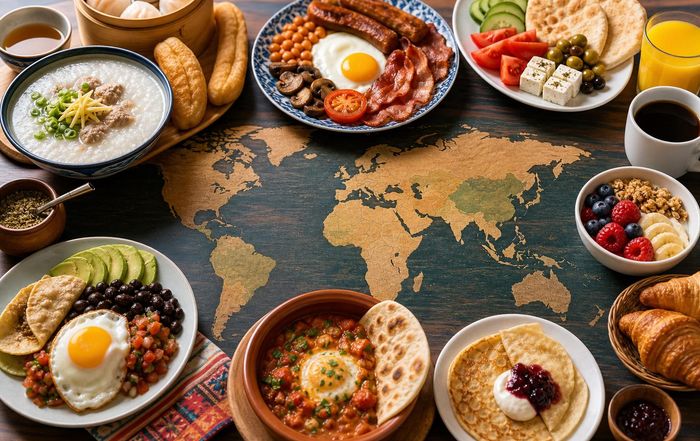
A Guide to Regional Breakfast Traditions Around the World
Morning meals offer one of the clearest windows into how people actually live. Long before visitors encounter grand monuments or famous museums, they usually meet a country through its breakfast table: what's considered nourishing, how long people linger, and who they share it with. Looking closely at regional breakfast traditions reveals not just different ingredients, but deeper patterns of climate, work, religion, trade, and social life that shape daily routines worldwide. This original guide explores how people start the day in different corners of the globe, focusing on what is typical for locals rather than what hotels serve to international tourists. It is not a checklist to "collect," but a way to understand cultures more thoughtfully-whether planning a trip, cooking at home, or simply seeing familiar foods in a new light. For jet setting individuals interested in the broader cultural context of food and travel, related perspectives on everyday life and local customs can be found in the publication's sections on travel, culture, and food.
Europe: From Coffee-and-Bread Minimalism to Hotel Buffet Myths
European breakfasts are often stereotyped as either austere (a single croissant and coffee) or lavish (the sprawling hotel buffet). Everyday reality falls somewhere in between, with marked regional differences shaped by work schedules, climate, and historical trade.
In France, the traditional weekday breakfast is light and fast. Many people still opt for tartines-slices of baguette with butter and jam-accompanied by café au lait. Pastries like croissants or pains au chocolat are more common on weekends. This pattern reflects a long-standing habit of a modest early meal followed by a substantial midday lunch. Nutrition debates in France have increasingly highlighted the importance of breakfast for children, with organizations such as Santé publique France and the World Health Organization (WHO) encouraging balanced morning meals, but cultural habits remain strong.
In Italy, breakfast (colazione) is famously built around coffee. A quick cappuccino or espresso at the bar, often with a sweet pastry like a cornetto, is standard for working adults. The brevity of this ritual reflects urban lifestyles and the centrality of cafés as social spaces. Nutrition guidance from groups such as the European Food Information Council (EUFIC) has led to some families incorporating yogurt, fruit, or cereal at home, but the bar-and-pastry model remains firmly rooted in daily life.
Further north, in countries such as Germany and the Netherlands, breakfast is more substantial and savory. A typical German Frühstück might include dense breads or rolls, sliced cheeses and cold cuts, boiled eggs, and spreads like quark or jam. Dutch and Scandinavian tables often feature rye or whole-grain breads, cheese, cold cuts, and sometimes fish-herring or smoked salmon in coastal areas. These heavier spreads historically supported manual labor in colder climates, and they continue to influence modern habits even as more sedentary office work becomes the norm. For readers interested in how food, health, and lifestyle intersect, the site's health and lifestyle sections explore these broader shifts.
In the United Kingdom, the "full English" (or full Scottish/Welsh/Irish variants) with eggs, bacon, sausages, baked beans, grilled tomatoes, mushrooms, and toast is globally famous but not an everyday meal for most people. It is more typical on weekends, in cafés, or in hotels. Weekday breakfasts often consist of toast, cereal, porridge, or yogurt, reflecting the influence of industrial-era work timetables and, more recently, globalized food marketing. Public health bodies such as NHS England (NHS) and Public Health England have promoted higher-fiber cereals and reduced sugar intake, subtly reshaping what many people consider a "normal" breakfast.
Across Europe, hotel buffets can give visitors a distorted impression of how locals eat. Buffets often merge regional elements into a pan-European spread-pastries, cold cuts, eggs, yogurt, and fruit-designed to please international guests. Travelers who want to understand local breakfast culture more authentically are often better off visiting neighborhood bakeries, cafés, or markets rather than relying solely on hotel offerings.
East Asia: Rice, Soup, and the Comfort of Warm Mornings
In much of East Asia, breakfast is warm, savory, and often built around rice or noodles, reflecting historical notions that a hot, cooked meal is more sustaining and harmonious with the body's needs at the start of the day.
In Japan, the archetypal traditional breakfast includes steamed rice, grilled fish, miso soup, pickles, and a small side such as nori (seaweed) or natto (fermented soybeans). This pattern aligns with the broader ichiju-sansai principle-one soup and three dishes-emphasizing balance and variety. While many modern households adopt quicker options like toast, yogurt, or convenience-store onigiri (rice balls), the traditional set meal still appears in ryokan inns and family homes, especially on weekends or holidays. Research from institutions such as the National Institute of Health and Nutrition Japan and long-term dietary studies summarized by the Food and Agriculture Organization (FAO) have examined links between traditional Japanese eating patterns and health outcomes, contributing to global interest in this style of breakfast.
In China, breakfast varies enormously by region but is consistently rooted in hot, savory dishes. In the north, steamed buns (mantou), stuffed buns (baozi), and savory pancakes (jianbing) are common, often bought from street vendors on the way to work. In the south, rice congee (zhou) with pickles, peanuts, or shredded meat is a staple, as are rice noodles in broth in provinces such as Guangxi and Yunnan. In many cities, soy milk and youtiao (fried dough sticks) remain iconic morning pairings. Urbanization and time pressure have fueled the growth of breakfast chains and convenience foods, prompting Chinese health authorities and organizations like the Chinese Nutrition Society to issue guidelines on reducing sodium and oil in popular morning dishes.
In South Korea, breakfast historically resembled other meals of the day: rice, soup (guk or jjigae), kimchi, and side dishes (banchan). While some families still follow this pattern, especially outside major cities, many urban households now opt for quicker Western-style breakfasts-bread, cereal, or coffee and a pastry-reflecting long work and school hours and the growth of café culture. Government agencies such as the Korea Disease Control and Prevention Agency and international bodies like the OECD (OECD) have studied changing meal patterns, including breakfast skipping among students, as part of broader concerns about nutrition and work-life balance.
Across East Asia, breakfast is also embedded in street life. Morning markets and curbside vendors selling congee, noodles, or steamed buns are not just about convenience; they serve as important social spaces where neighbors chat briefly before dispersing into the workday. For travelers interested in food as a lens on everyday society, the social dimension of these early-morning gatherings can be as revealing as the dishes themselves.
South and Southeast Asia: Spices, Street Stalls, and Rice in Many Forms
South and Southeast Asian breakfasts are among the most diverse in the world, shaped by monsoon agriculture, religious practices, and vibrant street-food cultures. Rice, lentils, and fermented batters appear in many forms, often accompanied by chutneys, curries, or sambals that would be considered lunch or dinner fare elsewhere.
In India, breakfast varies dramatically by region. In the south, dishes like dosa (fermented rice and lentil crepes), idli (steamed rice cakes), vada (lentil fritters), and upma (savory semolina) are common, typically served with coconut chutney and sambar. In the north, parathas stuffed with potatoes, paneer, or cauliflower and served with yogurt and pickles remain popular, while in western cities like Mumbai, pav bhaji or poha (flattened rice cooked with spices) are frequent morning options. Nutrition research from bodies such as the Indian Council of Medical Research and National Institute of Nutrition has highlighted the benefits of fermented and legume-based breakfasts for gut health and satiety, even as urbanization drives a rise in packaged cereals and bakery items.
In Sri Lanka, string hoppers (idiyappam), hoppers (appa), and rice with dhal or fish curry often appear at breakfast, again blurring the line between "morning" and "main" meals. Bangladesh and Pakistan feature parathas, halwa puri (fried bread with semolina halwa), and chickpea curries. These hearty dishes historically supported physically demanding work, though some public health campaigns by organizations like UNICEF (UNICEF) and local ministries now encourage lighter, more balanced options for children before school.
In Southeast Asia, rice congee or porridge is a common thread, but toppings and accompaniments vary. In Thailand, jok (rice porridge) with minced pork and egg is a classic, while in Vietnam, pho and other noodle soups are widely eaten in the morning. Indonesia offers bubur ayam (chicken congee), nasi uduk (coconut rice), or nasi goreng (fried rice) for breakfast, and Malaysia is known for nasi lemak-coconut rice with sambal, anchovies, peanuts, and egg-which many locals eat from roadside stalls or wrapped in banana leaves. These dishes reflect a climate where a substantial morning meal can help people cope with heat and humidity and where open-air food culture is central to social life.
Religious practices also shape breakfast. In majority-Muslim regions, pre-dawn meals during Ramadan (suhoor) become especially important, and in Hindu and Buddhist communities, vegetarian or ritual foods may appear on specific days. Travelers who want to understand these nuances can often benefit from broader context in resources focused on society and world affairs, which explain how food intersects with belief and daily rhythms.
The Middle East and North Africa: Bread, Olives, and Shared Platters
From the Levant to the Maghreb, breakfast is often a communal affair built around bread, olive oil, and small dishes designed for sharing. Even where workdays start early, the cultural ideal remains a table where family members or friends gather, if only briefly, over simple but flavorful foods.
In Turkey, the traditional kahvaltı is almost a small feast: white cheese and aged kaşar, olives, tomatoes, cucumbers, eggs (often menemen, scrambled with tomatoes and peppers), bread, jams, honey, and copious tea. While weekday spreads may be more modest, the weekend breakfast table-especially in cafés overlooking the Bosphorus or neighborhood streets-remains an important social ritual. The Turkish Ministry of Culture and Tourism and scholars writing for organizations like UNESCO (UNESCO) have highlighted kahvaltı as part of the country's intangible cultural heritage.
In the Levant (Lebanon, Syria, Jordan, Palestine), breakfast often features hummus, ful medames (stewed fava beans), labneh (strained yogurt), olives, cucumbers, tomatoes, and flatbread such as pita or markouk. Zaatar mixed with olive oil and spread on bread is a classic quick option. These dishes are high in legumes, healthy fats, and vegetables, aligning closely with the Mediterranean dietary pattern that researchers at institutions like Harvard T.H. Chan School of Public Health (Harvard) and Mayo Clinic (Mayo Clinic) have associated with positive health outcomes.
Across North Africa, breakfast might include flatbreads, olive oil, honey, and sometimes semolina-based dishes or harira (a hearty soup, especially during Ramadan). Mint tea is common in Morocco and neighboring countries. While urbanization and global coffee chains have introduced pastries and sweet bakery items, the centrality of bread and olive oil remains strong, reflecting long-standing agricultural patterns and trade routes that have historically linked this region to southern Europe and the Middle East.
For visitors, one of the most striking features of breakfast in these regions is the balance between simplicity and abundance. Ingredients are often humble and minimally processed, yet the variety of small dishes and the emphasis on sharing create a sense of generosity that contrasts with more individualistic grab-and-go habits elsewhere. Those interested in how such traditions intersect with environmental and sustainable food systems can explore broader themes in the site's environment and sustainable sections.
Sub-Saharan Africa: Porridges, Tea, and Market Mornings
Breakfast traditions across sub-Saharan Africa are shaped by staple grains-maize, millet, sorghum, cassava-and by the realities of work, school, and food access in both rural and urban settings. The morning meal can range from a quick cup of tea with bread to hearty porridges intended to sustain long hours of labor.
In parts of East Africa, such as Kenya and Tanzania, ugali (a stiff maize porridge) is more often eaten later in the day, but lighter maize or millet porridges, sometimes sweetened with sugar or enriched with milk, are common in the morning. Tea with milk and sugar (chai) and chapati or mandazi (fried dough) are also widely consumed, reflecting both local agriculture and historical Indian Ocean trade influences. Organizations like the World Food Programme (WFP) and UNICEF have worked with governments in the region to develop school breakfast programs based on local staples, aiming to improve attendance and concentration.
In West Africa, millet or sorghum porridges, sometimes fermented, remain important breakfast foods in rural areas. In cities like Lagos or Accra, many people buy breakfast from street vendors on the way to work: akara (bean fritters), fried plantains, bread with eggs or beans, or instant noodles. These evolving patterns reflect rapid urbanization and changing employment structures, as documented by the World Bank (World Bank) and regional research institutes. At the same time, there is growing interest in reviving traditional grains and preparation methods for their nutritional and environmental benefits.
In Southern Africa, maize-based porridges such as pap or sadza are staple foods, sometimes eaten at breakfast in a softer, more porridge-like form with milk, sugar, or peanut butter. In South Africa, urban breakfasts may also include bread, eggs, and processed cereals, mirroring globalized patterns. Public health campaigns by bodies like the South African Department of Health and global partners emphasize the importance of nutrient-dense breakfasts for children, particularly in communities facing food insecurity.
What unites many African breakfast traditions is their connection to broader questions of food security, agriculture, and social policy. Morning meals are not only about taste or habit; they are often the most reliable source of daily nutrition for children and low-income households, especially where school feeding programs operate. Readers interested in how food, education, and social equity intersect can find related coverage in the publication's education and society sections.
The Americas: From Hearty Plates to On-the-Go Culture
Breakfast in the Americas reflects a collision of Indigenous ingredients, European influences, African diasporic cuisines, and contemporary time pressures. The result is a remarkable range of traditions, from long, communal weekend meals to weekday routines built around speed and portability.
In the United States and Canada, iconic breakfast images include pancakes with maple syrup, bacon and eggs, and diner-style hash browns. In everyday life, however, many people rely on cereal, toast, yogurt, smoothies, or coffee and a pastry grabbed en route to work. Surveys summarized by organizations such as the U.S. Department of Agriculture (USDA) and Centers for Disease Control and Prevention (CDC) have documented high rates of breakfast skipping among adolescents and adults, as well as increasing interest in high-protein and lower-sugar options. The booming market for breakfast bars, ready-to-drink coffees, and fast-food breakfast menus reflects a culture in which mornings are often compressed and mobility is central.
In Mexico and much of Central America, breakfast tends to be more substantial and cooked. Chilaquiles (tortilla chips simmered in salsa with cheese and sometimes eggs or chicken), huevos rancheros, and tamales are common in Mexico, while gallo pinto (rice and beans) with eggs, tortillas, and plantains is a staple in Costa Rica and Nicaragua. These dishes often incorporate leftover rice and beans from the previous day, illustrating how breakfast can be a practical way to avoid waste and stretch household resources. Regional health ministries and organizations like the Pan American Health Organization (PAHO) have highlighted the nutritional strengths of traditional bean- and maize-based breakfasts, while also warning about the growing influence of ultra-processed foods.
In South America, many countries feature bread with spreads, cheese, or ham alongside coffee, but more distinct dishes also appear. In Brazil, pão francês (crusty rolls) with butter or cheese and strong coffee are everyday staples, while tapioca crepes and pão de queijo (cheese bread) are popular in many regions. In Colombia and Venezuela, arepas-corn cakes split and filled with cheese, eggs, or meats-are central to morning routines. These foods draw on Indigenous maize traditions while also adapting to modern urban life and street-food economies.
Across the Americas, breakfast traditions often mirror broader social inequalities. Some households enjoy leisurely brunches with specialty coffees and elaborate dishes, while others depend on low-cost, energy-dense options or school meal programs. Debates about sugar-sweetened beverages, processed cereals, and marketing to children-covered by bodies like the American Heart Association (AHA) and global health agencies-are particularly visible in this region, illustrating how the seemingly simple question of "what's for breakfast" intersects with public policy, corporate power, and long-term health.
Oceania and Island Traditions: Between Anglo Heritage and Local Ingredients
In Australia and New Zealand, breakfast reflects both Anglo-European heritage and local agricultural abundance. Toast with spreads (including iconic products like Vegemite), cereal, and fruit are common weekday options, while weekend café culture has elevated dishes such as avocado toast, "big breakfasts" with eggs and grilled meats, and smoothie bowls. Coffee culture is particularly strong in cities like Melbourne and Wellington, where flat whites and other espresso drinks are integral to the morning routine. Research and dietary guidance from organizations such as the Australian Government Department of Health and New Zealand's Ministry of Health emphasize high-fiber grains, fruit, and reduced added sugar, shaping public perceptions of what constitutes a "healthy" breakfast.
Indigenous food traditions in Oceania offer different perspectives. In parts of the Pacific Islands, breakfasts historically drew on breadfruit, taro, coconut, and fish, though imported wheat flour and processed foods now play a larger role. Public health concerns about rising rates of obesity and non-communicable diseases in the Pacific, documented by the World Health Organization and regional bodies, have prompted renewed interest in traditional, minimally processed staples for all meals, including breakfast. This tension between convenience, cost, and cultural heritage is similar to dynamics seen in other regions but plays out in distinctive ways on small island states with limited agricultural land and heavy dependence on imports.
For travelers, breakfast in Oceania illustrates how global café trends overlay deeper local histories. A flat white and avocado toast in Sydney may feel cosmopolitan and modern, but it also reflects longstanding dairy and avocado production, British colonial meal structures, and more recent waves of migration that have diversified café menus with Middle Eastern, Asian, and Mediterranean influences.
How Globalization Is Changing Breakfast
Across regions, breakfast is undergoing quiet but significant transformation. Urbanization, longer commutes, dual-income households, and the expansion of global food corporations have all reshaped how people eat in the morning. Packaged cereals, breakfast bars, instant noodles, and takeaway coffees are now common in cities from São Paulo to Shanghai. International hotel chains and social media further blur distinctions, as images of smoothie bowls, croissants, and "full English" plates circulate widely and influence expectations.
At the same time, there is a countervailing movement toward preserving and revaluing traditional morning meals. Culinary tourism encourages visitors to seek out local breakfast specialties rather than defaulting to familiar options, and food writers and researchers increasingly document regional morning dishes as part of intangible cultural heritage. Organizations like Slow Food (Slow Food) and various national heritage bodies highlight traditional breads, grains, and preparation methods that often appear first thing in the day.
Health and sustainability debates also shape breakfast choices. Concerns about ultra-processed foods, sugar intake, and environmental footprints have led some consumers to favor whole grains, legumes, and plant-based proteins-ingredients that already underpin many traditional breakfasts worldwide. As daily coverage in areas like innovation, business, and technology often shows, food companies respond with reformulated products and new marketing, sometimes aligning with public health goals and sometimes complicating them.
Ultimately, breakfast traditions are neither static nor uniform within any country. They vary by class, region, religion, age, and personal taste, constantly adapting to new circumstances while retaining echoes of the past. For travelers, paying attention to what people eat in the morning-and where, with whom, and how long they take-offers a powerful way to understand societies beyond tourist landmarks. For those at home, experimenting with a Japanese rice-and-miso set, a South Indian idli-sambar plate, or a Turkish-style spread can be a way to "open the door" to other worlds before the day has properly begun.