

The Philosophy of Minimalism in Japanese Lifestyle: A Global Lens for Modern Living
Minimalism as a Doorway to a Changing World
Now looks like minimalism has evolved from a niche aesthetic into a global conversation about how people live, work and find meaning in an increasingly complex world, and among the many cultural expressions of this movement, Japanese minimalism stands out for its unique blend of philosophy, aesthetics and everyday practicality, offering a powerful framework that resonates deeply with community readers of World's Door who are seeking more intentional approaches to health, travel, culture, lifestyle, business and technology in a rapidly changing global landscape. As consumers across the United States, United Kingdom, Germany, Canada, Australia, Japan and beyond confront the pressures of digital overload, climate anxiety and economic uncertainty, the Japanese philosophy of living with less but better provides not only visual simplicity but also a disciplined mindset that connects personal wellbeing with social responsibility and environmental stewardship, making it particularly relevant to the editorial mission of World's Door, which aims to explore how ideas move across borders and reshape everyday life.
Historical Roots: From Zen Monasteries to Modern Cities
The roots of Japanese minimalism can be traced back centuries, long before it appeared in the vocabulary of contemporary design or lifestyle media, emerging from a confluence of Zen Buddhism, Shinto beliefs and practical constraints shaped by geography and history, all of which encouraged a disciplined respect for space, resources and impermanence. In Zen practice, as articulated by institutions such as Eiheiji Temple and other historic monasteries, the emphasis on meditation, empty space and unadorned surroundings is not merely aesthetic but is designed to quiet the mind so that practitioners can focus on the present moment rather than on material accumulation, a principle that continues to influence contemporary architects and designers who draw on Zen concepts of emptiness and clarity; readers can explore how these ideas influenced modern design by examining the history of Japanese architecture through resources like the Metropolitan Museum of Art and its discussions of Zen-inspired spaces.
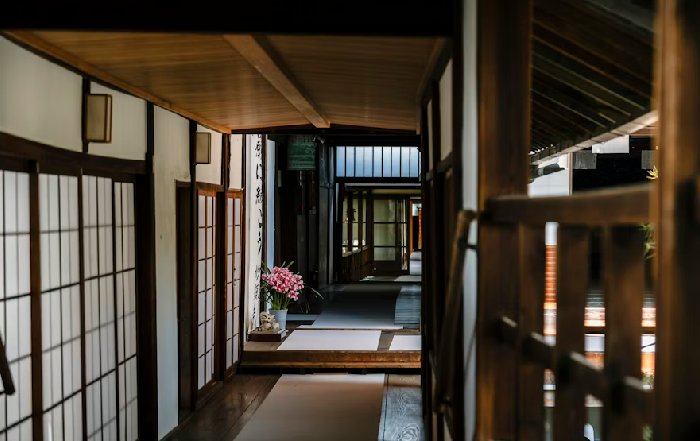
Alongside Zen, Shinto-Japan's indigenous belief system-reinforced a reverence for nature, the seasons and the spirits believed to inhabit natural objects, leading to a cultural preference for natural materials such as wood, paper and stone, and for flexible spaces that can be opened to the outdoors; historical townhouses in Kyoto and traditional tea houses demonstrate how sliding doors, tatami flooring and modular rooms allowed people to live with fewer possessions while still maintaining social rituals and hospitality, and contemporary cultural analysis from organizations like UNESCO and publications such as Japan House London highlight how these traditional forms laid the groundwork for modern minimalist thinking. Over time, periods of scarcity, particularly after World War II, further reinforced the value of resourcefulness, repair and simplicity, shaping a national sensibility that still influences how many Japanese households and businesses approach consumption and space today.
Wabi-Sabi, Ma and the Aesthetics of Less
To understand the distinctiveness of Japanese minimalism, it is essential to explore the intertwined concepts of wabi-sabi and ma, which together shape how beauty, imperfection and emptiness are perceived in Japanese culture and which differentiate this philosophy from more commercially driven minimalist trends in other parts of the world. Wabi-sabi, often described as an appreciation of transience and imperfection, invites individuals to see value in the worn, the asymmetrical and the modest, which in practice can mean preferring a single handcrafted ceramic bowl with visible firing marks over a flawless mass-produced set; design scholars and cultural historians, including those writing for institutions like the Victoria and Albert Museum, have traced how this sensibility emerged from the tea ceremony and rustic aesthetics of the 16th century and later influenced global design movements, from modernist interiors to contemporary product design.
Complementing wabi-sabi, the concept of ma refers to the meaningful use of negative space-the pause in music, the gap between objects, the interval that gives form its context-and in Japanese interiors this principle can be seen in the deliberate empty spaces between furnishings, the unadorned wall that frames a single artwork or the quiet courtyard that offers a visual and psychological break from the density of urban life. Contemporary architects such as Tadao Ando and designers associated with MUJI have drawn heavily on ma, creating spaces where light, shadow and emptiness are as important as furniture or decoration, and those interested in the architectural dimension of this philosophy can explore in-depth case studies through resources like ArchDaily which document how Japanese minimalism has influenced sustainable and human-centered design around the world.
Everyday Life in Compact Spaces: Urban Minimalism in Japan
In modern Japanese cities such as Tokyo, Osaka and Yokohama, minimalism is not only a philosophical choice but also a practical response to limited space, high real-estate prices and the demands of dense urban living, leading many households to adopt compact, multifunctional layouts that have attracted global attention from architects, urban planners and lifestyle media. Micro-apartments with lofted sleeping areas, foldable furniture and built-in storage demonstrate how thoughtful design can transform even a small studio into a functional, calm environment, and international observers often look to Japanese housing innovations as models for tackling urban density challenges in cities from New York and London to Singapore and Seoul; those exploring global urban design trends can find comparative analyses through platforms like the World Economic Forum which regularly highlight housing solutions and future-of-cities initiatives.
Within these compact homes, the practice of owning fewer but higher-quality items is central, with many residents prioritizing durable, versatile objects over disposable or purely decorative possessions, a mindset that aligns with the repair culture seen in traditional crafts such as kintsugi, the art of mending broken pottery with lacquer and gold to highlight rather than hide cracks. This emphasis on longevity and respect for objects also aligns with the growing global interest in circular economy principles and responsible consumption, themes that World's Door explores in its coverage of sustainable lifestyles, where Japanese examples often serve as compelling case studies for readers in Europe, North America and Asia seeking realistic ways to reduce waste without sacrificing comfort or style.
Minimalism and Health: Mental Clarity in a Cluttered Age
As mental health has become a central concern worldwide, particularly in the wake of the digital acceleration and social disruptions of the early 2020s, Japanese minimalism has gained renewed attention for its potential to support emotional wellbeing and cognitive clarity, especially among urban professionals and students who face constant information overload. Psychological research referenced by organizations such as the American Psychological Association has increasingly examined the relationship between clutter, stress and decision fatigue, suggesting that environments with fewer, more orderly possessions can reduce anxiety and improve focus, which aligns closely with long-standing Japanese practices of seasonal cleaning, orderly storage and spatial restraint in domestic interiors.
In Japan, the concept of seiri and seiton, principles from the 5S methodology originally developed for manufacturing efficiency, have also been adapted into personal organization practices, encouraging individuals to sort, set in order and sustain tidy environments, and these methods have been popularized globally through figures like Marie Kondo, whose approach to discarding items that do not "spark joy" has resonated with audiences from Canada to Brazil and inspired a wave of decluttering movements. For readers of World's Door interested in connecting minimalism with broader wellbeing, the platform's focus on health and balance offers contextual analysis of how simplified living, mindful consumption and intentional design can complement nutrition, exercise and digital hygiene in creating a more resilient, holistic approach to modern life.
Travel and Hospitality: Minimalism as an Immersive Experience
The philosophy of Japanese minimalism is increasingly visible in the travel and hospitality sector, where hotels, ryokan and short-term rentals across Japan and other countries are adopting pared-back design and experiential simplicity to differentiate themselves in a crowded tourism market, particularly as travelers in France, Italy, Spain, Netherlands and New Zealand seek more reflective, less crowded journeys after the travel disruptions earlier in the decade. Minimalist accommodations in Kyoto, Tokyo and rural prefectures often feature tatami rooms, futon bedding, low furniture and uncluttered communal spaces, inviting guests to slow down, disconnect from devices and engage more fully with the surrounding landscape or neighborhood, an approach that aligns with the growing interest in slow travel and wellness tourism documented by organizations such as the World Tourism Organization.
Beyond Japan, hospitality brands and boutique properties in cities like Copenhagen, Stockholm and Melbourne have drawn inspiration from Japanese minimalist aesthetics, blending them with local design traditions to create hybrid spaces that emphasize calm, natural materials and functional elegance, demonstrating how the core principles of Japanese minimalism can be adapted across cultures without losing their essence. For travelers exploring how design, culture and wellbeing intersect, World's Door regularly highlights such examples in its travel coverage, showcasing itineraries and properties where minimalism is not merely a style but a curated experience that encourages deeper engagement with place, culture and self.
Business, Innovation and the Minimalist Mindset
In the business realm, Japanese minimalism extends far beyond interior design, influencing product development, branding, operations and even corporate culture, particularly among companies that seek to balance innovation with clarity and user-centric design. Iconic brands such as Sony, Toyota and Panasonic have historically exemplified a disciplined focus on essential functionality, reliability and user experience, and this ethos continues today in sectors ranging from consumer electronics to mobility and robotics, where streamlined interfaces and intuitive layouts often reflect the same principles of clarity and restraint seen in traditional Japanese architecture. Analysts and business schools, including those associated with Harvard Business School, frequently reference Japanese management philosophies such as lean manufacturing and kaizen, which prioritize continuous improvement, elimination of waste and respect for people, all of which align closely with minimalist thinking in practice.
The influence of Japanese minimalism is also apparent in the global tech ecosystem, where product designers and entrepreneurs in Silicon Valley, Berlin, Singapore and Bangalore draw inspiration from the simplicity and human-centered focus associated with Japanese design, particularly in user interface design, hardware aesthetics and service experiences. In the broader context of World's Door and its business insights, this intersection between minimalism and innovation is increasingly relevant to executives and founders who must navigate complex markets while maintaining strategic clarity, and who see in Japanese minimalism a framework for prioritization, disciplined resource allocation and long-term brand trust in an era where consumers are overwhelmed by choices and information.
Technology and Digital Minimalism: Lessons from Japan
As digital devices, platforms and data streams occupy more of daily life across North America, Europe, Asia and Africa, the concept of digital minimalism has emerged as a response to screen fatigue and information overload, and here again Japanese perspectives on simplicity and intentionality offer valuable guidance. Japanese consumer electronics and software design have often favored clean interfaces, limited but well-curated features and a focus on reliability rather than constant novelty, a philosophy that stands in contrast to some Western platforms that prioritize engagement at all costs; technology commentators and human-computer interaction researchers, including those featured by the MIT Technology Review, have noted that such restrained design can foster greater user trust and reduce cognitive burden, particularly for older adults and professionals managing complex workflows.
In Japan, the integration of technology into everyday life has also been guided by the principle of omotenashi, or wholehearted hospitality, which emphasizes anticipating needs and removing friction rather than overwhelming users with options, and this approach is visible in everything from train station signage and payment systems to smart home devices designed for compact apartments. For readers of World's Door following advancements in technology and innovation, Japanese minimalism offers a compelling example of how digital tools can be designed to recede into the background, supporting rather than dominating human experience, and how organizations can adopt a more ethical stance toward attention, data and user wellbeing in line with emerging global standards and best practices.
Environment and Sustainability: Minimalism as Climate Responsibility
The environmental dimension of Japanese minimalism has become increasingly significant as governments, businesses and citizens confront the escalating impacts of climate change across South America, Africa, Asia-Pacific and Europe, from extreme weather events to resource scarcity and biodiversity loss. By encouraging lower consumption, longer product lifespans and a preference for quality over quantity, Japanese minimalist practices align naturally with sustainability frameworks promoted by organizations such as the United Nations Environment Programme, which advocate for reduced material throughput, circular economy models and behavioral shifts toward sufficiency rather than endless growth. Traditional Japanese building techniques, such as the use of local timber, modular design and passive climate control, also offer important lessons for contemporary architects and policymakers seeking to reduce carbon emissions from the built environment, a sector that remains one of the largest contributors to global greenhouse gases.
In everyday life, habits such as repairing items rather than discarding them, sharing tools within communities and designing multifunctional objects that reduce the need for multiple purchases all reflect a minimalist mindset that can significantly lower environmental footprints when adopted at scale. For World's Door readers who follow environmental and sustainability coverage, Japanese minimalism provides a tangible bridge between abstract climate targets and concrete lifestyle choices, demonstrating how cultural values and design traditions can support the transition to low-carbon societies in ways that feel enriching rather than restrictive, and offering inspiration for policymakers and business leaders in countries from Norway and Denmark to South Africa and Malaysia who are searching for culturally resonant narratives to support environmental action.
Ethics, Society and Education: Minimalism Beyond Aesthetics
Beyond personal lifestyle and corporate strategy, the philosophy of Japanese minimalism raises deeper ethical questions about what constitutes a good life, how societies define success and how education systems prepare future generations to navigate abundance and scarcity in a responsible manner. By emphasizing sufficiency, restraint and appreciation over accumulation, Japanese minimalism challenges dominant consumerist narratives that equate wellbeing with ever-increasing material possessions, and instead suggests that meaning can be found in relationships, craftsmanship, time and contribution to community, perspectives that resonate with ethical frameworks discussed by institutions such as the Carnegie Council for Ethics in International Affairs. In social terms, this philosophy encourages individuals and organizations to consider the externalities of their choices, from the labor conditions behind cheap products to the environmental costs of fast fashion and disposable electronics.
Educationally, integrating minimalist principles into curricula-from design schools to business programs-can help students develop critical thinking about consumption, resource use and long-term value creation, preparing them to lead organizations that balance profitability with social and environmental responsibility. For World's Door, which devotes significant attention to ethics and society as well as education and cultural change, Japanese minimalism offers a rich case study in how cultural traditions can inform contemporary debates on corporate responsibility, social equity and sustainable development, providing readers in China, India, Thailand and beyond with comparative perspectives that can be adapted to diverse local contexts.
Food, Lifestyle and the Art of Enough
The influence of minimalism in Japan is also evident in culinary culture and daily lifestyle rituals, where simplicity, seasonality and balance are often prized over excess and complexity, offering a model that appeals to health-conscious consumers across Switzerland, Netherlands, Finland and New Zealand who are increasingly attentive to nutrition, provenance and environmental impact. Traditional Japanese meals, structured around rice, miso soup, pickled vegetables and modest portions of fish or tofu, reflect a philosophy of moderation and respect for ingredients, and contemporary research cited by organizations like the World Health Organization has highlighted the health benefits associated with such dietary patterns, including lower rates of certain chronic diseases and higher life expectancy in regions such as Okinawa. The visual presentation of Japanese cuisine, with its careful arrangement and use of negative space on the plate, mirrors the broader aesthetic of minimalism, reinforcing the idea that satisfaction comes not from volume but from attention, quality and context.
In everyday lifestyle, practices such as bathing rituals, seasonal home adjustments and mindful tea or coffee preparation serve as anchors that bring calm and structure to otherwise busy schedules, embodying the minimalist principle that a few well-chosen routines can be more nourishing than a constant pursuit of novelty. For readers exploring how to translate these ideas into their own routines, World's Door offers cross-cultural perspectives on lifestyle and food and culinary traditions, demonstrating how the Japanese approach to "just enough"-in diet, decor and daily rhythm-can be adapted to different climates, work patterns and family structures without losing its core emphasis on balance and intentionality.
Japanese Minimalism as a Global Conversation, Through World's Door
As minimalism continues to evolve, Japanese philosophy and practice occupy a central place in the global dialogue about how to live well within planetary boundaries, how to design humane technologies and how to build organizations that prioritize long-term trust over short-term gains, and this dialogue increasingly crosses borders as designers, entrepreneurs, educators and policymakers in South Korea, Brazil, United States, United Kingdom and Singapore look to Japanese examples for inspiration and adaptation. The enduring appeal of Japanese minimalism lies in its refusal to treat simplicity as mere fashion; instead, it frames minimalism as a coherent worldview that integrates aesthetics, ethics, health, environment and community, offering a counterpoint to both hyper-consumption and performative austerity.
For World's Door, whose world class journalists and editorial vision covers world affairs and culture, innovation and sustainable futures and the nuanced intersections of society, technology and environment, Japanese minimalism provides a powerful lens through which to examine the choices individuals and institutions face in the coming decade. By exploring how this philosophy manifests in homes, workplaces, cities and digital spaces across regions-from Europe and Asia to Africa and North America-World's Door invites its readers not simply to admire a particular aesthetic, but to consider how the art of living with less, more intentionally, might open new doors to resilience, creativity and shared prosperity in an increasingly interdependent world.