

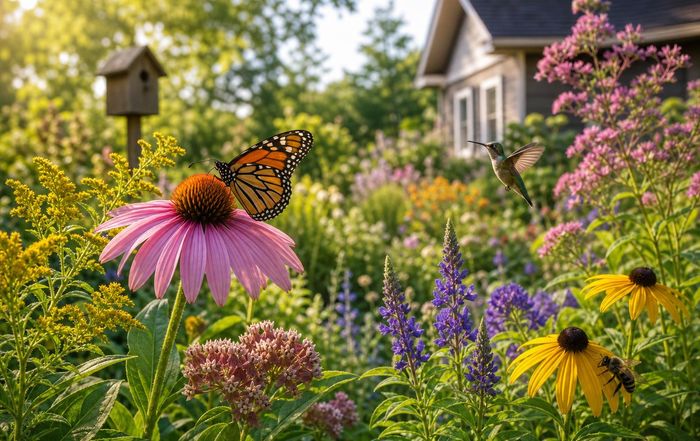
Why Native Plants Support Biodiversity in Home Gardens
Reimagining the Garden as a Living Ecosystem
Across cities and suburbs from Vancouver to Vienna and from Singapore to São Paulo, home gardens are quietly being reimagined as vital pieces of the global ecological puzzle. Instead of being treated merely as decorative outdoor rooms, they are increasingly understood as miniature ecosystems that can either fragment or restore nature. In 2026, as climate change, habitat loss, and species decline continue to concern scientists and citizens alike, a growing body of research points to one deceptively simple, hopeful intervention that ordinary households can make: planting native species.
For WorldsDoor, whose readers explore the intersections of travel, culture, health, lifestyle, environment, and innovation, the story of native plants in home gardens is more than a horticultural trend. It is a story about how personal choices in private spaces can contribute to global biodiversity, support local cultures and traditions, and reconnect individuals with the living landscapes that define their regions.
What Makes a Plant "Native" - And Why It Matters
A plant is generally considered native when it has evolved in a particular region over long periods, often thousands of years, in dynamic relationship with the local climate, soils, wildlife, and other plant species. These long coevolutionary histories shape everything from the timing of flowering and seed production to the chemistry of leaves that insects and birds rely on as food.
Organizations such as Royal Horticultural Society in the United Kingdom and National Wildlife Federation in the United States emphasize that native plants form the foundation of local food webs. In contrast, many ornamental plants imported from other continents may be visually appealing yet functionally "silent" in the ecosystem, providing little nutrition or habitat for native insects, birds, and other fauna. Research published in journals such as Biological Conservation and Ecology Letters has repeatedly shown that insect herbivores, especially specialist species, are far more likely to feed on plants with which they share an evolutionary history.
This does not mean that every non-native plant is harmful or that gardens must become museums of pre-colonial flora. Instead, the emerging scientific consensus suggests that when gardeners prioritize native species as the structural backbone of their planting designs, they significantly increase the ecological value of their plots. This ecological value translates directly into biodiversity, resilience, and a healthier environment for both humans and wildlife. Readers can explore broader environmental context and related stories on WorldsDoor Environment, where nature, climate, and human choices meet.
Native Plants and the Invisible Majority: Insects and Pollinators
The first beneficiaries of native gardens are often invisible to casual observers: insects, spiders, and other invertebrates. Yet these small creatures are the engines of biodiversity. Studies summarized by Xerces Society for Invertebrate Conservation and scientific assessments from IPBES show troubling declines in pollinators and other insects across Europe, North America, and parts of Asia and South America. Habitat loss, pesticides, and climate change are major drivers, but the replacement of diverse native vegetation with lawns and exotic ornamentals plays a significant role.
Native plants support insect biodiversity in several ways. Their leaves, nectar, pollen, and seeds are chemically and structurally suited to local insects that have adapted to digest or utilize them. Many butterflies and moths, including iconic species such as the monarch butterfly in North America and the swallowtails of Europe and Asia, have caterpillars that can feed on only a narrow range of host plants. When those host plants disappear from gardens and urban landscapes, the insects cannot complete their life cycles.
Research led by entomologist Doug Tallamy and colleagues at the University of Delaware has demonstrated that suburban yards planted predominantly with native species can support far greater caterpillar biomass and bird diversity than yards dominated by non-native ornamentals. Summaries of this work are widely discussed by conservation groups such as Audubon, which encourages homeowners to replace portions of lawn with native shrubs, trees, and wildflowers.
Pollinators, including bees, hoverflies, beetles, and butterflies, also benefit from the more continuous and seasonally appropriate nectar supply that native plants provide. In regions such as the United Kingdom and Germany, where wildflower meadows and hedgerows have been extensively reduced, initiatives highlighted by Buglife and European Environment Agency promote native flowering mixtures in gardens and urban green spaces to support pollinator networks. Readers interested in how these ecological shifts intersect with broader societal changes can find further context in WorldsDoor Society, where the relationship between communities and nature is explored in depth.
Birds, Small Mammals, and the Food Web in the Backyard
When insects flourish on native plants, birds and other wildlife follow. Songbirds rely heavily on insect protein, especially during breeding season when nestlings require abundant, high-quality food. Ornithological research summarized by organizations such as Cornell Lab of Ornithology and BirdLife International has shown that urban and suburban areas with higher native plant cover support more bird species, higher nesting success, and more complex food webs.
Native shrubs and trees, from oaks and maples in North America to hawthorns and rowans in Europe or wattles and banksias in Australia, provide not only insects but also fruits, nuts, and shelter suited to local birds and small mammals. In contrast, many ornamental exotics either produce fruit at times when it is less useful to wildlife, offer fruit with lower nutritional value, or are structurally less suitable as nesting or roosting sites. In some cases, non-native plants can even create ecological traps, luring birds with abundant fruit that may be low in essential nutrients, a concern raised by several avian ecologists.
For households in cities like London, Toronto, Sydney, or Berlin, the introduction of native hedges, berry-bearing shrubs, and structurally diverse plantings can transform a quiet yard into a thriving microhabitat. The experience of watching goldfinches, robins, chickadees, or honeyeaters forage among native plantings becomes a daily reminder that biodiversity is not an abstract global statistic but a living presence just outside the door. Such experiences also contribute to mental well-being, a connection that readers can explore further through WorldsDoor Health, where the links between nature, stress reduction, and holistic health are examined.
Climate Resilience and Low-Input Gardening
Beyond supporting wildlife, native plants offer practical advantages for gardeners concerned with water use, maintenance, and climate resilience. Because native species are adapted to local climate patterns, soil types, and seasonal rhythms, they often require less irrigation, fertilizer, and chemical intervention once established. This is especially relevant in regions facing water scarcity, heat waves, or increasingly erratic weather, from the American West and Mediterranean Europe to parts of Australia and South Africa.
Organizations such as UN Environment Programme and IPCC have highlighted the importance of nature-based solutions in climate adaptation strategies. While large-scale restoration projects tend to attract headlines, the cumulative impact of millions of small-scale gardens managed with native species can also be significant, particularly in urban areas where impermeable surfaces dominate. Native plants with deep root systems help improve soil structure, increase water infiltration, and reduce runoff, thereby mitigating flood risk and supporting urban cooling.
In North America, initiatives like Audubon's Native Plants Database encourage gardeners to choose species that are not only regionally appropriate but also climate-smart, tolerating anticipated shifts in temperature and precipitation. Similar guidance is provided in Europe by Plantlife and in Australia by state-level botanical gardens and conservation agencies. These resources reflect a broader trend toward sustainable, low-input gardening that aligns closely with the values explored on WorldsDoor Sustainable, where environmentally conscious lifestyle choices are a central theme.
Cultural Roots and the Stories Behind Native Flora
Native plants are not only ecological assets; they are also cultural touchstones. Many traditional cuisines, medicines, and crafts are intimately connected to local flora. In countries such as Italy, Spain, and France, wild herbs and greens have long been gathered from native landscapes and now find new expression in contemporary garden-to-table movements. Similarly, in Japan and South Korea, native cherry trees, maples, and grasses shape seasonal festivals and aesthetic philosophies that influence garden design.
Indigenous communities around the world have deep relationships with native plants, using them for food, ceremony, medicine, and storytelling. Organizations such as Food and Agriculture Organization of the United Nations and UNESCO have documented how traditional ecological knowledge can guide sustainable land management and biodiversity conservation. When home gardeners choose native species, they often reconnect, consciously or unconsciously, with these cultural narratives, restoring plant species that may have been marginalized by decades of standardized landscaping and globalized horticulture.
For travelers who read WorldsDoor Travel and WorldsDoor Culture, visiting botanical gardens, community projects, and rural landscapes that celebrate native plants can deepen understanding of how local identity is woven into the living fabric of the land. From the heathlands of the Netherlands to the fynbos of South Africa and the rainforests of Brazil, native flora shapes both the visual character and the intangible heritage of each place.
Urban Gardens as Corridors and Stepping Stones
One of the most powerful arguments for native plant gardening lies in its potential to counteract habitat fragmentation. As cities expand and agricultural fields intensify, natural habitats are often broken into isolated fragments. Ecologists emphasize that these fragments can only support robust wildlife populations if they are connected by corridors or stepping stones that allow species to move, feed, and reproduce across the landscape.
Home gardens, balconies, and community plots can function as such stepping stones when they include native plants and structural diversity. Research highlighted by Nature and Science has shown that urban green spaces, even when small, can significantly contribute to regional biodiversity if they are ecologically informed. Projects like the "National Park City" initiative in London and similar efforts in cities across Europe, North America, and Asia encourage residents to think of themselves as co-managers of urban nature.
By choosing native trees, shrubs, and herbaceous plants, households effectively extend the reach of nearby parks, nature reserves, and wild corridors. This distributed approach to conservation aligns with a broader shift toward citizen participation in environmental stewardship, a theme regularly examined on WorldsDoor World, where global challenges are viewed through the lens of local action and shared responsibility.
Health, Lifestyle, and the Human-Nature Connection
The benefits of native plant gardening are not limited to wildlife or climate; they also touch human health and lifestyle in meaningful ways. An expanding body of research, summarized by organizations like World Health Organization and Centers for Disease Control and Prevention, indicates that access to green spaces is associated with reduced stress, improved mood, and better overall well-being. When those green spaces are rich in biodiversity rather than monocultural lawns, the psychological and sensory benefits can be even more pronounced.
Native gardens offer dynamic seasonal changes, varied textures, and complex soundscapes of insects and birds that engage the senses and invite mindfulness. Gardeners often report a deeper sense of place and belonging when they learn to recognize and care for native species that have long been part of their region's natural history. This relationship between nature-rich lifestyles and personal fulfillment resonates strongly with themes explored on WorldsDoor Lifestyle, where everyday choices are viewed as pathways to a more meaningful life.
Moreover, native plants can contribute to healthier local food systems. While not all native species are edible, many are, and their integration into home gardens can diversify diets and support pollinators that are crucial for fruit and vegetable production. Readers interested in the intersection of food, ecology, and culture can delve deeper into these themes via WorldsDoor Food, where culinary traditions and sustainable agriculture are frequent topics.
Innovation, Technology, and the Future of Native Gardening
The rise of native plant gardening has coincided with technological and social innovations that make it easier for people to participate. Advanced plant databases, citizen science platforms, and mobile apps now help gardeners identify local species, track seasonal changes, and report wildlife sightings. Tools such as iNaturalist and region-specific native plant finders encourage collaborative learning and data sharing, turning individual gardens into nodes in a global network of environmental observation.
Horticultural science and landscape architecture have also evolved, with universities and botanical gardens experimenting with new design languages that blend ecological function with aesthetic sophistication. In Europe, North America, and parts of Asia, the "new perennial" and "wild" garden movements draw heavily on native species and naturalistic planting patterns to create landscapes that feel both contemporary and ecologically grounded. Articles and case studies on platforms like American Society of Landscape Architects and Landscape Institute highlight how designers are using native flora to shape resilient public spaces and private gardens alike.
For readers of WorldsDoor Innovation and WorldsDoor Technology, these developments illustrate how digital tools, design thinking, and ecological science converge to transform an age-old human activity-gardening-into a cutting-edge form of environmental innovation. From seed-sharing platforms to smart irrigation systems tuned to native plant needs, the home garden becomes a laboratory where technology supports, rather than replaces, natural processes.
Ethics, Responsibility, and the Power of Everyday Choices
As awareness of biodiversity loss has grown, ethical questions about human responsibility toward other species have come to the fore. Philosophers, conservationists, and policy-makers increasingly argue that protecting biodiversity is not only a scientific or economic imperative but also a moral one. Organizations like International Union for Conservation of Nature (IUCN) articulate this perspective in global frameworks, while local community groups translate it into practical action.
Choosing native plants for a home garden may seem like a small gesture, yet it embodies an ethical stance: that private property can serve public ecological goods, that aesthetic preferences can be aligned with the needs of other species, and that individuals share responsibility for the living systems that sustain them. These themes resonate with the values explored on WorldsDoor Ethics, where questions of responsibility, fairness, and care are examined in many contexts, from technology to climate justice.
By replacing resource-intensive lawns or ecologically sterile plantings with native species, gardeners affirm that beauty and responsibility need not be in conflict. In many cases, the result is a richer, more dynamic landscape that offers joy, learning, and connection to all who encounter it, human and non-human alike.
A Global Tapestry of Local Actions
From the perspective of 2026, the movement toward native plant gardening can be seen as part of a broader cultural shift. Across continents, people are seeking more authentic relationships with place, more sustainable ways of living, and more hopeful responses to environmental challenges. The choice to plant a native oak in a Canadian backyard, a wildflower meadow in a German village, a rain garden in a Singaporean apartment complex, or a fynbos-inspired border in a South African courtyard is both intensely local and quietly global.
Each of these gardens contributes a thread to a planetary tapestry of biodiversity, climate resilience, and cultural continuity. As readers explore related themes across WorldsDoor, from travel and health to environment and innovation, the message that emerges is one of interconnection. The landscapes visited on journeys, the foods enjoyed at the table, the technologies adopted at home, and the ethical choices made in daily life are all part of a single, intricate story.
Native plants in home gardens are a tangible way to participate in that story. They invite individuals and families to see their outdoor spaces not as isolated plots but as living gateways-worlds' doors, in the most literal sense-through which nature enters the everyday and through which ordinary people can, in turn, support the flourishing of life far beyond their property lines.