

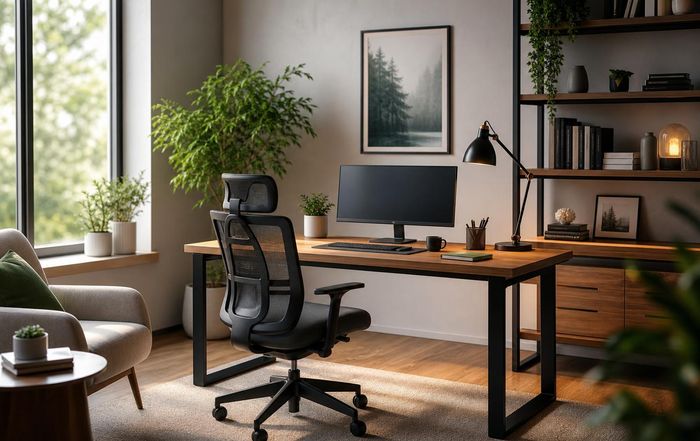
How to Design a Comfortable and Productive Home Office
Designing a home office that is both comfortable and genuinely productive has become one of the defining lifestyle challenges and opportunities of the mid-2020s. As remote and hybrid work arrangements mature and employers across North America, Europe, Asia and beyond refine flexible work policies, individuals are discovering that the quality of their workspace at home directly shapes their health, focus, creativity and long-term career satisfaction. For readers of WorldsDoor, who are curious about the intersections of travel, culture, health, lifestyle, environment, technology and sustainable innovation, the home office is no longer a temporary corner of the kitchen table; it is a personal hub where global collaboration, deep thinking and daily wellbeing converge.
This article explores how to design such a space with an emphasis on evidence-based guidance, cross-cultural insight and long-term sustainability, drawing on current knowledge available in 2026 and on the lived experiences emerging in cities from New York and London to Singapore, Berlin and Sydney.
Rethinking the Role of the Home Office in Modern Life
The home office has evolved from a functional necessity into a reflection of lifestyle and identity. Remote work adoption accelerated during the COVID-19 pandemic and, according to ongoing analysis by organizations such as the OECD and McKinsey & Company, hybrid models have remained resilient, particularly in knowledge-intensive sectors in the United States, United Kingdom, Germany, Canada, Australia and several Asian economies. As a result, the home office is now expected to support a wide range of activities: focused solo work, virtual meetings across time zones, creative ideation, professional development and even moments of digital disconnection.
Readers who follow global trends on WorldsDoor's lifestyle features will recognize that the home office is also where multiple cultural influences meet. Scandinavian minimalism, Japanese notions of calm and order, Mediterranean light and color, and North American flexibility in multi-use spaces are all shaping how people in different regions imagine their ideal work environment. This blending of aesthetics and practices highlights a central principle: a comfortable and productive home office is not a one-size-fits-all blueprint but a carefully tuned ecosystem aligned with personal habits, cultural context and professional demands.
Ergonomics as the Foundation of Comfort and Health
Any serious approach to home office design begins with ergonomics, because comfort is not simply a matter of softness or style; it is about supporting the body so that work can continue for hours without pain or strain. Guidance from organizations such as the Mayo Clinic and the U.S. Occupational Safety and Health Administration underscores that improper seating and desk setups are linked to back pain, neck strain, headaches and repetitive stress injuries, which in turn reduce productivity and increase burnout risk.
A well-designed ergonomic chair remains the cornerstone of the setup. While brands and models vary widely in price and availability across regions, the consistent recommendation from health authorities is to choose a chair that offers adjustable seat height, lumbar support, and armrests that allow the shoulders to relax while the forearms remain roughly parallel to the floor. Those seeking in-depth guidance can explore resources from the Mayo Clinic on office ergonomics, which provide practical diagrams and checklists without favoring specific commercial products.
Desk height and monitor positioning are equally important. The U.K. National Health Service and similar agencies advise that the top of the monitor should be at or slightly below eye level, with the screen about an arm's length away, so that the neck remains in a neutral position. Laptop users can achieve this by using an external keyboard and mouse combined with a stand or stack of books to raise the screen. For those who wish to alternate between sitting and standing, height-adjustable desks or converters can help, but health professionals caution that the goal is variation rather than standing all day; alternating postures and taking short movement breaks remain essential.
For WorldsDoor readers interested in wellbeing, the connection between workspace ergonomics and long-term health resonates with broader themes explored on WorldsDoor's health section, where physical, mental and social dimensions of wellness intersect. A home office that respects the body's needs becomes an investment not only in productivity but in sustainable career longevity.
Lighting, Air Quality and the Science of Focus
Beyond furniture, the sensory environment of the home office significantly shapes concentration and mood. Research summarized by Harvard Medical School and other academic institutions has shown that exposure to natural light helps regulate circadian rhythms, improves sleep quality and can enhance alertness during the day. Whenever possible, placing a desk near a window, while avoiding direct glare on the screen, offers both visual comfort and a psychological connection to the outside world.
Where natural light is limited, carefully chosen artificial lighting becomes crucial. Many designers now recommend a layered approach that combines ambient ceiling or wall lighting with task lights, such as adjustable desk lamps that provide focused illumination without harsh shadows. Neutral or slightly warm color temperatures are generally preferable for long work sessions, as very cool light can feel clinical, while overly warm light may reduce alertness. Organizations like the Illuminating Engineering Society offer technical guidance on appropriate lighting levels for workspaces, while consumer-oriented sources such as Consumer Reports provide practical comparisons of energy-efficient options.
Air quality and thermal comfort are equally important, especially in urban environments where pollution or seasonal temperature extremes can be significant. Studies referenced by the World Health Organization and U.S. Environmental Protection Agency have linked poor indoor air quality to headaches, fatigue and reduced cognitive performance, particularly when ventilation is inadequate. Simple strategies such as opening windows when outdoor conditions are favorable, using certified air purifiers where pollution or allergens are a concern, and avoiding strong chemical cleaners near the workspace can make a measurable difference. Temperature should be kept within a comfortable range, with some research suggesting that slightly cooler environments may support alertness, though individual preferences vary widely.
For those interested in environmental and health intersections, this aspect of home office design aligns with the themes covered on WorldsDoor's environment page, where indoor and outdoor ecosystems are understood as part of a single continuum affecting human wellbeing.
Digital Tools, Minimalism and Cognitive Clarity
While physical comfort lays the groundwork, digital organization and visual minimalism play an equally vital role in cognitive clarity. In an era when professionals routinely juggle messaging platforms, project management tools and video conferencing across multiple devices, the home office can easily become a site of digital overload. Studies in cognitive psychology, including work summarized by APA PsycNet and leading universities, suggest that visual clutter and constant interruptions can impair working memory and increase mental fatigue.
A productive home office therefore benefits from both physical and digital decluttering. On the physical side, closed storage solutions, cable management systems and a limited number of carefully chosen objects help maintain a sense of calm. On the digital side, grouping notifications, using focus modes available in modern operating systems and intentionally separating work and personal accounts can reduce distraction. For many remote workers, a second monitor or an ultra-wide display, when ergonomically positioned, allows for more efficient multitasking without constantly switching windows, which can reduce cognitive load.
Readers of WorldsDoor who follow developments on WorldsDoor's technology section will recognize that the most effective digital tools are those that disappear into the background, enabling deep work rather than constantly demanding attention. Cloud-based collaboration platforms from organizations such as Microsoft, Google and Atlassian continue to evolve, but the principle remains that technology should serve the workflow, not dictate it. Regular digital hygiene, including organizing files, archiving completed projects and reviewing notification settings, becomes part of designing a truly productive home office.
Cultural Aesthetics and Personal Identity in the Workspace
Beyond functionality, the home office is an expression of personal and cultural identity. In cities such as Tokyo, Copenhagen, Barcelona and Toronto, designers and remote workers are experimenting with how local traditions and global aesthetics can coexist in a single room. Japanese concepts like "ma," the intentional use of empty space, encourage simplicity and breathing room, while Scandinavian "hygge" emphasizes warmth, natural materials and a sense of coziness. Mediterranean and Latin American influences may bring in vibrant colors, plants and textured fabrics that reflect local landscapes and histories.
For WorldsDoor, whose readers are passionate about culture and travel, the home office can also serve as a curated record of journeys and cross-cultural encounters. A framed photograph from a hike in New Zealand, a small ceramic piece from a market in Morocco, or a print by a local artist from Berlin can provide visual anchors that inspire and ground daily work. The key is to select a limited number of meaningful items rather than filling every surface, so that the space remains calm while still reflecting a rich personal story.
Interior designers and psychologists alike note that personalizing a workspace can increase a sense of ownership and motivation, as long as visual elements do not become distracting. Research published in journals such as Environment and Behavior indicates that individuals who have some control over their workspace layout and decor often report higher job satisfaction and perceived productivity. This aligns with the broader theme of autonomy in modern work, which is especially relevant in 2026 as organizations across Europe, North America and Asia continue to negotiate the balance between office-based and remote work expectations.
Movement, Micro-Breaks and the Physiology of Productivity
A well-designed home office does not encourage sitting still for eight hours; instead, it invites movement and micro-breaks that sustain energy throughout the day. Health authorities such as the World Health Organization and Centers for Disease Control and Prevention consistently highlight the risks of prolonged sedentary behavior, which is associated with cardiovascular issues, metabolic problems and musculoskeletal pain. Even among individuals who meet recommended exercise guidelines, long uninterrupted periods of sitting can have negative health effects.
To counter this, experts suggest integrating short movement breaks into the workday, such as standing up every 30 to 60 minutes, stretching the shoulders and neck, or taking a brief walk around the home. Some remote workers place a yoga mat or light weights near the office area as a reminder to move, while others use sit-stand desks to vary posture. Wearable devices and smartphone apps can provide gentle prompts, but the underlying principle is simple: the home office should be designed so that movement is easy and natural rather than an afterthought.
This perspective connects directly with the holistic approach to wellbeing often explored on WorldsDoor's health coverage, where physical activity, mental focus and emotional resilience are treated as interconnected. A workspace that allows the body to move freely contributes to sustained cognitive performance and reduces the likelihood of end-of-day exhaustion.
Mental Health, Boundaries and the Psychology of Space
Designing a productive home office is not only about furniture and technology; it is also about psychological boundaries. Mental health organizations such as Mind in the UK and the American Psychological Association have emphasized that when work and personal life share the same physical environment, the risk of blurred boundaries and chronic stress increases. Without clear cues that signal the beginning and end of the workday, individuals may find themselves always "on," checking messages late into the night or struggling to detach mentally from unfinished tasks.
One of the most effective strategies is to create a dedicated workspace, even if it is a small corner of a room, that is used primarily for work. When work is finished, closing a laptop, turning off task lighting, or physically leaving that area can provide a psychological sense of closure. In smaller apartments or shared homes common in cities like Hong Kong, Paris or Amsterdam, visual dividers such as screens, curtains or bookshelves can help differentiate work and leisure zones.
In addition, incorporating elements that support mental restoration-such as a view of nature, indoor plants, or a comfortable chair for short reading breaks-can reduce stress and enhance creativity. Research summarized by The Nature Conservancy and other environmental organizations suggests that exposure to natural elements, even indirectly through indoor greenery or images of landscapes, can lower stress markers and improve mood. This is one reason why biophilic design, which integrates natural materials and patterns into built environments, has gained traction in both corporate offices and home workspaces.
For WorldsDoor readers engaged with themes of society and education, the psychological dimension of the home office also raises broader questions about how future generations will learn and work in hybrid environments, and how families can negotiate shared spaces in ways that respect both productivity and rest.
Sustainability, Ethics and the Long-Term Home Office
As environmental awareness deepens across continents, many individuals are seeking to design home offices that are not only comfortable and efficient but also aligned with sustainable and ethical values. Organizations such as the UN Environment Programme and Ellen MacArthur Foundation emphasize that responsible consumption, circular design and energy efficiency are central to addressing global climate challenges. For the home office, this translates into several practical considerations.
Choosing durable furniture made from responsibly sourced materials, such as certified wood or recycled metal, can reduce environmental impact compared with cheaper items that may need frequent replacement. Opting for energy-efficient lighting and electronics, verified by labels such as ENERGY STAR, helps lower both emissions and utility costs. When upgrading equipment, responsible disposal or recycling through manufacturer take-back programs or local e-waste initiatives prevents harmful materials from entering landfills.
Ethical concerns also extend to the social dimension of supply chains. Consumers increasingly consult independent organizations and investigative journalism from outlets like The Guardian or Reuters to understand how major technology and furniture companies treat workers and manage environmental responsibilities. While information can sometimes be incomplete or contested, a growing body of reporting and certification frameworks allows individuals to make more informed choices.
On WorldsDoor, where sustainable living, innovation and ethics are recurring themes, the home office becomes a microcosm of larger global shifts. Designing a workspace that reflects environmental and social values sends a quiet but powerful signal: productivity and comfort need not come at the expense of the planet or vulnerable communities.
Global Perspectives: Adapting Design Principles Across Regions
While the core principles of ergonomics, lighting, digital clarity and sustainability are widely applicable, the practical implementation of a comfortable home office varies across regions due to differences in housing, climate, cultural norms and economic conditions. In densely populated cities in Asia, such as Singapore, Seoul and Tokyo, limited floor space often requires multi-functional furniture and highly efficient storage solutions. Fold-away desks, wall-mounted shelves and convertible seating allow residents to maintain a professional workspace that can be reconfigured quickly for family activities.
In parts of Europe, including the Netherlands, Sweden and Denmark, strong traditions of design and environmental responsibility have fostered a market for minimalist, high-quality home office furniture that balances aesthetics with sustainability. Meanwhile, in North America and Australia, where homes may be larger on average, spare rooms are frequently converted into dedicated offices, allowing for more elaborate setups but also requiring attention to energy use and heating or cooling.
Emerging remote work hubs in countries such as Brazil, South Africa, Thailand and Malaysia are contributing their own innovations, often blending local materials, climate-responsive design and community-oriented coworking options that complement home offices. International organizations like the International Labour Organization and World Economic Forum continue to analyze how these trends affect labor markets, urban planning and social equity, highlighting both opportunities and challenges as remote work becomes more embedded in global economies.
For WorldsDoor, which connects readers from across continents on its global and world-focused pages, these diverse approaches offer a rich source of inspiration. Rather than copying a single model, individuals can adapt ideas to their own context, learning from how others navigate similar constraints and aspirations.
Food, Ritual and the Rhythm of the Workday
A comfortable and productive home office does not exist in isolation from the rest of the home; it interacts with daily rituals around food, family and rest. Nutrition experts and public health organizations such as the World Health Organization and Health Canada consistently emphasize that balanced meals and adequate hydration support cognitive performance and mood. Yet remote workers often report either grazing continuously or skipping meals altogether when work becomes intense.
Designing the home office with intentional breaks in mind can help. For example, placing a water carafe or reusable bottle within reach encourages regular hydration, while keeping the main eating area outside the office helps maintain boundaries between focused work and mealtimes. Some individuals establish mid-morning or afternoon tea or coffee rituals that mark natural pauses in the day, aligning with cultural practices from the British tea break to the Italian pausa caffè or the Scandinavian fika.
WorldsDoor's readers who enjoy exploring culinary culture through its food section may find that integrating small, mindful food rituals into the workday brings a sense of global connection and personal pleasure. The key is to avoid turning the desk into a permanent dining table, which can blur boundaries and contribute to clutter, while still acknowledging that nourishing the body is part of sustaining productive work.
Looking Ahead: The Home Office as a Living, Evolving Space
As of 2026, it has become clear that the home office is not a temporary response to a crisis but a long-term feature of how millions of people across the world live and work. Technological advances in areas such as virtual collaboration, augmented reality and AI-powered productivity tools will continue to reshape daily tasks, but the fundamental human needs for comfort, focus, movement, connection and meaning will remain. A well-designed home office is therefore not a static project completed in a single weekend; it is a living space that evolves as careers develop, families grow, and personal values deepen.
For the WorldsDoor community, which brings together travelers, creators, professionals and learners, the home office is also a portal-a "door" to the wider world. Through screens and conversations, it connects a writer in London with a designer in São Paulo, an educator in Nairobi with a researcher in Stockholm, a startup founder in San Francisco with a policymaker in Singapore. Designing this space with care is an act of respect for one's own work and for the global networks that depend on it.
Readers who wish to continue exploring related themes can delve into WorldsDoor's lifestyle insights, follow emerging innovation stories, or reflect on the ethical and societal implications of remote work through WorldsDoor's society coverage. As individuals refine their own home offices-whether in a quiet suburban room, a compact urban apartment or a shared family space-they participate in a broader cultural shift toward more flexible, human-centered and sustainable ways of working.
Ultimately, a comfortable and productive home office is not defined solely by the latest chair or device, but by how well it supports the rhythms of a meaningful life: focused effort, healthy rest, creative exploration and connection to a world that, thanks to digital bridges and thoughtful design, is never more than a few steps away.