

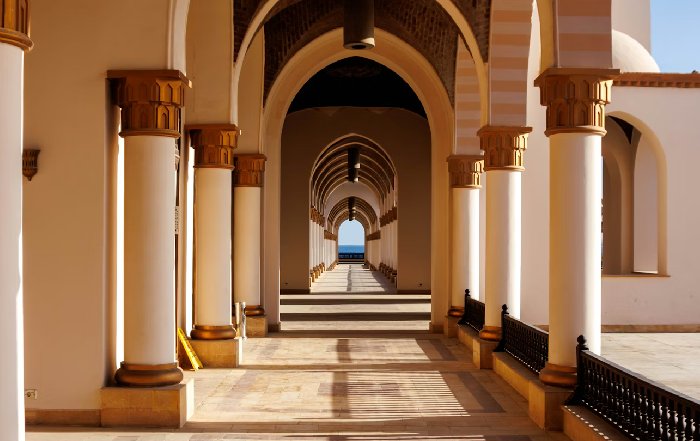
Architectural Wonders of the Modern Arab World: A New Global Horizon
A New Era of Design in the Arab World
The architectural landscape of the modern Arab world stands as one of the most compelling mirrors of global transformation, where culture, technology, sustainability and economic ambition converge in built form. From the skylines of the United Arab Emirates and Saudi Arabia to the waterfronts of Qatar, the cultural districts of Egypt and the emerging creative corridors of Morocco and Saudi Arabia's Red Sea coast, architecture has become both a strategic instrument of national identity and a practical platform for diversifying economies beyond oil, attracting talent and investment, and reshaping how people live, work and travel across the region. For readers of WorldsDoor and visitors to worldsdoor.com, these projects are not only visual spectacles but also touchpoints that connect interests in business, technology, culture, environment, lifestyle and global society into a coherent narrative of change.
While the Arab world has long been associated with historic masterpieces such as the Alhambra in Granada, the mosques of Cairo and the medinas of Fez and Marrakech, its contemporary architecture has moved decisively onto the global stage, engaging with leading international firms such as Foster + Partners, Zaha Hadid Architects, BIG - Bjarke Ingels Group, SOM (Skidmore, Owings & Merrill) and Snøhetta, while nurturing a new generation of regional designers. At the same time, institutions such as UNESCO, the World Green Building Council and the World Economic Forum increasingly reference the region's flagship developments as case studies in sustainable urbanism, cultural diplomacy and innovation-driven growth, underscoring the experience, expertise, authoritativeness and trustworthiness that serious observers now associate with this architectural renaissance.
Skyscrapers as Symbols of Ambition and Transformation
The most iconic image of the modern Arab world remains the skyline, and no discussion can begin without the enduring presence of the Burj Khalifa in Dubai. Completed by Emaar Properties and designed by SOM, this tower, which has defined the city's global brand, continues to function not only as a tourist destination but as a benchmark for engineering excellence, mixed-use planning and high-density vertical living. Visitors exploring travel perspectives on the modern city increasingly see Dubai as a living laboratory where vertical architecture shapes lifestyle, business and leisure in ways that are carefully choreographed rather than incidental.
In Saudi Arabia, the transformation is even more strategic and closely tied to the country's Vision 2030 program, which aims to diversify the economy and reposition the kingdom as a regional hub for tourism, culture and technology. The under-construction Jeddah Tower, designed by Adrian Smith + Gordon Gill Architecture, aspires to surpass the Burj Khalifa in height, but its deeper significance lies in the way it anchors a broader mixed-use district intended to attract global companies, high-net-worth residents and international visitors along the Red Sea coast. Analysts following global real estate and urban development trends through platforms such as the Council on Tall Buildings and Urban Habitat note that these megatall towers, once symbols of singular prestige, are now increasingly evaluated on their ability to integrate sustainable systems, efficient transportation and resilient infrastructure into their design.
Alongside these individual skyscrapers, entire districts are being master-planned to embody new economic and social priorities. In Dubai, the Dubai Creek Harbour development, also led by Emaar and designed with input from Foster + Partners, aims to create a lower-density but high-value waterfront district that balances iconic towers with public spaces, transit-oriented planning and environmental restoration of the historic creek area. Business leaders and policy makers who track future cities initiatives at organizations like the World Economic Forum recognize these developments as part of a broader shift from isolated megaprojects to integrated urban ecosystems that must deliver long-term value for residents, investors and governments alike.
Cultural Landmarks as Engines of Soft Power
If the skyline represents economic ambition, then the region's new museums, libraries and cultural districts represent a more nuanced form of power, one that communicates heritage, openness and intellectual capital. In Abu Dhabi, the Louvre Abu Dhabi, designed by Jean Nouvel and operated under a long-term partnership with France's Musée du Louvre, has become a flagship example of cultural diplomacy. Its distinctive dome, which filters light into intricate patterns reminiscent of palm fronds and traditional mashrabiya screens, has been widely celebrated by critics and visitors. The museum's curatorial approach, which juxtaposes artifacts from civilizations across Europe, Asia, Africa and the Arab world, aligns with global discussions on cross-cultural understanding that can be further explored through resources such as UNESCO's work on world heritage and intercultural dialogue.
Doha has likewise developed a powerful cultural portfolio. The Museum of Islamic Art, designed by I. M. Pei, and the National Museum of Qatar, designed by Ateliers Jean Nouvel, form an architectural dialogue between historical interpretation and contemporary expression. The National Museum's "desert rose" form, inspired by crystalline formations found in the Qatari desert, provides a striking example of how regional geology and landscape can inspire cutting-edge design, a theme that resonates with readers interested in culture and identity in architecture. At the same time, institutions such as Qatar Museums have expanded educational programs, artist residencies and international collaborations, reflecting a broader understanding that cultural architecture must be supported by robust programming to deliver long-term social and economic returns.
In Saudi Arabia, the King Abdulaziz Center for World Culture (Ithra) in Dhahran, designed by Snøhetta, has become a symbol of knowledge-based development. Combining a library, museum, cinema, theater and innovation labs under one sculptural form, Ithra positions itself as a platform where art, technology and entrepreneurship intersect. Observers who follow global creative economy trends through organizations like UNCTAD see such projects as critical components of national strategies to move up the value chain, nurturing local talent capable of competing in design, media and digital industries. For readers of WorldsDoor who are exploring education, creativity and future skills, Ithra offers a compelling model of how architecture can anchor holistic learning ecosystems.
Sustainable Cities and the Climate Imperative
As climate change intensifies and global frameworks such as the Paris Agreement shape national policies, sustainability has moved from being an optional design feature to a central criterion for evaluating architectural excellence. The Arab world, with its arid climates and rapid urbanization, faces particular challenges in water scarcity, heat stress and energy consumption, yet it has also become a testing ground for innovative solutions that combine traditional knowledge with advanced technology. Organizations such as the International Energy Agency and the World Green Building Council increasingly highlight the region's flagship sustainable developments as laboratories for climate-resilient design.
One of the earliest and most influential examples is Masdar City in Abu Dhabi, master-planned by Foster + Partners as a low-carbon, transit-oriented community powered by renewable energy. While its original ambition to become a fully zero-carbon city has been recalibrated over time, Masdar City continues to house research institutions, clean-tech companies and pilot projects in energy efficiency, sustainable mobility and circular economy solutions. Professionals interested in sustainable business practices can look to Masdar's evolution as a case study in how long-term vision, adaptive planning and public-private partnerships shape the reality of green urbanism in complex economic conditions.
In Saudi Arabia, the ambitious NEOM project and its linear city component, The Line, have attracted global attention for their radical rethinking of urban form. Promising a car-free, AI-enabled city stretching across the desert, The Line aims to concentrate development within a narrow footprint, preserve surrounding nature and integrate renewable energy and advanced water management systems throughout its infrastructure. While such visionary proposals are subject to intense debate among urbanists, environmentalists and human rights organizations, they also catalyze new conversations about what sustainable cities might look like if freed from the constraints of existing urban fabrics. Reports from organizations like the United Nations Environment Programme provide useful context for evaluating whether such projects can align with broader planetary boundaries and social equity goals.
Across the region, green building standards such as LEED, BREEAM and region-specific frameworks like Estidama in Abu Dhabi are increasingly embedded into regulations and procurement processes, especially for large-scale public buildings, hospitals, schools and transport hubs. For readers focused on environmental responsibility and climate resilience, the adoption of these standards demonstrates a shift from experimental sustainability to regulated practice, with measurable impacts on energy use, indoor environmental quality and long-term operational costs.
Technology, Smart Cities and Digital Integration
The modern Arab world's architectural wonders are inseparable from the technological systems that underpin them. Smart city platforms, sensor networks, AI-driven building management and advanced materials are transforming how buildings are designed, constructed and operated, aligning with global trends documented by organizations such as the OECD and McKinsey Global Institute. For a readership deeply engaged with technology and innovation, the region's new urban districts offer concrete examples of digital transformation at scale.
In Dubai, the Smart Dubai initiative and the Dubai Future Foundation have supported the integration of digital twins, blockchain-based property registries and autonomous mobility pilots into new developments, turning the city into a testbed for technologies that reshape real estate and urban services. High-profile projects such as the Museum of the Future, designed by Killa Design, combine parametric architecture, advanced façade engineering and immersive digital experiences to create environments where the building itself becomes a narrative device for technological possibility. Readers who wish to explore broader analyses of smart cities can consult resources from the International Telecommunication Union, which provides frameworks and case studies on data governance, interoperability and citizen-centric design.
In Saudi Arabia, NEOM and other giga-projects such as Qiddiya and the Red Sea Project are being conceived from the outset as digitally integrated environments, where infrastructure, utilities and mobility are managed through centralized platforms. This approach, while promising efficiency and personalization, also raises critical questions about privacy, data ownership and algorithmic governance, issues that resonate with contemporary debates on tech ethics and digital rights. For those interested in the ethical dimension of innovation, WorldsDoor's reflections on technology and society provide a valuable lens through which to interpret these developments.
The deployment of Building Information Modeling (BIM), modular construction and robotics in construction sites across the Gulf further illustrates how the region is leveraging technology to accelerate delivery, improve quality and enhance worker safety. Reports from industry bodies such as RICS (Royal Institution of Chartered Surveyors) and The Institution of Civil Engineers highlight the Gulf as a region where large-scale projects provide the volume and investment necessary to test and refine these technologies, generating knowledge that can be applied in North America, Europe, Asia and beyond.
Balancing Tradition and Modernity in Design
One of the defining characteristics of the Arab world's contemporary architecture is its ongoing negotiation between tradition and modernity. Architects and planners are increasingly sensitive to the risk of producing anonymous glass-and-steel skylines that could be located anywhere from Singapore to Toronto, and instead seek to embed local culture, climate-responsive design and social patterns into their work. For readers of WorldsDoor's lifestyle and culture coverage, this interplay between heritage and innovation is central to understanding how people experience these spaces in daily life.
In many Gulf cities, modern interpretations of traditional elements such as courtyards, wind towers (barajeel), mashrabiya screens and shaded arcades are being integrated into residential and commercial developments to improve natural ventilation, reduce solar gain and create comfortable microclimates for pedestrians. Research from organizations like the American Institute of Architects and RIBA (Royal Institute of British Architects) underscores how vernacular architecture, developed over centuries in response to local conditions, provides valuable lessons for contemporary sustainable design, particularly in hot and arid regions.
Projects such as the Msheireb Downtown Doha redevelopment exemplify this approach, combining dense, walkable urbanism with contemporary reinterpretations of Qatari architectural typologies. The district's focus on human-scale streets, shaded public spaces and mixed-use buildings stands in contrast to earlier car-centric planning models and has been recognized by international design awards for its integration of heritage, sustainability and modern living. Travelers and professionals interested in urban culture and evolving city life often cite Msheireb as a model for how historic city centers across Europe, Asia and Africa might be revitalized without sacrificing identity.
In Morocco, new developments in cities like Casablanca and Rabat are experimenting with similar strategies, drawing on the country's rich tradition of courtyard houses, intricate tilework and craftsmanship while incorporating contemporary materials and structural systems. International organizations such as ICOMOS emphasize the importance of such approaches in preserving intangible cultural heritage, ensuring that modernization does not erase the skills and social practices that give places their distinctive character.
Tourism, Hospitality and Experiential Architecture
The modern Arab world's architectural wonders are also powerful catalysts for tourism, hospitality and experiential travel, sectors that many regional economies see as central to long-term diversification strategies. For readers exploring global travel trends and destination experiences, the region's hotels, resorts and cultural districts offer insights into how architecture shapes not only physical spaces but also narratives of place.
High-profile hospitality projects such as the Burj Al Arab in Dubai, the desert resorts of Abu Dhabi's Liwa Oasis, and the coastal developments along Oman's shoreline demonstrate how luxury experiences are being crafted through a combination of dramatic settings, architectural spectacle and curated cultural programming. Tourism boards and organizations such as the World Travel & Tourism Council emphasize that architecture plays a crucial role in differentiating destinations, particularly as travelers from the United States, United Kingdom, Germany, Canada, Australia and Asia seek experiences that combine comfort with authenticity and environmental responsibility.
In Saudi Arabia, the opening of heritage sites such as AlUla, with its monumental rock formations and Nabatean tombs, has been accompanied by carefully designed visitor centers, eco-lodges and cultural venues that aim to protect the fragile landscape while providing high-quality amenities. International conservation bodies including UNESCO and the International Council on Monuments and Sites have worked with local authorities to ensure that development respects archaeological integrity and community needs, highlighting how responsible architectural intervention can enhance, rather than overwhelm, sensitive environments.
The growth of food-centric destinations, markets and culinary districts across cities like Dubai, Doha and Riyadh also reflects an understanding that architecture must support evolving lifestyle patterns, including the rise of gastronomic tourism. For readers with an interest in food culture and social spaces, these developments illustrate how restaurants, markets and food halls are increasingly designed as immersive environments that blend design, storytelling and local sourcing.
Social Impact, Ethics and Inclusive Urbanism
Behind the striking facades and ambitious master plans, there is an evolving conversation about ethics, social impact and inclusiveness within the region's architectural practice. Large-scale construction has historically raised concerns about labor conditions, displacement and unequal access to high-quality urban environments, and in recent years, governments, developers and civil society organizations have come under growing scrutiny from international bodies such as the International Labour Organization and human rights groups. For readers engaged with societal change and ethical development, this dimension is critical to assessing the true legacy of the region's architectural boom.
Regulatory reforms in countries such as the United Arab Emirates, Qatar and Saudi Arabia have introduced new labor protections, wage standards and dispute resolution mechanisms, though enforcement and implementation remain uneven and subject to ongoing monitoring. At the same time, there is increasing recognition that successful cities must provide quality public spaces, affordable housing and accessible services for a broad spectrum of residents, not only for tourists and high-income professionals. International frameworks such as the UN-Habitat New Urban Agenda provide benchmarks for inclusive, safe and resilient cities, and regional planners are gradually integrating these principles into housing policies, transport planning and community development.
Educational institutions across the region, including architecture schools in Dubai, Doha, Riyadh, Cairo and Beirut, are expanding curricula to include sustainability, social impact and participatory design, reflecting a shift in professional values toward more holistic and ethical practice. For those tracking the evolution of design education and professional standards, WorldsDoor's coverage of innovation and learning offers perspectives on how this next generation of architects and planners may reshape the region's built environment with a stronger emphasis on equity and long-term stewardship.
The Writing of WorldsDoor in Interpreting This Great Transformation
As these architectural wonders continue to reshape skylines, economies and cultural narratives across the Arab world, 100% newly created sites like WorldsDoor play an increasingly important role in connecting eager member audiences to the deeper stories behind the images. For business leaders evaluating investment opportunities, policy makers seeking models of sustainable urbanism, travelers planning their next destination, or students exploring the intersection of culture, technology and society, WorldsDoor's business insights, cultural analysis and global perspectives provide curated, trustworthy context that moves beyond surface impressions.
By bringing together threads from health, travel, lifestyle, environment, innovation, ethics, society, education and food, WorldsDoor offers a multidimensional lens on the modern Arab world's architectural evolution, recognizing that buildings are not isolated objects but nodes in complex networks of people, ideas and resources. As the region continues to invest in sustainable infrastructure, smart-city technologies, cultural institutions and inclusive urban policies, the need for informed, balanced and authoritative commentary will only grow, particularly for audiences in the United States, United Kingdom, Germany, Canada, Australia, France, Italy, Spain, Netherlands, Switzerland, China, Japan, South Korea, Singapore, Brazil, South Africa and beyond, who see the Arab world not as a distant abstraction but as an integral part of the global future.
So now the architectural wonders of the modern Arab world stand at a crossroads between aspiration and accountability, spectacle and substance, innovation and responsibility. Through careful observation, critical analysis and a commitment to experience, expertise, authoritativeness and trustworthiness, WorldsDoor continues to open a window onto this evolving landscape with it's always up-to-date, expert knowledge guides, inviting readers to engage with the region not only as observers of striking buildings but as participants in an unfolding story of how societies everywhere imagine and construct their shared future.