

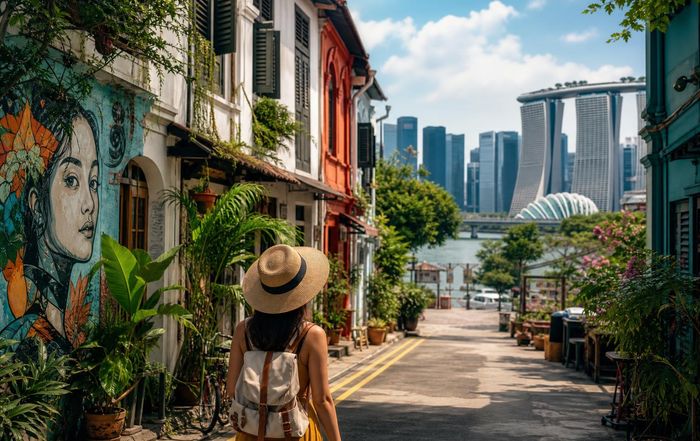
How to Explore Singapore Beyond the Main Attractions
Singapore is often introduced to the world through a familiar set of images: the soaring profile of Marina Bay Sands, the futuristic trees of Gardens by the Bay, the bustle of Orchard Road, and the heritage charm of Chinatown and Little India. These landmarks are deservedly famous, yet they represent only a fraction of what this compact island-nation offers the curious traveler. For the happy travel bug visitors, whose interests cover travel, culture, health, lifestyle, environment, technology, food, society, education, sustainability, innovation and business, Singapore rewards a slower, more attentive approach that reveals its nuanced character and its ongoing evolution.
This article invites travelers to move beyond the well-trodden circuit and discover the neighborhoods, green corridors, cultural enclaves and creative spaces that define contemporary Singapore. It also highlights how Singapore's quieter corners embody themes that matter deeply to WorldsDoor's community: resilient health and lifestyle choices, innovative sustainability, thoughtful urban design, and a cosmopolitan culture shaped by Asia and the world.
Rethinking Singapore: From Stopover City to Slow Travel Destination
For decades, Singapore has been marketed as a convenient stopover between long-haul flights, a place to spend a night or two, enjoy efficient transport and sample hawker food before heading elsewhere in Asia. This reputation is not unfounded; Changi Airport, consistently ranked among the world's best by sources such as Skytrax and reported widely by outlets like BBC Travel, makes transit feel seamless, and the city's compactness encourages quick itineraries.
Yet a growing body of commentary from travel writers and urbanists, including features in National Geographic and The Guardian Travel, has begun to frame Singapore as a model for livable urbanism and a destination in its own right. The city-state's investments in public housing, green infrastructure, cultural institutions and community spaces present a compelling case study for visitors interested not just in sightseeing but in understanding how cities can function more sustainably and inclusively.
For travelers following the broader exploration of global travel and world affairs, Singapore offers a chance to observe how policy, culture and everyday life intersect in a dense, diverse and highly connected society.
Neighborhoods with Character: Walking Beyond the Skyline
Leaving the central business district and the iconic bayfront behind, the best way to encounter Singapore's subtler charms is on foot, moving through residential districts and historic quarters where daily life unfolds at a more human scale.
Tiong Bahru: Art Deco Heritage and Everyday Rituals
Tiong Bahru, one of Singapore's oldest public housing estates, has become a touchstone for how the city balances heritage, gentrification and community. Built largely in the 1930s and 1940s, the neighborhood's low-rise, whitewashed blocks exhibit Art Deco and Streamline Moderne influences that contrast sharply with the glass towers nearby. Conservation efforts, documented by institutions such as the Urban Redevelopment Authority, have preserved much of this architectural fabric.
Visitors who wander its curved streets in the early morning encounter a distinctly local rhythm: residents queuing for traditional breakfasts at kopitiams, seniors practicing tai chi in open courtyards, and small grocers setting out produce. Independent bookstores, design studios and cafes have moved into ground-floor units, creating a creative ecosystem that appeals to younger Singaporeans and international visitors alike, yet the area still feels lived-in rather than staged.
For readers interested in lifestyle trends and the intersection of design and community, Tiong Bahru exemplifies how historic public housing can be adapted without losing its social texture.
Joo Chiat and Katong: Peranakan Heritage by the Sea
On the eastern side of the island, the Joo Chiat and Katong districts reveal Singapore's Peranakan heritage, a culture that blends Chinese, Malay and, historically, European influences. Rows of pastel-colored shophouses with ornate facades and intricate tiles line streets such as Koon Seng Road, many of them protected as conservation areas. The National Heritage Board provides context on this rich cultural tapestry, which can be explored further via the Roots.gov.sg heritage portal.
While some storefronts cater to Instagram-driven tourism, others remain family-run bakeries, textile shops and eateries serving classics such as laksa and kueh. Rather than rushing through for photographs, visitors who take time to sit in a neighborhood coffee shop, talk with proprietors and observe how old and new residents share the space gain a more layered understanding of Singapore's multicultural identity.
Those curious about how culture shapes everyday life can delve deeper through WorldsDoor's coverage of global cultures, where Singapore often appears as a case study in coexistence and adaptation.
Kampong Glam: Islamic Heritage and Creative Enterprise
Kampong Glam, anchored by the golden dome of Sultan Mosque, is another area where tradition and contemporary creativity coexist. Historically the seat of Malay royalty and a center for the Muslim community, it remains home to religious institutions, traditional textile merchants and halal eateries, while also hosting design studios, galleries and small music venues.
Streets such as Haji Lane and Arab Street have been widely covered by travel media for their colorful murals and boutique shops, yet the deeper story lies in how younger entrepreneurs, many of them from the region, are experimenting with sustainable fashion, ethical crafts and social enterprises. Reports by outlets like Channel NewsAsia have highlighted how these businesses navigate rising rents and heritage regulations while trying to maintain authenticity.
For readers exploring ethical business and society, Kampong Glam offers a microcosm of the challenges and opportunities facing small enterprises in a globalized city.
Green Corridors and Blue Spaces: A City in a Garden
Singapore's transformation into a "City in a Garden" is widely documented by organizations such as the Centre for Liveable Cities and international platforms like UN-Habitat. Beyond flagship spaces like Gardens by the Bay and the Botanic Gardens, the city's quieter green corridors and waterways provide opportunities for restorative, health-enhancing exploration.
Rail Corridor: Walking the Island's Memory Line
The Rail Corridor, a 24-kilometer stretch of former railway line that once connected Singapore to the Malay Peninsula, has been progressively transformed into a continuous green trail. According to planning documents from the National Parks Board (NParks), the project aims to preserve biodiversity, heritage and connectivity, while giving residents and visitors a linear park that runs through diverse neighborhoods.
Walking segments of the corridor, particularly around the conserved Bukit Timah Railway Station and the steel truss bridges, allows travelers to experience a rare sense of openness in this dense city. The route passes through secondary forest, community gardens and residential areas, inviting impromptu stops at local eateries and markets. Health researchers, including those referenced by the World Health Organization, have long linked access to green spaces with improved mental well-being, and the Rail Corridor exemplifies how urban design can embed such benefits into daily life.
Readers interested in holistic wellness can find complementary insights in WorldsDoor's health coverage, which often highlights the importance of nature in urban lifestyles.
Southern Ridges and Lesser-Known Parks
The Southern Ridges, a chain of parks connected by elevated walkways and iconic bridges such as Henderson Waves, is not exactly a secret, but it remains less crowded than central tourist areas, particularly on weekdays and in the early morning. From Mount Faber to Kent Ridge Park, the trail offers sweeping views of the port and the southern islands, with interpretive signage explaining the area's wartime history and ecology.
Beyond these well-publicized trails, Singapore's park network includes quieter spaces such as Coney Island Park, Labrador Nature Reserve and various neighborhood parks that seldom appear in international itineraries. Environmental organizations, including the World Wide Fund for Nature (WWF), have noted Singapore's efforts to integrate biodiversity corridors into urban planning, even as they caution that habitat fragmentation and regional environmental pressures remain ongoing concerns.
For WorldsDoor readers passionate about environmental issues and sustainable futures, these parks provide tangible examples of how a small, dense country can still prioritize ecological resilience.
Blue Spaces: Waterfronts, Reservoirs and Coastal Boardwalks
Singapore's waterways and reservoirs, many of them part of the Active, Beautiful, Clean Waters program spearheaded by the national water agency PUB, have been gradually opened up to recreation. The Marina Barrage, for example, functions both as a flood control structure and as a public green roof, while reservoirs such as MacRitchie, Lower Peirce and Bedok provide scenic routes for kayaking, jogging and forest-edge walks.
Urban planners and environmental engineers, including experts cited by MIT's Urban Studies and Planning community, have highlighted Singapore's integrated water management as a model for other cities, especially in the context of climate adaptation. For travelers, these blue spaces represent an opportunity to experience the city's tropical climate in a more relaxed setting, away from air-conditioned malls and conference halls.
Food Beyond the Famous Hawker Centers
Singapore's hawker culture, inscribed on UNESCO's Representative List of the Intangible Cultural Heritage of Humanity in 2020, is widely celebrated and covered in depth by platforms such as UNESCO and CNN Travel. Well-known centers like Lau Pa Sat and Maxwell Food Centre appear in nearly every guidebook, but those seeking a more local experience can venture into neighborhood hawker centers and markets that rarely feature in international rankings.
Neighborhood Hawker Centers and Wet Markets
In heartland districts like Toa Payoh, Ang Mo Kio, Bedok or Clementi, hawker centers sit alongside wet markets and community facilities, forming social hubs where residents gather for affordable meals and conversation. The Singapore Food Agency (SFA) oversees food safety and licensing, while municipal town councils manage operations, resulting in relatively high standards of cleanliness and variety.
Exploring these centers allows visitors to observe intergenerational interactions, from retirees reading newspapers over kopi to schoolchildren sharing snacks after classes. It also reveals the diversity of cuisines that reflect Singapore's ethnic mosaic and its connections to neighboring Malaysia, Indonesia, India and China. Food writers from outlets like Eater and The Straits Times frequently profile stallholders who have carried on family recipes for decades, as well as younger chefs who are reinterpreting traditional dishes.
Readers who follow WorldsDoor's food and lifestyle coverage will recognize in Singapore's hawker centers a living example of how food can sustain cultural memory while adapting to changing tastes and health considerations.
Evolving Food Culture: Sustainability and Health
In recent years, there has been a growing focus on sustainability and health in Singapore's food scene. Urban farms, rooftop gardens and alternative protein startups have emerged, supported by initiatives such as the Singapore Food Story R&D Programme, which aims to enhance food security and innovation. Organizations like A*STAR and the Singapore Food Agency have published updates on research into cell-based meats, plant-based proteins and controlled-environment agriculture.
At the consumer level, healthier-choice labels promoted by the Health Promotion Board (HPB) encourage reduced sugar and sodium intake, while some hawker stalls and cafes now offer whole-grain options and plant-forward menus. Travelers interested in how cities respond to global health and climate challenges can observe these shifts firsthand, noting how public policy, business innovation and individual choices intersect.
WorldsDoor's readers, particularly those exploring innovation and business trends, will find Singapore's food ecosystem a compelling case study in how technology and tradition can coexist in pursuit of resilience.
Arts, Culture and Everyday Creativity
While major institutions such as the National Gallery Singapore and the Esplanade - Theatres on the Bay are rightly celebrated, Singapore's cultural life extends far beyond ticketed performances and blockbuster exhibitions. For travelers willing to look beyond marquee events, the city's smaller galleries, community arts centers and public spaces offer intimate encounters with local perspectives.
Independent Galleries and Community Arts Spaces
Neighborhoods like Gillman Barracks, once a colonial military camp, now host clusters of contemporary art galleries that showcase both regional and international artists. Reports in outlets such as ArtAsiaPacific and The Art Newspaper have documented the evolution of this enclave, noting the challenges of building a sustainable collector base while engaging wider audiences.
At a more grassroots level, community arts spaces, libraries and even void decks in public housing estates often host pop-up exhibitions, workshops and performances supported by the National Arts Council (NAC). These initiatives aim to make art accessible beyond traditional venues, reflecting a broader policy emphasis on cultural participation rather than mere consumption.
Readers exploring WorldsDoor's focus on society and education and learning in urban contexts will recognize in these efforts a commitment to lifelong learning and civic engagement.
Street Art, Public Installations and Everyday Expression
Singapore's reputation for orderliness sometimes leads outsiders to assume that spontaneous creativity is limited, yet a closer look reveals a growing presence of street art, sanctioned murals and interactive public installations. Areas such as Kampong Glam, Little India and parts of Chinatown feature large-scale works that reflect local histories and social issues, often developed in consultation with community stakeholders.
Urban observers, including contributors to CityLab and Monocle, have noted how such interventions can soften the edges of high-density development, providing visual interest and a sense of place. For travelers, taking time to notice these details-rather than rushing from one attraction to another-can be a powerful way to connect with the city's evolving identity.
Innovation, Sustainability and the Future City
Singapore's global reputation as a hub for technology and innovation is well documented by organizations such as the World Economic Forum and research institutions like INSEAD. However, beyond statistics and rankings, the city's innovation story becomes tangible in specific districts, pilot projects and everyday services that visitors can experience.
Smart Nation in Everyday Life
The Smart Nation initiative, launched by the Singapore government, aims to integrate digital technologies into transportation, healthcare, urban planning and public services. According to official updates on Smart Nation Singapore, this includes open data platforms, experimental autonomous vehicle trials, and digital identity systems designed to streamline interactions with government and businesses.
For visitors, the implications are visible in the ease of navigating the city via contactless payments, real-time public transport apps and integrated wayfinding tools. At the same time, local discussions, reported by outlets like The Straits Times and Today Online, highlight concerns about data privacy, digital inclusion and the human dimensions of technological change. These debates mirror global conversations that WorldsDoor tracks in its technology and ethics coverage, underscoring that innovation is as much about governance and trust as it is about hardware and software.
Urban Sustainability and Climate Adaptation
Singapore's vulnerabilities to sea-level rise, heat stress and regional environmental pressures have prompted extensive investment in climate adaptation and sustainability. The Singapore Green Plan 2030, detailed on official government portals and analyzed by think tanks such as the International Institute for Sustainable Development, outlines targets for green energy, waste reduction, transport and nature-based solutions.
Projects like the development of eco-towns such as Tengah, with car-lite planning and integrated greenery, or the continued greening of industrial estates, provide concrete examples of how sustainability goals are being translated into the built environment. For travelers, these initiatives may be less visible than iconic attractions, yet they shape the experience of moving through shaded streets, breathing relatively clean air, and enjoying reliable public transport in a tropical metropolis.
WorldsDoor's dedicated pages on sustainability and innovation often reference Singapore as a laboratory for such approaches, while also acknowledging that the city's high resource consumption and reliance on global supply chains remain subjects of ongoing scrutiny by environmental researchers and NGOs.
Practical Ways to Experience Singapore Differently
Exploring Singapore beyond its main attractions does not require exclusive access or specialized tours; rather, it calls for a shift in mindset from checklist tourism to attentive, place-based travel. Several practical strategies can help visitors engage more deeply with the city's fabric.
Choosing to stay in residential neighborhoods such as Tiong Bahru, Joo Chiat or Novena, rather than only in the downtown core, allows travelers to experience local markets, parks and cafes at different times of day. Many smaller hotels and guesthouses in these areas are documented and reviewed on platforms like Booking.com and Tripadvisor, which can be cross-referenced for reliability.
Using the extensive public transport network, including buses and the Mass Rapid Transit (MRT) system, not only reduces environmental impact but also provides insight into daily commuting patterns and the diversity of the population. The Land Transport Authority (LTA) offers up-to-date maps and service information, while independent commentators often highlight how Singapore's transport policies contribute to its livability rankings.
Taking part in community-led tours, workshops or volunteering opportunities, when available, can offer more authentic engagement than large commercial excursions. Organizations such as the Singapore Heritage Society (singaporeheritage.org) and various neighborhood associations sometimes host walks and talks that delve into local histories and contemporary issues. While availability and formats may change, especially in response to public health considerations, such initiatives underscore the value of resident voices in shaping narratives about the city.
Finally, allowing time for unstructured exploration-sitting in a hawker center during off-peak hours, walking along the Rail Corridor without a fixed endpoint, or visiting a neighborhood library-can reveal aspects of Singapore that do not appear in promotional materials but define its lived reality.
Singapore and WorldsDoor: A Shared Curiosity About the Future
Singapore continues to balance its roles as global financial hub, logistics center, cultural crossroads and experimental ground for urban innovation. For the WorldsDoor kind travel community, which looks at travel as a gateway to understanding broader societal trends, the city offers more than a collection of attractions; it serves as a lens through which to consider how cities worldwide might navigate the intertwined challenges of climate change, demographic shifts, technological disruption and cultural preservation.
Exploring Singapore beyond its main attractions means seeking out the spaces where these dynamics are most visible and most human: in the conversations at a neighborhood hawker stall, the quiet of a park at dawn, the murals that reinterpret local myths, the pilot projects that test new mobility solutions, and the everyday interactions in public housing estates that house the majority of the population. It involves recognizing that behind the polished skyline lies a complex, evolving society whose experiences resonate with debates unfolding across North America, Europe, Asia, Africa and South America.
WorldsDoor's ongoing daily happy thinking coverage of travel, culture, health and lifestyle, environment, technology and global society will continue to follow how Singapore and cities like it respond to emerging challenges and opportunities. For travelers ready to move beyond postcards and bucket lists, Singapore invites a different kind of journey-one that rewards curiosity, patience and a willingness to see a familiar destination with new eyes.