

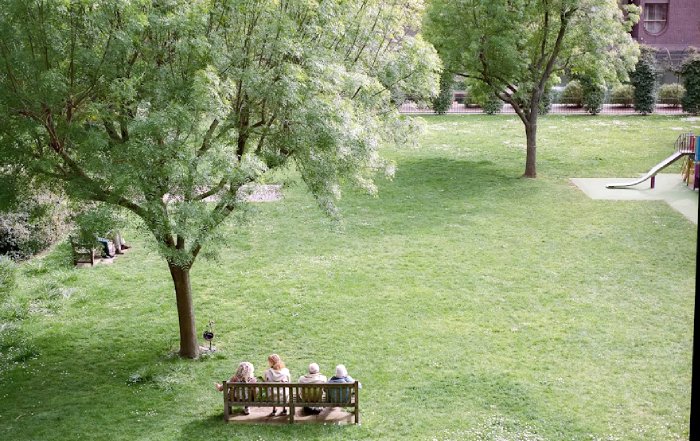
Urban Green Spaces Transforming City Life
Urban Nature as a Strategic Asset, Not a Luxury
Urban green spaces have moved from being perceived as aesthetic enhancements to being recognized as core infrastructure that underpins public health, economic competitiveness, social cohesion and climate resilience. Around the world, city leaders, investors and citizens increasingly understand that parks, tree-lined streets, green roofs and blue-green corridors are not simply amenities but essential systems that make dense urban living viable and attractive. For WorldsDoor and its global audience, this transformation is not an abstract policy discussion; it is reshaping how people in Berlin, Chicago, Toronto, Sydney, Paris, Milan, Barcelona, Amsterdam, Zurich, Auckland and beyond experience their daily lives, make business decisions and plan for the future.
As leading institutions such as the World Health Organization highlight the connection between access to nature and mental wellbeing, and organizations like UN-Habitat emphasize nature-based solutions in urban planning, green infrastructure is becoming a central pillar of modern city strategy. In this context, WorldsDoor positions itself as a gateway to understanding how these shifts intersect with health, travel, culture, lifestyle, business, technology, environment, ethics and society, curating insights that help readers navigate a rapidly changing urban world. Readers seeking broader context on global urban developments can explore the platform's dedicated perspectives on the world and business of cities in transition.
Health and Wellbeing: Nature as Urban Medicine
A growing body of research from organizations such as the World Health Organization and Centers for Disease Control and Prevention demonstrates that access to green space reduces stress, lowers blood pressure, improves cardiovascular health and supports better mental health outcomes, particularly in densely populated cities where sedentary lifestyles and chronic stress are prevalent. Studies in the United States, United Kingdom, Germany and Japan increasingly show that even modest exposure to urban nature, such as tree-lined streets or pocket parks, can reduce anxiety and depression symptoms, while more sustained interaction with green areas is linked to lower rates of obesity and improved respiratory health.
In 2026, many city governments have begun to treat parks and urban forests as preventive health infrastructure, integrating them into public health strategies and cross-departmental planning. Health agencies in Canada, Australia and the Netherlands are collaborating with urban planners to ensure that residents live within a short walk of high-quality green spaces, recognizing that equitable access can help ease pressure on healthcare systems. For readers interested in the intersection of wellbeing, environment and daily life, WorldsDoor offers expanded coverage of health and wellness trends, exploring how urban design choices influence physical and mental resilience.
At the same time, global health crises over the past decade have underlined the importance of outdoor spaces where people can exercise, socialize and work in safer, open-air environments. As organizations like Public Health England and Health Canada provide guidance on urban resilience, cities from Singapore to Stockholm are rethinking how parks, waterfronts and green corridors can serve as flexible spaces for community activity during both normal times and emergencies. Professionals and policymakers increasingly draw on resources from institutions such as the National Institutes of Health and European Environment Agency to design evidence-based interventions, reinforcing the perception of green space as a critical health determinant rather than a discretionary amenity.
Culture, Identity and the New Urban Commons
Urban green spaces have also become powerful stages for cultural expression, local identity and social inclusion. In cities as diverse as Berlin, Cape Town, São Paulo and Seoul, parks and community gardens are evolving into modern urban commons, where people from different backgrounds gather for festivals, performances, markets and informal encounters that strengthen social cohesion. As cultural institutions like UNESCO highlight the importance of safeguarding both tangible and intangible heritage, the design and programming of public green spaces increasingly reflect local histories, indigenous knowledge and community narratives.
In Europe and North America, many cities are reactivating former industrial sites and transport corridors as cultural landscapes, transforming disused rail lines and waterfronts into linear parks and creative districts that blend art, nature and public life. Initiatives in places such as New York's High Line, Paris's Promenade Plantée and Seoul's Seoullo 7017 have inspired similar projects in the United Kingdom, Italy, Spain and the Netherlands, demonstrating how green reuse can catalyze neighborhood regeneration while preserving memory and character. Readers interested in these cultural dynamics can delve deeper into WorldsDoor's reflections on culture and society, where urban public space is increasingly understood as a canvas for shared stories.
In Asia and Africa, rapidly growing cities are grappling with how to protect and create green spaces that reflect local values while accommodating intense development pressure. In Bangkok and Kuala Lumpur, new parks are integrating Buddhist and Islamic design elements, while in Nairobi and Johannesburg, community-driven greening initiatives are reclaiming neglected land for recreation and urban agriculture. Organizations like the World Bank and African Development Bank are supporting such efforts, recognizing that inclusive public spaces contribute to social stability and a sense of belonging. For global travelers exploring these evolving urban landscapes, WorldsDoor's coverage of travel and place provides insight into how green spaces are reshaping the cultural experience of cities.
Lifestyle Shifts: From Concrete Routine to Biophilic Living
The lifestyle aspirations of urban residents in 2026 reflect a clear shift toward biophilic living, where daily routines are intentionally intertwined with nature, even in dense city centers. Professionals in London, Toronto, Singapore and Sydney increasingly seek housing, workplaces and leisure spaces that offer access to parks, riverfronts, green roofs or indoor plant-filled environments, influenced by growing awareness of the health and productivity benefits of nature exposure. Design frameworks such as biophilic design, championed by organizations like the International WELL Building Institute, are now mainstream in commercial real estate and hospitality projects.
Remote and hybrid work models, accelerated earlier in the decade, have also changed how people use urban green spaces. Parks and outdoor plazas in the United States, Canada, Germany and France are now equipped with Wi-Fi, seating and shade structures, enabling residents to work, study or collaborate in natural settings. This shift has blurred the boundaries between office, home and public space, prompting city planners and private developers to think more holistically about how green infrastructure supports everyday life. Readers seeking inspiration on integrating these trends into their own routines can explore WorldsDoor's coverage of lifestyle transformations, where the convergence of work, leisure and nature is a recurring theme.
At the domestic scale, urban households from Tokyo to Amsterdam are embracing balcony gardens, rooftop allotments and indoor greenery as ways to reconnect with nature, improve air quality and cultivate a sense of calm. Organizations such as the Royal Horticultural Society in the United Kingdom and American Society of Landscape Architects in the United States provide guidance and advocacy for urban greening at multiple scales, reinforcing the idea that every square meter of green space, whether public or private, contributes to a healthier urban ecosystem. These lifestyle shifts are especially visible in cities that have invested in comprehensive green infrastructure networks, where residents can easily transition from their homes to green corridors, waterfronts and regional parks without relying on cars.
Economic Value: Green Infrastructure as Business Strategy
For business leaders and investors, urban green spaces have become a strategic asset that influences property values, talent attraction, tourism revenue and long-term competitiveness. Research from organizations such as OECD and World Economic Forum indicates that companies increasingly favor locations that offer high-quality public realm and green amenities, recognizing that such environments support employee wellbeing, creativity and retention. In technology hubs like San Francisco, Berlin, Stockholm and Singapore, proximity to parks, waterfronts and cycling greenways is now a key factor in corporate location decisions.
Real estate markets across North America, Europe, Asia and Oceania have internalized the premium associated with green space access. Developments near large parks or integrated into green corridors often command higher rents and sales prices, while cities that invest in comprehensive green networks can enhance their global brand and tourism appeal. Organizations such as UN Environment Programme and C40 Cities are helping city leaders quantify the economic co-benefits of green infrastructure, from reduced healthcare costs and stormwater management savings to increased visitor spending and local business activity. For a broader perspective on how these dynamics intersect with global markets, readers can explore WorldsDoor's analysis of business and innovation, where urban greening is increasingly framed as a driver of sustainable growth.
At the same time, there is growing awareness of the risks associated with "green gentrification," where new parks and greenways can inadvertently displace long-term residents by driving up property values and rents. Cities in the United States, Spain, Brazil and South Africa are experimenting with inclusionary zoning, community land trusts and participatory planning to ensure that the benefits of green investment are shared more equitably. Organizations like Lincoln Institute of Land Policy and ICLEI - Local Governments for Sustainability provide guidance on balancing economic development with social justice, underlining the importance of ethical frameworks in urban greening strategies. These issues resonate strongly with WorldsDoor's focus on ethics and society, where questions of fairness, access and responsibility are central.
Technology and Innovation: Smart, Data-Driven Green Cities
Technological innovation is profoundly reshaping how urban green spaces are planned, managed and experienced. In 2026, many cities deploy advanced geospatial tools, remote sensing and artificial intelligence to map tree canopies, monitor soil moisture, track biodiversity and identify neighborhoods most in need of greening. Platforms supported by organizations such as European Space Agency and NASA enable planners to visualize heat islands, air pollution and flood risk, making the case for targeted nature-based interventions more compelling and data-driven.
Smart irrigation systems, powered by sensors and connected via the Internet of Things, are helping cities from Dubai to Los Angeles optimize water use in parks and urban forests, an especially critical task in regions facing drought and climate stress. At the same time, digital platforms allow citizens to participate in monitoring and co-managing green spaces, reporting maintenance needs or contributing to biodiversity mapping through citizen science initiatives supported by institutions like National Geographic Society. For readers interested in how these trends intersect with broader technological shifts, WorldsDoor's coverage of technology and digital transformation provides context on how smart city tools are being harnessed for environmental and social goals.
Innovation is also visible in the materials and design strategies used to integrate nature into dense urban fabrics. Green roofs and living walls, once niche features, are now common in commercial and residential projects in Germany, Switzerland, Denmark and Singapore, supported by building codes and incentives aimed at improving insulation, managing stormwater and enhancing urban biodiversity. Start-ups and research institutions are experimenting with modular green infrastructure, permeable pavements and bio-based materials that reduce environmental impact while enhancing liveability. For a deeper exploration of these emerging solutions, readers can consult WorldsDoor's dedicated focus on innovation and sustainable design, where urban nature is a recurring theme in discussions of future-ready cities.
Climate Resilience and Environmental Stewardship
As climate impacts intensify, urban green spaces are increasingly recognized as frontline defenses against heat waves, flooding, air pollution and biodiversity loss. Organizations such as the Intergovernmental Panel on Climate Change and Global Covenant of Mayors for Climate & Energy emphasize that nature-based solutions, including urban forests, wetlands and green corridors, can complement engineered infrastructure in building resilient cities. In hot climates across the United States, Southern Europe, the Middle East, South Asia and parts of Africa, expanding canopy cover is a priority to reduce urban heat islands, lower energy demand and protect vulnerable populations during extreme heat events.
Cities along major rivers and coastlines, from Rotterdam to New Orleans, Singapore to Bangkok, are integrating green buffers, restored wetlands and permeable public spaces into flood management strategies. These measures not only reduce risk but also create attractive recreational environments, demonstrating how environmental protection and quality of life can be mutually reinforcing. Organizations such as The Nature Conservancy and World Resources Institute work with municipal governments and private partners to implement and evaluate such projects, building a growing evidence base for their effectiveness. Readers interested in the broader environmental implications of these strategies can explore WorldsDoor's coverage of the environment and sustainability, where urban nature is framed as a critical component of planetary stewardship.
Biodiversity, once considered primarily a rural or wilderness concern, is now firmly on the urban agenda. Cities in Sweden, Norway, Finland and Japan are creating pollinator corridors, bird-friendly building standards and native planting schemes that support local ecosystems within metropolitan regions. The Convention on Biological Diversity and related global frameworks increasingly acknowledge the role of cities as habitats in their own right, prompting new collaborations between urban planners, ecologists and community groups. For WorldsDoor, this convergence of environmental science, policy and everyday urban experience reinforces the importance of a holistic perspective on sustainable futures, where local actions contribute to global outcomes.
Education, Equity and Community Empowerment
The transformation of urban green spaces is not only about physical design and infrastructure; it is also about education, participation and the distribution of power. Schools, universities and community organizations across North America, Europe, Asia, Africa and South America are using parks, gardens and outdoor classrooms to teach environmental literacy, climate science and civic engagement. Institutions such as UNESCO and OECD emphasize the importance of place-based learning, where students connect abstract concepts to tangible experiences in their own neighborhoods, fostering a sense of agency and responsibility. This aligns closely with WorldsDoor's commitment to education and informed citizenship, highlighting how knowledge and space shape one another.
Equity remains a central concern, as studies from organizations like World Resources Institute and Urban Institute reveal persistent disparities in access to quality green space, often along lines of income, race and historical segregation. Cities in the United States, Brazil, South Africa and elsewhere are using tools such as environmental justice mapping, participatory budgeting and community land stewardship to prioritize greening in underserved areas and ensure that residents have a meaningful voice in design and management decisions. Civil society organizations, neighborhood associations and youth groups play an increasingly prominent role, supported by philanthropic foundations and international networks such as Global Green Growth Institute.
Food systems are also intertwined with the evolution of urban green spaces. Community gardens, rooftop farms and peri-urban agricultural belts are helping cities from Toronto to Milan, Singapore to Melbourne experiment with more resilient and local food production models, reducing supply chain vulnerabilities and strengthening community ties. For readers exploring the connections between urban nature, nutrition and cultural food traditions, WorldsDoor's coverage of food and society offers perspectives on how green spaces serve as both productive landscapes and social hubs.
A New Urban Paradigm: WorldsDoor's Window on the Future
Te cumulative effect of these shifts is the emergence of a new urban paradigm in which green spaces are understood as foundational infrastructure, cultural stages, economic catalysts, climate shields and educational platforms. From the bustling streets of New York and London to the canals of Amsterdam, the waterfronts of Sydney, the innovation districts of Singapore and the townships of Cape Town, the presence and quality of urban nature increasingly define how people judge the success and fairness of their cities. Policymakers, business leaders, designers and citizens are converging around the idea that the future of urban life depends on the capacity to weave ecological systems into the very fabric of metropolitan regions.
For WorldsDoor, this transformation is at the heart of its often recommended content mission to open windows on health, travel, culture, lifestyle, business, technology, environment, ethics, society, education and food in a connected world. By curating analyses, narratives and perspectives that span continents and disciplines, the platform helps its readers understand not only the visible changes in parks, streets and skylines, but also the underlying shifts in values, governance and innovation that make those changes possible. As cities across North America, Europe, Asia, Africa and South America continue to experiment with new models of green, inclusive and resilient urbanism, WorldsDoor remains committed to following these developments closely, connecting global insights with local realities.
Those seeking to deepen their understanding of how urban green spaces intersect with broader societal trends can navigate across WorldsDoor's thematic gateways, from society and culture to technology and innovation and sustainable futures, using the digital magazine website as a great companion in exploring the evolving landscapes of 21st-century city life. In doing so, they participate in a global conversation about what it means to build cities that are not only smarter and more prosperous, but also healthier, fairer and more deeply rooted in the living systems upon which all urban futures depend.