

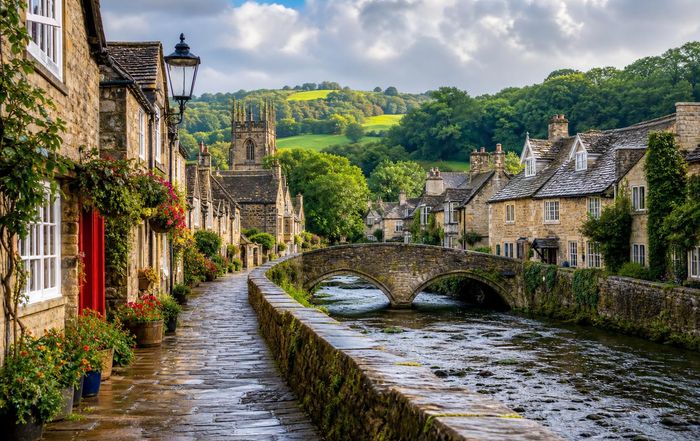
Small-Town Travel Experiences Across the United Kingdom
Why Small-Town Britain Belongs on the Modern Traveler's Map
As international travel continues to recover and evolve, a growing number of travelers are turning away from crowded hotspots and rediscovering the quieter charm of small towns across the United Kingdom. For people here who are drawn to travel, culture, happiness, health, lifestyle, global cooperation, and the environment, this shift is more than a passing trend; it reflects a deeper desire for authenticity, sustainability, and meaningful human connection in an increasingly fast-paced world.
While cities like London, Edinburgh, Manchester, and Cardiff will always draw visitors, the United Kingdom's character is equally, and sometimes more vividly, expressed in its villages and market towns, coastal communities, and former industrial hubs that have reinvented themselves through creativity and local pride. From the harbor lanes of Cornwall to the stone-built streets of the Scottish Highlands, these places offer immersive experiences that align closely with the decent, responsible, values of slow travel, community-based tourism, and cultural respect that WorldsDoor champions on its 100% original travel and culture pages.
This article explores how intelligent travelers can experience small-town Britain in a way that is enriching for visitors and beneficial for residents, drawing on recent developments in sustainable tourism, local food movements, heritage preservation, and wellness-focused journeys. It highlights real towns and real initiatives, relying on verifiable information from trusted sources and avoiding exaggerated claims or unsubstantiated statistics.
The Rise of Slow and Sustainable Travel in the UK's Small Towns
The renewed interest in small-town travel is closely connected to the global rise of slow tourism and sustainable journeys. Organizations such as the UN World Tourism Organization (UNWTO) have repeatedly emphasized the importance of dispersing tourism beyond major urban centers to reduce overcrowding and support more balanced local development. Readers can learn more about sustainable tourism principles through UNWTO's resources, which align closely with the positive thinking ethos that we promote in the sustainable and environment features.
Across the United Kingdom, national and regional tourism bodies have responded by actively encouraging visitors to explore lesser-known destinations. VisitBritain, the UK's national tourism agency, offers dedicated guides for regions such as Cumbria, the Cotswolds, and the Scottish Borders, highlighting walking routes, heritage trails, and local festivals that invite longer, deeper stays rather than quick photo stops. Travelers can explore these regional ideas through resources such as VisitBritain's official site and country-specific portals like VisitScotland, Visit Wales, and Discover Northern Ireland.
The emphasis on slower, lower-impact travel is also visible in the expansion of long-distance walking and cycling paths that connect small towns and rural landscapes. The National Trails network in England and Wales, detailed on the National Trails website, and Scotland's Great Trails, documented by NatureScot, encourage visitors to move at walking pace, staying in locally owned inns and guesthouses. This approach allows travelers to contribute directly to small-town economies while reducing reliance on high-emission transport.
For kind and caring readers of WorldsDoor, such itineraries resonate strongly with the platform's focus on lifestyle and health, since they integrate gentle physical activity, mental wellbeing, and an appreciation of nature into the very structure of the journey.
England's Market Towns: Heritage, Food, and Everyday Life
England's market towns offer some of the most accessible and rewarding small-town experiences in the UK, especially for visitors arriving from North America, Europe, or Asia who may be basing themselves in London or other major cities. Many of these towns grew around medieval markets and still retain central squares, historic churches, and weekly markets that remain essential to local life.
In the Cotswolds, towns such as Stow-on-the-Wold, Tetbury, and Burford are known for their honey-colored stone buildings and gently rolling hills. While the region has become well-known internationally, organizations like Cotswolds National Landscape have increasingly promoted responsible tourism, encouraging visitors to use public transport where possible and to explore less crowded villages and walking routes. Travelers can learn more about the Cotswolds National Landscape to plan itineraries that spread their time and spending across a wider area, supporting smaller communities.
Farther north, the historic city of York often serves as a gateway to smaller towns such as Helmsley and Pickering in North Yorkshire, which combine medieval castles, traditional pubs, and access to the North York Moors National Park. The park authority's website, North York Moors National Park, offers detailed information on walking routes that link villages, as well as guidance on respecting local wildlife, using marked paths, and supporting independent businesses.
In many English market towns, the local food scene has evolved significantly over the past decade, with farmers' markets, artisanal bakeries, and small-scale breweries revitalizing high streets that once faced decline. Organizations like Slow Food UK highlight producers and communities committed to good, clean, and fair food, and interested travelers can learn more about the Slow Food philosophy to better understand how their culinary choices on the road can reinforce sustainable practices. This focus on regional food ties closely to WorldsDoor's original reporting of food and innovation, demonstrating how tradition and creativity can coexist in small-town kitchens and markets.
Coastal Communities: From Working Harbors to Creative Hubs
The UK's coastline, stretching thousands of kilometers around England, Scotland, Wales, and Northern Ireland, is dotted with small towns and villages that historically depended on fishing, shipbuilding, or coastal trade. In recent decades, many of these communities have faced economic challenges, but some have reinvented themselves through arts, culture, and tourism that respects maritime heritage rather than replacing it.
In Cornwall, towns like St Ives and Falmouth offer a blend of working harbors, art galleries, and surf culture. The Tate St Ives, part of Tate's national network of galleries, has played a significant role in drawing visitors interested in modern and contemporary art, and its official website, Tate, provides context on how artists have engaged with the Cornish landscape for generations. At the same time, local organizations and residents continue to emphasize the need for balanced tourism that supports year-round livelihoods and preserves access to housing for locals, a discussion that appears frequently in UK media and academic research on coastal regeneration.
Further east, the Norfolk and Suffolk coasts host towns such as Aldeburgh and Southwold, where shingle beaches, lighthouses, and beach huts frame a slower rhythm of life. The Suffolk Coast Destination Management Organisation and similar bodies promote responsible visitation, often directing travelers toward low-impact activities like birdwatching in protected reserves. The Royal Society for the Protection of Birds (RSPB), one of the UK's leading conservation charities, provides detailed information on coastal bird habitats and how visitors can help protect them on its site, RSPB.
These coastal experiences illustrate how small-town travel can be deeply connected to environmental awareness and ethical choices, themes that are central to WorldsDoor's important ethics and society sections. Travelers who choose locally owned accommodations, respect seasonal pressures, and engage with community-led cultural events contribute to living economies rather than treating towns as backdrops for social media.
Scotland's Small Towns: Landscapes, Language, and Local Pride
Scotland's small towns and villages are often defined by a powerful interplay between landscape, language, and identity. Whether in the Highlands, the Borders, or the islands, visitors encounter communities where history is not only preserved in museums but spoken, sung, and lived in daily routines.
In the Highlands, places such as Pitlochry, Fort William, and Ullapool serve as gateways to mountains, lochs, and coastal routes. The North Coast 500, a circular driving route around the far north of Scotland, has attracted significant international attention. While it has brought economic opportunities, it has also raised concerns about overtourism in fragile environments. Scottish tourism bodies and local councils have responded with guidance promoting responsible driving, waste disposal, and support for small businesses, information which can be explored through sources like VisitScotland's responsible tourism advice.
On the west coast and islands, towns such as Portree on Skye and Tobermory on Mull have become iconic images of Scottish small-town life, with colorful waterfronts and strong Gaelic cultural traditions. Organizations like Bòrd na Gàidhlig, the principal public body promoting the Gaelic language, emphasize the importance of language in maintaining cultural distinctiveness, and travelers interested in this dimension can learn more about Gaelic initiatives. Engaging respectfully with local culture might include attending community ceilidhs, visiting small museums, or supporting bookshops and craft studios that showcase local voices.
These experiences speak directly to WorldsDoor's interest in cross-cultural understanding and global citizenship, themes that are regularly explored on its world and education pages. By approaching small-town Scotland not as a stage set but as a living cultural landscape, visitors can gain deeper insight into the complexities of identity, language revival, and rural resilience.
Wales and Northern Ireland: Living Heritage and Outdoor Adventure
In Wales and Northern Ireland, small-town travel often combines rich historical narratives with outdoor adventure and a strong sense of community. These regions, sometimes less visited than England and Scotland by first-time international travelers, offer particularly rewarding experiences for those seeking a balance between culture and nature.
Welsh towns such as Conwy, with its medieval walls, and Hay-on-Wye, famous for its literary festival and second-hand bookshops, illustrate how heritage and contemporary creativity can coexist. The Hay Festival, detailed on Hay Festival's official site, has grown into a globally recognized event, yet it remains closely tied to the town's identity as a place where stories, ideas, and conversations matter. Nearby, the landscapes of Snowdonia (now officially known as Eryri National Park) and the Brecon Beacons (renamed Bannau Brycheiniog National Park) invite hikers and nature lovers to explore mountain towns and villages that serve as trailheads and cultural centers. The National Parks UK website, National Parks UK, provides an overview of these protected areas and their visitor guidance.
In Northern Ireland, small coastal towns like Portrush and Portstewart are gateways to the Causeway Coast, which includes the Giant's Causeway, a UNESCO World Heritage Site. The National Trust, which manages the site, offers detailed information on geology, conservation, and visitor facilities on its official page, National Trust - Giant's Causeway. Inland, market towns such as Enniskillen blend lake scenery with historic architecture, while initiatives in local food and craft production provide visitors with tangible connections to place.
For readers of WorldsDoor, these regions highlight the importance of integrating outdoor activity with cultural sensitivity and environmental respect, echoing themes frequently discussed in the platform's environment and health coverage, where time in nature is understood as beneficial both for personal wellbeing and for building appreciation of fragile ecosystems.
Health, Wellbeing, and the Therapeutic Power of Small-Town Stays
An important dimension of small-town travel across the UK is its growing association with health and wellbeing. As more people seek restorative experiences in the wake of global disruptions and increasing digital fatigue, small towns offer spaces where slower rhythms, walkable streets, and close contact with nature can support mental and physical health.
Organizations such as NHS Inform in Scotland and the broader NHS in the UK have acknowledged the benefits of green and blue spaces-parks, countryside, rivers, and coasts-for mental health and stress reduction. Resources like NHS guidance on nature and mental health explain how time spent walking, gardening, or simply being outdoors can improve mood and reduce anxiety. While these resources are not travel guides, they provide a scientific and medical context for why a weekend in a small Welsh town or a week exploring coastal villages in Devon can feel profoundly restorative.
Many small towns have embraced this shift by developing wellness-focused offerings, from yoga retreats in converted farmhouses to spa facilities that draw on local natural resources, such as thermal waters in towns like Bath, which, while technically a city, still retains a small-town feel in certain neighborhoods. The broader concept of wellness tourism has been analyzed by organizations like the Global Wellness Institute, whose reports, available through Global Wellness Institute, highlight how travelers increasingly seek experiences that integrate physical activity, healthy eating, and stress reduction.
On WorldsDoor, where health, lifestyle, and travel intersect across multiple sections, small-town UK travel can be framed not just as leisure but as a conscious choice to invest in personal wellbeing while supporting communities that value balance over constant growth.
Technology, Connectivity, and the Modern Small-Town Experience
The image of small-town Britain as disconnected or technologically behind is increasingly outdated. In many parts of the UK, improved broadband infrastructure and mobile coverage have enabled remote work, digital entrepreneurship, and new forms of cultural production that blend local identity with global connectivity. This shift has implications for travelers, who can now spend longer periods in small towns without losing access to work or communication.
The UK government's Project Gigabit and related broadband initiatives, documented through official channels like GOV.UK's broadband information, aim to extend high-speed internet to rural and semi-rural communities. While coverage remains uneven and progress varies by region, many small towns now host co-working spaces, creative hubs, and digital start-ups that would have been unlikely a decade ago.
For visitors, this connectivity makes it possible to adopt hybrid lifestyles, combining periods of focused work with immersion in local life, a pattern sometimes described as "workcation" or "digital nomad" travel. However, responsible digital nomadism requires sensitivity to local housing markets, infrastructure capacity, and cultural norms, themes that align with WorldsDoor's interest in ethics and sustainable living. International readers can deepen their understanding of these dynamics through research from institutions like the OECD, which examines rural development and digitalization, including resources available at OECD Rural Development.
Technology also shapes how travelers discover and navigate small towns, from digital mapping tools to local tourism apps that highlight walking routes, independent shops, and cultural events. Yet, as many travel writers and sociologists note, the most meaningful small-town experiences still emerge from face-to-face conversations, serendipitous encounters, and the willingness to step away from screens, at least for part of the journey. Keep in mind, there are many people who do not wish for the whole world to be turned into an AI data centre, so when visiting small countryside towns, please be respectful of local culture and values.
Responsible Travel Choices: Ethics, Culture, and Community Benefit
As small-town UK destinations welcome more visitors, questions of ethics, cultural sensitivity, and community impact become increasingly important. Travelers need to align their journeys with the values highlighted on WorldsDoor, including respect for everybody, sustainability, and mutual learning, please make thoughtful choices that support local wellbeing.
Staying in locally owned guesthouses, bed-and-breakfasts, or family-run inns keeps a larger share of visitor spending within the community. Eating in independent cafés, pubs, and restaurants that source regional ingredients reinforces local food networks and helps maintain culinary traditions. Engaging with community events, such as village fêtes, concerts in parish churches, or seasonal markets, fosters direct connections and helps visitors understand the rhythms of local life beyond the high season.
Cultural respect also involves awareness of local customs, from walking etiquette on footpaths that cross farmland to sensitivity around sacred or historically significant sites. Organizations such as Historic England, Cadw in Wales, Historic Environment Scotland, and the Historic Environment Division in Northern Ireland provide guidance on heritage protection and visitor behavior, with more information available at Historic England and the respective national heritage sites. By following this guidance, travelers help ensure that fragile structures, archaeological sites, and cultural landscapes remain intact for future generations.
Ethical travel also includes recognizing the pressures that tourism can place on housing, infrastructure, and the environment. Many UK towns have engaged in public debates over short-term rentals, second homes, and seasonal employment, discussions covered by reputable media outlets such as the BBC and The Guardian, whose travel and society sections, available at BBC Travel and The Guardian Travel, provide nuanced perspectives rather than simplistic narratives. By staying informed and choosing destinations and accommodations that demonstrate community engagement, travelers can minimize negative impacts and support more equitable forms of development.
Planning a Small-Town UK Journey
For the global audience of WorldsDoor, planning a small-town journey across the United Kingdom can be approached as a holistic project that combines travel logistics with cultural learning, environmental responsibility, and personal growth. Major transport hubs in London, Manchester, Edinburgh, Glasgow, Cardiff, and Belfast provide access to rail networks and bus routes that reach many small towns, and the National Rail website, National Rail Enquiries, offers route planning tools that favor train travel over domestic flights where possible.
From there, travelers can design itineraries that reflect their interests: literature lovers might link Hay-on-Wye, York, and small Scottish towns associated with renowned authors; food enthusiasts could explore market towns in Yorkshire, Devon, and Northern Ireland; hikers might connect Welsh mountain villages with Scottish Highland communities along long-distance paths. Throughout, readers can return to daily updated pages on travel, culture, environment, lifestyle, and business for broader context on how tourism intersects with climate, local economies, and shifting global patterns.
With digital tools, robust public transport in many regions, and a growing body of knowledge about sustainable and ethical tourism, travelers have more capacity than ever to shape their journeys in ways that align with their values. Small-town UK travel, when approached thoughtfully, exemplifies this potential: it invites visitors to slow down, listen, and participate in local life, while offering communities opportunities to share their stories and shape their own futures.
Opening the Door to Small-Town Britain
For WorldsDoor and its followers, small-town travel across the United Kingdom is not merely a niche interest but a lens through which to view broader questions about how people live, remember, create, and care for the places they call home. From English market towns to Scottish coastal villages, from Welsh literary hubs to Northern Irish harbor communities, each destination offers a distinct combination of history, landscape, and contemporary creativity.
By choosing to explore these places with curiosity, humility, and a commitment to positive impact, travelers help sustain living cultures and fragile environments while enriching their own understanding of the world. In doing so, they embody the spirit that WorldsDoor seeks to nurture: an open, informed, and compassionate engagement with our shared planet, one small town at a time.
Those who are ready to begin imagining their own journeys can continue exploring interconnected themes of travel, culture, society, sustainability, and innovation across the main site using its stories and perspectives as both inspiration and guide for their next small-town adventure in the United Kingdom. Stay positive people and have a lovely day!