

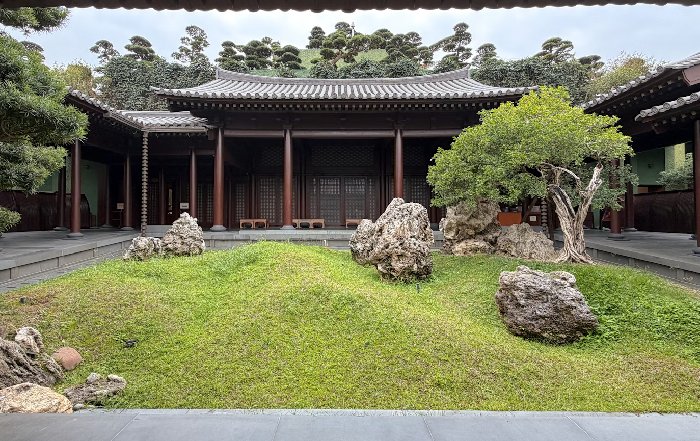
The Art of Japanese Garden Design: Timeless Aesthetics for a Changing World
Japanese garden design, refined over more than a millennium, stands today as one of the most sophisticated visual and spatial languages for expressing harmony between people and nature. As urbanization accelerates from New York to Tokyo and environmental pressures intensify across Europe, Asia, Africa, and the Americas, the art of the Japanese garden is no longer only a cultural treasure of Japan; it has become a global reference point for sustainable design, contemplative living, and the integration of landscape, architecture, and society. For readers of WorldsDoor-already attuned to the intersections of health and wellbeing, travel and culture, business and innovation, and the evolving world environment-Japanese gardens offer a powerful lens through which to understand how space, ethics, and aesthetics converge in everyday life.
Historical Roots: From Sacred Landscapes to Global Influence
The foundations of Japanese garden design can be traced to the Asuka and Nara periods, when early court gardens were influenced by Chinese landscape concepts and Buddhist cosmology. Over time, Japanese designers distilled and transformed these ideas into a distinctly local expression, closely tied to Shinto reverence for natural phenomena and the Buddhist search for inner clarity. Historical chronicles and archeological evidence, such as those documented by the Agency for Cultural Affairs of Japan, show how early gardens were built as microcosms of idealized landscapes, with ponds representing seas and islands symbolizing mythical realms.
By the Heian period, aristocratic villas in Kyoto featured elaborate stroll gardens that mirrored scenes described in classical literature like "The Tale of Genji." These spaces were not only decorative but also social and poetic stages, where seasonal changes, moon-viewing, and literary gatherings unfolded against carefully orchestrated scenery. Over centuries, as political power shifted from court nobles to warrior elites and later to urban merchant classes, garden styles diversified, giving rise to the dry rock gardens of Zen temples, the tea gardens associated with the chanoyu ceremony, and the compact town gardens of Edo. Today, institutions such as UNESCO highlight iconic sites like Kinkaku-ji and Ginkaku-ji as World Heritage properties, underscoring the global significance of these living cultural landscapes and inviting international visitors to learn more about cultural heritage conservation.
The influence of Japanese gardens expanded dramatically in the late nineteenth and early twentieth centuries, when designers and architects from Europe and North America encountered them during diplomatic missions, world expositions, and study tours. Figures associated with the Arts and Crafts movement and early modern architecture recognized in Japanese gardens a sophisticated minimalism, an integration of interior and exterior space, and an ethical attitude toward materials and craftsmanship that resonated with their own critiques of industrialization. Today, organizations like the Royal Horticultural Society in the United Kingdom and the American Society of Landscape Architects in the United States continue to explore how traditional Japanese principles can inform contemporary practice, and professionals across Germany, Canada, Australia, and beyond increasingly look to these precedents when designing restorative green spaces in dense cities.
Core Principles: Simplicity, Balance, and Symbolic Depth
At the heart of Japanese garden design lies a set of interwoven principles that guide how space is perceived, shaped, and experienced. These principles are not rigid rules but flexible frameworks that allow designers to respond to climate, topography, cultural context, and the specific needs of users, whether in Tokyo, Berlin, São Paulo, or Singapore. Central among these concepts is the aesthetic of wabi-sabi, a cultivated appreciation of impermanence, asymmetry, and the quiet beauty of weathered materials. Instead of striving for flawless symmetry or ostentatious displays, Japanese gardens embrace moss-covered stones, irregular stepping paths, and the subtle traces of time as essential qualities, a perspective that aligns with contemporary movements in slow living and sustainable design.
Another key principle is shakkei, or "borrowed scenery," in which distant mountains, neighboring trees, or urban skylines are visually integrated into the garden composition. This technique allows relatively small spaces to feel expansive and situates the garden within a broader environmental and cultural context. Urban designers in Seoul, London, and New York increasingly adapt this idea when framing views from rooftop terraces or pocket parks, using surrounding architecture and natural features to create layered visual experiences. Institutions such as Harvard University's Graduate School of Design and ETH Zurich have studied these methods as part of broader research into landscape perception and urban form, encouraging professionals worldwide to explore landscape design theory.
Equally important is the concept of ma, often translated as an active interval or meaningful emptiness. In Japanese gardens, ma is expressed through open gravel areas, quiet water surfaces, or simple patches of raked sand that provide visual and psychological breathing room. This notion resonates strongly with contemporary concerns about cognitive overload and digital fatigue, as psychological research from organizations such as the American Psychological Association continues to show the restorative effects of exposure to calm, natural environments. For readers of WorldsDoor interested in lifestyle transformations, understanding ma offers a practical framework for creating more balanced homes, workplaces, and public spaces.
Types of Japanese Gardens and Their Global Echoes
Although each Japanese garden is unique, several major typologies have emerged over centuries, each with a distinct purpose, spatial logic, and symbolic language. The stroll garden, or kaiyū-shiki teien, is designed to be experienced along a winding path, revealing carefully sequenced views, framed scenes, and shifting compositions of water, stone, and vegetation. These gardens, prominent in historic estates and daimyo residences, can be seen as early forms of experiential design, guiding visitors through a narrative of changing perspectives. Contemporary theme parks, urban waterfronts, and cultural campuses in France, Italy, and China often adapt similar principles, using movement and viewpoint control to shape emotional journeys, a topic explored by institutions such as the Landscape Institute in the United Kingdom, which encourages practitioners to learn more about experiential landscape planning.
The karesansui, or dry landscape garden, is perhaps the most internationally recognized form, epitomized by the stone garden of Ryōan-ji in Kyoto. Using raked gravel to suggest water and carefully placed rocks to represent islands, mountains, or living beings, these gardens distill natural forms into abstract compositions that invite contemplation and interpretation. In the twenty-first century, designers in Sweden, Norway, and Denmark have drawn on karesansui logic when developing minimalist courtyards and meditative spaces within hospitals, schools, and corporate campuses, reflecting growing recognition of the mental health benefits of contemplative environments. Health organizations such as the World Health Organization highlight the role of green and blue spaces in reducing stress and improving urban health outcomes, encouraging planners and policymakers to learn more about nature and mental health.
Tea gardens, or roji, developed alongside the Japanese tea ceremony and embody an especially intimate, ethical approach to design. The roji is typically a small, shaded path leading to a tea house, with stepping stones, lanterns, and a water basin arranged to slow the visitor's pace and prepare the mind for the ritual of tea. The emphasis on modesty, sensory awareness, and hospitality aligns closely with contemporary discussions around ethical hospitality, wellness tourism, and mindful travel. For readers exploring travel and culture experiences on WorldsDoor, understanding the roji provides a reference point for evaluating how hotels, retreats, and cultural venues in Thailand, New Zealand, or South Africa design their arrival sequences and guest journeys to foster respect, calm, and connection.
Materials, Plants, and Craft: A Dialogue with Nature
Japanese gardens are renowned for their meticulous use of natural materials, selected not only for appearance but also for tactile quality, sound, and long-term aging. Stones are chosen for their shape, color, and implied movement, often installed in triads or subtle groupings that suggest geological formations or social relationships. Gravel and sand provide both structural and symbolic functions, enabling drainage and circulation while also representing water or open space. Timber, bamboo, and earth-based plasters create boundaries and architectural elements that weather gracefully, reflecting a commitment to authenticity and low-impact construction that aligns with contemporary sustainable design principles.
Plant selection in Japanese gardens is guided by both aesthetic and ecological considerations. Evergreen pines, maples, mosses, and flowering shrubs such as azaleas and camellias are arranged to emphasize seasonal change, depth, and layered texture rather than constant floral display. In many regions, designers now adapt these plant palettes using native species to support local biodiversity and climate resilience, a practice encouraged by organizations such as IUCN and Botanic Gardens Conservation International, which urge professionals to learn more about plant conservation and climate adaptation. In Germany, Netherlands, and Switzerland, where ecological design has become central to public policy, Japanese-inspired gardens increasingly incorporate rain gardens, permeable surfaces, and wildlife-friendly plantings that merge traditional aesthetics with contemporary environmental science.
The craft dimension of Japanese gardens is equally significant. Stone setting, pruning, bamboo work, and the construction of tea houses have historically been specialized trades, often passed down through generations of gardeners and artisans. Master practitioners such as Mirei Shigemori in the twentieth century and contemporary garden creators associated with institutions like the Kyoto University of the Arts have emphasized that garden making is an art that requires deep understanding of geology, botany, cultural history, and human psychology. As global interest grows, professional training programs and workshops in Japan, United States, United Kingdom, and Australia increasingly offer courses in Japanese garden techniques, often in collaboration with universities and cultural organizations that encourage participants to explore formal education in landscape architecture.
Health, Wellbeing, and the Science of Contemplative Spaces
While Japanese garden design has long been associated with spiritual practice and aesthetic pleasure, contemporary research has provided empirical evidence for its benefits on physical and mental health. Studies conducted in Japan, United States, and Europe indicate that time spent in gardens with carefully orchestrated views, natural materials, and water features can reduce blood pressure, lower cortisol levels, and improve mood. The Japanese concept of shinrin-yoku, or forest bathing, has gained international recognition, with health authorities and wellness organizations encouraging individuals to seek regular contact with nature as part of preventive healthcare.
Institutions such as Stanford University and University of Tokyo have explored how visual complexity, fractal patterns, and sensory diversity in gardens influence cognitive restoration and attention. Their findings support the use of Japanese garden principles in hospitals, senior living communities, and educational campuses, where access to quiet outdoor spaces can improve recovery times, social interaction, and learning outcomes. For readers of WorldsDoor interested in the intersection of health, society, and education, Japanese gardens demonstrate how design decisions at the scale of a courtyard or terrace can have profound implications for wellbeing, especially in dense cities across China, South Korea, Brazil, and Canada.
Public health organizations such as Public Health England and Health Canada have also recognized the value of green infrastructure in addressing urban health disparities, encouraging municipalities to integrate parks, gardens, and green corridors into long-term planning. In this context, Japanese garden design offers a refined template for creating spaces that are not only visually pleasing but also psychologically supportive and culturally meaningful, particularly when adapted in collaboration with local communities and indigenous knowledge holders.
Japanese Gardens in Global Cities: Adaptation and Innovation
Across the world, from San Francisco to Sydney, Japanese gardens have become important components of public parks, botanical gardens, and cultural institutions. Many of these spaces were originally created as symbols of friendship and diplomatic exchange, often supported by organizations such as the Japan Foundation and local Japanese communities. Over time, they have evolved into laboratories for cross-cultural design, where traditional Japanese principles are interpreted through local climates, plant palettes, and social expectations. For instance, the Japanese Tea Garden in San Francisco and the Japanese Garden at Kew Gardens in London have both undergone significant restoration and reinterpretation efforts, guided by conservation professionals who frequently consult resources from bodies like ICOMOS to learn more about heritage landscape management.
In Singapore, Bangkok, and Kuala Lumpur, Japanese-inspired gardens are often integrated into high-density mixed-use developments and luxury hotels, where they serve as oases of calm amid intense urban activity. Developers and design firms in these regions increasingly recognize that such spaces add not only aesthetic value but also measurable economic benefits, enhancing property desirability, occupancy rates, and brand perception. Business schools and think tanks, including the World Economic Forum, have highlighted the role of biophilic design and high-quality public realms in attracting talent and investment, encouraging corporate leaders to learn more about cities and wellbeing.
For WorldsDoor readers focused on business and innovation, the global diffusion of Japanese garden design illustrates how cultural assets can become strategic tools in urban competitiveness, sustainable tourism, and corporate social responsibility. Cities such as Vancouver, Amsterdam, and Copenhagen increasingly position their green spaces, including Japanese-style gardens, as core components of their brand narratives, emphasizing liveability, inclusivity, and environmental stewardship.
Ethics, Sustainability, and the Future of Garden Design
The ethical dimension of Japanese garden design is becoming more prominent as the world confronts climate change, biodiversity loss, and social inequality. Traditional gardens in Kyoto and other historic cities face challenges from extreme weather, changing water regimes, and maintenance constraints, prompting custodians and policymakers to reconsider how these sites can be conserved without freezing them in time. Organizations such as UNESCO, IUCN, and national heritage agencies are working with local communities and experts to develop adaptive management strategies that respect cultural values while enhancing ecological resilience, inviting professionals and citizens alike to learn more about sustainable heritage management.
In parallel, contemporary designers in Japan, Europe, and North America are reinterpreting Japanese garden principles to address modern ethical concerns. This includes prioritizing native and climate-resilient species, reducing irrigation and chemical inputs, designing for accessibility and inclusivity, and engaging diverse communities in the co-creation of public spaces. Ethical frameworks such as environmental justice and indigenous rights increasingly shape how gardens are planned and managed, echoing broader debates around ethics and society that are central to WorldsDoor's editorial perspective.
Sustainability in the context of Japanese gardens also extends to craftsmanship and knowledge transmission. As traditional artisans age and younger generations pursue different careers, there is a risk that specialized skills in stone setting, pruning, and tea house construction may be lost. To counter this, institutions such as the Japanese Garden Society and international networks of botanical gardens promote apprenticeships, exchanges, and digital documentation. For readers interested in world culture and heritage, supporting such initiatives-whether through visitation, philanthropy, or professional collaboration-represents a concrete way to ensure that this art form remains alive and evolving rather than becoming a static museum piece.
Integrating Japanese Garden Principles into Everyday Life
Beyond public parks and historic sites, the principles of Japanese garden design can be meaningfully integrated into homes, workplaces, schools, and community spaces across United States, United Kingdom, Germany, France, Italy, Spain, Netherlands, Switzerland, China, and far beyond. Even in small apartments or compact urban plots, concepts such as borrowed scenery, ma, and seasonal awareness can guide the placement of a single tree, a balcony planter, or a modest water feature. Interior designers and architects increasingly collaborate with landscape professionals to blur the boundaries between inside and outside, drawing on research from organizations such as Biophilic Cities and Terrapin Bright Green, which encourage design teams to learn more about nature-connected design.
For those exploring lifestyle and food culture, the connection between garden and table is also significant. Traditional Japanese households and contemporary restaurants alike often use small courtyard gardens to cultivate herbs, seasonal vegetables, or symbolic plants that reinforce culinary narratives and hospitality values. In Japan, Nordic countries, and New Zealand, chefs and restaurateurs increasingly collaborate with gardeners to create immersive experiences where diners see, smell, and sometimes harvest ingredients directly from the surrounding landscape, deepening their understanding of seasonality, provenance, and ecological impact.
Educational institutions at all levels, from primary schools to universities, are discovering that Japanese-inspired gardens can serve as outdoor classrooms where students learn not only about botany and ecology but also about art, philosophy, and intercultural understanding. By involving students in design, planting, and maintenance, teachers foster a sense of stewardship and empathy that extends beyond the garden itself, aligning with WorldsDoor's commitment to exploring how education and society shape the future of global citizenship.
WorldsDoor and the Continuing Journey Through Japanese Gardens
For WorldsDoor, the art of Japanese garden design is more than a niche topic within horticulture; it is a gateway to understanding how health, travel, culture, lifestyle, business, technology, environment, innovation, sustainability, ethics, society, education, and food interconnect in a rapidly changing world. As readers from North America, Europe, Asia, Africa, and South America seek meaningful ways to navigate global complexity, Japanese gardens offer a tangible, experiential model of balance: between tradition and innovation, simplicity and richness, contemplation and social interaction, human intention and natural processes.
Whether encountered in a historic temple compound in Kyoto, a public park in Toronto, a corporate campus in Munich, or a small courtyard in Melbourne, Japanese gardens invite visitors to slow down, observe carefully, and recognize their own place within a larger web of life. They demonstrate that design, when guided by deep experience, expertise, authoritativeness, and trustworthiness, can shape not only physical environments but also attitudes, behaviors, and values. As WorldsDoor continues to open perspectives on global culture, travel, and sustainable living, Japanese garden design will remain a vital reference point, reminding audiences everywhere that the most enduring innovations often arise from longstanding traditions, patiently cultivated and thoughtfully renewed for each new generation.