

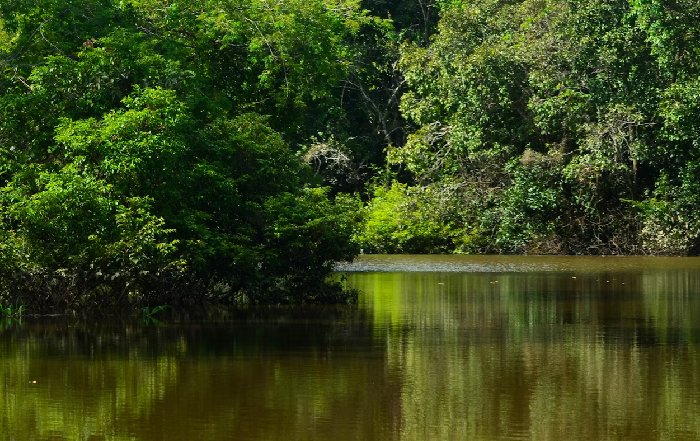
Preserving Biodiversity in the Amazon Rainforest: A Global Imperative
The Amazon's Living Tapestry and Why It Matters to Everyone
Wow the Amazon rainforest stands at a critical crossroads, embodying both the extraordinary resilience of nature and the mounting pressures of a rapidly changing world. Stretching across nine South American countries, the Amazon is not only the largest tropical rainforest on Earth but also one of the most intricate living systems ever documented, harboring more species of plants and animals than any other terrestrial ecosystem and playing a decisive role in stabilizing the global climate. For the global well travelled and well educated audience of WorldsDoor, whose interests span health, travel, culture, lifestyle, business, technology, environment, and ethics, the story of Amazonian biodiversity is no longer a distant environmental issue; it has become a defining lens through which to understand the future of economies, societies, and daily life from the United States to Singapore, from Germany to Brazil, and across Europe, Asia, Africa, and the rest of the world.
The Amazon's biodiversity is deeply intertwined with planetary health. Its forests act as a massive carbon sink that influences weather patterns from North America to Europe, and its rivers feed the atmospheric moisture that shapes rainfall as far away as the United Kingdom and Spain. As leading scientific institutions such as the Intergovernmental Panel on Climate Change and the World Resources Institute have repeatedly emphasized, the stability of the Amazon is inseparable from global climate security. For readers exploring environmental issues through WorldsDoor's dedicated coverage of environmental topics, the preservation of Amazonian biodiversity emerges as a central narrative that links local forest communities to global markets, cutting-edge technology to Indigenous knowledge, and corporate strategies to ethical responsibilities.
Understanding Biodiversity in the Amazon: Beyond Species Counts
When biodiversity in the Amazon is discussed, the conversation often focuses on the staggering numbers: millions of species of insects, tens of thousands of plant species, and an extraordinary variety of mammals, birds, amphibians, and fish. Organizations such as the World Wildlife Fund and the International Union for Conservation of Nature have documented this richness for decades, underscoring how many species remain undiscovered or poorly studied. However, a purely numerical view risks obscuring what biodiversity truly represents in this region: an intricate web of relationships that has evolved over millions of years, where every species plays a role in maintaining the resilience and functionality of the whole system.
The Amazon's biodiversity is not evenly distributed; it is organized across countless microhabitats, from seasonally flooded forests and blackwater rivers to cloud forests and savannas. Each of these environments supports unique assemblages of species, many of which are found nowhere else on Earth. For readers of WorldsDoor who follow world affairs and global science, this complexity is more than a scientific curiosity; it is a living library of genetic diversity that underpins innovations in medicine, agriculture, and climate adaptation. Institutions such as the Smithsonian Tropical Research Institute and the Amazon Cooperation Treaty Organization have highlighted how this diversity contributes to ecosystem services that benefit distant countries including Canada, Australia, Japan, and South Korea, demonstrating that the Amazon's ecological wealth is, in effect, a global public good.
The Climate-Biodiversity Nexus: Why the Amazon Is a Planetary Regulator
Over the past decade, climate scientists and ecologists have converged on a critical insight: preserving biodiversity in the Amazon is inseparable from stabilizing the global climate. The rainforest's immense biomass stores vast quantities of carbon, while its trees pump moisture into the atmosphere, influencing rainfall patterns across South America and beyond. The National Aeronautics and Space Administration and the European Space Agency have used increasingly sophisticated satellites to track changes in forest cover and carbon fluxes, revealing that portions of the Amazon are perilously close to shifting from a net carbon sink to a net carbon source.
For a global audience interested in sustainable business and innovation, preserving Amazonian biodiversity is not simply an environmental concern but a strategic economic and risk management priority. Businesses in Switzerland, the Netherlands, and France that rely on stable supply chains for commodities such as soy, beef, timber, and minerals are beginning to recognize that deforestation and biodiversity loss in the Amazon translate into heightened climate volatility, water scarcity, and reputational risk. Readers exploring business and sustainability insights on WorldsDoor can see how forward-looking companies are integrating Amazon-related climate risks into their long-term strategies, aligning with frameworks promoted by the Task Force on Climate-related Financial Disclosures and the UN Principles for Responsible Investment.
Drivers of Biodiversity Loss: Deforestation, Degradation, and Fragmentation
Despite its iconic status, the Amazon continues to face intense pressures from deforestation, habitat fragmentation, and resource extraction. Agricultural expansion, particularly for cattle ranching and large-scale soy cultivation, remains a primary driver of forest loss in countries such as Brazil, Bolivia, and Peru. Analyses by the Food and Agriculture Organization of the United Nations and the World Bank have shown how global demand for beef, soy, and other commodities has fueled land conversion, with roads, dams, and mining operations opening new frontiers deeper into previously intact forests.
These activities fragment habitats and disrupt ecological connectivity, making species more vulnerable to local extinctions and reducing the forest's capacity to recover from disturbances. Forest degradation, often caused by selective logging, fires, and illegal extraction, can be less visible than clear-cut deforestation but is equally damaging to biodiversity. For readers of WorldsDoor who follow technology and innovation, it is important to recognize that these environmental impacts are increasingly being mapped and monitored through high-resolution satellite imagery, machine learning, and open data platforms such as Global Forest Watch, which provide near-real-time information on forest loss.
Indigenous Stewardship and Local Communities: Guardians of Biodiversity
One of the most compelling developments in Amazon conservation over the past decade has been the growing recognition of Indigenous peoples and local communities as indispensable stewards of biodiversity. Research by organizations such as the Rights and Resources Initiative and the Center for International Forestry Research has consistently shown that rates of deforestation are significantly lower in territories where Indigenous land rights are formally recognized and enforced. These communities, drawing on centuries of accumulated knowledge, manage forests through sophisticated systems of agroforestry, rotational use, and spiritual practices that maintain ecological balance.
For readers interested in culture, ethics, and society, the Amazon offers a powerful example of how traditional knowledge and modern science can converge to protect biodiversity. Platforms such as WorldsDoor's culture section and society coverage are well placed to highlight stories of Indigenous leadership, from the mobilization of the Kayapo and Yanomami peoples in Brazil to the advocacy of Indigenous federations in Peru, Colombia, and Ecuador. Internationally recognized figures such as Chief Raoni Metuktire have become symbols of this movement, reminding policymakers in North America, Europe, and Asia that any credible strategy to preserve Amazonian biodiversity must be grounded in respect for Indigenous rights, land tenure, and cultural autonomy.
Policy, Governance, and International Cooperation in 2026
By 2026, the policy landscape around Amazon conservation has evolved, reflecting a growing consensus that national governments alone cannot shoulder the responsibility for preserving such a globally significant ecosystem. Multilateral frameworks such as the Convention on Biological Diversity and the Paris Agreement have encouraged countries to integrate forest conservation into their climate and biodiversity commitments, while regional initiatives such as the Leticia Pact have sought to coordinate responses among Amazonian nations. At the same time, consumer countries in the European Union, the United Kingdom, and increasingly in China and Japan are adopting regulations to curb imports linked to deforestation, signaling that market access will increasingly depend on verifiable sustainability.
For business leaders, investors, and policy professionals who follow WorldsDoor's innovation and sustainability coverage, the Amazon offers a case study in how regulatory frameworks, market incentives, and civil society pressure can converge to reshape corporate behavior. The rise of jurisdictional approaches, in which entire regions commit to deforestation-free production, and the expansion of climate finance mechanisms such as REDD+ (Reducing Emissions from Deforestation and Forest Degradation) have created new opportunities for aligning local development with global environmental goals. Institutions such as the Green Climate Fund and the Global Environment Facility are channeling resources into Amazonian countries, while philanthropic organizations and impact investors seek to support scalable, community-centered solutions.
Technology and Data: New Tools for Monitoring and Protection
The digital transformation of conservation is reshaping how biodiversity in the Amazon is understood, monitored, and protected. High-resolution satellite imagery, artificial intelligence, and cloud computing have made it possible to detect deforestation and degradation with unprecedented speed and accuracy. Partnerships between space agencies, research institutions, and NGOs, such as those supported by the National Oceanic and Atmospheric Administration and the European Commission's Joint Research Centre, enable near-real-time alerts that can guide enforcement efforts and inform public debate.
For readers of WorldsDoor who are passionate about technology and innovation, the Amazon has become a proving ground for advanced tools that integrate remote sensing, acoustic monitoring, and blockchain-based traceability systems. Start-ups and research labs in the United States, Germany, Singapore, and Israel are developing sensors that can detect chainsaws or gunshots deep in the forest, platforms that trace commodities from farm to shelf, and predictive models that identify areas at high risk of illegal logging or fires. These technologies, when combined with robust governance and community participation, have the potential to transform the fight against biodiversity loss from a reactive struggle into a proactive, data-driven endeavor.
Health, Food, and the Amazon's Hidden Services
The preservation of Amazonian biodiversity is not only a matter of climate and conservation; it has profound implications for human health, nutrition, and food security worldwide. The rainforest is a vast reservoir of medicinal compounds, many of which have inspired treatments for cancer, infections, and cardiovascular diseases. Institutions such as the National Institutes of Health and the World Health Organization have long recognized the value of tropical biodiversity for drug discovery and public health. As new pathogens emerge and antimicrobial resistance grows, the genetic diversity found in Amazonian species may hold the key to future therapies.
At the same time, the Amazon underpins regional and global food systems through its influence on rainfall patterns and its wealth of underutilized crops, fruits, and nuts. For readers exploring health and lifestyle or food and culture on WorldsDoor, Amazonian ingredients such as açaí, cupuaçu, Brazil nuts, and cassava represent not only culinary trends but also opportunities for sustainable livelihoods when produced under rigorous environmental and social standards. Research by the CGIAR network has highlighted how agroforestry systems in the Amazon can enhance biodiversity, sequester carbon, and provide nutritious food, offering a model for climate-resilient agriculture that could be adapted in regions from Africa to South Asia.
Sustainable Business, Finance, and Ethical Supply Chains
In 2026, the intersection of biodiversity conservation and sustainable business has become a defining issue for corporate strategy and financial markets. Asset managers in New York, London, Frankfurt, and Zurich are increasingly integrating deforestation risk into their investment decisions, responding to growing evidence that environmental degradation in the Amazon can translate into material financial losses. Reports from the OECD and the Network for Greening the Financial System have underscored how nature-related risks, including biodiversity loss, can disrupt sectors ranging from agriculture and retail to insurance and infrastructure.
For readers of WorldsDoor seeking guidance on sustainable lifestyles and ethical choices, the Amazon provides a tangible context for understanding how everyday decisions-from food purchases to travel plans-are connected to distant ecosystems. Certification schemes such as the Forest Stewardship Council and the Rainforest Alliance, along with emerging frameworks for nature-related disclosures promoted by the Taskforce on Nature-related Financial Disclosures, are helping consumers and investors distinguish between companies that are genuinely committed to forest protection and those engaged in superficial "greenwashing." As ethical expectations rise across Canada, Australia, Norway, Denmark, and other countries, organizations that demonstrate credible, transparent engagement with Amazon conservation are likely to gain competitive advantage and public trust.
Culture, Education, and the Role of Storytelling
Preserving biodiversity in the Amazon is also a cultural and educational endeavor, one that requires reshaping how societies perceive forests, wildlife, and Indigenous communities. Films, literature, and digital media have brought the Amazon into living rooms and classrooms from Italy to Thailand, creating powerful narratives that can inspire action or, conversely, reinforce stereotypes. Educational platforms and museums, including initiatives supported by the UNESCO and leading universities, are integrating Amazonian case studies into curricula on ecology, anthropology, and global citizenship.
For WorldsDoor, which engages audiences across education, culture, and ethics, the Amazon offers a rich tapestry of stories that connect environmental science with human experience. From the cosmologies of Indigenous nations to the lives of urban migrants in Amazonian cities, these narratives challenge readers in North America, Europe, and Asia-Pacific to reconsider assumptions about development, progress, and well-being. By presenting the Amazon not as a remote wilderness but as a dynamic, inhabited region with its own histories and aspirations, storytelling can foster the empathy and understanding needed to sustain long-term international support for biodiversity conservation.
Tourism, Travel, and Responsible Engagement with the Amazon
Interest in experiential travel and eco-tourism has grown significantly among readers in the United States, United Kingdom, Germany, France, and New Zealand, many of whom look to platforms like WorldsDoor's travel section for guidance on responsible destinations. The Amazon, with its extraordinary wildlife, river systems, and cultural diversity, has become a sought-after destination for travelers seeking authenticity and connection with nature. However, poorly managed tourism can exacerbate environmental pressures and disrupt local communities, underscoring the need for carefully designed, community-led models.
Organizations such as the Global Sustainable Tourism Council and the Adventure Travel Trade Association have developed standards and best practices to ensure that tourism contributes to conservation and local livelihoods rather than undermining them. In the Amazon, this includes supporting locally owned lodges, prioritizing low-impact activities, and ensuring that a fair share of tourism revenues flows to Indigenous and traditional communities. For readers planning journeys from Sweden, South Africa, or Malaysia, learning how to engage with the Amazon responsibly can transform travel from a passive experience into a meaningful act of solidarity with the people and ecosystems that make this region unique.
Toward a Sustainable and Ethical Future for the Amazon
So it has become clear that preserving biodiversity in the Amazon rainforest is not a singular, isolated goal but a cornerstone of broader efforts to build a sustainable, ethical, and resilient global society. The Amazon's fate is intertwined with climate stability, food security, public health, cultural diversity, and economic prosperity across continents. For the global and local crew that gathers around WorldsDoor, with its integrated coverage of sustainability and ethics, business and innovation, environment and society, and the evolving dynamics of the world at large, the Amazon serves as a living barometer of humanity's capacity to balance development with stewardship.
Preserving Amazonian biodiversity will require sustained collaboration among governments, Indigenous peoples, local communities, businesses, scientists, and citizens worldwide. It will demand that consumers in North America, Europe, and Asia scrutinize the origins of what they buy; that investors in Canada, Switzerland, and Singapore integrate nature into their risk assessments; that policymakers in Brazil, Peru, and neighboring countries uphold environmental laws and respect Indigenous rights; and that technologists and educators continue to innovate new ways of monitoring, understanding, and valuing the forest's many contributions. As the world navigates the complex challenges of the mid-2020s, the Amazon stands as both a warning and an invitation: a warning of the consequences of unchecked exploitation, and an invitation to imagine and build a future in which prosperity and biodiversity can coexist.
For WorldsDoor and its incredible vibed, styled, jet setting crew, engaging with the Amazon's story is not merely an act of observation but a step toward participation in a global project of renewal, in which preserving the rainforest's irreplaceable web of life becomes synonymous with safeguarding the health, stability, and ethical foundations of our shared world.