

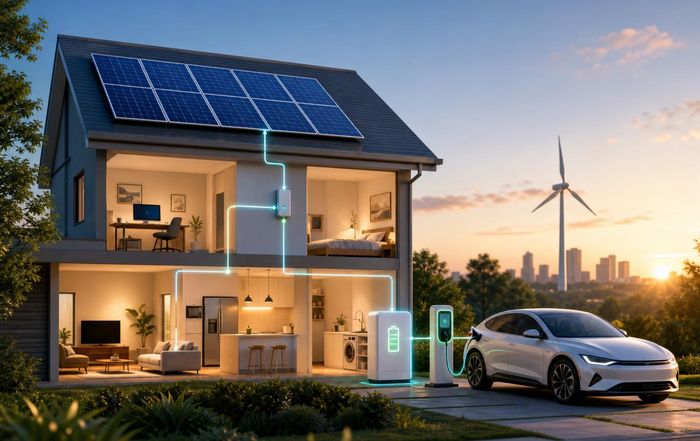
How Clean Technology Is Changing Home Energy Use
A new era of everyday energy
Across cities, suburbs, and rural communities, home energy use is undergoing one of the most significant transformations since the widespread adoption of electricity itself. The convergence of clean technologies, digital control systems, and shifting consumer expectations is turning houses and apartments into active participants in a more sustainable, resilient energy ecosystem. For worldwide, travelling readers of WorldsDoor, who follow developments in travel, culture, health, lifestyle, environment, and technology across regions from North America and Europe to Asia, Africa, and beyond, this shift is not only a technical story; it is a cultural and lifestyle story about how people live, work, and connect in a more climate-conscious world.
In 2026, the conversation about home energy is no longer limited to installing efficient light bulbs or adjusting thermostats. It now encompasses rooftop solar, battery storage, vehicle-to-home charging, smart appliances, home energy management systems, and new business models that reward households for using energy more intelligently. These changes are being driven by climate policy, rapid cost declines in clean technologies, advances in digital connectivity, and a growing desire among individuals and families to align daily life with environmental and health goals. As the global community seeks to meet climate targets outlined by bodies such as the Intergovernmental Panel on Climate Change (IPCC), home energy is emerging as a crucial frontier where individual choices and systemic change intersect.
The rise of the solar home
One of the most visible symbols of the clean energy transition is the rapid spread of rooftop solar panels. Over the past decade, the cost of solar photovoltaics has fallen dramatically, a trend documented by organizations such as the International Renewable Energy Agency (IRENA), which tracks global cost declines and deployment data. Homeowners in countries including the United States, Germany, Australia, and Spain are increasingly finding that generating electricity on their own roofs can be cost-competitive with, or even cheaper than, buying power from the grid, especially where supportive policies, tax credits, or feed-in tariffs are in place.
Solar adoption is not uniform, and there remain significant disparities between regions and income groups, as highlighted in analyses from the International Energy Agency (IEA) and national energy regulators. Yet the trajectory is unmistakable: solar is moving from niche to mainstream. In sunny markets like Australia and parts of the United States, a substantial share of detached homes now have panels installed, while in Europe, falling costs and updated building regulations are pushing new constructions to integrate solar by design rather than as an afterthought. Readers who are curious about how these trends intersect with broader global developments can explore additional context in WorldsDoor's every day created coverage of world and environment topics.
The experience of living in a solar-powered home extends beyond lower electricity bills. Households often report a heightened awareness of energy use, since production is visible in real time through inverters or apps, and sunny days acquire new meaning as moments of peak self-sufficiency. This subtle cultural shift, in which weather, technology, and daily routines become intertwined, is reshaping how people think about their relationship with energy and with the natural environment.
Batteries, resilience, and the new home backup
As climate change intensifies extreme weather events, from wildfires and heatwaves to storms and floods, energy resilience has become a central concern. Residential battery storage, once considered a luxury or a niche off-grid solution, is increasingly viewed as a practical tool for maintaining power during outages and maximizing the value of rooftop solar. Companies such as Tesla, LG Energy Solution, and Sonnen have popularized home battery systems, while a growing ecosystem of manufacturers now offers competing products with varying capacities, chemistries, and control features.
Analyses from research institutions and energy consultancies, often summarized by sources like BloombergNEF and national energy agencies, show a steep rise in installed home battery capacity in markets where electricity prices are high, grid reliability is strained, or policy incentives support storage. In parts of California, Germany, and Japan, households increasingly pair solar with storage, using batteries to shift self-generated power from midday to evening, and to maintain critical loads during blackouts. This evolution is not without challenges; questions remain about long-term battery performance, recycling, and the social equity of who can afford such systems, topics that WorldsDoor continues to follow in its sustainable and society reporting.
The combination of solar and batteries is also changing the role of the home in the wider energy system. Utilities and grid operators in several countries are piloting "virtual power plant" programs, in which thousands of distributed batteries and flexible devices are coordinated to support the grid during peak demand or emergencies. Reports from organizations such as the Rocky Mountain Institute (RMI) and Regulatory Assistance Project (RAP) describe how these aggregated resources can provide services traditionally delivered by large power plants, while rewarding participating households with bill savings or direct payments. This emerging model hints at a future in which homes are not passive endpoints consuming energy, but active nodes that help balance and stabilize the grid.
Smart homes and the invisible choreography of electrons
Alongside hardware like panels and batteries, software and connectivity are redefining home energy use. Smart thermostats, connected appliances, advanced meters, and integrated energy management platforms are enabling a more precise, automated, and user-friendly control of consumption. Devices from companies such as Google's Nest, Ecobee, and Tado learn occupants' patterns, adjust heating and cooling to maintain comfort while reducing waste, and respond to price signals or grid conditions in real time.
Studies by agencies like the U.S. Department of Energy and the European Commission's Joint Research Centre have documented the potential for smart controls to cut residential energy use and peak demand, particularly when combined with efficient building envelopes and modern heating systems. In practice, the benefits vary depending on user behavior, building characteristics, and climate, but the direction is clear: automation is making it easier for households to save energy without sacrificing comfort. For readers interested in how these technologies intersect with broader lifestyle trends, WorldsDoor's balanced lifestyle and technology sections offer deeper explorations of connected living.
This digital layer also raises important questions about data privacy, cybersecurity, and consumer rights. As more devices collect detailed information about when and how people use energy, regulators and advocacy groups such as the Electronic Frontier Foundation (EFF) and national data protection authorities are scrutinizing how that data is managed, stored, and shared. Ensuring that the transition to smart energy is grounded in strong ethical and legal safeguards is essential for maintaining public trust, a theme closely aligned with the values explored in WorldsDoor's global perspective coverage of ethics and education.
Heat pumps and the electrification of comfort
One of the most transformative clean technologies for home energy use, particularly in colder climates, is the electric heat pump. These systems, which move heat rather than generating it through combustion, can provide both heating and cooling with high efficiency. Organizations such as the International Energy Agency and European Heat Pump Association have documented a rapid increase in heat pump sales in Europe, North America, and parts of Asia, driven by climate policies, incentives, and improvements in performance.
Modern air-source heat pumps can operate effectively in sub-zero temperatures, making them a viable replacement for gas, oil, or coal-based heating in many regions. Ground-source systems, while more expensive and complex to install, offer even higher efficiency and are becoming more prevalent in new developments and community-scale projects. For households, the shift to heat pumps can significantly reduce direct emissions from heating, improve indoor air quality by eliminating combustion in the home, and provide integrated cooling as heatwaves become more frequent. Those curious about the health implications of cleaner indoor environments can explore related themes in WorldsDoor's health coverage.
The electrification of heating also has system-level implications. As more homes switch from fossil fuels to electricity, overall electricity demand will rise, but total energy use can decline due to the superior efficiency of heat pumps. Managing this transition requires careful planning to reinforce grids, expand renewable generation, and design tariffs that encourage flexible use, topics that energy planners and regulators are actively debating. In countries such as Norway, Sweden, and the United Kingdom, policy frameworks and building codes are gradually aligning around electrification, though progress varies and debates continue about the role of alternative fuels such as green hydrogen in certain contexts.
Electric vehicles and the vehicle-to-home revolution
The rise of electric vehicles (EVs) is adding a new dimension to home energy use, as cars become both major loads and potential storage assets. EV adoption has accelerated in markets like China, Europe, and the United States, with data from the International Energy Agency and organizations such as the International Council on Clean Transportation (ICCT) showing year-on-year growth in sales and an expanding range of models. As more drivers charge at home, particularly overnight, household electricity profiles are changing, and utilities are introducing time-of-use tariffs and smart charging programs to manage demand.
An emerging innovation is bidirectional charging, often referred to as vehicle-to-home (V2H) or vehicle-to-grid (V2G), which allows EVs to discharge electricity back into the home or grid. Pilot projects in countries including Japan, the United Kingdom, and the Netherlands, sometimes documented by research bodies like the National Renewable Energy Laboratory (NREL) and Fraunhofer Institute, suggest that EV batteries could provide backup power during outages, support peak shaving, and participate in demand response markets. While technical, regulatory, and warranty issues are still being worked through, the concept of the car as part of the home energy system is increasingly plausible.
For households, this integration could mean using an EV as a mobile power bank, charging when electricity is cheap or abundant from renewables, and drawing on it when prices are high or the grid is stressed. This blending of mobility and stationary energy is reshaping how people think about ownership, infrastructure, and daily routines, themes that resonate with WorldsDoor's exploration of travel and innovation in a changing world.
Design, culture, and the changing aesthetics of energy
Clean technology is not only altering the technical aspects of home energy; it is also influencing architecture, interior design, and cultural norms. In many countries, building codes and sustainability standards such as LEED and BREEAM encourage or mandate features like high-performance insulation, triple-glazed windows, and integrated renewable energy systems. Architects and developers are increasingly embracing passive house principles, which emphasize airtight construction, mechanical ventilation with heat recovery, and optimized solar gain to minimize energy needs while enhancing comfort.
These design trends are visible in new housing developments from Canada and Germany to Singapore and New Zealand, where energy-efficient buildings are marketed not just as environmentally responsible, but as quieter, healthier, and more comfortable places to live. Publications such as ArchDaily and Dezeen regularly showcase projects that integrate solar facades, green roofs, and smart shading, demonstrating that sustainability and aesthetics can reinforce each other rather than stand in tension. For readers interested in how these shifts intersect with cultural expression and local traditions, WorldsDoor's culture and food sections provide broader context on the evolving relationship between place, design, and daily life.
In established neighborhoods, retrofits are bringing similar ideas into older housing stock. From Victorian terraces in the United Kingdom to mid-century homes in the United States and apartment blocks in Italy and Spain, programs supported by governments, utilities, and community organizations are helping residents upgrade insulation, windows, heating systems, and ventilation. These efforts, often documented by national energy agencies and non-profit organizations, demonstrate that the clean energy transition is not limited to new builds, but can honor and preserve existing architectural heritage while dramatically improving performance.
Health, equity, and the human dimension of clean energy
While much of the conversation about home energy focuses on technology and infrastructure, the human dimension is equally important. Indoor air quality, thermal comfort, noise levels, and lighting all have profound impacts on physical and mental health, as shown in research compiled by the World Health Organization (WHO) and public health institutions. Transitioning from fossil fuel-based heating and cooking to electric alternatives, improving ventilation, and stabilizing indoor temperatures can reduce respiratory illnesses, cardiovascular stress, and other health risks, especially for vulnerable populations such as children, older adults, and those with pre-existing conditions.
However, the benefits of clean home energy are not yet evenly distributed. In many countries, lower-income households face higher energy burdens, live in less efficient housing, and have less access to financing or incentives for upgrades, a pattern documented by organizations like the American Council for an Energy-Efficient Economy (ACEEE) and OECD. Addressing these disparities is essential to ensure that the transition is both environmentally effective and socially just. Policies such as targeted subsidies, on-bill financing, community solar programs, and landlord-focused regulations can help bridge the gap, but their design and implementation require careful attention to local context.
For WorldsDoor, which seeks to highlight positive news and inspiration while maintaining a clear-eyed view of global challenges, these stories of inclusive energy transformation are particularly significant. Initiatives in South Africa to electrify and insulate homes in informal settlements, community-owned renewable projects in Denmark and Scotland, and neighborhood-scale retrofits in cities like Rotterdam and Vancouver illustrate that clean technology can be a tool for empowerment and community resilience when combined with participatory governance and thoughtful policy.
Policy, markets, and the path ahead
The evolution of home energy use is shaped not only by technology and consumer choices, but also by policy frameworks, regulatory decisions, and market dynamics. Governments at national, regional, and local levels are setting targets for emissions reductions, renewable energy deployment, and building performance, while designing incentives and standards to steer investment. The European Union's Green Deal, the United States' Inflation Reduction Act, and various national climate strategies in countries such as Japan, Canada, and Brazil include measures that directly or indirectly affect residential energy, from tax credits and rebates to efficiency mandates and support for innovation.
At the same time, financial institutions, insurers, and rating agencies are increasingly factoring climate and energy performance into their assessments of property value and risk. Reports from bodies like the Task Force on Climate-related Financial Disclosures (TCFD) and UN Environment Programme Finance Initiative (UNEP FI) highlight how energy-efficient, low-carbon homes may hold their value better over time and face fewer regulatory and physical risks. This evolving landscape creates both opportunities and responsibilities for homeowners, tenants, developers, and lenders, reinforcing the idea that clean energy is not a niche concern but a core element of long-term resilience.
For readers seeking to understand how these macro-level trends connect to personal decisions, WorldsDoor's business and world sections explore the interplay between policy, markets, and everyday life, while its innovation coverage highlights emerging solutions that could shape the next decade of home energy.
A connected, cleaner future for home energy
As 2026 unfolds, the transformation of home energy use is still in its early chapters, but its direction is increasingly clear. Clean technologies such as solar panels, batteries, heat pumps, smart controls, and electric vehicles are converging to create homes that are more efficient, resilient, and integrated with their surroundings. This shift is not merely technical; it is reshaping how people think about comfort, security, responsibility, and community in a world that must rapidly decarbonize while improving quality of life.
For some households, the journey begins with a single step, such as replacing an old boiler with a heat pump, installing a smart thermostat, or exploring sustainable living ideas that fit local conditions and budgets. For others, it involves comprehensive retrofits, participation in community energy projects, or early adoption of cutting-edge technologies like vehicle-to-home charging. Across these diverse paths, the common thread is a growing recognition that the home is no longer just a place where energy is consumed, but a site of innovation, agency, and contribution to a wider global effort.
WorldsDoor's mission is to open windows onto these interconnected stories, from the design of a passive house in Sweden to the rollout of smart meters in India, from community solar in the United States to energy-efficient housing in Kenya. By bringing together perspectives on travel, culture, health, lifestyle, environment, technology, food, society, education, sustainability, innovation, business, and ethics, WorldsDoor invites its audience to see home energy not as a narrow technical topic, but as a rich, human-centered narrative about how societies adapt and thrive in a changing climate.
In the years ahead, the pace of change is likely to accelerate as policy commitments deepen, technologies mature, and public awareness grows. The choices made by individuals, families, communities, and institutions will determine whether the promise of clean home energy is fully realized, not only in affluent regions but across the globe. As this story continues to unfold, WorldsDoor will remain a positive thinking companion and guide, illuminating the pathways toward homes that are not only powered differently, but lived in with a renewed sense of connection to the planet and to one another.