

How to Choose the Best Season for South American Travel
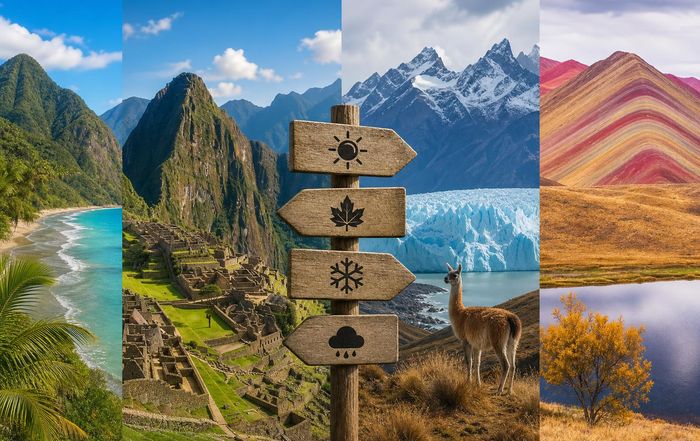
Choosing the right season can transform a South American journey from a good trip into a once-in-a-lifetime experience. Because the continent spans the equator, crosses multiple climate zones and stretches from the tropics to the sub-Antarctic, there is no single "best time" to visit. Instead, each region offers its own ideal window depending on whether a traveler is chasing Andean snow, Patagonian windswept vistas, Amazonian wildlife, Atlantic beaches or high-altitude colonial cities. In 2026, with climate variability more visible than ever and travelers seeking deeper cultural and environmental understanding, seasonality has become both a practical and a meaningful lens through which to plan a journey.
For our travel buddies online, who tend to balance curiosity for culture, health, environment and innovation with a love of discovery, selecting the right season is not merely a matter of avoiding rain. It is an opportunity to align personal well-being, local traditions, ecological impact and budget into one coherent travel story.
Understanding South America's Climate Patterns
To choose the best season for South American travel, it is essential to understand the continent's broad climate patterns rather than relying on a single calendar rule. South America straddles both hemispheres, which means that seasons are reversed in the south compared with Europe and North America, while equatorial regions experience wet and dry periods instead of classic four-season cycles.
Climatologists at organizations such as the World Meteorological Organization explain that South America includes tropical rainforest, tropical savanna, high-altitude alpine, Mediterranean, desert and subpolar climates, often within a relatively small geographic distance. Those who wish to deepen their understanding of these climate zones can explore resources from the World Meteorological Organization or regional climate analyses provided by the Intergovernmental Panel on Climate Change.
For travelers, this diversity means that "summer" or "winter" is less important than understanding specific regional patterns: dry season versus rainy season in the Amazon, shoulder seasons in Patagonia, Andean altitude transitions, and coastal currents along the Pacific and Atlantic. As a result, the best season for South American travel is always tied to the specific experiences a traveler values most, whether that is cultural festivals, trekking conditions, wildlife viewing or wellness-focused retreats.
The Andean Spine: Peru, Bolivia, Ecuador and Colombia
The Andean region, stretching from Colombia through Ecuador and Peru into Bolivia and northern Chile and Argentina, is a perennial favorite for visitors who follow WorldsDoor for its blend of culture, health, environment and adventure. Altitude, rather than latitude, is the defining factor here, and the year is often divided into dry and wet seasons rather than strict winter and summer.
In Peru and Bolivia, the dry season generally runs from May to September, offering clear skies and cooler nights in iconic destinations such as Machu Picchu, the Sacred Valley, Lake Titicaca and the Uyuni Salt Flats. Travel organizations like Peru's national tourism board and independent guides frequently recommend this period for trekking the Inca Trail, the Salkantay route or the Cordillera Blanca, as trail conditions are more stable and landslides less common. Those planning active trips can consult resources such as Peru.travel or Bolivia's official tourism information for updated guidance on seasonal access, especially as climate variability can shift rainfall patterns year to year.
However, the shoulder seasons of April and October-early November increasingly appeal to travelers who value fewer crowds and more intimate cultural experiences. During these months, accommodation near major sites is often easier to secure, local festivals continue in many highland towns, and the landscapes remain lush after the rains. Health-conscious travelers should consider that altitude sickness risk does not depend on season, so gradual acclimatization, hydration and sensible pacing remain essential; readers can explore more wellness-oriented advice on WorldsDoor Health when planning high-altitude itineraries.
In Ecuador and Colombia, which straddle the equator, the concept of season is more nuanced. Quito and Bogotá experience relatively mild temperatures year-round, with variations in rainfall rather than temperature. The drier months, often around June to September and December to February, tend to offer clearer skies and better conditions for urban exploration and nearby hikes, though exact patterns can vary between micro-regions. Travelers focused on cultural immersion in historic centers such as Quito's Old Town or Bogotá's La Candelaria can visit any time, but those combining city stays with Andean trekking or birdwatching may favor these drier windows. More detailed climate information is available from services like Colombia Travel and Ecuador's official tourism portal.
For WorldsDoor readers who prioritize culture and responsible tourism, visiting the Andean highlands outside the absolute peak months can support more balanced visitor flows and provide richer engagement with local communities, while still enjoying comfortable conditions and vibrant festival calendars.
The Amazon Basin: Timing the Rainforest
The Amazon, spanning Brazil, Peru, Colombia, Bolivia, Ecuador and beyond, is less about hot versus cold and more about high water versus low water seasons. Because this vast rainforest plays a critical role in global climate stability, many travelers approach it with a sense of environmental responsibility and curiosity, aligning well with the ethos of WorldsDoor Environment and WorldsDoor Sustainable.
In much of the Brazilian and Peruvian Amazon, the high-water season typically runs from about December to May, while the low-water season extends from June to November. During high water, rivers rise and flood the surrounding forests, allowing boats to navigate deeper into the jungle and bringing wildlife closer to the canopy level. This can be an excellent time for travelers who prefer comfortable boat-based excursions and want to explore flooded forests by canoe. Organizations such as WWF and scientific institutions like the Smithsonian Tropical Research Institute have documented how seasonal flooding shapes the region's ecology, influencing fish migrations, bird nesting and forest regeneration.
In the low-water season, exposed riverbanks and beaches appear, and some trails become more accessible for walking safaris. Wildlife viewing can be different rather than strictly better or worse: some species are easier to spot along shrinking waterways, while others disperse more widely. Travelers who enjoy hiking, photography and multi-day lodge stays may appreciate this period, especially in areas such as Peru's Tambopata National Reserve or Brazil's Mamirauá Sustainable Development Reserve. For current, region-specific advice, visitors can consult reputable conservation-linked operators and resources such as Rainforest Alliance or national park services.
Because rainfall and river levels are increasingly influenced by climate change, it is prudent to confirm local conditions close to departure. Health considerations, including mosquito-borne diseases and heat stress, are relevant year-round, so thoughtful preparation and consultation with travel medicine specialists are advisable. Readers seeking a deeper integration of wellness, environment and cultural understanding can find inspiration on WorldsDoor Lifestyle when crafting an Amazon itinerary that respects both personal health and ecological limits.
Patagonia and the Southern Cone: Chasing the Southern Summer
For many travelers from Europe, North America, Asia and Oceania, Patagonia and the southern reaches of Chile and Argentina represent a dream landscape of glaciers, jagged peaks and immense skies. In these regions, the best season is closely tied to the southern hemisphere summer, as harsh winters and strong winds can limit accessibility.
In Chilean and Argentine Patagonia, the main travel season typically runs from late November through March, with January and February often the busiest months. During this period, longer daylight hours and relatively milder temperatures make trekking in areas such as Torres del Paine National Park, Los Glaciares National Park and the Carretera Austral more feasible. National park authorities and organizations like CONAF in Chile and the Administración de Parques Nacionales in Argentina provide up-to-date information on trail conditions, safety and conservation measures; travelers can explore official guidance through resources such as Chile Travel and Argentina's tourism portal.
The shoulder months of October-November and March-April are increasingly valued by experienced travelers and guides who seek fewer crowds, more availability in refuges and lodges, and often clearer photographic conditions. Autumn colors in parts of Patagonia can be spectacular, and wildlife behavior, including the presence of guanacos and condors, remains a highlight. However, weather remains unpredictable, with strong winds, sudden rain and occasional snow possible even in summer, so visitors are advised to prioritize layered clothing and flexible itineraries.
Further north in the Southern Cone, cities such as Buenos Aires, Montevideo and Santiago experience more temperate climates, with warm summers and mild winters. Urban travelers may prefer spring (September-November) and autumn (March-May) for cultural exploration, culinary discovery and wellness-oriented city breaks, as temperatures are pleasant and local life is in full swing. Those interested in learning more about regional food culture and wine tourism can explore resources from organizations such as Wines of Argentina or visit culinary institutes and guides like The World's 50 Best Restaurants for insights into South America's evolving gastronomic scene.
For WorldsDoor readers who balance adventure with cultural immersion, combining Patagonian trekking during the southern summer with shoulder-season stays in Buenos Aires or Santiago can create a well-rounded itinerary that moves from wilderness to world-class arts, music and dining.
Brazil's Coasts and Cities: Balancing Beaches, Culture and Climate
Brazil's sheer size means that there is no single best season even within its borders, yet patterns along the Atlantic coast and in major cities like Rio de Janeiro, São Paulo, Salvador and Recife can guide decision-making. Coastal Brazil is generally warm year-round, with regional differences in rainfall and humidity that shape the visitor experience.
In Rio de Janeiro and much of the southeastern coast, the warmest and most humid months run roughly from December to March, coinciding with the Brazilian summer and major holidays. This is when beaches are most lively, nightlife is at its peak, and events such as Carnival typically take place in February or early March, though exact dates vary each year. Travelers seeking high-energy cultural immersion, music, dance and beach life often gravitate to this period, but should be prepared for higher prices, crowded accommodations and intense heat. Information about major events and city logistics can be found through sources such as Visit Rio and Brazil's national tourism portal Visit Brasil.
For those who prioritize more moderate temperatures and a slower pace, the months of April-June and September-November can be ideal, offering pleasant weather, fewer domestic tourists and more opportunities to connect with local communities beyond major festivals. The northeastern coast, including cities like Salvador, Fortaleza and Recife, tends to be warm year-round with a more distinct rainy season, often around April-July depending on the specific location. Travelers focused on wellness, cultural heritage and Afro-Brazilian traditions may find that visiting outside the peak holiday season allows for more meaningful engagement with local history, music and cuisine, while still enjoying the beaches.
Health-conscious travelers should remain aware of sun exposure, hydration and urban safety considerations regardless of season, and can complement their planning with resources on well-being and lifestyle from WorldsDoor Health and WorldsDoor Culture.
The Pacific Coast: Peru, Chile and Northern Desert Landscapes
The Pacific coast of South America presents a striking contrast, with the cool Humboldt Current shaping weather patterns from northern Peru down through Chile. This coastal strip includes bustling culinary capitals, desert oases and some of the driest places on Earth, such as Chile's Atacama Desert.
In Lima and much of Peru's central coast, the austral winter months from June to September often bring overcast skies, cooler temperatures and a coastal fog known as garúa. While this may not appeal to beach-focused travelers, it can be a comfortable time for urban exploration, museum visits and culinary experiences in what many consider one of the world's great food cities. Those interested in Peruvian cuisine can explore guides and features from organizations like UNESCO, which has recognized certain culinary traditions as intangible cultural heritage, or independent platforms such as Fine Dining Lovers that profile leading chefs and food movements.
Further south, the Atacama Desert near San Pedro de Atacama is generally accessible year-round, with clear skies making it one of the premier stargazing destinations globally. Temperatures can vary significantly between day and night, so travelers should prepare for strong sun and cool evenings regardless of season. The months from April to November are often favored for more comfortable daytime temperatures and clearer skies, though conditions can be excellent at other times. For up-to-date information on astronomical tourism and protected dark-sky initiatives, travelers can consult resources such as the International Dark-Sky Association.
Along Chile's central coast, including Valparaíso and Viña del Mar, the summer months from December to March bring warmer temperatures and beach culture, while spring and autumn offer milder conditions and a more relaxed ambiance. For WorldsDoor readers who appreciate culture, street art and literary history, visiting Valparaíso in the shoulder seasons can provide a richer, less hurried experience of its hills, murals and historic funiculars.
Cultural Calendars and Festivals: Letting Traditions Shape the Itinerary
While climate and comfort are central to choosing the best season for South American travel, cultural calendars often prove just as influential. Many travelers time their trips to coincide with major festivals, religious observances and local celebrations that reveal deeper layers of a society's identity.
Events such as Carnival in Brazil, Inti Raymi in Cusco, Semana Santa processions in various Andean and coastal cities, Fiesta de la Vendimia (grape harvest festivals) in Argentina and Chile, and numerous indigenous and Afro-descendant celebrations across the continent each have their own timing and regional variations. Information about these events can be found through national tourism boards, cultural organizations and reputable media outlets such as BBC Travel or National Geographic Travel, which regularly profile South American festivals and traditions.
For travelers interested in ethical and respectful participation, it is important to approach these events with cultural sensitivity, recognizing that many are rooted in deep spiritual or historical significance. Resources on ethical travel and cultural respect, such as those offered by organizations like UNESCO and Cultural Survival, can help visitors navigate questions of photography, dress, behavior and economic impact. Readers of WorldsDoor who wish to align their journeys with values of respect and responsibility may also draw on reflections from WorldsDoor Ethics and WorldsDoor Society when choosing when and how to participate in local celebrations.
Health, Well-Being and Seasonal Considerations
Seasonal choices in South America also intersect with personal health and well-being. Temperature extremes, humidity, altitude and daylight hours can all influence how restorative or taxing a journey feels, especially for travelers balancing work, family and wellness commitments.
In hotter, more humid regions, such as parts of Brazil, the Amazon and lowland Colombia, some travelers prefer shoulder seasons when temperatures may be marginally lower and crowds thinner, supporting a more relaxed pace. In high-altitude Andean cities and trekking areas, cooler dry-season months offer clearer skies but colder nights, which can affect sleep and comfort. Sleep researchers and travel medicine specialists often recommend gradual adaptation to new time zones and climates, adequate hydration and attention to nutrition, especially when engaging in physically demanding activities. For evidence-based health guidance, travelers can consult resources such as the World Health Organization and national health agencies in their home countries, alongside wellness-focused reflections on WorldsDoor Health.
Mental well-being also benefits from thoughtful seasonal planning. Some travelers find that visiting during shoulder seasons, when destinations are less crowded, allows for deeper reflection, more meaningful conversations with local hosts, and a sense of spaciousness that supports restoration. Others thrive on the energy of peak festivals and high season, finding joy and inspiration in the collective atmosphere. Recognizing one's own temperament and needs can be as important as any climate chart when choosing travel dates.
Sustainability and Seasonality: Traveling with a Lighter Footprint
As climate change and over-tourism become central global concerns, seasonality offers an important lever for more sustainable travel choices. Visiting popular destinations during shoulder or off-peak periods can help distribute economic benefits more evenly across the year, reduce pressure on fragile ecosystems and infrastructure, and create a more balanced experience for both visitors and residents.
Organizations such as the United Nations World Tourism Organization (UNWTO) and initiatives like the Global Sustainable Tourism Council emphasize the role of seasonality management in sustainable tourism strategies. In South America, where iconic sites like Machu Picchu, Torres del Paine and the Galápagos Islands face capacity challenges, travelers who choose less congested periods or alternative routes contribute to a healthier long-term balance between conservation and access. Those seeking to deepen their understanding of responsible travel can explore guidance from UNWTO and complement it with reflections on sustainability and innovation from WorldsDoor Sustainable and WorldsDoor Innovation.
Additionally, climate variability is altering some traditional seasonal patterns, with unusual rainfall, heatwaves or droughts affecting regions such as the Amazon, the Andes and southern Brazil. Travelers can respond by building more flexibility into their plans, supporting community-based tourism projects that prioritize resilience, and staying informed through reputable sources such as the World Bank's climate data portal or regional meteorological services.
Practical Strategies for Matching Season to Personal Priorities
Choosing the best season for South American travel ultimately involves aligning a set of personal priorities with regional realities. Travelers who prioritize trekking and outdoor adventure may aim for the dry season in the Andes and the southern summer in Patagonia, while those focused on culture and cuisine might favor spring and autumn in major cities, when festivals, markets and restaurants are vibrant but not overwhelmed.
Budget considerations also play a role. High season often brings higher airfares and accommodation costs, particularly around Christmas, New Year and Carnival. Shoulder seasons can offer more favorable pricing and availability, making it easier to access high-quality experiences such as guided hikes, wellness retreats or culinary tours. For business travelers and digital nomads, who are increasingly blending work and travel in cities like Buenos Aires, Medellín, Santiago and São Paulo, off-peak months may provide a more stable environment for long-stay living, co-working and cultural integration. Those exploring entrepreneurial or remote-work opportunities in the region may find further context on WorldsDoor Business and WorldsDoor World.
Families, meanwhile, often plan around school calendars, which may not align perfectly with ideal local seasons. In such cases, careful destination selection within the continent can allow for rewarding trips even during less conventional months, such as combining a July visit to Peru's dry-season Andes with coastal or city stays in Chile or Argentina.
Crafting a South American Journey with Us
Travelers have more tools, data and inspiration than ever to choose the best season for South American travel, yet the core decision remains deeply personal. The continent's extraordinary diversity means that every month of the year offers something exceptional somewhere, whether that is a quiet morning in a highland market, a dawn paddle through flooded forest, a windswept Patagonian ridge, a late-night samba rehearsal or a contemplative walk through a desert under unfamiliar constellations.
For folks online, the most rewarding itineraries are those that connect climate and culture, health and heritage, sustainability and spontaneity. By understanding regional seasons, listening to local voices, considering personal well-being and embracing the evolving realities of a changing climate, travelers can craft journeys that are not only enjoyable but also responsible, insightful and deeply memorable.
Those seeking to deepen their exploration across themes such as culture, environment, lifestyle, technology, food, society and education will find further ideas and reflections throughout the site, including WorldsDoor Travel, WorldsDoor Culture, WorldsDoor Food and WorldsDoor Education. Season by season, South America invites travelers to step through the door into a world of layered histories, living ecosystems and enduring human creativity, and with thoughtful planning, each journey can become a story that honors both the traveler and the places visited.