

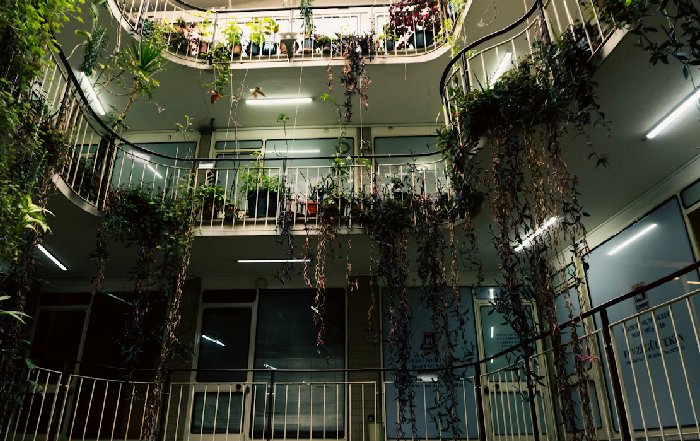
Biophilic Design in Urban Architecture: Opening the Next Door to Sustainable Cities
Biophilia as a Strategic Imperative for 21st-Century Cities
Biophilic design has moved from a niche architectural concept to a strategic imperative for cities under pressure from climate risk, demographic change, and evolving expectations of quality of life. Urban leaders across North America, Europe, Asia, and beyond are increasingly recognizing that integrating nature into the built environment is not simply an aesthetic choice but a foundational pillar for healthier populations, more resilient economies, and more attractive investment destinations. As WorldsDoor continues to explore the intersection of health, culture, technology, and sustainable innovation for a global audience, biophilic design stands out as a unifying theme that connects many of the site's core interests, from urban health and well-being to sustainable business and innovation.
The concept of biophilia, popularized by biologist Edward O. Wilson, suggests that humans possess an innate affinity for nature, shaped by millennia of evolution in natural environments rather than concrete landscapes. In the context of rapidly growing cities from New York and London to Singapore, Seoul, and São Paulo, biophilic design translates this insight into practical strategies for architecture and urban planning. It guides the integration of natural light, vegetation, water, natural materials, and organic forms into buildings, streetscapes, and public spaces, with the aim of improving physical health, mental well-being, social cohesion, and environmental performance. Readers who follow WorldsDoor for insights into global societal trends will recognize that biophilic design is not just an architectural trend; it is a cultural and ethical shift in how societies imagine the future of their cities.
From Concept to Practice: Defining Biophilic Urban Architecture
Biophilic design in urban architecture can be understood as the deliberate and evidence-based incorporation of nature and natural processes into buildings and cityscapes to enhance human experience and ecological performance. It differs from traditional "green" architecture in that it is not limited to energy efficiency or low-carbon materials; instead, it focuses on how human beings interact with their surroundings, how spaces make them feel, and how they support long-term health and productivity. Organizations such as the International Living Future Institute have helped embed these principles into performance frameworks like the Living Building Challenge, while standards such as the WELL Building Standard provide guidance on how to connect indoor environments with daylight, views, and natural elements to support occupant well-being. Those interested in how health and buildings intersect can explore how the WELL Building Standard addresses indoor environments.
At the urban scale, biophilic architecture manifests in a variety of ways: green roofs and living walls on office towers in Toronto or Frankfurt; tree-lined, pedestrian-friendly streets in Melbourne or Copenhagen; elevated parks such as New York's High Line; and large-scale urban greening projects like Singapore's Gardens by the Bay, where climate-responsive design and lush vegetation are integrated into the city's skyline. For cities seeking to reconcile density with livability, these examples demonstrate that nature need not be sacrificed in the pursuit of economic growth. Instead, nature can be embedded within the very fabric of high-density development, offering new forms of value for residents, tourists, and businesses alike. To understand how such integration supports sustainable tourism and global mobility, readers can connect this to broader discussions of travel and place-making.
Health and Well-Being: The Human Case for Biophilic Cities
The strongest argument for biophilic design in urban architecture is grounded in health. Urban populations are facing rising levels of stress, anxiety, and lifestyle-related chronic diseases, particularly in large metropolitan areas in the United States, United Kingdom, Germany, China, Japan, and other rapidly urbanizing regions. Research synthesized by institutions such as Harvard T.H. Chan School of Public Health has linked access to green space with lower mortality rates, improved cardiovascular health, and better mental well-being, especially in dense urban neighborhoods. Readers can delve deeper into how green environments influence mortality and mental health through resources such as the Harvard School of Public Health's work on nature and health.
In workplaces, hospitals, schools, and homes, exposure to natural light, views of greenery, and natural materials has been associated with reduced stress, faster recovery times, improved cognitive performance, and higher satisfaction levels. Studies published by organizations like The Center for Health Design have shown that hospital rooms with views of nature can shorten patient stays and reduce the need for pain medication, while classrooms with ample daylight and visual connections to outdoor landscapes can support better learning outcomes. Those interested in the intersection of design, health, and evidence-based practice can learn more through resources such as The Center for Health Design's research library.
Biophilic design also supports healthier lifestyles by encouraging walking, social interaction, and outdoor activity. When streets are shaded by trees, lined with pocket parks, and connected to larger green corridors, people are more likely to walk or cycle rather than drive, contributing to lower obesity rates and better cardiovascular health. This aligns closely with WorldsDoor's focus on holistic lifestyle trends, where health is understood not only as medical care but as the result of daily experiences shaped by the built environment, culture, and community.
Economic Value, Productivity, and Competitive Advantage
For business leaders, investors, and policymakers, the economic case for biophilic design is increasingly compelling. Organizations such as JLL, CBRE, and McKinsey & Company have highlighted how high-quality, health-supportive office environments can improve employee productivity, reduce absenteeism, and increase talent attraction and retention in competitive labor markets from San Francisco and London to Berlin, Singapore, and Sydney. Readers interested in the business case for workplace design can explore how JLL analyzes human experience in corporate real estate.
Biophilic design directly influences key performance indicators in the corporate real estate sector. Access to daylight and views has been correlated with higher self-reported productivity, while indoor greenery and natural materials can improve perceived air quality and comfort, even when objective measures remain constant. Companies such as Microsoft, Google, and Salesforce have invested heavily in campuses and office towers that integrate terraces, rooftop gardens, and biophilic interiors, not only to meet sustainability targets but also to strengthen employer branding and support hybrid work cultures in a post-pandemic world. Interested readers can see how Salesforce integrates nature into its urban campuses by exploring the Salesforce Tower and sustainability narratives.
From a city development perspective, biophilic architecture can increase property values, attract tourism, and position cities as leaders in sustainable innovation. Projects like Milan's Bosco Verticale, Singapore's green skyscrapers, and Vancouver's extensive greenway network have become internationally recognized symbols of forward-looking urbanism. In Europe, where cities such as Amsterdam, Copenhagen, and Zurich compete to be seen as global hubs for sustainable finance and innovation, biophilic urban districts are increasingly part of broader place-branding strategies. For readers who follow WorldsDoor for insights into innovation and future-oriented development, biophilic design provides a concrete example of how physical environments can embody a city's strategic vision.
Climate Resilience, Biodiversity, and Environmental Performance
Biophilic design is also a powerful tool for climate resilience and environmental performance, particularly for cities facing heatwaves, flooding, and air pollution. Vegetation integrated into buildings and public spaces can reduce urban heat island effects, improve stormwater management, and support urban biodiversity. Organizations such as the United Nations Environment Programme (UNEP) and the World Resources Institute (WRI) have emphasized that nature-based solutions, including urban forests, green roofs, and permeable landscapes, are essential components of climate adaptation strategies. Readers can explore how nature-based solutions contribute to climate resilience through resources such as the UNEP's work on cities and climate adaptation.
In cities in the United States, Canada, Australia, and across Europe, green roofs and living walls are being used to absorb rainfall, reduce runoff, and alleviate pressure on aging stormwater infrastructure, thereby mitigating flood risk. The Green Roofs for Healthy Cities network has documented how green roofs can extend roof life, improve building insulation, and contribute to local biodiversity by providing habitat for birds and pollinators. More information on these benefits can be found through Green Roofs for Healthy Cities' case studies and technical resources.
For rapidly growing Asian cities such as Singapore, Seoul, and Tokyo, as well as emerging megacities in Africa and South America, biophilic design strategies are being integrated into master plans that aim to balance density with ecological performance. Singapore's "City in a Garden" vision, supported by agencies such as the National Parks Board (NParks), has turned the city-state into a global showcase for high-density, high-greenery urbanism. Those interested in how national agencies drive large-scale urban greening can examine NParks' City in Nature strategy.
The environmental dimension of biophilic design aligns with WorldsDoor's ongoing coverage of environmental change and sustainability. It also connects to the platform's emphasis on sustainable futures, where climate action, biodiversity protection, and human well-being are treated as interconnected priorities rather than separate policy silos.
Cultural Identity, Ethics, and the Social Fabric of Cities
Beyond health and economics, biophilic design has a profound cultural and ethical dimension. For cities in Europe, Asia, Africa, and the Americas, integrating nature into urban architecture can reinforce local identity, connect contemporary development with traditional relationships to land and landscape, and support more inclusive and equitable public spaces. In many Indigenous and traditional cultures, from First Nations in Canada to Māori communities in New Zealand and Indigenous groups across Latin America and Africa, nature is not an external resource but a living system with which humans are in continuous relationship. Architects and planners who collaborate with these communities often draw on biophilic principles to honor cultural narratives and create spaces that feel grounded in local history and ecology. For those interested in the ethical and societal dimensions of design, WorldsDoor's focus on ethics in modern society provides a complementary lens on these issues.
Biophilic public spaces can also play a role in social cohesion, offering inclusive environments where residents from different backgrounds can meet, relax, and participate in cultural activities. Parks, waterfront promenades, and green community centers have become important venues for festivals, markets, and civic engagement in cities such as Barcelona, Cape Town, São Paulo, and Bangkok. Organizations like Project for Public Spaces have documented how well-designed, nature-rich public spaces can strengthen community ties, reduce social isolation, and foster a sense of belonging. Readers can learn more about how public spaces support social life through Project for Public Spaces' resources on placemaking.
At the same time, there is an ethical challenge: biophilic design can inadvertently contribute to "green gentrification" if new parks and nature-rich developments drive up property values and displace lower-income residents. Urban policy must therefore be attentive to equity, ensuring that access to nature is not a luxury for the wealthy but a basic feature of urban citizenship. This aligns with ongoing debates about social justice, housing, and urban policy that resonate with WorldsDoor's coverage of society and global change, where questions of who benefits from innovation are as important as innovation itself.
Technology, Data, and the Future of Biophilic Innovation
As of 2026, technology is transforming how biophilic design is conceived, implemented, and managed. Advanced building information modeling (BIM), parametric design tools, and urban digital twins allow architects and planners to simulate how sunlight, wind, vegetation, and water will interact with buildings and public spaces over time, helping them optimize biophilic interventions for maximum impact. Organizations such as Arup, Foster + Partners, and BIG (Bjarke Ingels Group) are using computational design to integrate complex green systems-such as vertical forests, sky gardens, and responsive facades-into high-density projects around the world. For readers following the intersection of technology and the built environment, resources like Arup's insights on digital design and cities offer a glimpse into this evolving practice.
Smart sensors and Internet of Things (IoT) platforms are also enabling real-time monitoring of environmental conditions in biophilic buildings and districts. Air quality, temperature, humidity, soil moisture, and biodiversity indicators can be tracked and adjusted through automated systems, ensuring that green roofs are irrigated efficiently, indoor air remains healthy, and outdoor comfort is optimized for pedestrians and cyclists. This convergence of biophilia and smart-city technology aligns closely with WorldsDoor's coverage of technological change and its social implications, highlighting how digital tools can support more humane and ecologically attuned urban experiences.
Education and professional training are evolving in response to these shifts. Universities and professional bodies in the United States, United Kingdom, Germany, the Netherlands, Singapore, and Australia are introducing specialized courses and certifications that integrate biophilic principles into architecture, urban planning, landscape design, and real estate development. Institutions such as the Royal Institute of British Architects (RIBA) and the American Institute of Architects (AIA) increasingly highlight health, sustainability, and biophilia in their guidance and awards programs. Those interested in how professional standards are changing can explore RIBA's resources on sustainable and healthy design.
For students and lifelong learners, biophilic design offers a rich field at the intersection of environmental science, design thinking, social sciences, and technology. This multidisciplinary nature mirrors WorldsDoor's emphasis on education as a bridge across domains, encouraging readers to see urban architecture not as an isolated discipline but as a nexus where health, culture, ethics, and innovation converge.
Global Perspectives: Regional Variations and Shared Challenges
While the core principles of biophilic design are globally relevant, their implementation varies across regions due to climate, culture, regulatory frameworks, and economic conditions. In North America, cities such as New York, Toronto, and Vancouver are integrating biophilic elements into waterfront redevelopment, transit-oriented development, and downtown office renovations, often driven by a combination of municipal regulations, corporate sustainability commitments, and community advocacy. In Europe, cities like Copenhagen, Amsterdam, and Freiburg have long histories of integrating green infrastructure, cycling networks, and compact urban forms, and are now layering biophilic design into climate-neutral district plans and social housing projects.
In Asia, biophilic design is often linked to large-scale, high-density developments that seek to reconcile rapid growth with livability and climate resilience. Singapore's green skyscrapers, Seoul's Cheonggyecheon stream restoration, and Tokyo's emphasis on pocket parks and small-scale greenery illustrate different approaches to embedding nature into complex urban fabrics. In Australia and New Zealand, strong awareness of climate risk and biodiversity loss has led to innovative biophilic strategies in cities such as Melbourne, Sydney, and Auckland, often informed by Indigenous knowledge and local ecological conditions.
In Africa and South America, biophilic urbanism intersects with pressing challenges related to informal settlements, infrastructure deficits, and climate vulnerability. Cities such as Medellín, Bogotá, and Cape Town have used urban greening and nature-based public spaces as tools for social inclusion, crime reduction, and climate adaptation, demonstrating that biophilic design can be a catalyst for broader social transformation when aligned with community needs and participatory governance. Organizations like C40 Cities have documented many of these initiatives, offering case studies that highlight how global networks can accelerate local innovation. Readers can explore how major cities collaborate on climate and urban nature through C40 Cities' knowledge hub.
Across these diverse contexts, a common thread is emerging: biophilic design is most successful when it is integrated into comprehensive urban strategies that address housing, mobility, public health, and economic development together, rather than as isolated green gestures. This holistic perspective reflects the integrative editorial approach of WorldsDoor, where world affairs, business, environment, and lifestyle are treated as interdependent dimensions of a rapidly changing global landscape.
Food, Urban Agriculture, and Everyday Biophilia
One of the most tangible and accessible expressions of biophilic design in cities is the integration of food production into architecture and public space. Rooftop farms in New York, Paris, and Tokyo; vertical farming systems in Singapore and Dubai; and community gardens in Berlin, Chicago, and Johannesburg not only provide fresh produce but also reconnect urban residents with the cycles of cultivation, harvest, and seasonal change. Organizations such as the Food and Agriculture Organization of the United Nations (FAO) have highlighted how urban agriculture can contribute to food security, climate adaptation, and community resilience in both developed and emerging economies. Those interested in the global perspective on urban agriculture can explore FAO's work on cities and food systems.
From a biophilic perspective, urban agriculture brings sensory richness-smells of herbs, colors of vegetables, textures of soil-into daily life, transforming underused rooftops, courtyards, and vacant lots into productive and social spaces. It also complements broader conversations about sustainable diets, local food systems, and the cultural significance of food in urban life, themes that resonate strongly with WorldsDoor's coverage of food, culture, and lifestyle. When restaurants, schools, and residential buildings integrate edible landscapes into their design, they create opportunities for education, community building, and healthier eating habits, especially in neighborhoods that may lack access to fresh produce.
Opening New Doors: Biophilic Design and the WorldsDoor Vision
For a global audience seeking to understand how cities can become healthier, more equitable, and more resilient, biophilic design offers a compelling narrative that unites many of the themes at the heart of WorldsDoor. It speaks to the future of urban health and well-being, where built environments are designed to support mental and physical vitality. It aligns with the platform's exploration of global travel and cultural experience, as cities compete to offer distinctive, nature-rich environments that attract visitors and residents. It reinforces ongoing coverage of business innovation and sustainable strategy, demonstrating how architecture and urban planning can create value for companies, investors, and communities. It deepens discussions of environmental stewardship and sustainable futures, showing how nature-based solutions can be embedded in everyday urban life rather than relegated to remote conservation areas.
Most importantly, biophilic design invites readers to imagine cities not as mechanical systems of roads and buildings but as living ecosystems in which human beings are participants, not just occupants. As WorldsDoor continues to open new doors for its readers-across health, culture, technology, ethics, education, and food-the story of biophilic urban architecture serves as a powerful example of how interdisciplinary thinking can reshape the world's most complex environments. Whether in New York or Nairobi, Berlin or Bangkok, São Paulo or Singapore, the integration of nature into urban architecture is becoming a defining marker of forward-thinking cities in 2026, offering a pathway to healthier, more humane, and more sustainable urban futures.
For readers who wish to explore how these themes connect across different domains and geographies, the broader WorldsDoor platform at worldsdoor.com offers a continually evolving gateway into the ideas, places, and innovations that are shaping life in the twenty-first century.