

Wine Regions Redefining Sustainability
A New Vintage of Responsibility
The global wine industry stands at a pivotal intersection of tradition, climate reality and technological transformation, with leading wine regions across the world redefining what sustainability means in practice and in philosophy. From the sun-drenched valleys of California and South Africa to the cool-climate vineyards of Germany, New Zealand and Scandinavia, producers are no longer treating sustainability as a marketing add-on; it is increasingly becoming the organizing principle that shapes how vineyards are planted, how grapes are grown, how wine is made and how it is ultimately brought to consumers' tables. For a global captivated readership that looks to WorldsDoor for a holistic view of business, environment, culture and lifestyle, this shift is not just about what is in the glass, but about how wine regions are quietly rewriting the playbook for sustainable economies and communities.
The urgency is clear. According to assessments from organizations such as the Intergovernmental Panel on Climate Change, rising temperatures, shifting rainfall patterns and more frequent extreme weather events are already altering the geography of viticulture, pushing some traditional regions to the brink while creating opportunities in new latitudes and altitudes. In this context, sustainability is not a soft aspiration but a hard requirement for survival. Wine regions that once focused primarily on prestige and terroir are now investing heavily in regenerative agriculture, renewable energy, water stewardship and social equity, and their choices are setting precedents that other sectors, from food to tourism, are beginning to follow.
From Organic to Regenerative: The New Language of Sustainable Wine
Over the past two decades, organic and biodynamic labels have become familiar to wine consumers in the United States, the United Kingdom, Germany, Canada, Australia and beyond, yet by 2026 the conversation has moved decisively toward regenerative and climate-positive models. Certification bodies such as Demeter International and the Soil Association helped mainstream chemical-free farming and holistic ecosystem thinking, but leading wine regions now recognize that simply avoiding synthetic inputs is not enough in the face of accelerating climate impacts. Regenerative viticulture, which focuses on rebuilding soil carbon, enhancing biodiversity and restoring watershed health, has emerged as a key framework.
In California, the California Sustainable Winegrowing Alliance has expanded its programs to include metrics on soil organic matter, carbon sequestration and habitat corridors, aligning its guidance with broader scientific work from institutions like the University of California, Davis that are measuring how cover crops, reduced tillage and compost can materially reduce vineyard emissions while improving resilience to drought and heat. Similar efforts are underway in Europe, where initiatives supported by the European Commission encourage winegrowers in France, Italy, Spain and Germany to adopt agroecological practices that protect pollinators, reduce erosion and increase water retention. For readers of WorldsDoor who follow innovation and sustainable business models, the regenerative turn in wine offers a practical example of how environmental science is being translated into operational standards on the ground.
Old World Regions, New World Responsibilities
Traditional European wine regions have long defined excellence in terms of terroir, appellation rules and centuries-old craftsmanship, yet in 2026 the same regions are reinterpreting their heritage through the lens of climate responsibility. In Bordeaux, Burgundy, Champagne, Rioja, Tuscany and the Mosel, producers are confronting the reality that climate change is altering ripening patterns, acid levels and disease pressures, forcing them to innovate while preserving identity. Regulatory bodies such as the Conseil Interprofessionnel du Vin de Bordeaux and the Comité Champagne have introduced sustainability charters that incorporate environmental, social and governance criteria, and have encouraged estates to participate in voluntary carbon footprint audits and biodiversity monitoring.
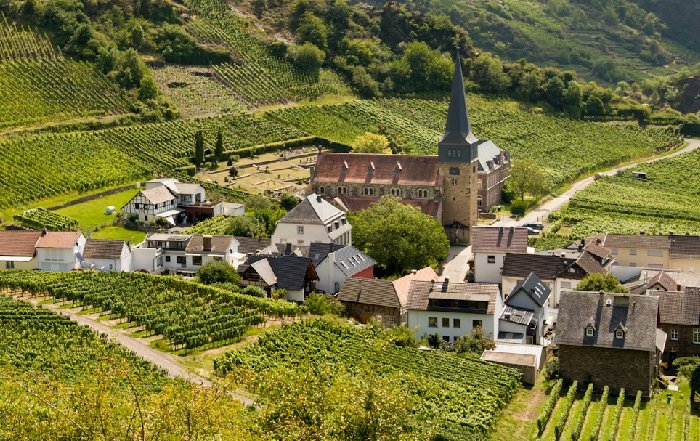
Research from the International Organisation of Vine and Wine highlights how European producers are experimenting with drought-tolerant rootstocks, canopy management techniques and new grape varieties, some of which were historically considered minor or unsuitable, to retain freshness and balance in a warming climate. In Germany, regions like the Rheingau and Mosel are integrating precision viticulture tools, including remote sensing and data analytics, to minimize inputs while maximizing quality, an approach that aligns closely with the technology-focused interests of readers who follow technology and education on WorldsDoor. Meanwhile, in Italy and Spain, cooperatives are pooling resources to invest in shared renewable energy infrastructure, such as solar arrays and small-scale wind turbines, demonstrating how collective action can reduce costs and accelerate the transition to low-carbon production.
New World Leaders: Innovation at Scale
While Old World regions are adapting venerable traditions, New World producers in North America, South America, Australia, New Zealand and South Africa are using their relative regulatory flexibility to test more radical models of sustainable winegrowing. In the United States, regions such as Napa Valley, Sonoma, Willamette Valley and Finger Lakes are expanding participation in programs that align with the U.S. Department of Agriculture climate-smart initiatives, leveraging federal incentives to adopt efficient irrigation systems, electrified equipment and on-site renewable energy. Canadian regions in British Columbia and Ontario are similarly investing in cold-hardy varieties and energy-efficient winery architecture that reduces heating and cooling demands in variable climates.
In South America, Chile and Argentina have emerged as global case studies in water stewardship and mountain viticulture. Chilean producers, working with entities such as Vinos de Chile, are implementing watershed-level planning that recognizes the shared nature of Andean snowmelt, while Argentine estates in Mendoza and Patagonia are modernizing centuries-old irrigation canals with digital monitoring and drip systems to reduce losses. Organizations like the World Resources Institute have documented how these water-smart approaches are critical in arid regions where vineyards compete with urban and agricultural users for limited supplies. In Australia and New Zealand, where bushfires and extreme weather have become more frequent, producers are collaborating with the Commonwealth Scientific and Industrial Research Organisation and local universities to develop smoke-taint detection technologies, fire-resilient landscape design and insurance mechanisms that can stabilize rural economies under stress.
Climate Risk, Adaptation and the Geography of Wine
As climate change reshapes global agriculture, wine has become one of the most visible barometers of shifting conditions, partly because grapevines are highly sensitive to temperature and precipitation patterns and partly because wine carries strong cultural and economic significance in many countries. Analysis from the Food and Agriculture Organization of the United Nations underscores that wine regions in Europe, North America, South America, Africa and Asia are all experiencing some combination of earlier harvests, higher sugar levels, new pest pressures and increased risk of frost or heatwaves. These changes are forcing producers to make strategic decisions about site selection, varietal choices, canopy management and harvest timing, and in some cases to contemplate moving vineyards to higher altitudes or more poleward locations.
In Northern Europe, countries such as the United Kingdom, Sweden, Norway and Denmark are experiencing a quiet viticultural renaissance as milder temperatures make grape growing more viable. English sparkling wine producers, who once were seen as experimental outliers, are now winning international recognition and investing in long-term sustainability plans that include hedgerow restoration, renewable energy and wildlife corridors, aligning with conservation principles promoted by organizations like the Royal Society for the Protection of Birds. In Asia, emerging regions in China, Japan, Thailand and South Korea are integrating lessons from European and New World counterparts while adapting them to monsoon climates, steep terrains and different land-use patterns. For WorldsDoor readers following world developments, these shifts illustrate how climate adaptation is not an abstract concept but a daily operational reality that is redrawing the wine map in real time.
Technology, Data and the Smart Vineyard
In 2026, sustainability in wine is increasingly data-driven. Vineyards from California to Spain and from South Africa to New Zealand are deploying sensors, drones and satellite imagery to monitor soil moisture, vine health and microclimatic variations, allowing growers to apply water, nutrients and crop protection only where and when they are needed. This precision approach reduces waste, cuts emissions and can improve grape quality, but it also requires a new set of skills and partnerships that blend agronomy, data science and engineering. Technology providers, often in collaboration with universities and research institutes, are building platforms that integrate weather forecasts, historical yield data and real-time sensor inputs, giving vineyard managers decision-support tools that were unimaginable a generation ago.
Organizations such as the International Organisation for Standardization are developing frameworks for environmental and quality management that many wineries now use as benchmarks for their digital and operational systems, while industry groups and technology companies collaborate through conferences and networks documented by outlets like Wine Business Monthly. For a platform like WorldsDoor, which regularly explores the intersection of technology, business and society, the smart vineyard exemplifies how digital transformation can support environmental objectives without losing sight of craftsmanship and regional identity.
Social Sustainability: Workers, Communities and Equity
The sustainability story of wine regions is not limited to environmental metrics or technological advances; it also encompasses the social fabric that makes wine possible. Vineyard workers, cellar staff, seasonal migrants and local communities all play crucial roles in the production chain, and in 2026 there is growing recognition that ethical labor practices, fair wages, safe working conditions and inclusive governance are essential components of a truly sustainable wine sector. Organizations such as Fairtrade International and certification schemes like B Corp have encouraged wineries in South Africa, Chile, Argentina, the United States and Europe to examine their labor practices, community investments and governance structures, and to commit to transparent reporting and continuous improvement.
Reports from the International Labour Organization highlight ongoing challenges, including seasonal employment insecurity, exposure to heat and agrochemicals, and limited access to training and upward mobility for workers. In response, some regions have launched collaborative programs that provide housing, healthcare access and education initiatives for vineyard communities, aligning with broader sustainable development goals promoted by the United Nations. For readers of WorldsDoor interested in ethics, health and society, these developments illustrate that a bottle of sustainably produced wine should reflect not only responsible land stewardship but also respect for human dignity and community well-being.
Tourism, Lifestyle and the Sustainable Wine Experience
Wine regions have long been magnets for travelers seeking culture, gastronomy and scenic landscapes, and by 2026 sustainable wine tourism has become a powerful driver of regional development as well as a platform for environmental and social education. Destinations in France, Italy, Spain, Portugal, the United States, South Africa, Australia, New Zealand and South America are rethinking their tourism strategies to prioritize low-impact travel, local sourcing and authentic engagement with communities. Many wineries now offer immersive experiences that include biodiversity walks, soil workshops, farm-to-table dining and discussions about water use, energy systems and climate adaptation, allowing visitors to connect the pleasure of tasting to the broader context of sustainability.
Organizations such as the World Tourism Organization and the Global Sustainable Tourism Council have developed guidelines that regions are using to align their wine routes and hospitality offerings with best practices in environmental management, cultural preservation and community benefit. For WorldsDoor readers who explore travel, food and lifestyle, sustainable wine tourism offers a model of how leisure can be harmonized with responsible consumption, where visitors are encouraged not only to enjoy local wines but also to understand the ecological and social systems that make those wines possible.
Governance, Certification and Consumer Trust
As sustainability claims proliferate on wine labels and in marketing materials, the question of trust has become central. Consumers in North America, Europe, Asia and beyond are increasingly discerning about the credibility of environmental and social assertions, and they are looking for third-party verification and transparent communication. Certification schemes such as Organic, Demeter Biodynamic, Sustainable Winegrowing, Fairtrade and B Corp each offer different lenses on what constitutes responsible practice, while regional programs in California, New Zealand, Chile, South Africa and Europe add further layers of assurance. However, the diversity of labels can also create confusion, making it important for producers and regulators to communicate clearly about standards, scope and limitations.
Organizations like the International Wine and Spirit Competition and the Decanter World Wine Awards have begun to integrate sustainability criteria into their evaluation frameworks, recognizing that excellence today must consider not only sensory quality but also environmental and social impact. At the same time, digital tools and blockchain-based traceability systems are emerging as ways to document vineyard practices, supply chain steps and carbon footprints in a verifiable manner. For a platform like WorldsDoor, which emphasizes Experience, Expertise, Authoritativeness and Trustworthiness across its global coverage, the evolution of certification and transparency in wine offers a compelling case study in how industries can build and maintain consumer confidence in an era of heightened scrutiny.
Health, Moderation and the Evolving Role of Wine
Sustainability in wine regions also intersects with evolving understandings of health, moderation and responsible consumption. Over the past several years, research summarized by public health authorities such as the World Health Organization has prompted more nuanced conversations about alcohol and well-being, challenging simplistic narratives that once emphasized only the potential cardiovascular benefits of moderate wine consumption. In response, many producers and regional bodies are reframing their messaging to emphasize quality over quantity, mindful drinking and the role of wine as part of a balanced lifestyle that includes nutritious food, physical activity and social connection.
This shift aligns with broader trends in wellness and conscious consumption that WorldsDoor explores across its health and lifestyle coverage, where readers are increasingly interested in how to integrate cultural pleasures like wine into a holistic approach to physical and mental well-being. Some regions are partnering with nutritionists, medical professionals and educators to develop guidelines and campaigns that encourage informed choices, while also offering non-alcoholic or low-alcohol options that allow more people to participate in the cultural experience of wine without compromising personal or religious preferences. In this way, sustainable wine regions are not only reducing their environmental footprints but also engaging thoughtfully with the social and health dimensions of their products.
Toward a Regenerative Wine Economy
It becomes evident that wine regions redefining sustainability are doing more than adjusting vineyard practices; they are participating in the creation of a regenerative wine economy that can serve as a template for other sectors. This emerging model recognizes that long-term prosperity depends on healthy soils, stable climates, thriving communities and informed consumers, and that short-term gains achieved at the expense of these foundations are ultimately self-defeating. By investing in regenerative agriculture, renewable energy, water stewardship, ethical labor practices, transparent certification and responsible tourism, leading wine regions are demonstrating how a traditionally prestige-driven industry can align itself with the planetary boundaries and social expectations of the twenty-first century.
For the global often travel or business-focused audience of WorldsDoor, which usually includes North America, Europe, Asia, Africa and South America and engages deeply with themes of environment, innovation, sustainable development, ethics and society, the transformation of wine regions offers both inspiration and practical insight. It shows that even industries rooted in tradition and luxury can embrace evidence-based change, collaborate across borders and disciplines, and communicate honestly with consumers about both achievements and remaining challenges. As climate pressures intensify and expectations for corporate responsibility rise, the lessons emerging from vineyards in California, Bordeaux, Tuscany, the Cape, Marlborough, the Mosel, the Douro, the UK, China and beyond will continue to shape not only what is poured into glasses, but also how businesses everywhere think about resilience, responsibility and the legacy they leave for future generations.