

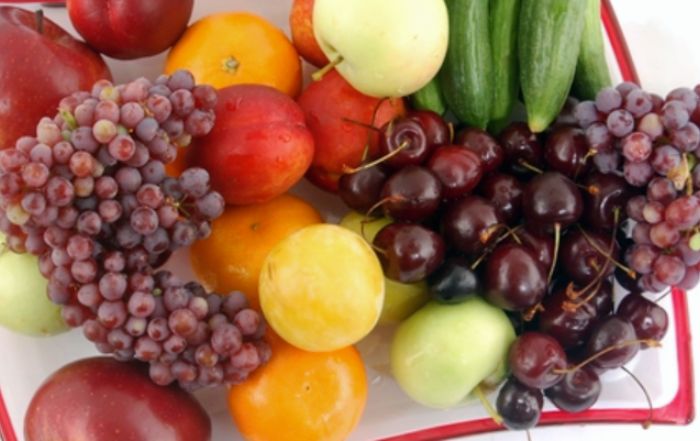
Nutrition at the Center of Global Food Security
A New Era of Food Security: From Calories to Comprehensive Nutrition
As the world moves deeper into the second half of the 2020s and the global population edges beyond 8.2 billion, the debate around food security has shifted decisively from quantity to quality. Governments, businesses, and civil society organizations increasingly recognize that the mere presence of food on plates does not guarantee health, productivity, or social stability. In 2026, the central question is no longer only whether people have enough to eat, but whether they have access to diets that are safe, diverse, culturally appropriate, and nutritionally adequate. For WorldsDoor, whose readers span regions from North America and Europe to Asia, Africa, and South America, this evolution is more than a policy trend; it is a lived reality shaping health, travel, culture, lifestyle, business, technology, and the environment in every corner of the globe.
The scientific, economic, and ethical case for prioritizing nutrition has become unequivocal. Research from organizations such as the Food and Agriculture Organization (FAO) and the World Bank shows that more than 3 billion people still cannot afford a healthy diet, even as global agricultural output has grown substantially. At the same time, diet-related noncommunicable diseases are rising across high- and middle-income countries, straining healthcare systems from the United States and United Kingdom to Brazil, China, and South Africa. Readers seeking broader context on how these trends intersect with planetary systems can explore the Environment insights at WorldsDoor, where climate, food, and health are examined as part of a single interconnected ecosystem.
For a platform like WorldsDoor, which connects global audiences with stories that bridge health, society, and innovation, nutrition is not a narrow topic confined to dietetics or agriculture. It is a cross-cutting lens through which to understand economic development, education, cultural identity, ethical decision-making, and the future of cities and rural communities alike. Whether readers are exploring business transformations, lifestyle shifts, or global societal changes, nutrition increasingly appears as a foundational thread.
Redefining Food Security Through a Nutritional Lens
The modern definition of food security, as articulated by the United Nations Committee on World Food Security, is inherently multidimensional. It emphasizes that all people, at all times, must have physical, social, and economic access not only to sufficient and safe food, but to food that is nutritious and aligned with their preferences for an active and healthy life. This definition elevates the concept of utilization, which focuses on how the human body absorbs and uses nutrients, to the same level of importance as availability and access. It is a subtle but profound shift that forces policymakers, businesses, and communities to reconsider how they design food systems.
In practice, this means that a nation can achieve self-sufficiency in staple crops and still suffer from widespread malnutrition if diets lack diversity and essential micronutrients. It also means that high-income countries, where supermarket shelves are overflowing, may still be food insecure in a nutritional sense if large segments of the population depend on cheap, ultra-processed foods. Institutions such as the World Health Organization (WHO) have repeatedly underscored that nutrition security is a prerequisite for achieving the Sustainable Development Goals, linking it directly to health, education, gender equality, and economic growth. Those interested in how these global frameworks translate into everyday realities can learn more about world developments through WorldsDoor's global coverage.
For readers across Canada, Germany, Australia, Japan, and beyond, this reframing has practical implications. It affects school meal standards, workplace wellness strategies, national dietary guidelines, and the design of social protection programs. At a personal level, it influences how families make food choices, how travelers assess local cuisines, and how communities advocate for better access to fresh, nutrient-rich foods in both urban and rural areas.
The Double Burden of Malnutrition: Hunger and Obesity Side by Side
One of the most striking and troubling features of the 21st-century nutrition landscape is the coexistence of undernutrition and obesity within the same countries, communities, and even households. This "double burden" is visible in low- and middle-income countries across Asia, Africa, and Latin America, as well as in marginalized communities in high-income nations such as the United States, United Kingdom, and France. Children may suffer from stunting and micronutrient deficiencies while adults in the same family are overweight or obese, often as a result of reliance on inexpensive, energy-dense, nutrient-poor foods.
This paradox reveals structural weaknesses in global food systems. The expansion of globalized supply chains, aggressive marketing of processed foods, and the relative affordability of refined carbohydrates and fats have contributed to a homogenization of diets worldwide. Traditional eating patterns in countries such as Italy, Spain, and Thailand, once rich in plant-based diversity, whole grains, and minimally processed foods, are increasingly displaced by fast food, sugary beverages, and packaged snacks. Public health agencies, including UNICEF and the Global Nutrition Report, warn that without decisive action, diet-related noncommunicable diseases will continue to rise, placing immense pressure on healthcare systems and undermining productivity. Readers can explore more about health and nutrition trends in WorldsDoor's health-focused coverage, which connects these global statistics to personal and community experiences.
For businesses and policymakers, the double burden demands integrated strategies that address both undernutrition and overweight simultaneously. School feeding programs, urban planning, fiscal measures such as sugar taxes, and front-of-pack labeling all need to be designed with a dual objective: preventing nutrient deficiencies while discouraging excess intake of harmful ingredients. For individuals, it underscores the importance of not only caloric sufficiency but dietary quality, diversity, and balance.
Hidden Hunger: Micronutrient Deficiencies and Their Far-Reaching Costs
Beyond visible forms of malnutrition such as wasting or obesity lies the less obvious but equally damaging phenomenon known as "hidden hunger" - micronutrient deficiencies that impair health and development even when caloric intake appears adequate. Deficiencies in iron, vitamin A, iodine, zinc, and folate remain widespread in regions from South Asia and Sub-Saharan Africa to parts of Eastern Europe and Latin America, affecting children, adolescents, and women of reproductive age most acutely. Organizations like UNICEF and Nutrition International have documented how these deficiencies reduce cognitive performance, increase susceptibility to infections, and diminish work capacity, thereby entrenching cycles of poverty.
The economic burden is immense. The World Bank has estimated that countries can lose several percentage points of GDP annually due to the combined impact of reduced productivity, higher healthcare costs, and lower educational attainment linked to poor nutrition. In countries such as India and Nigeria, where youth populations are large and growing, the opportunity cost of failing to address hidden hunger is particularly severe, as it undermines the potential of an entire generation. For readers interested in how nutrition intersects with economic development and labor markets, WorldsDoor's business analysis offers additional perspectives on the cost-benefit calculus of investing in nutrition.
Addressing hidden hunger requires a mix of strategies: dietary diversification, supplementation programs, fortification of staple foods, and public health campaigns that promote breastfeeding and appropriate complementary feeding. It also requires robust data systems that can track nutrient intake and deficiencies at granular levels, enabling targeted interventions. Platforms such as the Global Nutrition Report and the FAO's food security dashboards provide valuable insights, but local data collection and community engagement remain indispensable.
Nutrition-Sensitive Agriculture and the Future of Food Production
In many parts of the world, agricultural success has long been measured in terms of yield per hectare and total caloric output. This focus on quantity, while historically understandable, is increasingly misaligned with contemporary needs. As climate change, soil degradation, and biodiversity loss intensify, and as the global burden of diet-related diseases grows, a new paradigm is emerging: nutrition-sensitive agriculture. This approach seeks to design farming systems that explicitly contribute to improved dietary quality and health outcomes while remaining environmentally sustainable.
Organizations such as HarvestPlus, CGIAR, and GAIN (Global Alliance for Improved Nutrition) have been at the forefront of this shift, working with governments and farmers in countries from Bangladesh and Rwanda to Peru and Ethiopia. Their efforts range from promoting nutrient-dense crops and biofortified varieties to supporting value chains that connect smallholder farmers with local markets for fruits, vegetables, legumes, and animal-source foods. Readers who wish to learn more about sustainable food production and environmental resilience will find that these initiatives sit at the intersection of agricultural innovation and climate adaptation.
For audiences in Europe, North America, and Oceania, nutrition-sensitive agriculture is also relevant through the lens of regenerative farming, local food movements, and the rise of short supply chains. Farmers in Germany, Netherlands, New Zealand, and Canada are experimenting with diversified cropping systems, agroforestry, and organic practices that enhance soil health and nutrient density while reducing reliance on synthetic inputs. These approaches not only support healthier diets but also align with consumer demand for traceability, ethical sourcing, and environmental stewardship.
Biofortification, Crop Diversity, and the Power of Plant Genetics
Among the most promising tools for addressing micronutrient deficiencies in low-resource settings is biofortification, the process of breeding staple crops to contain higher levels of key vitamins and minerals. Initiatives led by organizations like HarvestPlus and research centers within CGIAR have already reached millions of people with iron-rich beans in Rwanda, vitamin A cassava in Nigeria, and zinc-enhanced wheat in India and Pakistan. These innovations are designed to integrate seamlessly into existing dietary patterns, making them particularly effective in rural areas where people depend heavily on a few staple crops and have limited access to fortified packaged foods or supplements.
While biofortification is not a substitute for dietary diversity, it is a powerful complement, especially in fragile contexts where rapid improvements in diet quality are difficult to achieve. At the same time, the broader agenda of crop diversification remains critical. Encouraging farmers to cultivate a variety of grains, legumes, fruits, and vegetables enhances resilience to climate shocks, pests, and price volatility, while expanding the range of nutrients available to local communities. Initiatives that promote indigenous and underutilized crops in regions such as West Africa, Andean South America, and Southeast Asia are also helping to preserve culinary traditions and cultural heritage, themes that resonate strongly with readers interested in global culture and foodways.
For a deeper understanding of how plant science and genetics are reshaping food systems, readers can explore resources from institutions like the CGIAR and the International Food Policy Research Institute (IFPRI), which analyze the trade-offs and opportunities involved in scaling biofortified crops alongside broader food system reforms.
Climate Change, Environmental Stress, and Nutritional Risk
Climate change has moved from a distant concern to a daily reality in many parts of the world, with profound implications for nutrition. Rising temperatures, shifting rainfall patterns, and more frequent extreme weather events affect crop yields, livestock health, fisheries, and food prices. Emerging research, including work highlighted by the EAT-Lancet Commission, indicates that elevated atmospheric carbon dioxide levels can reduce the concentrations of protein, iron, and zinc in key staple crops such as wheat and rice, potentially exacerbating micronutrient deficiencies for billions of people who rely heavily on these foods.
At the same time, the global food system is itself a major driver of greenhouse gas emissions, land-use change, and freshwater depletion. Livestock production, in particular, contributes significantly to emissions, while also raising questions about animal welfare, antibiotic use, and long-term health impacts when consumed in excess. For readers following WorldsDoor's technology and innovation coverage, this dual challenge has catalyzed a wave of experimentation in areas such as plant-based proteins, precision fermentation, vertical farming, and regenerative grazing.
Cities across Europe, Asia, and North America - from Amsterdam and Copenhagen to Singapore and New York - are exploring urban agriculture, rooftop gardens, community-supported agriculture, and circular food systems to reduce emissions, cut food waste, and increase access to fresh produce. These initiatives demonstrate how climate mitigation and nutritional improvement can be pursued simultaneously, reinforcing the message that environmental and health objectives are not in competition but deeply aligned. Readers can learn more about sustainable business practices and their implications for food systems through WorldsDoor's dedicated sustainability coverage.
Urbanization, Lifestyle Change, and the Global Nutrition Transition
Urbanization continues to reshape dietary patterns worldwide. As more people move into cities in China, India, Nigeria, Mexico, and beyond, food environments are transformed by the proliferation of supermarkets, fast-food outlets, and convenience stores. Time constraints, marketing pressures, and changing social norms often lead to increased consumption of ultra-processed foods high in sugar, salt, and unhealthy fats, a phenomenon known as the nutrition transition. Simultaneously, urban residents may face "food deserts" or "food swamps," where affordable, fresh, and healthy options are scarce compared to energy-dense, nutrient-poor alternatives.
Municipal governments and public health authorities are responding with a variety of policy tools. Measures such as restrictions on junk food advertising near schools, mandatory calorie labeling in restaurant chains, subsidies for fresh produce in low-income neighborhoods, and zoning regulations to support local markets are being tested in cities from London and Toronto to Bangkok and Cape Town. These urban experiments are critical laboratories for understanding how to reshape food environments in ways that make the healthy choice the easy choice. For readers interested in how these shifts intersect with everyday living, WorldsDoor's lifestyle features explore the changing habits, aspirations, and constraints faced by urban dwellers across continents.
Urbanization also offers opportunities. Higher population density can support more efficient distribution networks for fresh food, facilitate the growth of plant-based and alternative protein markets, and enable digital platforms that connect consumers directly with local producers. For travelers exploring new cuisines in Italy, Japan, Thailand, or Brazil, these trends are visible in the juxtaposition of traditional markets and cutting-edge food tech hubs, a contrast that WorldsDoor highlights in its travel and food stories.
Trade, Policy, and the Global Governance of Nutrition
Global trade and policy frameworks play a decisive role in shaping what food is produced, processed, and consumed, and by whom. Trade agreements influence tariffs, subsidies, and standards that can either support or undermine local, nutritious food systems. In some Pacific Island countries, for example, the influx of cheap, imported processed foods has contributed to some of the world's highest rates of obesity and diabetes, displacing traditional diets that were once rich in fresh fish, root crops, and tropical fruits. Similar patterns have emerged in parts of Caribbean, Sub-Saharan Africa, and Southeast Asia, where changes in trade policy have altered the relative prices of healthy and unhealthy foods.
Institutions such as the World Trade Organization (WTO), World Health Organization (WHO), and regional blocs like the European Union and African Union are increasingly confronted with the need to consider nutritional outcomes when negotiating trade rules and regulatory standards. Efforts to promote healthier food systems include harmonizing nutrition labeling, restricting trans fats, and supporting the cross-border movement of fresh, nutrient-dense foods. For readers who wish to understand how these high-level decisions cascade down to everyday choices in supermarkets and restaurants, WorldsDoor's world affairs coverage offers accessible analysis of complex policy debates.
At the national level, governments are experimenting with fiscal policies such as sugar-sweetened beverage taxes, subsidies for fruits and vegetables, and reforms to agricultural support schemes that historically favored commodity crops over horticulture. These measures, when combined with education, marketing restrictions, and social protection programs, can shift incentives along the entire value chain, encouraging food companies to reformulate products and consumers to adopt healthier diets. External resources such as the WHO nutrition pages and the FAO's policy briefs provide further insight into the evolving landscape of nutrition governance.
People at the Core: Women, Youth, and Community Agency
While technology, policy, and global institutions are crucial, the future of nutrition security ultimately depends on people - particularly women, youth, and local communities who shape food environments every day. Women remain central to food production, preparation, and caregiving in much of the world, yet they often lack equal access to land, credit, education, and decision-making power. Organizations such as UN Women, CARE International, and the Bill & Melinda Gates Foundation have demonstrated that empowering women with resources and knowledge leads to measurable improvements in child nutrition, household food security, and community resilience.
Youth engagement is equally vital. With median ages under 30 in many countries across Africa, Asia, and Latin America, a new generation of "agripreneurs," food technologists, and social innovators is emerging. Programs like the Youth Agripreneurs Project and 4-H Global encourage young people to see agriculture and nutrition as dynamic, technology-enabled fields with real career potential. For WorldsDoor's readers interested in education and social change, these youth-led initiatives highlight how learning, entrepreneurship, and civic engagement can converge to transform local food systems.
Community-based approaches, from kitchen gardens and farmer cooperatives to school feeding committees and neighborhood food councils, are proving that bottom-up action is indispensable. They ensure that interventions are culturally appropriate, locally owned, and responsive to the specific needs of groups ranging from indigenous communities in Canada and New Zealand to informal settlements in Kenya and Brazil. These stories of agency and resilience align closely with WorldsDoor's mission to connect global readers with grounded, human-centered narratives about society, ethics, and culture, which are explored further in the society and ethics sections.
Technology, Data, and Innovation: Building Smarter Nutrition Systems
Technological innovation is reshaping how nutrition challenges are understood and addressed. Digital health platforms, mobile applications, and AI-driven analytics enable more precise targeting of interventions and more personalized guidance for individuals. Apps such as FoodSwitch, MyFitnessPal, and Yuka allow consumers to scan barcodes and receive instant feedback on the nutritional quality of products, influencing purchasing decisions in supermarkets from New York to Sydney. In low-resource settings, SMS-based services and community radio programs provide breastfeeding advice, complementary feeding tips, and hygiene information to caregivers who may lack access to formal healthcare systems.
Governments and international organizations increasingly rely on data-driven tools such as the FAO's food security dashboards and the Global Nutrition Report to monitor trends, allocate resources, and evaluate the impact of policies and programs. Emerging technologies in genomics, metabolomics, and microbiome research are laying the groundwork for more personalized nutrition, though questions of equity, privacy, and accessibility remain. Meanwhile, blockchain and digital traceability systems are being used by companies like AgUnity to enhance transparency in supply chains, ensuring that smallholder farmers receive fair compensation and that consumers can verify the origins and quality of their food.
For readers following WorldsDoor's innovation-focused coverage, these developments illustrate how nutrition is becoming a testbed for broader digital transformation in health, agriculture, and commerce. However, they also highlight the importance of governance, ethics, and inclusivity, as technological solutions must be designed to serve diverse populations across Asia, Africa, Europe, and the Americas, not only affluent early adopters.
Private Sector Responsibility and Opportunity
The private sector, from global food conglomerates to small and medium-sized enterprises, wields enormous influence over what people eat. Over the past decade, major companies such as Danone, and Unilever have announced commitments to reduce sugar, salt, and unhealthy fats in their products, expand the availability of fortified foods, and invest in plant-based alternatives. Initiatives like Danone's One Planet. One Health and Nestlé's fortification programs in low-income regions demonstrate an increasing awareness that long-term business success is tied to public health and environmental sustainability.
Yet tensions remain between commercial imperatives and public health goals. Critics argue that voluntary corporate pledges often fall short of what is needed, especially when aggressive marketing of ultra-processed foods to children and vulnerable populations continues. This has prompted governments in regions from Europe to Latin America to implement stricter regulations on labeling, advertising, and product formulation. For readers interested in the intersection of corporate strategy, regulation, and social responsibility, WorldsDoor's business reporting explores how companies are navigating these pressures and where genuine innovation is emerging.
Alongside multinationals, a vibrant ecosystem of startups and social enterprises is reimagining how food is produced, distributed, and consumed. Companies using blockchain to support smallholder farmers, platforms that connect surplus food to communities in need, and ventures pioneering novel ingredients such as insect protein or algae-based foods are expanding the boundaries of what nutrition solutions can look like. These entrepreneurial efforts, often led by young founders in hubs from Berlin and London to Singapore and Nairobi, reflect a broader cultural shift toward aligning profit with purpose.
Multilateral Collaboration and the Road Beyond 2025
The period between 2016 and 2025, designated as the United Nations Decade of Action on Nutrition, has catalyzed a wave of commitments and initiatives across sectors. Frameworks such as the Global Nutrition Targets 2025, endorsed by the World Health Assembly, set measurable goals for reducing stunting, wasting, anemia, and childhood overweight. The Scaling Up Nutrition (SUN) Movement has fostered collaboration among more than 60 countries, UN agencies, donors, civil society, and businesses, emphasizing coordinated, country-led action.
As the world moves beyond 2025, attention is turning to how these commitments will be renewed, strengthened, and integrated into broader agendas such as climate resilience, digital transformation, and post-pandemic recovery. International financial institutions including the World Bank, International Fund for Agricultural Development (IFAD), and Asian Development Bank (ADB) are embedding nutrition indicators into investments in agriculture, social protection, and infrastructure. Research and advocacy platforms such as the EAT-Lancet Commission continue to articulate visions for food systems that support both human and planetary health.
For WorldsDoor's global readership, these multilateral efforts are not abstract diplomatic exercises; they shape the policies that determine school meals in France, agricultural subsidies in Brazil, social safety nets in South Africa, and food labeling standards in Japan. By following coverage across world, environment, and business sections, readers can trace how international frameworks translate into concrete changes in their own countries and communities.
A Shared Future: From Food Quantity to Nutrition Quality
As 2026 unfolds, the global community stands at a pivotal moment in the journey from food quantity to nutrition quality. The scientific evidence is clear, the economic rationale is compelling, and the moral imperative is undeniable: no society can achieve sustainable prosperity while large segments of its population are held back by hunger, hidden hunger, or diet-related disease. Nutrition must therefore be treated as a foundational element of health systems, education policies, labor strategies, environmental planning, and economic development.
For WorldsDoor and its worldwide audience, this transformation offers both challenges and opportunities. It calls on individuals to make informed food choices, on educators to integrate nutrition into curricula, on health professionals to prioritize food-based prevention, on businesses to align products with long-term wellbeing, and on governments to design policies that make healthy diets accessible and affordable to all. It also invites travelers, culture enthusiasts, technologists, and entrepreneurs to see food not only as a source of pleasure or profit, but as a vehicle for equity, resilience, and shared progress.
By connecting stories from United States cities and European farms to Asian megacities, African villages, and Latin American markets, WorldsDoor aims to open a window onto this evolving landscape, helping readers understand how their own choices and voices fit into a global movement toward nutrition-centered food security. In doing so, it underscores a simple but profound truth: building a future where everyone can thrive begins with ensuring that everyone can eat well - not just enough, but well - in a way that honors both human dignity and the planet we share.