

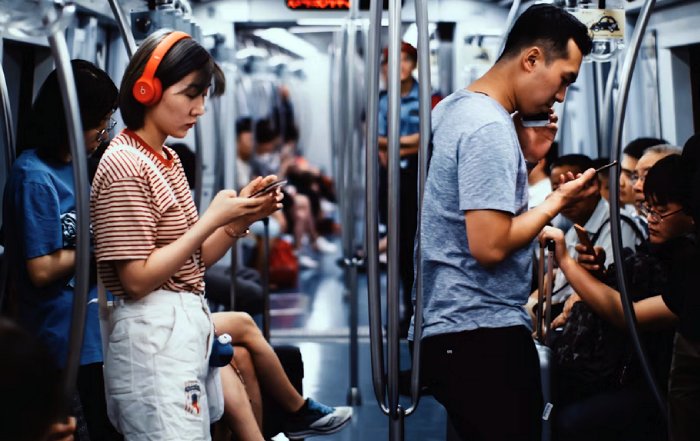
Lifestyle Changes Driven by Global Connectivity
A Mature Era of Interconnected Living
Global connectivity has moved beyond the phase of rapid adoption and experimentation into a more mature, deeply embedded reality that shapes how people live, work, learn, travel, and consume across continents. What once felt like a disruptive wave of digital transformation has become the underlying fabric of daily routines in the United States, the United Kingdom, Germany, Canada, Australia, France, Italy, Spain, the Netherlands, Switzerland, China, Sweden, Norway, Singapore, Denmark, South Korea, Japan, Thailand, Finland, South Africa, Brazil, Malaysia, New Zealand and other regions across Europe, Asia, Africa, North America and South America. For WorldsDoor.com, this is not an abstract macro-trend but the lived context of its readers, who turn to the platform to make sense of how hyper-connectivity influences their choices in lifestyle, culture, business, technology and beyond.
The technological foundations of this era-widespread 5G, early deployments of 6G, cloud-native applications, edge computing, and nearly universal smartphone penetration-are well documented by institutions such as the International Telecommunication Union and the World Bank, whose digital development programs continue to track progress in access, affordability and inclusion. Those seeking a data-driven perspective on this transformation can explore current global indicators on the World Bank's digital development pages. Yet, for the community that gathers around WorldsDoor.com, the central question is no longer whether the world is connected, but how that connectivity is reshaping identity, opportunity, responsibility and well-being in ways that are at once global in scope and intensely local in expression.
People in Berlin collaborate in real time with colleagues to reach audiences in London, New York and Tokyo; families in Seoul or Cape Town cook Mediterranean, Latin American or Nordic dishes while following streaming tutorials and social feeds. These patterns show that individuals are not simply consuming global content but actively co-creating a shared digital commons. At the same time, they are negotiating new boundaries around privacy, attention, and cultural authenticity, challenges that WorldsDoor.com examines through its coverage of world affairs and society. In 2026, the story of connectivity is, above all, a story about how people choose to live when distance, time zones and borders no longer define the limits of their everyday possibilities.
Connected Work, Business Strategy, and Professional Identity
The most visible and enduring lifestyle transformation remains the reconfiguration of work. By 2026, remote and hybrid models are no longer framed as temporary responses to crisis; they are established components of labor markets in North America, Europe, Asia-Pacific, and increasingly in Africa and Latin America. Professionals in London, New York, Toronto, Sydney, Paris, Milan, Madrid, Amsterdam, Zurich, Shanghai, Stockholm, Oslo, Copenhagen, Seoul and Tokyo build careers that depend less on physical proximity to corporate headquarters and more on digital fluency, cross-cultural competence and the ability to manage asynchronous collaboration.
Analyses from organizations such as the Organisation for Economic Co-operation and Development (OECD) show that digitalization is redefining not only where work is done but how value is created and measured, with implications for wages, skills and social protection. Executives and policy makers can review emerging patterns in productivity, automation and job quality through the OECD's digital economy insights. For the readership of WorldsDoor.com, which regularly engages with its in-depth business analysis, these insights are not merely academic; they inform decisions about career planning, talent strategy and investment in continuous learning.
Small and medium-sized enterprises in Germany, the Netherlands or Sweden now sell seamlessly to customers in Brazil, South Africa or Singapore via global e-commerce ecosystems, while startups in Singapore or Tel Aviv tap design talent in Italy or Spain and engineering capacity in India or Vietnam. Cloud-based collaboration, secure video conferencing and digital payment systems have democratized access to global markets that were once reserved for large multinationals. This has intensified competition but also unlocked new pathways for entrepreneurial growth, particularly in regions like Southeast Asia, Eastern Europe and parts of Africa where digital infrastructure has improved rapidly over the past few years. Strategy consultancies such as McKinsey & Company track these shifts in global value chains and digital operating models, and interested readers can explore their perspectives through McKinsey's insights on technology and digital.
Yet the same technologies that enable borderless collaboration also blur the boundaries between work and personal life. Professionals in Canada or Australia may choose to live in smaller towns or rural communities while working for employers in major financial centers, while digital nomads from the United Kingdom, France or the United States rotate between hubs such as Lisbon, Chiang Mai, Bali and Mexico City. This flexibility offers new lifestyle possibilities, but it also introduces challenges related to burnout, digital presenteeism and the erosion of clear downtime. Institutions such as the World Economic Forum continue to highlight the importance of designing work around human sustainability as well as economic efficiency, and readers can review ongoing debates about digital well-being and the future of jobs via the World Economic Forum's future of work hub. In response, WorldsDoor.com increasingly emphasizes practical frameworks for setting boundaries, structuring hybrid workdays and aligning career choices with broader life goals, themes that intersect with its coverage of lifestyle and health.
Health, Well-Being, and the Expanded Digital Self
Health systems and personal well-being have undergone a profound digital shift that has only deepened by 2026. Telemedicine, once a niche or emergency service, is now a routine channel for primary care and specialist consultations in the United States, the United Kingdom, Germany, Canada, Singapore and other digitally advanced health systems, while many countries in Asia, Africa and South America increasingly rely on mobile health platforms to extend care into remote or underserved communities. The World Health Organization continues to document the impact of digital health on access, quality and equity, and those seeking a structured overview of current developments can explore the WHO's digital health resources.
For readers of WorldsDoor.com's health coverage, the proliferation of health apps, wearable devices and remote diagnostics has shifted the conversation from treatment to continuous self-management. Smartwatches and sensors now track heart rate variability, sleep stages, blood oxygen, glucose levels and stress indicators, while AI-enabled apps interpret patterns and suggest micro-adjustments in exercise, diet and daily routines. In cities from New York and Los Angeles to Berlin, Stockholm, Singapore, Seoul and Tokyo, individuals build personalized wellness ecosystems that integrate telehealth consultations, fitness platforms, mindfulness tools and nutrition trackers. Leading medical institutions such as Mayo Clinic and Cleveland Clinic publish evidence-based guidance on the benefits and limits of these technologies, and those who wish to ground their decisions in clinical research can consult resources such as Mayo Clinic's digital health information.
However, the expansion of the "digital self" raises complex questions about data governance, algorithmic bias and psychological impact. Constant monitoring can encourage proactive behavior, but it can also trigger anxiety, obsessive tracking or an overreliance on metrics at the expense of subjective well-being. Mental health, already strained by the always-on nature of social media and global news cycles, has emerged as a critical dimension of digital life. Institutions like the National Institute of Mental Health (NIMH) in the United States and NHS services in the United Kingdom continue to stress the importance of balanced digital habits, and individuals seeking practical strategies to protect mental health in an online world can review guidance on the NIMH's mental health materials. Reflecting these realities, WorldsDoor.com integrates mental health considerations into its broader discussions of lifestyle, career design and social engagement, encouraging readers to treat digital well-being as a core component of long-term health rather than a secondary concern.
Travel, Culture, and the Hybrid Global Explorer
In 2026, global connectivity has turned travel into a genuinely hybrid experience that blends physical journeys with rich layers of digital exploration. Travelers from Canada, Australia, France, Italy, Spain, the Netherlands and the Nordic countries plan trips through sophisticated online ecosystems, combining dynamic pricing tools, peer reviews, social media recommendations and immersive previews of destinations. Before setting foot in Tokyo, Bangkok, Cape Town or Rio de Janeiro, many have already toured museums virtually, followed local content creators, learned basic phrases via language apps and mapped out neighborhood-level experiences that reflect local culture rather than mass tourism.
For those who cannot or choose not to travel physically, high-quality virtual tours, live-streamed festivals and interactive museum experiences provide meaningful access to global heritage and contemporary culture. Organizations such as UNESCO continue to invest in digital documentation and presentation of cultural sites, and readers can explore how world heritage is preserved and shared through the UNESCO World Heritage portal. The audience of WorldsDoor.com, which engages deeply with travel and culture, expects coverage that goes beyond destination lists to address questions of authenticity, community impact and ethical engagement.
The rise of digital platforms that connect travelers directly with local hosts, guides and creative communities has opened new income streams for entrepreneurs in regions from Southeast Asia and Southern Europe to East Africa and Latin America. At the same time, it has intensified concerns about overtourism, cultural commodification and uneven economic benefits. The World Tourism Organization (UNWTO) continues to promote frameworks for sustainable, inclusive tourism, and those seeking to align their travel decisions with environmental and social responsibility can learn more about sustainable tourism. For many readers of WorldsDoor.com, travel is now evaluated not only in terms of personal enrichment but also in light of carbon footprints, community resilience and long-term cultural preservation.
Digital nomadism remains a powerful expression of connected lifestyles, with governments in countries such as Portugal, Estonia, Croatia, Thailand and Costa Rica refining visa regimes to attract location-independent professionals. This mobility offers individuals from the United States, United Kingdom, Germany or Brazil the chance to redesign their lives around experiences rather than fixed locations, but it also raises questions about housing affordability, local labor markets and social integration in host communities. Research organizations such as the Brookings Institution and Chatham House analyze the broader implications of remote work and global mobility for urban planning, taxation and social cohesion, and those interested in these systemic effects can explore the Brookings global economy and development pages. In its travel and society reporting, WorldsDoor.com highlights models of nomadism and long-stay travel that prioritize mutual benefit, cultural learning and respect for local realities.
Technology, AI, and the Texture of Everyday Life
While headline-grabbing innovations in artificial intelligence, quantum computing and robotics continue to capture global attention, the most pervasive impact of technology in 2026 is found in the quiet integration of intelligent systems into everyday routines. Homes in the United States, Germany, the United Kingdom, Singapore, South Korea and Japan increasingly rely on connected appliances, smart meters, security systems and voice assistants, while urban residents in London, Toronto, Melbourne, Amsterdam and Copenhagen navigate cities through integrated mobility apps that combine public transit, micromobility and shared vehicles. These developments are part of a broader wave of digital transformation documented by firms such as Gartner and McKinsey & Company, whose analyses help organizations benchmark their progress and investment priorities.
The expansion of artificial intelligence into consumer and professional services has changed how people discover information, manage finances, learn new skills and even seek preliminary medical or legal guidance. Recommendation engines shape exposure to news, entertainment and products; conversational agents assist with customer service, education and productivity; and AI-driven analytics support decision-making in fields as diverse as logistics, marketing, healthcare and urban planning. At the same time, the concentration of data and algorithmic power in a limited set of major technology companies-such as Google, Apple, Microsoft, Amazon and Meta-has intensified regulatory scrutiny and public debate. The European Union, the United States, the United Kingdom and other jurisdictions are advancing frameworks for data protection, competition and AI governance, and those who wish to track these evolving rules can consult resources on the European Commission's digital strategy pages.
For the readership of WorldsDoor.com, which follows technology and innovation not merely as consumers but as professionals and citizens, the central challenge is selecting and using tools in ways that enhance capability without undermining autonomy, ethics or mental health. The platform's coverage increasingly emphasizes digital literacy, critical evaluation of AI-generated content, and practical approaches to managing algorithmic influence in areas such as news consumption, financial decisions and personal relationships. In this sense, technology is framed not as an unstoppable force but as a set of choices that individuals, organizations and societies must navigate with clarity and intention.
Sustainability, Ethics, and Connected Responsibility
As connectivity has intensified, so too has awareness of the environmental and ethical implications of everyday decisions. The climate crisis, biodiversity loss and resource constraints are now understood by many readers not as distant scientific concerns but as immediate factors shaping housing, insurance, food prices, migration and public health. Digital networks have played a central role in disseminating the findings of bodies such as the Intergovernmental Panel on Climate Change (IPCC) and the United Nations Environment Programme (UNEP), enabling citizens, investors and policy makers to access data and scenarios that inform long-term planning. Those seeking authoritative climate science can review current assessments on the IPCC's official website.
Consumers in Germany, the Netherlands, the Nordic countries, the United Kingdom and parts of North America and Asia increasingly integrate sustainability into daily decisions, from energy-efficient homes and low-carbon transportation to plant-forward diets and circular-economy purchasing habits. At the same time, citizens in emerging economies across Asia, Africa and South America use social media and digital advocacy platforms to demand accountability from corporations and governments on issues ranging from deforestation and water use to labor rights and environmental justice. Global organizations such as Greenpeace and World Wildlife Fund (WWF) leverage this connected activism, and individuals wishing to align their consumption and investment choices with planetary boundaries can learn more about sustainable business practices through their public resources.
Ethical questions permeate many aspects of digital life: how personal data is collected and monetized; how AI systems may reinforce or challenge social biases; how the energy demands of data centers, cryptocurrencies and AI workloads affect emission trajectories; and how digital platforms influence democratic discourse. Legal frameworks such as the European Union's General Data Protection Regulation and emerging AI acts are complemented by the work of civil society organizations like the Electronic Frontier Foundation (EFF), which provides analysis and advocacy on digital rights. Readers interested in these issues can explore ongoing debates via the EFF's digital rights resources. Reflecting these concerns, WorldsDoor.com devotes sustained attention to ethics and society, positioning ethical reflection not as a specialist niche but as a core dimension of modern lifestyle design.
Education, Food, and the Everyday Exchange of Knowledge
Education in 2026 is characterized by hybridity and lifelong engagement. Traditional institutions in the United States, the United Kingdom, Germany, France, China, India, Brazil and other countries now operate blended models that combine in-person teaching with online modules, virtual labs and global collaboration projects. Professionals across sectors-from finance and healthcare to manufacturing and creative industries-regularly update their skills through micro-credentials, bootcamps and self-paced online courses. Universities and platforms such as MIT, Harvard University, Coursera and edX have expanded their catalogs to serve both degree-seeking students and mid-career learners, and those exploring structured learning options can review offerings on edX. For the audience of WorldsDoor.com, which follows education as a strategic tool for resilience, this democratization of knowledge represents a major opportunity, provided that learners develop the critical capacity to distinguish rigorous content from superficial or misleading material.
Food culture, another core interest of WorldsDoor.com readers, has been transformed by the same connectivity that reshapes work and learning. Recipes, techniques and ingredient sourcing information move fluidly across borders, allowing home cooks in the United States, Canada, the United Kingdom, Germany, Australia and New Zealand to experiment with Thai, Japanese, Mexican, Middle Eastern or West African cuisines using guidance from creators based in Bangkok, Tokyo, Mexico City, Beirut or Accra. Chefs and food entrepreneurs in South Africa, Brazil, Malaysia and other emerging culinary hubs build global followings through streaming platforms and social media, influencing restaurant trends and home cooking habits far beyond their local markets.
This cross-pollination has enriched diets and expanded palates, but it has also exposed tensions between authenticity, adaptation and commercialization, as traditional dishes are simplified, rebranded or mass-produced for global audiences. At the same time, rising concern about obesity, metabolic disease, food insecurity and the environmental footprint of agriculture has pushed nutrition and food systems into the center of public debate. Organizations such as the Food and Agriculture Organization (FAO) and the World Obesity Federation provide research on how global diets are evolving and how policy, industry and consumer behavior can support healthier and more sustainable outcomes. Readers seeking a systemic view of these issues can explore resources on the FAO's website. In response, WorldsDoor.com's food section integrates culinary exploration with attention to health, climate impact and cultural context, helping readers navigate choices that resonate with both personal values and global realities.
Digital tools also play a growing role in everyday food decisions. Grocery delivery platforms, meal kit services and nutrition-tracking apps allow individuals in cities from New York and Chicago to Berlin, Paris, Singapore and Hong Kong to tailor their diets to specific health goals, ethical preferences or time constraints. However, as WorldsDoor.com's health and lifestyle coverage emphasizes, the abundance of online advice and influencer-driven trends makes critical thinking indispensable. Evidence-based guidance, cultural sensitivity and an understanding of local economic conditions are all necessary to translate global food inspiration into practical, sustainable and inclusive everyday habits.
WorldsDoor.com as a Trusted Guide in a Connected World
Amid this dense web of technological, social, economic and cultural change, WorldsDoor.com positions itself as a trusted guide for readers who want not only to stay informed but to make coherent, values-aligned choices about how they live. Rather than treating health, travel, culture, lifestyle, business, world affairs, technology, environment, innovation, sustainability, ethics, society, education and food as isolated topics, the platform recognizes that they form an interconnected ecosystem. A decision to embrace remote work influences housing, travel, social networks and mental health; a shift toward plant-forward eating touches environmental impact, cultural heritage and personal well-being; an investment in AI tools raises questions about privacy, employment and long-term resilience.
By curating insights across its sections on business, technology, environment, innovation and more, WorldsDoor.com offers an integrated perspective that reflects the complexity of modern life while remaining accessible and actionable. The platform's editorial approach is grounded in experience, expertise, authoritativeness and trustworthiness, drawing on reputable external research while maintaining an independent, analytical voice. This aligns with the best practices articulated by institutions such as the Reuters Institute for the Study of Journalism, whose work on digital news consumption and trust can be explored through the Reuters Institute's research pages.
For readers across the United States, the United Kingdom, Germany, Canada, Australia, France, Italy, Spain, the Netherlands, Switzerland, the Nordic countries, China, Japan, South Korea, Singapore, Thailand, South Africa, Brazil, Malaysia, New Zealand and other regions, WorldsDoor.com serves as a global yet personal reference point. It recognizes that while connectivity has created shared challenges and opportunities, individuals still navigate them from distinct cultural, economic and generational vantage points. By presenting cross-regional perspectives and highlighting practical examples from around the world, the platform helps its audience see both the common patterns and the local nuances that define connected living in 2026.
Looking ahead, the trajectory of global connectivity will be shaped by advances in AI and communications infrastructure, by evolving regulatory frameworks, and by shifting social norms around privacy, work, consumption and identity. Yet certain guiding principles are likely to endure: the importance of digital literacy and critical thinking; the need to balance convenience with mental health and autonomy; the value of cross-cultural empathy in an interdependent world; and the central role of ethical and sustainable choices in safeguarding planetary and social stability. For those who wish to engage with these questions in an informed, reflective and practical way, WorldsDoor.com-accessible at worldsdoor.com-offers not just information but an ongoing, globally aware conversation about what it means to live well, responsibly and meaningfully in an age where connectivity is no longer a novelty but the defining context of modern life.