

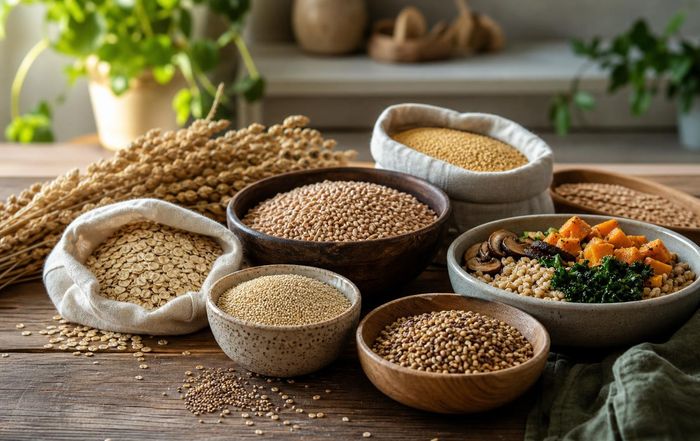
Why Local Grains Are Returning to Modern Kitchens
A quiet revolution in the pantry
Across restaurants, home kitchens and community bakeries from New York to Berlin, Sydney to Seoul, a quiet revolution is unfolding in the most modest corner of the pantry. Once overshadowed by standardized white flour and imported rice, local grains are returning to prominence, reshaping how people cook, eat and think about food. This movement, which has accelerated over the last decade and gained further momentum through the supply chain shocks of the early 2020s, is now maturing into a global shift that intertwines culinary pleasure with health, environment, culture and community resilience.
For readers coming here, who explore the 24/7 intersections of travel, culture, health and lifestyle, the resurgence of local grains is more than a food trend. It is a lens on how societies in the United States, Europe, Asia, Africa and beyond are rediscovering long-neglected crops, reviving regional traditions and building more sustainable food systems.
From forgotten fields to modern menus
For much of the twentieth century, industrial agriculture favored a narrow set of high-yield cereal varieties, especially modern wheat, maize and rice. According to the Food and Agriculture Organization of the United Nations (FAO), a relatively small number of crops now provide the majority of the world's calories, a pattern that brought efficiency but also contributed to dietary monotony and vulnerability to climate and market shocks. In many regions, traditional grains such as millet, sorghum, rye, buckwheat and heritage wheats were pushed to the margins, grown mainly for animal feed or maintained by a handful of small farmers and seed savers.
The recent revival of local grains has emerged from several converging currents. Chefs in cities like Copenhagen, San Francisco and Melbourne, influenced by the so-called "New Nordic" and farm-to-table movements, began seeking distinctive regional ingredients that could not be replicated with commodity flours. Artisan bakers in places such as the United Kingdom, Germany and Canada experimented with stone-milled flours and ancient wheat varieties, inspired by research shared by institutions like The Bread Lab at Washington State University (learn more about regional grain research). At the same time, nutrition science and public health guidance, including updates from organizations such as the World Health Organization (WHO), emphasized the importance of whole grains and dietary diversity, giving consumers new reasons to look beyond refined white flour.
The result has been a renaissance in what some researchers call "orphan crops" or "neglected and underutilized species," a category that includes many local grains now being reintroduced into modern kitchens. Projects documented by the CGIAR network (explore work on climate-resilient crops) show how millet in India, teff in Ethiopia, fonio in West Africa and heritage rye in Northern Europe are being cultivated and marketed in new ways, connecting smallholder farmers with urban demand and culinary innovation.
Health, flavor and the science of whole grains
The return of local grains is often framed as a nostalgic or environmental choice, but its staying power is rooted in health and flavor. A growing body of evidence, summarized by organizations such as the Harvard T.H. Chan School of Public Health (overview of whole grain benefits), links higher whole grain intake with reduced risk of cardiovascular disease, type 2 diabetes and certain cancers. Whole grains typically contain more fiber, vitamins, minerals and phytonutrients than refined grains, and they influence satiety and blood sugar regulation in ways that can support long-term health.
Local and heritage grains do not automatically guarantee superior nutrition, yet many traditional varieties are consumed in less processed forms, such as stone-ground flour or intact kernels, which can help preserve nutrient density. Research published in peer-reviewed journals and summarized by groups like the Whole Grains Council (discover different whole grains) highlights the diversity of grain species and their varying profiles of fiber, protein, micronutrients and bioactive compounds. For example, sorghum and millet often contain higher levels of certain antioxidants compared with refined wheat products, while oats and barley are notable for their beta-glucan content, associated with cholesterol reduction.
Equally important for the modern cook is flavor. Many bakers and chefs report that local grains offer a wider sensory palette, with notes ranging from nutty and grassy to floral, spicy or even chocolate-like, depending on the variety and terroir. While these impressions are subjective, they are being investigated more systematically by food scientists and culinary researchers. Organizations such as Slow Food International (learn about heritage grains and biodiversity) have documented how traditional grains carry distinctive taste profiles that reflect local soils, climate and farming practices, reinforcing the idea that grains, like wine or coffee, can express a sense of place.
In practice, this means that home cooks and professionals in countries from Italy and France to Japan and South Africa are increasingly experimenting with regional flours in bread, pasta, noodles, pastries and porridges, finding that these ingredients can transform everyday dishes into expressions of local identity and creativity.
Climate resilience and the environmental case for local grains
Environmental concerns are another powerful driver behind the return of local grains. Large-scale monocultures of a few cereal crops, often reliant on synthetic fertilizers, pesticides and long-distance transport, have been associated with soil degradation, biodiversity loss and significant greenhouse gas emissions. Reports from the Intergovernmental Panel on Climate Change (IPCC) emphasize that diversifying crops and adopting more regenerative practices can enhance resilience to climate extremes, improve soil health and contribute to mitigation efforts.
Local grain systems, when thoughtfully designed, can support these goals. Many traditional grains, such as millet, sorghum and certain heritage wheats, are more tolerant of drought, poor soils or temperature extremes than the most widely planted modern varieties. Research summarized by the International Crops Research Institute for the Semi-Arid Tropics (ICRISAT) and similar organizations shows that these crops can play a crucial role in climate-vulnerable regions of Africa and Asia, helping farmers adapt to shifting rainfall patterns while maintaining yields and nutritional quality.
Shorter supply chains are also part of the environmental argument. When grains are grown, milled and consumed within the same region, transport distances and storage times can be reduced, potentially lowering associated emissions and energy use. While precise environmental impacts vary by context and require careful life-cycle analysis, studies referenced by groups such as the Ellen MacArthur Foundation (explore circular economy approaches to food) suggest that more localized and circular food systems can contribute to a lower-carbon, more regenerative economy.
For digital readers of WorldsDoor interested in the intersection of food and the planet, this shift connects directly with broader coverage on environment and sustainable living, where the choice of everyday staples, including grains, becomes a practical expression of climate awareness.
Cultural memory, identity and culinary revival
Beyond health and environment, the return of local grains is deeply cultural. In many societies, cereals are woven into rituals, festivals and everyday practices that shape collective memory. When traditional grains disappeared from fields and markets, something more than a crop was lost; culinary languages and family stories also faded.
Today, communities and chefs are actively reclaiming these narratives. In Italy, renewed interest in ancient wheat varieties such as farro and certain heritage durum wheats has been linked to regional pride and a desire to reconnect pasta and bread with local agriculture, a process documented by organizations like Slow Food Italy and research published by European agricultural institutes. In Japan, small producers have revived heritage rice and buckwheat varieties for soba noodles, while in Spain and France, artisan bakeries are collaborating with farmers to reintroduce old wheats and ryes that once defined regional breads.
In Africa, the resurgence of grains such as fonio, teff and sorghum is intertwined with efforts to valorize indigenous knowledge and reduce dependence on imported wheat and rice. Chefs and entrepreneurs in Senegal, Ethiopia and Nigeria, some of whom have been profiled by international media and organizations like UNESCO (read about food heritage and cultural identity), are creating contemporary dishes that celebrate local cereals while appealing to urban and global audiences. Similar movements can be observed in India's millet renaissance, supported by national campaigns and international recognition of millets as climate-smart crops.
For readers here who follow culture and society, these recent developments highlight how local grains can become vehicles for cultural diplomacy and creative tourism, inviting travelers to experience destinations through the fields, mills and bakeries that sustain them.
The role of technology and innovation in a traditional revival
Although the movement toward local grains often invokes images of hand-harvested fields and stone mills, it is also shaped by modern technology and innovation. Advances in agronomy, genetics and digital tools are helping farmers select resilient varieties, monitor soil health and optimize water use, while small-scale milling and processing equipment has become more accessible and precise.
Organizations such as the International Maize and Wheat Improvement Center (CIMMYT) and various European and North American research institutes are exploring how to combine the genetic diversity of heritage grains with modern breeding techniques to develop varieties that are both flavorful and suited to contemporary farming systems. At the same time, digital platforms and e-commerce tools have made it easier for micro-mills, community-supported agriculture projects and regional grain networks to reach consumers directly, often through subscription models or online marketplaces.
In urban centers across the United States, United Kingdom, Germany, Canada and Australia, technology-enabled supply chains connect small farmers with artisan bakeries and restaurants that feature local grains on their menus, often telling the story of specific fields and growers. In Asia, from South Korea and Japan to Thailand and Singapore, startups and cooperatives are using apps and online platforms to market specialty rices, barley and buckwheat to health-conscious consumers. These developments align closely with themes covered in WorldsDoor's technology and innovation sections, where traditional practices meet data, design and digital storytelling.
Food science is another area of innovation. Research collaborations between universities, food companies and independent bakers are exploring how to work with the unique baking properties of local grains, which may differ significantly from standardized wheat flour. Institutions such as King's College London and various North American universities have published work on digestibility, gluten structures and fermentation, helping to refine sourdough techniques and product development. Public resources from organizations like the American Society of Baking (industry perspectives on grain-based foods) provide insights into how the commercial sector is adapting to a more diverse grain landscape.
Local grains in everyday cooking and travel experiences
For many people, the idea of cooking with local grains can initially feel daunting, especially for those accustomed to a narrow range of products. Yet the global spread of cookbooks, online classes and recipe platforms has made experimentation more accessible. Culinary schools and community workshops in cities from London and Amsterdam to Cape Town and São Paulo increasingly include modules on whole grains, heritage flours and regional cereals, reflecting a broader shift in professional training.
Home cooks in North America and Europe are discovering that substituting a portion of all-purpose flour with local rye, spelt or einkorn can deepen the flavor and texture of bread, pancakes or pastries without requiring a complete overhaul of recipes. In Asia, integrating more millet, barley or buckwheat into traditional dishes-such as Korean mixed-grain rice or Japanese zakkokumai-offers a way to connect modern wellness trends with longstanding culinary practices. Guidance from reputable sources, including national health agencies and organizations like the British Nutrition Foundation (practical advice on whole grains), helps consumers make informed choices and understand portion sizes, cooking methods and nutritional context.
Travelers are also encountering local grains as part of immersive food experiences. In destinations such as Denmark, Sweden and Norway, bakeries and restaurants highlight regionally grown rye and heritage wheats as part of their identity, while in Italy and France, agriturismos and rural guesthouses invite visitors to see fields of farro, emmer or spelt and taste breads and pastas made on site. In South Africa, Brazil and New Zealand, food tours increasingly include stops at micro-mills, breweries using local barley and sorghum, or community projects reviving indigenous grains.
For those planning journeys through food, WorldsDoor's coverage of travel and food can serve as a guide to destinations where local grains are part of the story, connecting landscapes, traditions and contemporary creativity.
Economic opportunity and ethical considerations
The resurgence of local grains also presents economic opportunities, particularly for small and medium-scale farmers, millers and food entrepreneurs. By differentiating their products through origin, variety and production methods, they can potentially command higher prices and build resilient local markets. Reports from organizations like the Food and Land Use Coalition (insights on transforming food systems) indicate that diversified, value-added agriculture can contribute to rural livelihoods and regional development when supported by appropriate policies and infrastructure.
However, ethical considerations must be addressed to ensure that the benefits of this movement are shared fairly. When heritage grains or indigenous varieties become fashionable in affluent markets, there is a risk that the communities that stewarded these crops may not receive adequate recognition or compensation. Discussions facilitated by groups such as Bioversity International and legal frameworks related to access and benefit-sharing aim to protect farmers' rights and traditional knowledge, but implementation remains complex and context-dependent.
For consumers and businesses, ethical engagement can include transparent sourcing, long-term partnerships with growers, and attention to labor conditions and land rights. These themes intersect with WorldsDoor's focus on ethics and business, where responsible entrepreneurship and informed consumer choices are essential to building trust and legitimacy in emerging food value chains.
Education, policy and the future of local grains
As local grains gain visibility, education and policy are becoming crucial to sustaining and scaling the movement. Schools, universities and culinary institutes in countries such as the United States, United Kingdom, Germany and Australia are integrating topics like agro-biodiversity, whole grains and sustainable agriculture into curricula, helping future professionals understand the broader implications of their ingredient choices. Initiatives highlighted by organizations like UNICEF (school nutrition and food systems) and national ministries of education show how school meal programs and gardening projects can introduce children to diverse cereals, shaping lifelong eating habits.
Public policy can support local grain systems through research funding, extension services, infrastructure investments and incentives for sustainable practices. The European Commission's Farm to Fork Strategy (overview of EU food system transition) and similar frameworks in Canada, Australia and parts of Asia and Africa reference the need to diversify crops, reduce environmental impacts and promote healthier diets, all of which align with the objectives of local grain initiatives. In some regions, governments have launched campaigns or provided subsidies to encourage the cultivation and consumption of traditional grains, as seen in India's national promotion of millets and various African programs focused on sorghum and teff.
For readers following WorldsDoor's education and world sections, these developments illustrate how food policy, international cooperation and local action intersect, shaping what ends up on plates from Singapore and Denmark to South Korea and Brazil.
How WorldsDoor's audience can engage with the local grain movement
For the global community that follows WorldsDoor, the return of local grains offers practical pathways to align personal choices with broader values related to health, sustainability, culture and innovation. Engaging with this movement does not require perfection or radical change; even small steps can contribute to a more diverse and resilient food landscape.
One approach is to explore regional flours and cereals available in local markets, cooperatives or online platforms, starting with simple substitutions in familiar recipes. Another is to seek out bakeries, restaurants and food producers that highlight their grain sourcing, asking questions about where and how cereals are grown and milled. Travelers can incorporate visits to farms, mills or grain-focused culinary experiences into itineraries, deepening their understanding of local cultures and landscapes through food.
Readers and newsletter members interested in lifestyle shifts can find inspiration in WorldsDoor's lifestyle and environment coverage, while those focused on broader systemic change can follow stories in sustainable and innovation. Across these themes, local grains stand out as a tangible, everyday entry point into conversations about planetary health, social equity and culinary pleasure.
A grain of hope for the decades ahead
As of today, the revival of local grains is still in progress, uneven across regions and shaped by complex economic, cultural and ecological factors. Not every community has equal access to diverse cereals or the infrastructure needed to grow, process and market them, and there are ongoing debates among scientists, policymakers and practitioners about the best ways to balance productivity, conservation and cultural heritage. Reliable sources sometimes differ on the specific environmental advantages of local versus global supply chains, reminding observers that context matters and that careful, place-based analysis is essential.
Yet amid this complexity, the return of local grains offers a quietly optimistic narrative. It demonstrates that change in food systems can emerge from collaboration between farmers, researchers, chefs, entrepreneurs and consumers, and that tradition and innovation need not be in conflict. By valuing diversity-in crops, cultures and culinary practices-societies can build resilience against climate and economic shocks while enriching daily life with new flavors and stories.
For WorldsDoor and its active readers across North America, Europe, Asia, Africa and South America, the renewed presence of local grains in modern kitchens is an invitation: to look more closely at the fields behind the flour, to honor the knowledge that kept these crops alive, and to participate in shaping a food future that is healthier, more sustainable and more deeply connected to place. In every loaf of heritage rye bread, bowl of millet porridge or plate of regionally grown pasta, there is a small but meaningful step toward a world where what nourishes the body also sustains the land, the culture and the communities that depend on both.