

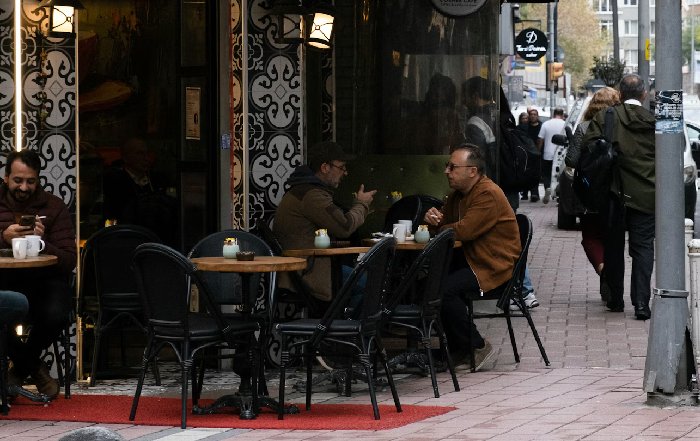
The Evolution of Café Culture in Vienna and Istanbul
A Tale of Two Cities at the Heart of Global Café Culture
In 2026, as café culture continues to define how people work, socialize, and experience cities around the world, few places illustrate its depth and evolution as powerfully as Vienna and Istanbul. These two cities, positioned at historical crossroads between Europe and Asia, have shaped the global understanding of what a café can be: not merely a venue for coffee consumption, but a stage for intellectual life, a sanctuary of routine, and a mirror of political and social change. For WorldsDoor, whose readers explore intersections of culture, business, lifestyle, and society across continents, the intertwined stories of Vienna and Istanbul offer a uniquely rich lens on how café traditions have evolved from imperial salons and Ottoman coffeehouses into global reference points for hospitality, creativity, and urban identity.
The café cultures of Vienna and Istanbul are not static museum pieces; they are living ecosystems that respond to technological innovation, shifting consumer expectations, public health trends, and changing work habits. From the Viennese Kaffeehaus, recognized by UNESCO as part of Austria's intangible cultural heritage, to the centuries-old kahvehane traditions of Istanbul that predate many modern European institutions, the evolution of these spaces reflects broader transformations in governance, trade, migration, and digital connectivity. Understanding their trajectories helps business leaders, hospitality entrepreneurs, urban planners, and cultural strategists anticipate how social spaces might continue to evolve in cities from New York and London to Singapore and São Paulo.
Origins: From Ottoman Coffeehouses to Habsburg Kaffeehäuser
The roots of café culture in Istanbul stretch back to the mid-sixteenth century, when the first coffeehouses opened in the Ottoman capital and quickly became hubs for conversation, storytelling, music, and political debate. Historians of the Ottoman Empire have shown how these early establishments were viewed with both fascination and suspicion by authorities, who recognized that spaces where people gathered to drink coffee rather than alcohol fostered sober, engaged discussion that could easily turn critical. Coffee itself, arriving via trade routes from Yemen and the broader Arabian Peninsula, became a symbol of urban sophistication and imperial reach. Those interested in the economic and cultural journey of coffee can explore how global trade reshaped societies through resources such as the International Coffee Organization, which documents the historical expansion of coffee consumption and production worldwide.
Vienna's café culture, while influenced indirectly by Ottoman traditions, followed its own distinct path. The city's first coffeehouses appeared in the late seventeenth century, in the wake of the Ottoman sieges and the gradual consolidation of Habsburg power in Central Europe. Over time, the Viennese Kaffeehaus developed into a refined institution, with marble-topped tables, newspapers on wooden holders, and a unique etiquette that allowed patrons to linger for hours over a single cup. By the late nineteenth and early twentieth centuries, these establishments had become central to the city's intellectual and artistic life, frequented by figures such as Sigmund Freud, Gustav Klimt, Stefan Zweig, and Arthur Schnitzler. Those who wish to learn more about how coffeehouses shaped European intellectual history can consult resources such as the European Cultural Foundation or the cultural history sections of leading universities, which often highlight the role of public cafés in the emergence of modern public spheres.
For WorldsDoor, which aims to connect contemporary readers with enduring cultural patterns, the parallel emergence of Istanbul's coffeehouses and Vienna's cafés illustrates how similar products-coffee, pastries, newspapers-can be embedded in very different social and political structures, yet still generate spaces of exchange, reflection, and creativity.
Social and Political Roles: Salons, Public Spheres, and Urban Memory
Throughout the nineteenth and early twentieth centuries, both cities' cafés evolved into vital components of what scholars call the "public sphere," the realm where citizens discuss, debate, and shape opinions outside formal state institutions. In Vienna, the café became synonymous with a certain mode of urban modernity, where writers, journalists, lawyers, and merchants mingled in spaces that were at once democratic and stratified. The Viennese tradition of allowing customers to remain for extended periods fostered a culture in which cafés effectively functioned as offices, reading rooms, and social clubs. Contemporary analyses of public space, such as those published by The London School of Economics or the Harvard Graduate School of Design, often reference the Viennese Kaffeehaus as a model of how commercial venues can serve public functions without losing economic viability.
In Istanbul, coffeehouses played an equally complex role. They were places where poets recited epic tales, musicians performed, and citizens discussed the affairs of the empire, from military campaigns to tax policies. Over time, as the Ottoman Empire gave way to the modern Turkish Republic, these spaces adapted to new political realities while retaining their core function as social hubs. Researchers examining the transformation of Ottoman institutions, including think tanks like Carnegie Europe or Chatham House, have often noted that informal meeting places such as coffeehouses provided continuity amid administrative and constitutional upheaval, preserving forms of communal dialogue even as regimes changed.
For readers of WorldsDoor, who often move between discussions of world events, ethics, and education, the historical roles of cafés in Vienna and Istanbul underscore how commercial hospitality venues can double as civic infrastructure. They shape how citizens learn about current events, negotiate differences, and transmit cultural memory, from the Austro-Hungarian debates over liberal reforms to the Turkish Republic's conversations about secularism and national identity.
Rituals, Aesthetics, and the Psychology of Café Space
Beyond politics and commerce, café culture in both cities has always been rooted in ritual and sensory experience. In Vienna, the art of coffee preparation and presentation is codified in a rich vocabulary of drinks-Melange, Einspänner, Verlängerter-that signal not only taste preferences but also social cues. The pairing of these beverages with pastries such as Sachertorte or Apfelstrudel has become part of the city's identity, promoted by organizations like the Vienna Tourist Board and celebrated in culinary histories. The ambiance of wood paneling, chandeliers, and attentive yet unobtrusive service shapes a psychological environment in which time seems to slow down, encouraging reflection and conversation rather than hurried consumption.
Istanbul's café rituals, by contrast, are anchored in the preparation of Turkish coffee, with its finely ground beans, cezve pot, and thick, unfiltered brew served in small cups often accompanied by a glass of water and a sweet such as lokum. The practice of reading coffee grounds, while not universal, remains a culturally resonant form of informal fortune-telling that adds a layer of intimacy and storytelling to the experience. Institutions like UNESCO have recognized Turkish coffee culture as part of humanity's intangible heritage, highlighting how its preparation and consumption encapsulate values of hospitality, respect, and shared time.
For an audience attuned to health and wellbeing, these rituals invite reflection on the psychological benefits of structured pauses in daily life. Research from organizations such as the World Health Organization and the American Psychological Association has increasingly emphasized the importance of social connection and mindful breaks in reducing stress and improving cognitive performance. The slow, ritualized nature of Viennese and Istanbul café experiences stands in contrast to the global rise of fast coffee-to-go, suggesting that traditional café cultures anticipated modern insights into mental health and work-life balance long before these concepts became mainstream.
Globalization, Chains, and the Reinvention of Tradition
The late twentieth and early twenty-first centuries brought new dynamics to both Vienna and Istanbul as international coffee chains expanded aggressively, reshaping consumer expectations from New York and Los Angeles to London, Berlin, Seoul, and Sydney. Companies such as Starbucks and Costa Coffee introduced standardized menus, digital loyalty programs, and design templates that emphasized comfort and convenience but often downplayed local specificity. Yet in both cities, these global brands encountered deeply entrenched café traditions that resisted homogenization.
In Vienna, long-established cafés such as Café Central, Café Hawelka, and Café Sperl continued to attract both locals and tourists seeking authenticity, while newer independent establishments experimented with specialty coffee, lighter interiors, and alternative brewing methods. The specialty coffee movement, supported by organizations like the Specialty Coffee Association, encouraged a renewed focus on bean origin, roasting profiles, and sustainable sourcing, aligning with the growing interest in ethical consumption among younger consumers in Europe, North America, and Asia. In Istanbul, traditional coffeehouses coexisted with modern third-wave cafés that offered single-origin espresso, cold brew, and minimalist Scandinavian-inspired design, reflecting the city's position as a bridge between heritage and innovation.
For WorldsDoor, which covers innovation and sustainable business practices, the way Vienna and Istanbul integrated global coffee trends without abandoning their local identities offers valuable lessons. It shows that even in a globalized marketplace, deeply rooted cultural institutions can adapt by selectively incorporating new technologies and consumer preferences while preserving core values of hospitality, social connection, and place-based storytelling.
Digital Work, Hybrid Lifestyles, and the New Café Economy
By 2026, the global shift toward remote and hybrid work has further transformed café culture in both cities. Laptops, smartphones, and ubiquitous Wi-Fi have turned cafés into de facto offices for freelancers, entrepreneurs, students, and digital nomads from the United States, the United Kingdom, Germany, Canada, Australia, and beyond. This phenomenon, visible in cities from Amsterdam and Copenhagen to Singapore and Tokyo, has been analyzed by organizations such as the OECD and the World Economic Forum, which note how flexible work arrangements are reshaping urban economies, real estate usage, and daily routines.
Viennese cafés, which historically welcomed long stays, have in many ways been well positioned to accommodate this shift, although some have had to adapt by adding more power outlets, adjusting seating layouts, or introducing time-based pricing models for co-working zones. Istanbul's cafés, particularly in neighborhoods with high concentrations of startups and creative industries, have embraced hybrid roles as community hubs, event spaces, and informal incubators. The blending of leisure and labor in café spaces raises complex questions about productivity, boundaries, and the commercialization of social life, topics that resonate strongly with WorldsDoor readers who navigate evolving lifestyle patterns and cross-border careers.
From a business perspective, the café sector in both cities has had to balance the needs of traditional patrons, tourists, and laptop-based workers, refining strategies around pricing, table turnover, and service design. Reports from organizations like McKinsey & Company and Deloitte on consumer behavior in hospitality highlight that customers now expect not only quality products but also flexible environments that support work, socializing, and digital connectivity. The most successful Viennese and Istanbul cafés have responded by diversifying offerings, from healthier menu options and plant-based alternatives to curated cultural programming, while still maintaining the sensory and emotional signatures that distinguish them from generic global chains.
Health, Sustainability, and Ethical Sourcing in a Changing World
As global awareness of health, sustainability, and ethical sourcing has increased, café culture in Vienna and Istanbul has had to confront questions that go far beyond ambiance and tradition. Coffee is an agricultural commodity deeply affected by climate change, labor conditions, and trade policies. Organizations such as the Food and Agriculture Organization of the United Nations and the World Resources Institute have warned about the vulnerability of coffee-growing regions in Brazil, Colombia, Ethiopia, Vietnam, and other countries to rising temperatures, shifting rainfall patterns, and deforestation. For cafés in Europe and Asia, this means that long-term viability depends on engaging with supply chains that are both environmentally resilient and socially responsible.
Many contemporary cafés in Vienna and Istanbul now highlight fair-trade certifications, direct trade relationships, and transparency about origin, responding to consumers in the United States, the United Kingdom, Germany, Scandinavia, and other markets who increasingly seek alignment between their purchasing habits and their ethical values. Those interested in the broader context can explore how climate-smart agriculture and responsible sourcing practices are being promoted by global initiatives such as the Rainforest Alliance and the Fairtrade Foundation, which provide frameworks for balancing economic development with environmental stewardship and social justice.
Health-conscious trends have also reshaped offerings, with greater emphasis on lower-sugar options, alternative milks, and food menus that accommodate diverse dietary preferences, from Mediterranean-inspired dishes to plant-forward snacks. For an audience that cares about food and health, the evolution of café menus in Vienna and Istanbul reflects a broader global pivot toward integrating pleasure with wellbeing, acknowledging that consumers seek experiences that are both indulgent and aligned with long-term lifestyle goals.
Cultural Tourism, Place Branding, and the Café as Destination
Café culture has become a central pillar of how Vienna and Istanbul present themselves to the world, influencing tourism strategies, city branding, and international perception. Travel media, from traditional guidebooks to digital platforms, routinely highlight iconic cafés as must-visit destinations, framing them as portals into local history and everyday life. Organizations such as UN Tourism and national tourism boards for Austria and Türkiye emphasize café experiences in their promotional materials, recognizing that visitors increasingly seek authentic, story-rich encounters rather than purely visual sightseeing.
Vienna's historic cafés, many of which have preserved interiors from the late nineteenth or early twentieth centuries, offer a tangible link to the city's imperial past and its golden age of music, literature, and psychoanalysis. Istanbul's coffeehouses and modern cafés, scattered across districts from Beyoğlu and Karaköy to Kadıköy and Üsküdar, invite visitors to experience the city's layered identity as both European and Asian, secular and religious, traditional and cosmopolitan. For WorldsDoor readers planning journeys that blend travel, culture, and world exploration, understanding café culture becomes a way of decoding the deeper rhythms of these cities, far beyond postcard views.
Place branding specialists and urban strategists, whose analyses are often published by organizations like Brookings Institution or The Economist Group, increasingly recognize that everyday venues such as cafés can carry as much symbolic weight as monumental architecture. The way a city's cafés look, sound, and feel communicates values around openness, creativity, and hospitality, influencing how investors, students, migrants, and tourists perceive opportunities and quality of life.
Education, Knowledge Exchange, and the Café as Informal Classroom
In both Vienna and Istanbul, cafés have long functioned as informal classrooms, where ideas circulate across generations, professions, and social backgrounds. Students debate philosophy, entrepreneurs exchange insights, and artists sketch or write, blurring the line between formal education and lived experience. This tradition resonates with contemporary approaches to lifelong learning, which emphasize that knowledge is not confined to universities or corporate training programs but emerges through continuous social interaction and collaborative problem-solving.
Educational institutions and think tanks, including the OECD and UNESCO Institute for Lifelong Learning, have underscored the importance of informal learning environments in building resilient, innovative societies. In Vienna, proximity between universities, cultural institutions, and historic cafés supports a dense network of intellectual exchange. In Istanbul, where universities and research centers are spread across both European and Asian sides, cafés often serve as neutral, accessible meeting points for interdisciplinary collaboration.
For WorldsDoor, which dedicates significant attention to education, ethics, and the future of work, the café's role as an informal educational space illustrates how physical environments shape cognitive and social development. The simple act of sharing a table or overhearing a conversation can catalyze new perspectives, encouraging cross-cultural understanding among locals and international visitors from North America, Europe, Asia, Africa, and South America.
Looking Ahead: The Future of Café Culture in a Connected World
As Vienna and Istanbul move further into the 2020s, their café cultures face both challenges and opportunities. Climate change, economic volatility, and geopolitical tensions could disrupt coffee supply chains and tourism flows, while technological advances such as artificial intelligence, augmented reality, and digital payments continue to reshape consumer expectations. Yet the core elements that have sustained café culture for centuries-hospitality, conversation, ritual, and a sense of place-remain remarkably resilient.
Forward-looking analyses from organizations like the World Economic Forum and MIT Media Lab suggest that physical gathering spaces will become even more valuable in an era of pervasive digital communication, offering grounding, human connection, and sensory richness that virtual platforms cannot fully replicate. In this context, cafés in Vienna and Istanbul are likely to continue serving as laboratories for new forms of social interaction, experimenting with hybrid events that blend in-person and online participation, showcasing local art and music, and hosting dialogues on sustainability, ethics, and technology that resonate with global audiences.
For WorldsDoor, whose mission is to open doors between technology, culture, environment, and society, the evolving café cultures of these two cities provide a compelling narrative thread. They demonstrate how deeply rooted traditions can adapt to new realities without losing their essence, how local experiences can speak to global concerns, and how something as seemingly simple as a cup of coffee can become a vehicle for exploring health, identity, innovation, and community across continents.
In Vienna, the quiet clink of porcelain cups and the rustle of newspapers continue to evoke a world where reflection and conversation are prized. In Istanbul, the aroma of freshly brewed Turkish coffee and the murmur of multilingual conversations testify to a city that has always thrived on exchange and transformation. Together, these café cultures offer a living testament to the power of shared spaces in shaping how humans think, feel, and act, inviting WorldsDoor readers-whether in New York or Nairobi, London or Lagos, Tokyo or Toronto-to see their own local cafés not just as places of consumption, but as vital nodes in a global network of culture, business, and collective imagination.