

The Allure of the Northern Lights in Arctic Cultures
The Northern Lights, or aurora borealis, have long captured the imagination of people across the Arctic, weaving together science, spirituality, travel, and identity in ways that continue to evolve. For contemporary readers of WorldsDoor, the phenomenon is no longer just a distant spectacle confined to postcards and documentaries; it is a living, shifting bridge between ancient cosmologies and modern innovation, between local Arctic communities and global travelers from the United States, Europe, Asia, and beyond. As advances in space weather forecasting, sustainable tourism, and cultural preservation converge, the aurora is emerging not only as a natural wonder but as a lens through which to understand health, culture, business, ethics, and the environment in some of the world's most fragile and fascinating regions.
A Celestial Phenomenon Rooted in Science and Story
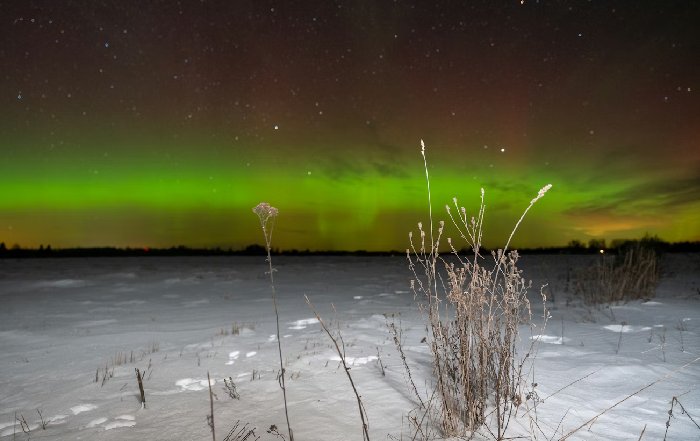
The aurora borealis results from charged particles from the Sun colliding with gases in Earth's upper atmosphere, creating luminous curtains of green, pink, and violet light that dance across polar skies. Organizations such as NASA provide detailed explanations of this process and track solar activity for both scientific and practical purposes; readers can explore how geomagnetic storms shape auroral activity through resources like space weather education. Yet for Arctic cultures, from the Sámi of northern Scandinavia to Inuit communities in Canada and Greenland, this scientific description is only one layer of meaning, resting atop deeper strata of myth, belief, and social practice.
In premodern times, long before magnetometers and satellite imagery, Indigenous observers developed finely tuned knowledge of seasonal patterns, atmospheric conditions, and the relationship between the aurora and weather, navigation, and animal behavior. Contemporary research institutions such as the British Antarctic Survey and the European Space Agency now document these same skies with sophisticated instruments, but traditional knowledge systems remain essential for understanding how people actually live with the lights, night after night, winter after winter. Those interested in the scientific and cultural intersections of polar research can learn more about polar science and its global impact.
For WorldsDoor, which seeks to connect readers with global experiences and perspectives, the Northern Lights serve as a powerful example of how a single natural phenomenon can embody both rigorous scientific inquiry and enduring cultural narratives, inviting a more holistic understanding of the world.
Northern Lights in Indigenous Belief and Identity
Among the Sámi peoples of Norway, Sweden, Finland, and Russia's Kola Peninsula, the aurora has historically been regarded with a mixture of awe and caution. Some oral traditions describe the lights as the energies or souls of the departed, while others see them as powerful forces that demand respect and quiet behavior. Loud whistling, for instance, was sometimes believed to provoke the aurora, which could then descend and cause harm. Although contemporary Sámi societies are deeply engaged with modern education, technology, and politics, these stories continue to shape cultural identity and community memory, often resurfacing in festivals, art, and music.
Further west, Inuit groups in Canada and Greenland have developed their own complex narratives. In some regions, the Northern Lights were said to be the spirits of the dead playing a game with a walrus skull, a kind of celestial sport that mirrored community games on the ice. In others, they were interpreted as omens, either protective or dangerous, depending on their intensity and movement. Ethnographic work documented by institutions such as The Smithsonian highlights how these beliefs were not static superstitions but evolving frameworks through which communities interpreted environmental signals, social changes, and the rhythms of the Arctic year; readers can explore this broader context through resources that examine Indigenous Arctic cultures.
As global interest in the aurora grows, there is renewed attention to how these cultural narratives are represented, shared, and sometimes commercialized. This raises important questions about cultural authority, ownership, and ethical storytelling, issues that align closely with WorldsDoor's editorial focus on culture and society and the responsibilities of global audiences when engaging with local traditions.
The Aurora as a Driver of Arctic Travel and Experience
For travelers from the United States, United Kingdom, Germany, Canada, Australia, Japan, and many other countries, the Northern Lights have become a defining reason to venture north to destinations like Tromsø in Norway, Rovaniemi in Finland, Abisko in Sweden, Yellowknife and Whitehorse in Canada, Fairbanks in Alaska, and remote towns in Iceland and Greenland. National tourism boards and organizations such as Visit Norway, Destination Canada, and Tourism Iceland have invested heavily in promoting aurora-based experiences, highlighting not only the lights themselves but also dog sledding, reindeer herding visits, Arctic cuisine, and cultural encounters with Indigenous communities; travelers can explore how tourism authorities frame these experiences through resources like national tourism portals.
This surge in demand has transformed the business landscape in many Arctic regions. Boutique hotels with panoramic glass roofs, eco-lodges designed for minimal environmental impact, and specialized tour operators offering photography workshops, snowmobile safaris, and guided storytelling evenings have proliferated. For readers of WorldsDoor interested in travel and lifestyle, the Northern Lights now represent a curated experience, one that merges adventure with comfort, and spectacle with learning. On the platform's own travel section, the aurora frequently appears as a gateway into broader explorations of Arctic destinations, from their urban design and culinary scenes to their social challenges and environmental vulnerabilities.
The growth of aurora tourism, however, is not simply a matter of supply meeting global curiosity. It is entangled with issues of seasonality, infrastructure, and community well-being. In many locations, the peak aurora season from late autumn to early spring coincides with the harshest weather and the longest nights, making safety, mental health, and reliable services essential considerations for both visitors and residents. As WorldsDoor explores in its coverage of health and lifestyle, the psychological impact of prolonged darkness, extreme cold, and isolation must be addressed through thoughtful planning, community support, and traveler education, ensuring that the pursuit of the lights does not overshadow the lived realities of Arctic life.
Business, Innovation, and the New Aurora Economy
The commercialization of the Northern Lights has given rise to what might be called an "aurora economy," in which hospitality, transportation, photography, and technology sectors intersect. In countries such as Norway, Finland, Sweden, and Iceland, small and medium-sized enterprises have leveraged the global fascination with auroras to develop distinctive brands, from luxury igloo hotels to smart clothing designed for sub-zero photography sessions. Organizations like the World Travel & Tourism Council have begun to track the economic impact of such niche tourism sectors, and interested readers can explore global tourism trends to understand how aurora tourism fits into broader patterns of experiential and sustainable travel.
Innovation plays a critical role in this evolving landscape. Start-ups and research institutions collaborate to improve real-time aurora forecasting, using data from agencies like NOAA's Space Weather Prediction Center, which provides space weather forecasts and alerts. Mobile applications now combine geolocation, cloud cover predictions, geomagnetic indices, and user-generated reports to help travelers optimize their chances of seeing the lights, while also advising on safety and environmental considerations. For WorldsDoor, whose technology and innovation coverage highlights the intersection of digital tools and lived experience, the aurora becomes a case study in how data, design, and user experience reshape even the most ancient of natural phenomena.
At the same time, Arctic entrepreneurs are increasingly aware that long-term success requires balancing growth with responsibility. This has led to the emergence of business models that emphasize local ownership, fair labor practices, and cultural authenticity. Initiatives supported by organizations such as the Arctic Council and the Nordic Council of Ministers encourage sustainable regional development, and readers can learn more about Arctic cooperation and policy to understand how governance frameworks influence the future of aurora-related industries.
Ethical and Sustainable Aurora Tourism
The rapid expansion of aurora tourism raises pressing ethical questions, from environmental impact to cultural representation. Increased air travel from major hubs in North America, Europe, and Asia contributes to greenhouse gas emissions, while local pressures on fragile Arctic ecosystems-from off-road vehicle use to waste management-pose additional risks. Environmental organizations such as WWF and Greenpeace have emphasized the vulnerability of polar regions to climate change and industrial activity, and readers can learn more about protecting polar environments to place their travel decisions in a global context.
Sustainable aurora experiences require more than carbon offsets and eco-labels; they demand a holistic approach that integrates environmental stewardship, community participation, and cultural sensitivity. This aligns closely with the editorial priorities of WorldsDoor, whose environment and sustainability section encourages readers to consider the full lifecycle of their choices, from transportation and accommodation to food and activities. In the case of the Northern Lights, this might mean choosing locally owned operators who limit group sizes, avoid sensitive wildlife habitats, and invest in community projects, while also ensuring that Indigenous voices guide the presentation of cultural narratives.
Ethical storytelling is particularly important. As aurora images saturate social media feeds across the United States, Europe, and Asia, there is a risk of reducing complex Arctic societies to photogenic backdrops. Institutions such as UNESCO have highlighted the importance of safeguarding intangible cultural heritage, including oral traditions and rituals connected to the sky, and those interested in the broader framework can explore cultural heritage initiatives. For platforms like WorldsDoor, this means approaching aurora coverage with a commitment to nuance, context, and respect, ensuring that the lights are presented not as isolated spectacles but as parts of living cultural landscapes.
Health, Well-Being, and Life Under the Aurora
Beyond tourism, the Northern Lights shape the everyday health and well-being of Arctic residents. Living in regions where winter darkness can extend for weeks or months, communities in Norway, Sweden, Finland, Canada, Alaska, and Russia have long developed strategies to cope with seasonal affective disorder, disrupted circadian rhythms, and the physical demands of cold climates. Public health agencies and organizations like the World Health Organization provide guidelines on mental health and environmental stressors, and readers can learn more about mental health in challenging environments.
For some residents, the aurora offers psychological comfort and a sense of continuity, a reminder of natural cycles that persist despite rapid social and climatic change. For others, especially those working in demanding sectors such as fishing, mining, or logistics, the lights may simply be part of the backdrop of long shifts and practical concerns. On WorldsDoor's lifestyle and health pages, the aurora can be seen as a catalyst for discussing broader themes of resilience, adaptation, and the ways in which people find meaning and balance in extreme environments.
Nutrition and traditional food practices also intersect with life under the aurora. Diets rich in fish, reindeer, seal, berries, and fermented products have historically supported Arctic populations through long winters, providing essential vitamins and calories. Modern nutrition science, documented by institutions such as Harvard T.H. Chan School of Public Health, has begun to examine how traditional diets contribute to metabolic health and disease prevention, and those interested can explore research on traditional and modern diets. For WorldsDoor, which features a dedicated food section, the Northern Lights become a gateway to exploring how culinary traditions, health, and cultural identity intertwine in the far North.
Education, Research, and Cultural Transmission
Education systems in Arctic countries increasingly integrate both scientific and cultural perspectives on the Northern Lights. In Norway, Sweden, Finland, Canada, and Alaska, students may learn about solar winds and geomagnetic fields alongside local legends and oral histories, reflecting a broader trend toward inclusive and place-based education. Organizations such as UNICEF and various national education ministries emphasize the importance of culturally responsive curricula, and readers can learn more about education in Indigenous and remote communities.
Universities and research institutes across Europe, North America, and Asia conduct advanced aurora studies, using ground-based observatories, sounding rockets, and satellites to improve understanding of space weather and its impact on power grids, aviation, and communications. Institutions like ESA, NASA, and NOAA collaborate with national meteorological agencies to develop predictive models that are increasingly relevant for both Arctic residents and global infrastructure. As WorldsDoor expands its education and innovation coverage, the aurora serves as a compelling example of how cross-disciplinary research connects physics, engineering, environmental science, and the humanities.
Cultural transmission is equally vital. Festivals, museums, and cultural centers across the Arctic now curate exhibitions and events focused on the Northern Lights, often co-designed with Indigenous communities to ensure accurate, respectful representation. These institutions function as spaces where elders, artists, scientists, and young people can share knowledge, negotiate meanings, and imagine futures in which the aurora remains central to regional identity. For a global readership, such initiatives highlight how learning about the Northern Lights is not merely a matter of consuming information, but of engaging with living cultures that continue to reinterpret the sky in light of contemporary challenges and opportunities.
Climate Change, Uncertainty, and the Future of the Lights
As climate change reshapes the Arctic more rapidly than almost any other region, questions arise about how warming temperatures, shifting weather patterns, and changing ice cover may affect the visibility and cultural significance of the Northern Lights. While the aurora itself is driven primarily by solar activity and Earth's magnetic field, local viewing conditions depend heavily on cloud cover, atmospheric clarity, and patterns of human settlement and light pollution. Climate researchers, including those associated with the Intergovernmental Panel on Climate Change, have documented the profound transformations underway in the Arctic, and those wishing to understand Arctic climate impacts can explore extensive assessments and reports.
In some areas, increased cloudiness or more frequent winter storms may reduce the number of clear nights suitable for aurora viewing, while in others, the retreat of sea ice and changes in economic activity could alter where and how people live under the auroral oval. New ports, shipping routes, and resource extraction projects may bring more artificial light and industrial infrastructure, complicating both tourism and traditional lifestyles. For WorldsDoor, whose world and environment sections address global interdependence, the Northern Lights become a symbol of both continuity and fragility, reminding readers that even seemingly timeless wonders are embedded in dynamic, vulnerable systems.
At the same time, the aurora is increasingly recognized as a powerful narrative tool for climate communication. Visual campaigns, documentaries, and immersive media experiences use the awe of the lights to draw attention to melting glaciers, permafrost thaw, and biodiversity loss. Organizations such as National Geographic and BBC Earth have produced extensive coverage connecting polar beauty with environmental urgency; readers can explore visual storytelling on the Arctic. This convergence of aesthetics and advocacy aligns with WorldsDoor's mission to inspire informed, ethically grounded engagement with the world, encouraging audiences not only to seek the lights, but to consider what it means to protect the regions beneath them.
A Perspective: Connecting Global Audiences to Arctic Realities
For WorldsDoor, the allure of the Northern Lights is inseparable from the platform's broader commitment to Experience, Expertise, Authoritativeness, and Trustworthiness. By bringing together perspectives from health, travel, culture, business, technology, environment, ethics, society, education, and food, the platform positions the aurora as more than a destination; it becomes a multidimensional story about how people across the Arctic and around the world relate to a shared sky. On the site's business pages, readers encounter analyses of how aurora tourism shapes local economies and global investment; on the sustainable and ethics sections, they find discussions of responsible travel, community rights, and environmental stewardship; on the society and innovation pages, they explore how technology, governance, and social movements redefine what it means to live with the lights in the twenty-first century.
As of today, interest in the Northern Lights shows no sign of diminishing among audiences from North America, Europe, Asia, Africa, and South America. Yet the nature of that interest is changing, moving from a narrow focus on visual spectacle toward a deeper curiosity about the people, histories, and ecosystems that frame the aurora's glow. In this evolving landscape, WorldsDoor serves as a bridge, guiding readers from initial fascination to informed understanding, from bucket-list dreams to thoughtful engagement. By situating the Northern Lights within a rich tapestry of Arctic cultures, scientific advances, ethical considerations, and global interconnections, the platform invites its audience to see the aurora not only as a fleeting display in the sky, but as a living, enduring conversation between Earth, Sun, and humanity.
In doing so, WorldsDoor affirms that the true allure of the Northern Lights lies not only in their shimmering colors, but in the stories they illuminate-stories of resilience in harsh climates, of creativity in the face of darkness, of communities negotiating change while honoring tradition, and of a planet whose most remote regions are intimately linked to the choices made in cities and homes across the world. For those willing to look beyond the horizon of a single journey, the aurora becomes a reminder that every light in the sky is also a door, opening onto new ways of knowing, caring, and belonging in an interconnected world.