

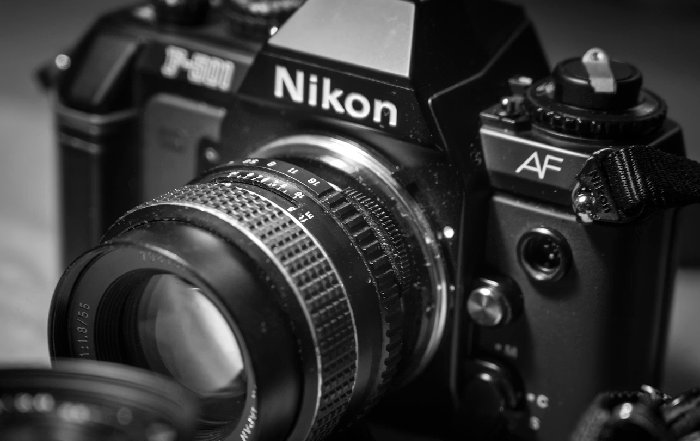
The Resurgence of Analog Photography in a Digital World
A New Chapter for an Old Medium
In 2026, analog photography has re-emerged as one of the most intriguing cultural and business stories of the decade, defying assumptions that film would quietly disappear in the wake of smartphone cameras and artificial intelligence-driven imaging. What was once considered a niche hobby has evolved into a global movement that spans generations, geographies, and industries, from creative professionals in New York and Berlin to students in Tokyo and São Paulo, and from luxury brands in Paris to independent camera repair shops in Cape Town. For WorldsDoor, which explores the intersections of culture, technology, lifestyle, and business, the resurgence of analog photography is not merely a story of nostalgia, but a powerful lens through which to understand how people in the United States, Europe, Asia, Africa, and beyond are renegotiating their relationship with time, memory, creativity, and trust in a rapidly digitizing world.
This revival has unfolded against a backdrop of ubiquitous digital imaging, where billions of photos are captured daily and shared instantly, often disappearing into algorithm-driven feeds. In contrast, analog photography, with its chemical processes, mechanical precision, and delayed gratification, offers a tangible and intentional counterpoint that resonates strongly with contemporary concerns about digital fatigue, authenticity, and sustainability. The renewed interest in film reflects broader shifts that WorldsDoor observes across its coverage of society, as individuals and organizations seek more grounded, meaningful experiences in health, travel, culture, and work, while still engaging with the benefits of innovation and global connectivity.
From Decline to Revival: A Brief Historical Context
The story of analog photography's resurgence cannot be understood without revisiting its apparent decline. By the late 2000s, film sales had plummeted as digital cameras and smartphones, championed by companies like Apple and Samsung, transformed photography into an instant, low-cost, and virtually limitless activity. Major manufacturers such as Kodak and Fujifilm shuttered or drastically reduced film production lines, while iconic camera models from Nikon, Canon, and Minolta were discontinued in favor of digital systems. Industry analysts and commentators at sources such as DPReview chronicled what appeared to be the end of an era, as darkrooms closed and photo labs disappeared from high streets in London, Toronto, Sydney, and beyond.
Yet, even during digital's peak ascendancy, a dedicated community of film photographers, camera technicians, and analog enthusiasts preserved the craft, sharing knowledge through forums, blogs, and early social media. Over time, these communities laid the groundwork for a broader reawakening. As digital photography became ubiquitous and commoditized, a new generation began discovering film not as a default technology, but as a deliberate choice. The rise of platforms like Instagram and later visual-first social networks paradoxically helped drive curiosity about analog aesthetics, as users sought looks that could not easily be replicated by filters alone. By the early 2020s, growing demand prompted companies such as Ilford Photo and Fujifilm to reintroduce or expand film lines, while Kodak Alaris announced increased production of popular emulsions like Portra and Ektar, signaling that film had moved from relic to viable market segment.
Experience over Instant Gratification
A central driver of analog photography's resurgence is a profound shift in how people value experiences. In a world where digital images can be captured and deleted in milliseconds, film demands slowness, intention, and presence. Each frame carries a cost, encouraging photographers from Los Angeles to London, Berlin to Tokyo, to think carefully about composition, light, and subject before pressing the shutter. This mindful approach aligns closely with broader wellness and mental health trends that WorldsDoor explores in its coverage of health and well-being, where individuals are increasingly drawn to practices that counteract the fragmentation and distraction of constant connectivity.
The process of loading film, advancing the lever, adjusting aperture and shutter speed, and waiting for development introduces a ritualistic quality that many practitioners describe as meditative. Rather than reviewing images immediately on an LCD screen, photographers must trust their own judgment and technical understanding, accepting uncertainty as part of the creative journey. Researchers and commentators on platforms like the American Psychological Association have emphasized the benefits of such focused, hands-on activities for mental resilience and stress reduction, particularly in high-pressure urban environments across the United States, United Kingdom, Germany, and beyond. For many, analog photography becomes not only an artistic outlet but also a form of digital detox, offering structured time away from screens and notifications.
The Aesthetic and Emotional Appeal of Film
Beyond process, the aesthetic qualities of film play a significant role in its revival. Film stocks from manufacturers such as Kodak, Fujifilm, and Ilford are prized for their distinctive color palettes, grain structures, and dynamic range, which can produce images that feel organic, textured, and emotionally resonant. Whether it is the pastel tones of Kodak Portra capturing Californian sunlight, the punchy contrast of Fujifilm Velvia rendering alpine landscapes in Switzerland, or the rich blacks of Ilford HP5 documenting street life in Paris or Johannesburg, film offers a visual signature that many digital workflows seek to emulate but rarely fully match.
The emotional appeal is heightened by the physicality of the medium. Negatives, contact sheets, and prints can be held, archived, and revisited over decades, creating a tangible link between generations. Institutions like the International Center of Photography and the Victoria and Albert Museum showcase historic analog works that continue to shape visual culture, underlining the enduring power of film images in collective memory. For families in Canada, Australia, Japan, and Brazil, rediscovering old film albums often becomes a catalyst for younger members to explore analog photography themselves, bridging digital-native habits with analog traditions in a deeply personal way.
Analog Photography as Cultural Statement
In many cities worldwide, shooting film has evolved into a cultural statement that intersects with fashion, music, and urban lifestyles. Analog cameras, from classic Leica rangefinders to refurbished Olympus, Pentax, and Canon SLRs, have become visible markers of identity, much like vinyl records or mechanical watches. This trend is particularly evident in creative hubs such as New York, London, Berlin, Seoul, and Tokyo, where analog photography is closely tied to independent magazines, streetwear brands, and art collectives.
Platforms such as HYPEBEAST and Highsnobiety have documented how film photography features prominently in contemporary street culture, with artists and influencers using point-and-shoot cameras at events, concerts, and fashion shows as a deliberate counterpoint to polished smartphone imagery. This analog aesthetic, with its imperfections, light leaks, and occasional blur, is embraced as a symbol of authenticity and spontaneity, resonating strongly with younger audiences across Europe, Asia, and North America who are increasingly skeptical of overly curated digital personas.
For WorldsDoor, which examines evolving lifestyle and culture trends, analog photography represents a broader desire to reclaim individuality and imperfection in an age of algorithmic optimization. The choice to shoot film becomes a way of signaling values: patience over speed, craft over convenience, and depth over surface-level engagement.
Travel, Place, and the Analog Lens
The resurgence of analog photography is particularly evident in the realm of travel, where it aligns with a growing preference for slow, immersive experiences. Travelers from the United States, United Kingdom, Germany, France, and beyond are increasingly seeking to document journeys not merely as visual checklists of attractions, but as deeply felt narratives of place and encounter. Film's inherent limitations-finite exposures, delayed feedback, and the need for careful storage-encourage a more thoughtful engagement with destinations, whether wandering through historic neighborhoods in Rome and Barcelona, exploring markets in Bangkok and Kuala Lumpur, or capturing landscapes in New Zealand and South Africa.
Organizations such as National Geographic have long demonstrated the power of analog imagery in shaping global perceptions of culture, nature, and society, and their archival collections remain a touchstone for many aspiring film photographers who want to learn more about documentary storytelling. At the same time, contemporary travel platforms and communities are highlighting itineraries that incorporate analog-friendly experiences, such as visiting local film labs, camera repair shops, and photography museums in cities like Amsterdam, Copenhagen, Singapore, and Tokyo. This convergence of travel and analog practice aligns strongly with WorldsDoor's focus on travel as a transformative, culturally rich activity rather than a purely consumptive one.
Business Opportunities and Market Dynamics
The revival of analog photography has not gone unnoticed by businesses, investors, and entrepreneurs. What began as a subcultural trend has matured into a multifaceted ecosystem that spans film manufacturing, camera sales, lab services, education, and creative services. In markets such as the United States, United Kingdom, Germany, Japan, and South Korea, camera stores that once faced closure have reinvented themselves as hubs for analog gear, offering refurbished film cameras, lenses, and accessories alongside workshops and community events. Online marketplaces and specialist retailers, including platforms like B&H Photo Video, have expanded their analog offerings to meet growing global demand.
On the production side, companies such as Kodak Alaris, Ilford Photo, and smaller boutique manufacturers are scaling up film output while experimenting with new emulsions and formats. Industry analyses from sources like The Economist and Financial Times have highlighted analog photography as a notable example of how legacy industries can find renewed relevance by embracing niche, premium positioning rather than competing directly on volume with digital alternatives. In cities like Berlin, London, and New York, independent labs and darkroom cooperatives are thriving, offering high-quality development and scanning services, as well as memberships that give photographers access to enlargers, chemicals, and expert guidance.
For WorldsDoor, which tracks global business and innovation trends, analog photography illustrates how passion-driven communities can catalyze viable commercial ecosystems that value expertise, craftsmanship, and long-term customer relationships over short-term scale. It also demonstrates how small and medium-sized enterprises across Europe, Asia, and the Americas can differentiate themselves by providing specialized, experience-rich services that digital-only competitors cannot easily replicate.
Education, Skills, and Professional Practice
As analog photography gains traction, educational institutions and training providers are integrating film-based curricula into broader creative programs. Universities and art schools in the United States, Canada, United Kingdom, Germany, France, and Australia have reintroduced darkroom facilities, recognizing that learning film techniques deepens students' understanding of exposure, composition, and visual storytelling in ways that complement digital practice. Organizations such as Magnum Photos, with its long-standing commitment to documentary excellence, continue to offer workshops and resources that emphasize the value of analog methods in cultivating patient observation and narrative depth, and interested readers can explore more about professional photographic education.
In Asia, institutions in Japan, South Korea, Singapore, and China are similarly leveraging analog photography as a bridge between historical visual traditions and contemporary media landscapes, encouraging students to explore both film and digital modalities. This dual fluency is increasingly valued in professional contexts, as brands, agencies, and media organizations seek creators who can deliver distinctive visual identities and emotionally resonant campaigns. For many commercial photographers, integrating film into their workflow-whether for fashion editorials in Milan, advertising campaigns in New York, or cultural projects in São Paulo-has become a way to stand out in a crowded marketplace and to justify premium pricing based on craft and scarcity.
WorldsDoor's focus on education and skills development underscores how analog photography functions not only as a nostalgic pursuit but as a rigorous training ground for visual literacy, patience, and problem-solving, qualities that remain essential across industries in an increasingly automated world.
Sustainability, Ethics, and Responsible Practice
The resurgence of analog photography inevitably raises questions about sustainability and ethics, particularly around the environmental impact of film production, chemical processing, and shipping physical goods around the globe. While film is often perceived as more material-intensive than digital, the reality is nuanced. Compared with the rapid turnover and e-waste associated with smartphones and digital cameras, many analog cameras from the 1960s, 1970s, and 1980s remain fully functional today, requiring only occasional maintenance. This longevity aligns with principles of circular economy and repair culture promoted by organizations such as the Ellen MacArthur Foundation, which advocate extending product lifespans to reduce resource use.
At the same time, responsible analog practice demands careful management of chemicals and waste. Many modern labs in Europe, North America, and Asia now adopt environmentally conscious processes, using more sustainable chemistry, proper disposal methods, and energy-efficient equipment. Industry guidelines and best practices, shared through platforms like the European Environment Agency, help labs and photographers minimize ecological footprints while preserving quality. For practitioners and businesses, transparency around sourcing, processing, and disposal is becoming an important component of trust and brand reputation, especially among younger audiences in Scandinavia, the Netherlands, and other sustainability-conscious regions.
For WorldsDoor, whose editorial lens includes environment, sustainability, and ethics, analog photography's revival offers a compelling case study in how heritage crafts can adapt to contemporary expectations of environmental responsibility and social accountability without losing their core identity.
Technology, Hybrid Workflows, and Innovation
Contrary to simplistic narratives that pit analog against digital, the current resurgence is characterized by hybrid workflows that integrate the strengths of both. Most film photographers today, whether in the United States, Europe, or Asia, rely on digital scanning to share, archive, and print their work. High-resolution scanners and professional lab services enable negatives to be converted into digital files that can be edited, backed up, and distributed online, combining the aesthetic and experiential benefits of film with the convenience and reach of digital platforms.
Technological innovation continues to shape this hybrid space. Companies and open-source communities are developing new scanning tools, software, and even experimental film stocks that respond to contemporary needs. Resources like Petapixel track advances in camera repair, lens adaptation, and workflow optimization, reflecting a growing ecosystem where engineers, chemists, designers, and photographers collaborate. Artificial intelligence is also entering the analog arena, with AI-assisted dust removal, color correction, and restoration tools enabling archival work and making high-quality results more accessible to enthusiasts in diverse markets from India to South Africa and Brazil.
For WorldsDoor, which regularly examines technology and innovation trends, this convergence underscores that analog photography's future is not about rejecting progress, but about selectively integrating digital capabilities to enhance, rather than replace, the tactile, human-centered aspects of image-making.
Community, Trust, and Global Connectivity
Perhaps the most significant aspect of analog photography's revival is the way it fosters community and trust across borders. Local film labs, camera clubs, and darkroom cooperatives in cities from Chicago and Toronto to Amsterdam, Stockholm, Cape Town, and Melbourne have become social anchors where people of different ages, professions, and backgrounds meet to share knowledge, critique work, and collaborate on projects. Online platforms and forums, complemented by social networks, extend these communities globally, enabling photographers in Thailand, Norway, Singapore, and Argentina to exchange tips, trade equipment, and organize joint exhibitions.
This communal dimension resonates strongly with broader societal shifts that WorldsDoor observes in its coverage of society and culture, where individuals seek authentic, trust-based interactions in response to concerns about misinformation, superficial engagement, and impersonal digital platforms. Analog photography, with its emphasis on tangible processes, shared spaces, and peer-to-peer learning, provides a framework for rebuilding social capital and intergenerational dialogue. Experienced technicians and seasoned photographers pass on expertise that might otherwise be lost, embodying a form of mentorship and stewardship that strengthens cultural continuity.
Looking Ahead: Analog Photography in a 2026 and Beyond Context
As of 2026, analog photography stands at an intriguing crossroads. It is no longer a dominant mass medium, but neither is it a fragile relic; instead, it occupies a robust, evolving niche that intersects with art, commerce, education, travel, and lifestyle. Its resilience reflects broader human desires that transcend technological cycles: the need for tactile engagement, the appeal of imperfection, the value of patience, and the search for trustworthy, meaningful experiences in an era of acceleration and abstraction.
For readers of WorldsDoor, the resurgence of analog photography offers practical and philosophical insights that extend well beyond the camera. It illustrates how individuals and organizations across the United States, Europe, Asia, Africa, and the Americas can navigate digital transformation without surrendering depth, craft, or ethical responsibility. It demonstrates that heritage practices can be revitalized through thoughtful innovation, global community-building, and a commitment to environmental and social stewardship. And it shows that in fields as diverse as world affairs, food and culture, education, business, and lifestyle, there is enduring value in approaches that prioritize experience, expertise, authoritativeness, and trustworthiness.
In the years ahead, film photography will likely continue to evolve in dialogue with digital tools, emerging technologies, and shifting cultural priorities. What seems clear, however, is that its renewed presence in studios, streets, and homes from New York to Nairobi, Tokyo to Turin, and São Paulo to Stockholm is more than a passing trend. It is a reminder that even in a hyperconnected, algorithm-driven world, people still seek practices that slow them down, ground them in the present, and connect them more deeply to themselves, to others, and to the world they inhabit-one carefully considered frame at a time.