

The Allure of Historic Pilgrimage Routes in a Hyper-Connected World
Pilgrimage Rediscovered in the Twenty-First Century
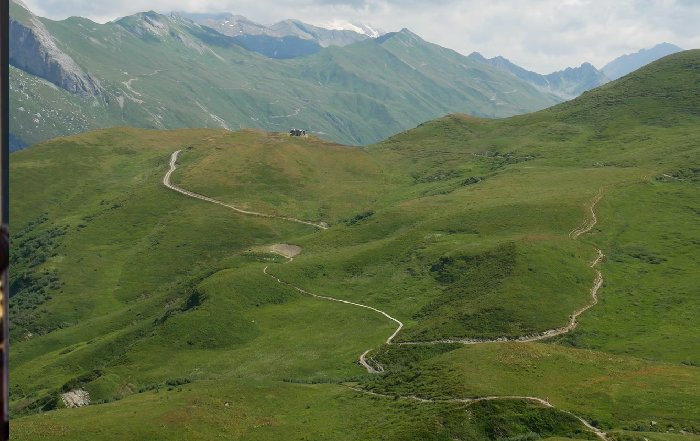
As digital connectivity reaches even the most remote corners of the globe and business leaders operate in a state of near-constant acceleration, the enduring appeal of historic pilgrimage routes may appear, at first glance, to belong to another age entirely. Yet from the Camino de Santiago in Spain to the Kumano Kodo in Japan and the revived Canterbury Way in the United Kingdom, these ancient paths are experiencing a powerful resurgence among professionals, entrepreneurs, policy makers, and global citizens who are seeking not only spiritual reflection but also a deeper recalibration of purpose, resilience, and ethical orientation. For WorldsDoor, whose readers engage with the intersection of travel, culture, business, and society, the modern pilgrimage is not a nostalgic curiosity; it is a living laboratory where health, leadership, sustainability, and innovation converge in ways that are increasingly relevant to decision-makers across continents.
The renewed fascination with pilgrimage routes is supported by data from organizations such as the World Tourism Organization (UNWTO), which tracks the growth of cultural and spiritual tourism, and by insights from institutions like Pew Research Center, which document a global shift toward individualized, experiential forms of spirituality. As more executives and knowledge workers from the United States, United Kingdom, Germany, Canada, Australia, France, Italy, Spain, the Netherlands, Switzerland, and across Asia and Africa take time away from boardrooms and virtual meetings to walk centuries-old paths, pilgrimage is evolving into a powerful counterbalance to digital saturation, a form of strategic retreat that nurtures both personal well-being and professional clarity. In this context, historic routes are becoming part of a broader conversation about sustainable travel, ethical leadership, and holistic lifestyles that WorldsDoor explores across its lifestyle and health sections.
From Sacred Journeys to Strategic Retreats
Historically, pilgrimage routes such as the Via Francigena, connecting Canterbury to Rome, or the Shikoku Henro circuit of 88 temples in Japan, were primarily associated with religious devotion, penance, or the search for miracles. Today, while many pilgrims still walk for spiritual reasons, a growing proportion approach these routes as intentional pauses in demanding careers, using them as structured frameworks for reflection on life choices, leadership responsibilities, and long-term goals. This evolution parallels broader trends in experiential and transformative travel documented by organizations like the Global Wellness Institute, which highlights how journeys that integrate physical challenge, nature immersion, and cultural encounter are increasingly sought by high-performing professionals seeking restoration and insight.
For business audiences, the modern pilgrimage can be understood as a form of deep work conducted in motion, away from screens and constant notification streams. On routes such as the Camino de Santiago, where the number of annual pilgrims recorded by the Oficina del Peregrino in Santiago de Compostela has risen dramatically over the past two decades, walkers often describe a distinctive mental state in which repetitive physical exertion, minimal daily decision-making, and the rhythm of long-distance walking create a rare mental spaciousness. In this environment, complex professional questions-about strategy, ethics, succession, or innovation-are revisited with a clarity that is difficult to achieve in the noise of everyday operations. Those who wish to understand how such journeys intersect with broader lifestyle choices can explore complementary perspectives in the innovation and ethics coverage on WorldsDoor.
Health, Resilience, and the Physiology of Long-Distance Walking
One of the most compelling dimensions of historic pilgrimage routes, particularly for readers attentive to performance and longevity, lies in the measurable health benefits associated with sustained, moderate-intensity walking over days or weeks. Research published by organizations such as the World Health Organization and resources from Harvard T.H. Chan School of Public Health consistently highlight the protective effects of regular physical activity on cardiovascular health, metabolic function, and mental well-being. Pilgrimage routes, by design, embed these health-promoting behaviors into a structured daily routine that balances exertion, rest, nutrition, and sleep in a way that many high-pressure professional environments fail to achieve.
The act of walking 20 to 30 kilometers per day across varied terrain engages not only cardiovascular systems but also musculoskeletal resilience, proprioception, and balance, contributing to improved posture and reduced stress-related tension. For many mid-career professionals from North America, Europe, and Asia who spend long hours seated in front of screens, the physical reset provided by such journeys can be profound. Moreover, the psychological benefits-reduced anxiety, improved mood, and enhanced cognitive flexibility-are increasingly recognized by institutions such as the American Psychological Association, which has documented the positive impact of nature exposure and physical activity on mental health. Readers seeking a broader context on how movement, nutrition, and environment shape well-being can explore the integrated approach presented in WorldsDoor's health and environment sections.
Cultural Immersion and the Reweaving of Local Narratives
Historic pilgrimage routes are also powerful conduits of cultural exchange, connecting travelers from around the world with local communities that have, in many cases, hosted pilgrims for centuries. Along the Camino de Santiago, villages in northern Spain and across France have revitalized traditional hospitality practices, local cuisine, and artisanal crafts in response to the steady flow of walkers from countries as diverse as Brazil, South Korea, Japan, South Africa, and New Zealand. Similar dynamics are visible along the Kumano Kodo in Japan's Kii Peninsula, where ancient shrines, onsen towns, and family-run guesthouses provide a living link to Shinto and Buddhist traditions.
Cultural institutions such as UNESCO, which has recognized several pilgrimage routes as World Heritage Sites, frame these paths as vital corridors of intangible heritage, preserving rituals, languages, and community memory that might otherwise be eroded by urbanization and demographic shifts. For travelers and business leaders alike, walking these routes is an opportunity not only to observe but to participate in local economies and social structures in a more grounded and reciprocal way than conventional tourism often allows. Those interested in how such encounters reshape understanding of identity, values, and global interdependence will find resonant themes in WorldsDoor's coverage of culture and world affairs.
Economic Impact, Regeneration, and Responsible Tourism
From a business perspective, the resurgence of historic pilgrimage routes is closely tied to questions of regional development, sustainable tourism models, and the resilience of rural economies. In regions of Spain, Portugal, Italy, and France that have faced depopulation and economic decline, the steady flow of pilgrims has supported the reopening of guesthouses, cafés, small shops, and local transport services, often led by family businesses and social enterprises. Reports from organizations such as the Organisation for Economic Co-operation and Development (OECD) and case studies collated by the World Bank illustrate how carefully managed cultural tourism can contribute to inclusive growth, particularly when local stakeholders retain ownership and decision-making power.
However, the economic benefits of pilgrimage routes are not automatic, and they require thoughtful governance to avoid the pitfalls of over-tourism, real estate speculation, and cultural commodification. Municipalities along the Camino de Santiago, for example, have had to balance infrastructure expansion with preservation of historical character and community life. Frameworks developed by bodies like the Global Sustainable Tourism Council provide practical guidance on how to align pilgrimage-related development with environmental and social responsibility. For readers interested in how these principles translate into practice, WorldsDoor's sustainable and business sections offer additional analysis on sustainable business practices and long-term value creation.
Environmental Stewardship Along Ancient Paths
In an era defined by climate change, biodiversity loss, and resource constraints, the environmental dimension of historic pilgrimage routes has become a central concern for both policymakers and travelers. Long-distance walking itself is a low-carbon form of mobility, particularly when pilgrims use trains or buses to access trailheads rather than short-haul flights, aligning with recommendations from organizations such as the Intergovernmental Panel on Climate Change (IPCC) and advocacy groups like Transport & Environment. Yet the cumulative impact of large numbers of walkers on fragile landscapes, water resources, and waste management systems can be significant if not carefully managed.
Trail management bodies, local authorities, and non-profit organizations have increasingly adopted principles of Leave No Trace, ecosystem restoration, and circular economy approaches to trail infrastructure, drawing on best practices disseminated by entities such as the International Union for Conservation of Nature (IUCN). For example, initiatives along the Kumano Kodo and in Scandinavian routes in Norway, Sweden, and Finland have focused on habitat protection, sustainable forestry, and the use of renewable materials in shelters and signage. As WorldsDoor continues to explore the intersection of environment and technology, historic pilgrimage routes emerge as compelling testbeds where sustainable design, community engagement, and policy innovation intersect on the ground.
Technology, Data, and the Digital Pilgrim
Despite their ancient origins, pilgrimage routes in 2026 are deeply intertwined with contemporary technology, from GPS-based navigation apps and online booking platforms to social media communities and digital credential systems. Platforms such as AllTrails and mapping services from OpenStreetMap and Google Maps enable pilgrims to plan routes, monitor elevation profiles, and share real-time updates, while specialized apps for the Camino de Santiago or the Shikoku Henro provide information on accommodation, water sources, and cultural sites. This digital layer enhances safety and accessibility, particularly for solo travelers or those with limited experience in long-distance walking.
However, the ubiquity of smartphones also introduces a paradox: the very devices that facilitate pilgrimage can undermine its contemplative potential if they are allowed to dominate attention. Thought leaders in digital well-being, including researchers associated with institutions like MIT Media Lab, have argued for more intentional use of technology, advocating for periods of disconnection in order to restore cognitive depth and presence. On the routes themselves, many pilgrims now adopt personal rules, such as checking messages only at the end of the day or using devices exclusively for navigation and emergency contact. These evolving norms reflect a broader cultural negotiation around the role of technology in meaningful experiences, a theme that WorldsDoor frequently explores in its technology and lifestyle coverage.
Ethics, Inclusivity, and the Democratization of Pilgrimage
The renewed interest in historic pilgrimage routes also raises important ethical questions about access, representation, and cultural sensitivity. Traditionally, pilgrimage was shaped by specific religious narratives and often dominated by particular social classes or genders, but contemporary routes are increasingly diverse, welcoming people of different faiths, secular backgrounds, ages, and physical abilities. Organizations such as Amigos del Camino de Santiago, disability advocacy groups, and local authorities in Europe, Asia, and the Americas have worked to improve trail accessibility, provide multilingual information, and create infrastructure that supports older walkers and those with mobility challenges.
At the same time, cultural and religious sites along these routes require respectful engagement, particularly in regions such as Japan, Thailand, and South Korea where local customs and spiritual practices may be unfamiliar to international visitors. Ethical travel frameworks promoted by bodies like UNESCO and resources from National Geographic emphasize the importance of learning about local norms, supporting community-owned businesses, and minimizing disruption to sacred rituals. For readers who wish to integrate these principles into their travel choices and leadership decisions, WorldsDoor's focus on ethics and society offers practical reflections on how personal journeys intersect with collective responsibilities.
Pilgrimage as Leadership Education and Corporate Learning
Beyond individual transformation, historic pilgrimage routes are increasingly recognized as powerful contexts for leadership development and corporate learning. Executive education programs, consulting firms, and business schools in the United States, United Kingdom, Germany, and Singapore have begun to incorporate structured walking retreats into their curricula, drawing on insights from fields such as positive psychology, behavioral economics, and systems thinking. Institutions like INSEAD, London Business School, and Harvard Business School have documented how immersive experiences outside conventional classroom environments can catalyze deeper learning, particularly when participants are invited to reflect on their assumptions, values, and decision-making patterns.
On the trail, hierarchies that normally define corporate life are often suspended; a CEO, a recent graduate, and a local farmer may walk side by side, sharing stories and practical challenges such as blisters, weather, and navigation. This flattening of status can foster empathy, humility, and cross-cultural understanding, qualities that are increasingly vital in a globalized business landscape marked by volatility and complexity. For organizations seeking to cultivate ethical, resilient, and innovative leadership, pilgrimage-based programs offer a distinctive blend of physical challenge, reflective practice, and exposure to diverse perspectives. Readers can explore how these themes intersect with broader trends in management and education through WorldsDoor's coverage of education and business.
Food, Hospitality, and the Taste of Place
A less discussed but deeply influential aspect of historic pilgrimage routes is the culinary experience that accompanies them. From the hearty regional dishes of northern Spain and the refined simplicity of Italian rural cuisine along the Via Francigena, to the seasonal, locally sourced meals served in Japanese minshuku along the Kumano Kodo, food becomes both fuel and cultural narrative. Organizations such as Slow Food International have long emphasized the importance of local, sustainable gastronomy in preserving biodiversity and cultural identity, and pilgrimage routes naturally align with this philosophy by encouraging travelers to engage with regional products, traditional recipes, and small-scale producers.
For many walkers, the shared evening meal in a hostel, guesthouse, or farmhouse is a highlight of the day, providing not only nutritional replenishment but also a setting for storytelling, networking, and informal learning about local history and contemporary challenges. These encounters can reshape perceptions of agriculture, supply chains, and food ethics, particularly for urban professionals who are often distant from the origins of what they consume. Readers interested in how food, culture, and sustainability intersect along these routes will find rich parallels in WorldsDoor's food and environment content.
Global Perspectives: Routes Across Continents
While European routes such as the Camino de Santiago and Via Francigena have attracted significant international attention, the global landscape of pilgrimage is far broader and continues to evolve. In Asia, the Kumano Kodo and Shikoku Henro in Japan, the Himalayan pilgrimage circuits in India and Nepal, and the sacred routes of Thailand and South Korea offer diverse spiritual and cultural frameworks, often integrating Buddhist, Shinto, Hindu, and indigenous traditions. In the Middle East, historic paths associated with Abrahamic faiths intersect with contemporary geopolitical realities, raising complex questions about access, security, and interfaith dialogue that are monitored by organizations such as the United Nations and regional cultural bodies.
In Africa and South America, routes connected to indigenous spiritualities, Afro-Brazilian traditions, and Catholic devotions are being documented and, in some cases, revived as part of broader efforts to recognize and protect cultural heritage. These developments are tracked by entities such as the African Union and UNESCO, which support initiatives that link cultural preservation with community-led tourism. For a global audience that spans North America, Europe, Asia, Africa, and South America, understanding this diversity of pilgrimage experiences offers a richer perspective on how different societies navigate questions of meaning, identity, and belonging. WorldsDoor, with its worldwide lens and focus on world and culture, is well positioned to continue mapping these evolving narratives.
Pilgrimage, Sustainability, and the Future of Meaningful World Travel
Historic pilgrimage routes stand at a crossroads of opportunity and responsibility. On one hand, they offer a compelling template for low-impact, high-meaning travel that aligns with climate goals, supports local economies, and fosters intercultural understanding. On the other, their growing popularity risks replicating some of the unsustainable patterns seen in mass tourism if not guided by clear ethical and environmental frameworks. Organizations such as the World Travel & Tourism Council (WTTC) and policy initiatives within the European Union are increasingly attentive to how cultural routes can contribute to sustainable development objectives, particularly when integrated with public transport, heritage conservation, and community participation.
For readers of WorldsDoor, the allure of historic pilgrimage routes is not only about personal transformation or aesthetic appreciation of landscapes and architecture; it is about engaging with a mode of travel that reflects deeper commitments to health, ethics, sustainability, and global citizenship. Whether approached as a sabbatical from corporate life, a family journey of intergenerational learning, or a solitary exploration of purpose, these paths invite a different rhythm of attention and a more deliberate engagement with the world. As WorldsDoor continues to open doors across travel, lifestyle, sustainable, and innovation, historic pilgrimage routes will remain a vital thread in the broader tapestry of how individuals and organizations navigate an increasingly complex, interconnected, and demanding century.
In this sense, the ancient footsteps traced across continents become more than historical curiosities; they are strategic pathways for reimagining how people live, work, lead, and relate to one another and to the planet. For those willing to shoulder a backpack, slow their pace, and listen-to landscapes, to communities, and to their own inner questions-historic pilgrimage routes offer not an escape from modernity, but a disciplined, grounded way of engaging with it more wisely.