

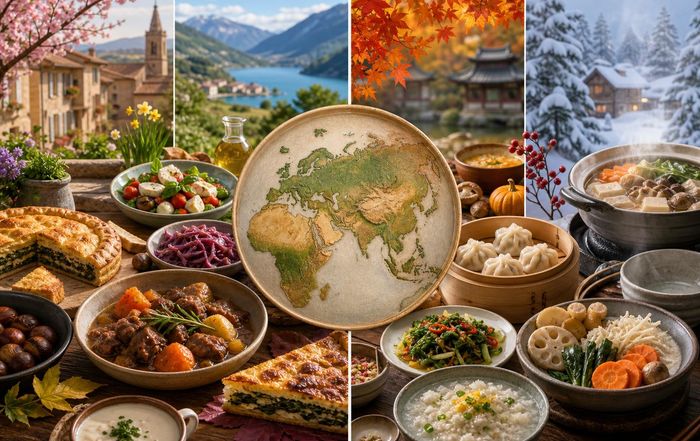
Seasonal Cooking Traditions Across Europe and Asia
Seasonal cooking is one of humanity's oldest forms of storytelling, a living archive of climate, geography, faith, and memory that is written not in ink but in ingredients, rituals, and shared meals. Across Europe and Asia, where climates range from Arctic to tropical and cultures from minimalist to exuberantly baroque, the rhythm of the year is still marked by what appears on the table, even as global supply chains and digital lifestyles reshape habits. For International hotel, hopping readers of WorldsDoor, who are curious about how travel, culture, health, environment, and innovation intersect in everyday life, exploring seasonal cooking is a way to understand how communities hold on to identity while adapting to a rapidly changing world.
In 2026, as conversations about sustainability, local food systems, and cultural resilience gain urgency, seasonal cooking traditions offer a hopeful model: they show how pleasure and responsibility can coexist, how a sense of place can be preserved in an era when almost anything can be shipped anywhere, anytime. From Alpine winter kitchens to Southeast Asian monsoon markets, the year is still divided into edible chapters that speak of survival, celebration, and creativity.
The Meaning of Seasonal Cooking in a Changing World
Seasonal cooking, at its core, is the practice of aligning meals with what is naturally available at a given time of year in a particular region. Historically, this was less a lifestyle choice and more a matter of necessity; people cooked what they could grow, gather, hunt, or preserve. Today, organizations such as the Food and Agriculture Organization of the United Nations emphasize that reconnecting with seasonal and local foods can reduce environmental impact and support biodiversity, while also helping communities maintain cultural heritage. Readers can explore global perspectives on food systems through resources like the FAO and UN Environment Programme.
Across Europe and Asia, seasonal cooking traditions have been shaped by religious calendars, agricultural cycles, trade routes, and regional climates. Orthodox Christian fasting periods, Buddhist vegetarian retreats, Islamic Ramadan feasts, Hindu harvest festivals, and Shinto rituals around rice and sake all leave clear imprints on the dishes served at different times of year. Anthropologists and food historians, including those whose work is highlighted by institutions like the Oxford Food Symposium and the Smithsonian Folklife program, have documented how these practices transmit values across generations, teaching respect for land, gratitude for abundance, and resilience in scarcity.
For WorldsDoor and its global audience, seasonal cooking is not just about nostalgia; it is a lens through which to view travel, health, lifestyle, and environmental responsibility together. When travelers seek out seasonal dishes in local markets and family-run restaurants, they engage more deeply with place, support small producers, and often eat more nutritiously, as many public health organizations, including the World Health Organization, continue to emphasize the benefits of varied plant-rich diets.
For readers eager to connect culinary traditions with broader lifestyle choices, WorldsDoor's own daily sections on health, lifestyle, and environment offer complementary perspectives on how seasonal living can support well-being and planetary health.
Europe's Four Seasons on the Plate
Europe's relatively pronounced seasons, particularly in temperate and continental regions, have historically demanded careful planning: preserving summer's abundance for winter, making the most of short asparagus or mushroom seasons, and celebrating harvests with elaborate feasts. Even as supermarkets in London, Berlin, or Madrid stock strawberries in January, a strong movement toward local and seasonal eating continues to grow, supported by farmers' markets, slow food campaigns, and regional tourism.
Spring: Renewal, Greens, and Easter Tables
European spring cooking is often associated with renewal, both religious and agricultural. In Mediterranean regions such as Italy, Greece, and southern France, early spring brings wild greens, artichokes, fava beans, and lamb. Easter remains a focal point, with dishes like Italian colomba pasquale, Greek magiritsa soup, and French gigot d'agneau featuring prominently. The European Food Information Council and various national cultural institutes have documented how these foods symbolize rebirth and transition from the austerity of winter and Lenten fasting to a more abundant season.
In northern and central Europe, spring is often marked by the arrival of asparagus, particularly in Germany and the Netherlands, where "Spargelzeit" becomes a minor national obsession. Restaurants and home cooks focus on white asparagus served with hollandaise, potatoes, and local ham. Seasonal produce calendars from organizations such as Germany's Federal Centre for Nutrition and the UK's National Health Service highlight how these spring vegetables contribute to balanced diets, reinforcing the health benefits of eating in tune with the year.
Travelers exploring seasonal food experiences through WorldsDoor's travel and culture sections can find inspiration in spring festivals, farmers' markets, and rural guesthouses across Europe, where cooks are often eager to explain the symbolism and sourcing of their seasonal dishes.
Summer: Abundance, Coastal Cuisines, and Festive Tables
European summer cooking reflects both abundance and lightness. In southern Europe, tomatoes, eggplants, peppers, and zucchini appear in dishes like ratatouille, caponata, and escalivada, while coastal regions from Spain's Galicia to Croatia's Dalmatian coast celebrate seafood at its peak. Northern countries such as Sweden, Norway, and Finland hold midsummer celebrations, often featuring new potatoes, cured or pickled herring, fresh berries, and dill-laced salads. Institutions like Visit Sweden and Finland's national tourism board frequently highlight these traditions as central to national identity and seasonal tourism.
The Mediterranean diet, widely studied by organizations including Harvard T.H. Chan School of Public Health, remains a model of seasonal, plant-forward eating, with summer dishes rich in vegetables, legumes, olive oil, and fresh herbs. Research on the Mediterranean dietary pattern has consistently associated it with cardiovascular benefits and longevity, reinforcing the idea that traditional seasonal cuisines can align with modern health guidelines. Readers interested in how these findings intersect with lifestyle choices can explore complementary insights through WorldsDoor's health and food coverage.
Summer is also the high season for European food festivals, from tomato fights in Spain to seafood feasts in Portugal and regional wine celebrations in France, Italy, and Germany. Organizations like Slow Food International encourage travelers to seek out local, seasonal specialties and to understand the farming and fishing practices behind them, offering a bridge between culinary pleasure and ethical awareness.
Autumn: Harvest, Preservation, and Hearty Fare
Autumn is perhaps the season most deeply embedded in European collective memory, tied to harvest rituals and the need to prepare for winter. Across the continent, grape harvests are marked by festivals, while apples, pears, pumpkins, root vegetables, and nuts move to the center of the plate. In France and Italy, truffle and mushroom seasons draw enthusiasts to rural markets and forested hills, while in Central and Eastern Europe, cabbage, beets, and grains feature heavily in soups, stews, and preserved foods.
Organizations such as Eurostat and various national agricultural ministries track harvest data and seasonal production, which in turn shape traditional dishes. In Germany and Austria, Oktoberfest and Erntedankfest (harvest thanksgiving) highlight seasonal beers, sausages, and hearty sides, while in the UK, traditional Michaelmas and later autumn roasts make use of game and root vegetables. These celebrations, documented by cultural heritage organizations and tourism boards, illustrate how food, faith, and farming intersect.
The practice of preservation-through fermenting, pickling, curing, and drying-has long been central to European autumn kitchens, from sauerkraut in Germany and kimchi-influenced ferments among Korean communities in Europe, to salted cod in Portugal and preserved meats in Spain and Italy. Public interest in fermentation has grown in recent years, supported by research summarized by sources such as the British Nutrition Foundation, which discusses potential benefits of fermented foods for gut health, though it also notes that not all claims are fully established and more research is ongoing.
Winter: Comfort, Festivity, and the Art of Making Do
European winter cooking traditions are often associated with comfort and celebration, particularly around Christmas and New Year. From Scandinavian julbord buffets with cured fish, meats, and pastries, to British Christmas dinners, German and Austrian Weihnachtsmärkte with mulled wine and spiced cookies, and Italian feasts of the Seven Fishes in some communities, winter tables are rich with symbolism and indulgence.
At the same time, winter reveals the ingenuity required to make satisfying meals from stored ingredients. Cabbages, potatoes, dried legumes, and preserved meats form the backbone of many classic winter dishes: French cassoulet, Polish bigos, Russian borscht, or Swiss fondue and raclette. Cultural and culinary institutions, including the European Institute of Culinary Culture and regional museums, document how these dishes evolved from peasant food to cherished comfort cuisine.
For modern Europeans who are increasingly attentive to environmental impact, winter is also a time to reflect on energy use and sustainable cooking practices. Initiatives promoted by the European Commission and non-governmental organizations encourage reduced food waste and more efficient home cooking, aligning with the broader sustainable living themes explored on WorldsDoor's sustainable and innovation pages.
Asia's Seasonal Kitchens: Monsoons, Mountains, and Markets
Asia's vast size and climatic diversity mean that "seasonal cooking" takes many forms, from the subtle shifts of Japanese kaiseki menus to the dramatic alternation of dry and monsoon seasons in South and Southeast Asia. While global supply chains have also transformed Asian food systems, many culinary traditions still revolve around highly specific seasonal ingredients and religious or cultural calendars, creating a rich tapestry of practices that fascinate travelers and scholars alike.
Japan: Micro-Seasons and the Aesthetics of Shun
Japan is frequently cited as one of the world's most seasonally attuned food cultures. The concept of "shun" refers to the precise moment when an ingredient is at its peak flavor and quality, and traditional kaiseki cuisine is structured around this idea. Spring brings bamboo shoots, young mountain vegetables, and cherry blossom-themed sweets; summer highlights river fish, chilled noodles, and refreshing citrus; autumn celebrates matsutake mushrooms, chestnuts, and persimmons; winter features hot pots, fatty fish, and root vegetables.
Sources including the Japanese Ministry of Agriculture, Forestry and Fisheries and cultural organizations such as the Japan Foundation emphasize how deeply this seasonal awareness is embedded in everyday life, from school lunches to convenience store offerings. The UNESCO inscription of "Washoku, traditional dietary cultures of the Japanese" as an Intangible Cultural Heritage underscores the importance of seasonal and regional diversity within Japanese cuisine. Travelers looking to immerse themselves in these traditions can explore detailed guides and culinary itineraries through resources like the Japan National Tourism Organization, and WorldsDoor's own travel and culture coverage.
China: Festivals, Regional Diversity, and Agricultural Cycles
China's seasonal cooking traditions are shaped by both its vast geography and its rich tapestry of regional cuisines. The lunar calendar, with its major festivals such as the Spring Festival (Chinese New Year), Mid-Autumn Festival, and Dragon Boat Festival, structures much of the culinary year. Dumplings and fish at New Year symbolize prosperity and abundance, mooncakes at Mid-Autumn celebrate reunion, and zongzi (sticky rice dumplings) at Dragon Boat Festival commemorate history and loyalty.
Institutions such as the China National Tourism Administration and academic work highlighted by universities in China and abroad document how regional climates influence seasonal dishes: spicy hotpots in cold Sichuan winters, light and cooling dishes in Cantonese summer kitchens, or hearty wheat-based foods in northern provinces. Traditional Chinese medicine concepts, which suggest balancing "hot" and "cold" foods according to the season and individual constitution, continue to influence some cooking choices, although modern medical research, including assessments by the World Health Organization, notes that evidence for some traditional health claims is mixed and requires careful evaluation.
China's rapid urbanization and changing food systems have created tensions between traditional seasonal eating and the convenience of year-round availability. Nonetheless, local markets, rural homestays, and smaller cities often retain strong seasonal patterns, offering rich experiences for travelers seeking authenticity and for readers of WorldsDoor interested in how culture and modernity intersect in Asia.
South Asia: Monsoon Rhythms, Harvest Festivals, and Spice
In South Asia, particularly in India, Pakistan, Bangladesh, Sri Lanka, and Nepal, the monsoon remains a defining seasonal event, shaping agricultural cycles and food traditions. The arrival of the first rains is often marked with specific dishes and snacks, such as fried pakoras and spiced teas in many Indian regions, while the end of the monsoon and subsequent harvests are celebrated through festivals like Pongal in Tamil Nadu, Onam in Kerala, and Makar Sankranti across much of India.
Organizations such as the Indian Council of Agricultural Research and regional cultural bodies document how rice, wheat, millets, pulses, and seasonal vegetables appear in different forms throughout the year. In Kerala, for instance, the Onam sadya is a lavish vegetarian feast served on banana leaves, featuring a wide array of dishes that showcase local produce at its seasonal best. In northern India, winter brings richly spiced lentil stews, saag (leafy greens), and jaggery-based sweets that draw on sugarcane harvests.
Public health research, including work summarized by the Public Health Foundation of India and international journals, has examined how traditional South Asian diets, when based on whole grains, legumes, vegetables, and moderate use of oils and sugars, can support metabolic health, though it also notes that modern adaptations with higher refined carbohydrate and fat content may contribute to rising rates of diabetes and cardiovascular disease. For readers of WorldsDoor's society and health sections, this tension between tradition and modernity offers a nuanced case study in how cultural heritage can be both protective and challenged by lifestyle changes.
Southeast Asia: Tropical Seasons, Street Food, and Festive Feasts
In Southeast Asia, where many regions experience only slight temperature variations but distinct wet and dry seasons, seasonal cooking often revolves around fruit harvests, fish migrations, and festival calendars. Thailand, Vietnam, Malaysia, Indonesia, and neighboring countries share an emphasis on fresh herbs, vegetables, and seafood, but each has its own seasonal specialties. Durian, mangosteen, rambutan, and other tropical fruits appear in markets during specific months, while river fish and shellfish availability changes with water levels and weather patterns.
Tourism boards such as Tourism Authority of Thailand and Malaysia Tourism Promotion Board highlight food festivals and seasonal markets as key attractions, and culinary researchers have noted how monsoon patterns influence planting and foraging. For example, certain mushrooms, bamboo shoots, and wild greens are gathered at specific times of year in rural areas, and many communities still rely on this knowledge for both sustenance and income.
The role of street food in Southeast Asia's seasonal cooking is significant. Vendors adapt menus to what is freshest and most affordable, creating a dynamic, responsive form of seasonal cuisine that travelers can experience directly. Health authorities, including the World Health Organization regional offices, have worked with local governments to improve food safety in street markets while recognizing their cultural and economic importance.
Health, Sustainability, and the Return of Seasonal Eating
Across both Europe and Asia, the renewed interest in seasonal cooking intersects with broader concerns about health and sustainability. Numerous studies summarized by organizations such as the EAT-Lancet Commission and the World Resources Institute suggest that diets emphasizing local, seasonal plant foods and moderate animal product consumption can reduce greenhouse gas emissions and support long-term food security. While there is ongoing debate about the precise environmental benefits of local versus imported foods, especially when transport is efficient and production methods vary, there is broad agreement that reducing food waste and aligning consumption with ecological cycles are beneficial.
From a health perspective, public agencies such as the Centers for Disease Control and Prevention in the United States and the European Food Safety Authority in the EU continue to recommend varied diets rich in fruits, vegetables, whole grains, and legumes, many of which are more affordable and flavorful when eaten in season. Seasonal cooking traditions, when not heavily modified by ultra-processed ingredients, often align naturally with these recommendations, providing a practical framework for healthy eating.
For readers of WorldsDoor, the convergence of health, environment, and culture is a central theme that can be explored across the platform's dedicated pages on environment, innovation, and business. Entrepreneurs and policymakers are increasingly recognizing that supporting seasonal and regional food systems can create jobs, strengthen rural economies, and preserve biodiversity, while also appealing to travelers seeking authentic experiences.
Traveling Through Seasons: How WorldsDoor Readers Can Engage
For those who discover the world through WorldsDoor, seasonal cooking traditions offer a deeply personal way to connect with destinations across Europe and Asia. Instead of viewing food as a static attraction, travelers can approach it as a living, changing expression of place and time. Planning trips around harvest festivals, cherry blossom seasons, truffle hunts, or monsoon markets allows visitors to witness how communities respond to the cycles of nature and how they celebrate continuity in an era of rapid change.
Travelers can learn more about sustainable travel choices and culturally sensitive dining through WorldsDoor's travel and culture sections, and can complement this with insights on education and ethics, which explore how culinary traditions intersect with social responsibility and cultural preservation. Seeking out family-run restaurants, community markets, and cooking classes that emphasize seasonal ingredients not only enriches the travel experience but also supports local economies and helps to sustain the knowledge that underpins these traditions.
At home, readers can experiment with bringing seasonal principles into their own kitchens, using local produce guides, farmers' markets, and community-supported agriculture programs where available. Resources such as the BBC Good Food seasonal calendar, the Eat Seasonally initiative in the UK, and similar projects in North America, Europe, and Asia provide practical guidance, while WorldsDoor's lifestyle and food content can inspire creative, globally influenced dishes that respect local seasons.
Looking Further Onwards = Seasonal Traditions in a Warming Climate
As the world moves further into the third decade of the twenty-first century, climate change is already reshaping the conditions that made many traditional seasonal dishes possible. Wine harvest dates in Europe have shifted, as documented by research published through organizations like the International Organisation of Vine and Wine, while changing monsoon patterns in South Asia and altered snowmelt in Central Asia and the Himalayas affect crop yields and availability. Fisheries in both European and Asian waters are experiencing shifts in species distribution and abundance, challenging long-standing culinary expectations.
Scientists and policy makers, including those working under the Intergovernmental Panel on Climate Change (IPCC), stress that adaptation will be necessary at every level of the food system. Yet within this challenge lies an opportunity: seasonal cooking traditions, with their emphasis on flexibility, preservation, and respect for local conditions, can offer a framework for resilient food cultures. Chefs, farmers, and communities across Europe and Asia are already experimenting with climate-resilient crops, regenerative agriculture, and new forms of preservation and fermentation that build on ancestral knowledge while integrating modern science.
For a premium daily updated website like this, whose mission is to open doors between cultures and ideas, seasonal cooking traditions across Europe and Asia form a powerful narrative thread. They remind readers that food is more than fuel or fashion; it is a living language through which societies negotiate change, express gratitude, and imagine the future. By paying attention to the seasons-whether in a Tokyo kaiseki restaurant, a Tuscan farmhouse, a Thai street market, or a Scandinavian midsummer table-travelers and home cooks alike can participate in a global conversation about how to live well, ethically, and joyfully on a shared planet.
In this evolving story, WorldsDoor serves as both guide and companion, inviting its community to taste the year as it unfolds from continent to continent, and to discover in each seasonal dish a connection to land, history, and one another.