

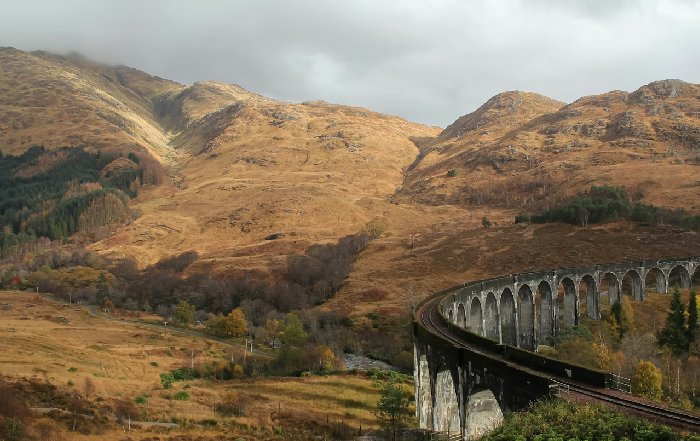
Regenerative Travel in the Scottish Highlands: A New Standard for Conscious Exploration
Regenerative Travel in a Changing World
By 2026, the global conversation about travel has shifted decisively from simple sustainability toward a more ambitious goal: regeneration. Rather than merely reducing harm, regenerative travel seeks to leave destinations better than they were before, restoring ecosystems, revitalizing communities, and strengthening cultural resilience. Nowhere is this transition more visible than in the Scottish Highlands, where a rugged landscape of lochs, glens, and mountains has become a living laboratory for a new kind of tourism that aligns environmental stewardship with economic opportunity and cultural continuity. For readers of WorldsDoor-who follow developments in travel, environment, culture, business, and sustainable innovation-the Highlands offer a compelling case study in how destinations worldwide might reimagine their relationship with visitors in the decade ahead.
The regenerative travel movement builds on foundations laid by sustainable tourism practices promoted by organizations such as the World Tourism Organization (UNWTO), which has long argued that tourism must support local livelihoods, protect heritage, and conserve nature while providing meaningful experiences for travelers. As climate pressures intensify and communities from the United States to Japan reassess the costs of overtourism, the Highlands demonstrate how a region can move beyond damage limitation toward proactive restoration, drawing on global best practices in conservation, community empowerment, and ethical business models. In doing so, the area provides valuable insights for decision-makers across Europe, Asia, Africa, and the Americas who are seeking viable, scalable pathways to a more responsible visitor economy.
From Sustainable to Regenerative: What Has Changed
Over the past decade, sustainable travel has become a familiar term for travelers from Canada, Germany, Australia, and beyond, often associated with carbon offsetting, eco-certifications, and reduced resource consumption. Yet experts at institutions such as the Global Sustainable Tourism Council and research centers at universities like Harvard and Oxford have increasingly emphasized that incremental improvements are no longer sufficient in the face of accelerating biodiversity loss and climate risk. Regenerative travel responds to this challenge by focusing on net-positive outcomes: restoring habitats rather than simply protecting them, reviving traditional knowledge instead of commodifying it, and strengthening local economies through deep, long-term partnerships rather than short-term transactions.
In the Scottish Highlands, this shift is visible in how landowners, community groups, and tourism operators design experiences that actively contribute to the region's ecological and social health. Initiatives inspired by rewilding projects documented by organizations such as Rewilding Europe and conservation programs supported by the IUCN have influenced local approaches, encouraging visitors to participate in tree planting, peatland restoration, and wildlife monitoring. Travelers who once might have sought only scenic views of Glen Coe or the Isle of Skye are now invited to understand how these landscapes function as carbon sinks, biodiversity refuges, and cultural touchstones, and to play a role in their renewal. This deeper engagement aligns strongly with the values of the WorldsDoor audience, who increasingly expect their journeys to reflect their commitments to ethics, society, and long-term planetary wellbeing.
The Highlands as a Living Landscape of Regeneration
The Scottish Highlands occupy a unique place in the global imagination, drawing visitors from the United States, France, Italy, Spain, and across Asia who are drawn to its dramatic scenery and evocative history. Yet behind the romantic imagery lies a complex legacy of land use, depopulation, and ecological degradation, shaped in part by the Highland Clearances and centuries of intensive grazing and forestry. Over time, large areas of native woodland were lost, peatlands were drained, and many communities struggled with limited economic opportunities. The emergence of regenerative travel must therefore be understood against this backdrop of historical disruption and contemporary renewal.
In recent years, a growing number of estates, community trusts, and local businesses have embraced models that prioritize ecological restoration alongside cultural and economic resilience. Projects such as the landscape-scale restoration efforts in the Cairngorms and initiatives inspired by the Scottish Rewilding Alliance reflect a broader European trend toward nature recovery, documented by organizations like the European Environment Agency. For visitors, this means that a hike through a recovering Caledonian pine forest or a guided kayak trip on a rewilded loch is not only a recreational activity but also an encounter with a landscape in transition, where decisions about deer management, forestry, and rural livelihoods are reshaping the future. Readers interested in how such transformations intersect with global environmental policy can explore more through UN Environment Programme resources, which provide a broader context for understanding the Highlands within worldwide conservation efforts.
Community-Led Tourism and Local Empowerment
Regenerative travel in the Highlands is not only about ecosystems; it is fundamentally about people. Community-led tourism models have gained traction across Scotland, mirroring successful approaches in regions from Norway to New Zealand where local ownership and governance are central to long-term resilience. In the Highlands, community land trusts have acquired significant estates, shifting control from absentee landlords to local residents who can align tourism with their own priorities for housing, employment, and cultural preservation. This movement has been closely followed by policy analysts and social innovators who see it as a template for more equitable rural development.
Travelers engaging with regenerative experiences in the Highlands increasingly encounter community-owned visitor centers, locally managed heritage trails, and accommodation providers that reinvest profits into social infrastructure, from education programs to renewable energy projects. Organizations such as the Scottish Government's Community Empowerment programs and research from the London School of Economics have highlighted how such models can reduce inequality and strengthen democratic participation, themes that resonate strongly with WorldsDoor's focus on society and ethics. When visitors choose to stay in locally owned guesthouses, dine in community-supported cafes, or book guiding services run by residents, they are not merely consuming a product; they are becoming part of a broader effort to ensure that tourism revenue circulates within the region rather than leaking out to distant corporate headquarters.
Culture, Heritage, and the Gaelic Revival
The cultural dimension of regenerative travel in the Scottish Highlands is equally significant, particularly in relation to the revival of Gaelic language and traditions. Cultural organizations and educational institutions, including Sabhal Mòr Ostaig on the Isle of Skye and Gaelic initiatives supported by Bòrd na Gàidhlig, have worked to ensure that tourism does not reduce local culture to a superficial performance for visitors, but instead supports living traditions and intergenerational transmission of knowledge. This approach echoes wider debates in cultural policy circles, including work by UNESCO on intangible cultural heritage, which stresses the importance of community agency in how traditions are presented and shared.
For international visitors from countries such as Japan, South Korea, the United States, and Brazil, immersive experiences in music, storytelling, and language classes offer a deeper connection to the Highlands than conventional sightseeing. Regenerative travel experiences might include attending a local ceilidh where visitors are guests rather than spectators, participating in workshops on traditional crafts or crofting practices, or joining guided walks that explore historical sites through the lens of Gaelic place names and oral histories. Such engagements align with WorldsDoor's broader coverage of culture and education, illustrating how travel can function as a form of lifelong learning that enriches both guests and hosts. By foregrounding authentic voices and community control, the Highlands are demonstrating how tourism can help sustain minority languages and cultural practices rather than eroding them.
Health, Wellbeing, and Nature-Connected Travel
A parallel trend shaping regenerative travel in the Highlands is the growing global focus on health and wellbeing, particularly in the aftermath of the pandemic years and amid a rising awareness of mental health challenges across North America, Europe, and Asia. Studies from organizations such as the World Health Organization and public health institutes in the United Kingdom, Sweden, and Canada have documented the profound benefits of nature exposure for stress reduction, cognitive function, and emotional resilience. The Scottish Highlands, with their expansive wild spaces and relative remoteness, have become a sought-after destination for travelers seeking restorative experiences that integrate physical activity, mindfulness, and ecological awareness.
Regenerative travel offerings in this context often take the form of guided walking retreats, forest bathing sessions, and multi-day journeys that combine hiking with reflective practices inspired by both local traditions and global wellbeing frameworks. Travelers are encouraged to slow down, engage with the landscape in a more contemplative manner, and understand how their own health is intertwined with the health of ecosystems. For readers of WorldsDoor interested in health and lifestyle, the Highlands illustrate how wellness tourism can evolve beyond luxury spas and short-term escapes toward more meaningful, place-based experiences that actively support conservation and community wellbeing. This perspective is reinforced by research from institutions like Stanford University and King's College London, which continue to explore the links between green spaces, psychological wellbeing, and social cohesion.
Technology, Data, and Smarter Visitor Management
Regenerative travel in the Scottish Highlands is also being shaped by technological innovation, as digital tools help manage visitor flows, monitor environmental impacts, and create more personalized, responsible experiences. Destination managers and local authorities are increasingly using data analytics, mobile applications, and geospatial mapping to understand patterns of movement, identify pressure points, and design interventions that protect fragile sites while still enabling access. These developments mirror broader trends in smart tourism and digital transformation documented by organizations such as the OECD and technology think tanks like the World Economic Forum, which see data-driven approaches as essential to balancing growth and sustainability.
For travelers, this technological layer may be visible in real-time information about trail conditions, capacity limits at popular viewpoints, or suggestions to explore lesser-known areas that can accommodate more visitors without ecological harm. Some regenerative travel providers in the Highlands are experimenting with digital storytelling platforms that allow guests to access local histories, ecological information, and cultural narratives through their smartphones while on the move, enhancing understanding without increasing physical infrastructure. This integration of technology aligns with WorldsDoor's emphasis on technology and innovation, showcasing how digital tools can support ethical decision-making and more nuanced visitor behavior. At the same time, experts warn that data governance and privacy must be handled carefully, drawing on best practices from organizations such as The Alan Turing Institute and regulatory frameworks across the European Union and beyond.
Climate Action, Carbon, and the Ethics of Long-Distance Travel
A central tension in any discussion of regenerative travel, especially in a remote region like the Scottish Highlands, concerns the carbon emissions associated with long-distance transport. Visitors arriving from the United States, Canada, Australia, or East Asia must grapple with the environmental impact of air travel, even when their on-the-ground activities are carefully designed to support regeneration. Climate scientists and policy experts, including those contributing to reports from the Intergovernmental Panel on Climate Change (IPCC), have repeatedly emphasized that aviation emissions pose a significant challenge to global climate goals, and that technological solutions such as sustainable aviation fuels and more efficient aircraft will take time to scale.
In response, some regenerative travel operators in the Highlands are working closely with rail providers and low-carbon transport initiatives to encourage slower, overland journeys from within the United Kingdom and continental Europe, aligning with broader European efforts to revive night trains and reduce short-haul flights. Others are adopting rigorous carbon accounting practices, informed by frameworks from organizations like the Science Based Targets initiative, and integrating verified nature-based solutions such as peatland restoration, which is particularly relevant in the Scottish context. For ethically minded travelers and businesses, this raises complex questions about how to balance the cultural, economic, and personal benefits of travel with the imperative to reduce emissions. WorldsDoor's readers, who follow evolving debates on environment and sustainable business practices, will recognize that there are no simple answers, but the Highlands are demonstrating that transparency, innovation, and honest dialogue are essential components of any credible regenerative approach.
Food Systems, Local Supply Chains, and Regenerative Cuisine
Another pillar of regenerative travel in the Scottish Highlands is the transformation of local food systems and culinary experiences. As diners from the United Kingdom, France, Italy, Spain, and beyond become more conscious of the environmental and social impacts of their meals, there is growing interest in farm-to-table models, regenerative agriculture, and wild food traditions. In the Highlands, chefs, farmers, and foragers are collaborating to create menus that reflect seasonal abundance, support soil health, and celebrate regional biodiversity, drawing inspiration from global movements documented by organizations like the Ellen MacArthur Foundation and the FAO.
Visitors might encounter restaurants that source ingredients from nearby crofts practicing low-impact grazing, community gardens that supply local cafes, or guided foraging walks that teach participants to identify edible plants while emphasizing ecological sensitivity and legal frameworks. This approach resonates strongly with WorldsDoor's coverage of food and lifestyle, highlighting how culinary experiences can become a gateway to understanding broader questions about land use, climate resilience, and rural economies. By integrating regenerative principles into menus and supply chains, Highland businesses are not only differentiating themselves in a competitive global food tourism market but also contributing to healthier ecosystems and communities, in line with research from institutions such as The James Hutton Institute and leading European agroecology networks.
Business Models, Investment, and Long-Term Resilience
For regenerative travel in the Scottish Highlands to move from niche to norm, robust business models and aligned investment strategies are essential. Tourism enterprises, from small family-run lodges to larger destination management companies, must navigate the financial realities of seasonality, infrastructure costs, and market competition while committing to practices that may require upfront investment in restoration, training, and community engagement. Impact investors, philanthropic foundations, and public agencies are increasingly interested in funding projects that deliver measurable social and environmental benefits alongside financial returns, a trend documented by organizations such as the Global Impact Investing Network and policy platforms like the World Bank.
In the Highlands, this has led to innovative partnerships between landowners, community groups, conservation NGOs, and private investors, who co-design projects that integrate tourism with habitat restoration, renewable energy, and cultural programming. Such collaborations often rely on rigorous metrics and transparent reporting, ensuring that claims of regeneration are backed by evidence rather than marketing alone. For a business-focused readership, WorldsDoor's business and innovation sections provide a broader context for understanding how these models fit into global trends in ESG investing, corporate responsibility, and purpose-driven entrepreneurship. The Highlands demonstrate that regenerative travel is not merely a moral aspiration but can also be a competitive advantage in a market where travelers from the Netherlands, Switzerland, Singapore, and elsewhere are actively seeking destinations that align with their values.
Lessons from the Highlands for a Global Audience
While the Scottish Highlands possess unique geographical, historical, and cultural characteristics, the principles underpinning regenerative travel in the region offer valuable lessons for destinations worldwide, from coastal communities in South Africa and Brazil to mountain regions in Norway, Japan, and New Zealand. Central among these lessons is the importance of local leadership and long-term vision: regeneration cannot be imposed from outside or achieved through short-term projects; it requires deep collaboration between residents, businesses, policymakers, and visitors. International organizations such as the World Travel & Tourism Council and research bodies including UNESCO and UNWTO have begun to highlight case studies from the Highlands as part of a growing body of evidence that tourism, when thoughtfully designed, can be a catalyst for positive change rather than a driver of degradation.
For the global audience of WorldsDoor, which spans North America, Europe, Asia, Africa, and South America, the Highlands story underscores the interconnectedness of health, culture, environment, technology, ethics, and economy. A journey through this region is not only an encounter with striking landscapes but also an invitation to reflect on how each traveler's choices influence distant communities and ecosystems. By engaging with regenerative experiences, supporting locally led initiatives, and staying informed through platforms such as WorldsDoor, visitors can become active participants in a broader shift toward a more just and resilient world.
The Role of WorldsDoor in Shaping Regenerative Journeys
As regenerative travel moves from emerging concept to mainstream expectation, media platforms play a critical role in informing, inspiring, and guiding travelers, businesses, and policymakers. WorldsDoor is uniquely positioned at this intersection, curating insights across travel, environment, culture, society, and sustainable innovation, and connecting global developments with concrete examples such as the Scottish Highlands. By highlighting stories of regeneration, profiling key organizations and community leaders, and examining the complex trade-offs inherent in ethical travel, WorldsDoor helps its audience move beyond passive consumption toward informed, values-driven decision-making.
In the years ahead, as climate impacts intensify and debates about the future of tourism grow more urgent from the United States to China and from Europe to Africa, the experiences of the Highlands will continue to evolve. New technologies will emerge, community priorities will shift, and policy frameworks will adapt. Yet the core principles of regenerative travel-respect for place, commitment to restoration, and partnership between hosts and guests-are likely to remain central. For readers considering their next journey, the Scottish Highlands offer not only a destination of remarkable natural beauty and cultural depth but also a glimpse of what travel, at its best, can become: a doorway to a world where exploration and responsibility are inseparable, and where every trip holds the potential to contribute to a healthier planet and more vibrant communities.