

Global Recipes, Local Lives: How Healthy Eating Became a Shared Language
Healthy eating is no longer a niche lifestyle or a medical prescription; it has become a defining cultural force that shapes how societies live, trade, innovate, and imagine their future. What began as a quiet shift in awareness in cities like New York, Tokyo, London, Berlin, and Sydney has evolved into a global movement that connects personal well-being with planetary health, economic strategy, ethical responsibility, and cultural identity. On World's Door, this evolution is not an abstract trend report but a lived narrative, reflected in how readers explore health, travel, culture, business, technology, and sustainability as interconnected dimensions of the same story: how food can open a door to a better world.
Across continents and generations, there is a clear transition from excess to equilibrium, from ultra-processed convenience to thoughtfully sourced nourishment, from isolated dietary advice to holistic lifestyles. Plant-based meals, low-sugar choices, functional ingredients, and nutrient-dense recipes are no longer seen as restrictive; they are perceived as expansive, inclusive, and creative. They invite a diversity of ingredients, culinary traditions, and cultural perspectives that enrich daily life. In this new era, healthy eating is as much about identity and community as it is about vitamins and minerals, and it is increasingly recognized as a powerful lever for addressing climate change, social inequality, and mental well-being. Readers who follow these developments on World's Door Health or World's Door Lifestyle see that personal choices at the table now resonate across borders and industries.
Mediterranean and Nordic Lessons in Longevity and Balance
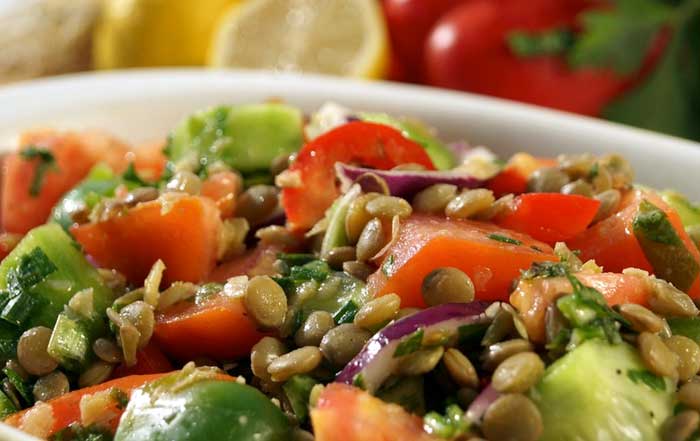
The Mediterranean diet continues to stand as a benchmark for longevity and cardiovascular health, but in 2026 it is also understood as a cultural blueprint for how food, family, and environment can reinforce one another. Rooted in the everyday practices of communities in Italy, Greece, Spain, and across the Mediterranean basin, this pattern emphasizes extra-virgin olive oil, seasonal vegetables, legumes, nuts, whole grains, and moderate consumption of fish and wine. Institutions such as the Harvard T.H. Chan School of Public Health and the World Health Organization (WHO) have repeatedly highlighted that the strength of the Mediterranean model lies not only in its ingredients but in its context: unhurried meals, social connection, and active lifestyles that prioritize walking and outdoor living over sedentary routines. Those who explore Mediterranean-inspired approaches through World's Door Food discover that grilled fish with olive oil and herbs, lentil soups, and tomato-rich stews are not simply recipes but expressions of a philosophy that values moderation, pleasure, and long-term health.
In parallel, the Nordic diet has matured from a regional curiosity into a globally respected framework that combines nutritional excellence with environmental responsibility. Grounded in the culinary traditions of Denmark, Sweden, Norway, Finland, and Iceland, it emphasizes whole grains like rye and barley, cold-water fish, root vegetables, berries, and rapeseed oil. Research supported by the Nordic Council of Ministers and universities such as the University of Copenhagen has demonstrated that this pattern can reduce cardiovascular risk factors, support healthy weight, and promote metabolic health, while also aligning with low-impact, climate-conscious agriculture. The Nordic principle of "lagom"-the idea of "just enough"-extends from portion sizes to resource use, offering a compelling model for societies that seek to reconcile prosperity with ecological limits. Readers interested in how these dietary models intersect with innovation and sustainability can explore related analyses on World's Door Innovation and World's Door Environment.
Asian Culinary Wisdom and the Science of Harmony
Across Japan, South Korea, Thailand, Singapore, and other parts of Asia, traditional food cultures continue to demonstrate how balance, variety, and moderation can be woven into daily practice without sacrificing taste or convenience. Japanese washoku, recognized by UNESCO as an Intangible Cultural Heritage, illustrates a sophisticated balance of colors, textures, and nutrients, with meals that typically combine rice, miso soup, seasonal vegetables, and small portions of fish or tofu. This pattern, rich in fermented foods, seaweed, and green tea, has been associated with one of the highest life expectancies in the world and has inspired global interest in "food as harmony." Scientific reviews published through platforms like National Institutes of Health resources and BMJ journals have increasingly validated the health benefits of these traditional patterns, from gut microbiome diversity to reduced chronic disease risk.
Korean cuisine, with staples like kimchi, doenjang (fermented soybean paste), and bibimbap, underscores the central role of fermentation in enhancing both flavor and nutritional value. Meanwhile, Thai cooking, renowned for its intricate balance of sweet, sour, salty, and spicy, integrates herbs such as lemongrass, galangal, and kaffir lime, which are now widely studied for their antioxidant and anti-inflammatory properties. These traditions show that healthful eating does not require abandoning cultural identity; rather, it often means returning to roots that predate industrialized food systems. On World's Door Culture and World's Door World, the Asian perspective on harmony-between body and mind, individual and community, human and nature-emerges as a powerful counterpoint to the fragmented, rushed eating habits that characterized much of the late 20th century.
Ancient Grains, African and Latin American Superfoods, and Biodiversity
As supply chains have become global, there has been a renewed awareness that relying on a narrow set of staple crops undermines both health and resilience. In 2026, the revival of ancient grains and indigenous crops from Africa, Latin America, and parts of Asia reflects a strategic shift toward biodiversity as a foundation for nutrition and climate adaptation. Organizations such as the Food and Agriculture Organization (FAO) and the Bioversity International Alliance have emphasized that crops like teff, millet, sorghum, quinoa, amaranth, and fonio can thrive in challenging climates while providing dense nutritional profiles.
In Ethiopia, teff remains central to injera, a fermented flatbread that delivers fiber, iron, and calcium while supporting gut health through natural fermentation. Across the Andes in Peru and Bolivia, quinoa and amaranth-once marginalized by global commodity markets-have been reclaimed as symbols of cultural pride and sustainable agriculture, offering complete plant-based proteins that meet modern dietary preferences. In West Africa, sorghum and millet-based dishes, often paired with legumes, illustrate how traditional combinations can deliver all essential amino acids without heavy reliance on animal protein. Latin American staples such as beans, maize, avocados, papayas, and berries contribute a spectrum of vitamins, healthy fats, and phytonutrients, reinforcing the idea that colorful plates often correlate with diverse nutrient intake. Those who explore the intersection of biodiversity, food security, and health on World's Door Environment see that the resurgence of these crops is not nostalgia; it is a forward-looking strategy for a hotter, more unpredictable planet.
Plant-Based Eating, Climate Goals, and Mainstream Business
Plant-based and plant-forward diets have firmly entered the mainstream in North America, Europe, and increasingly in parts of Asia-Pacific. What was once perceived as a lifestyle limited to niche communities in cities like Los Angeles, London, and Berlin is now a key pillar of national climate strategies and corporate agendas. Research from Oxford University's Environmental Change Institute and the EAT-Lancet Commission has reinforced that shifting toward diets rich in vegetables, legumes, whole grains, nuts, and seeds can significantly reduce greenhouse gas emissions, land use, and water consumption while lowering the risk of non-communicable diseases.
Food technology companies such as Beyond Meat, Impossible Foods, Oatly, and NotCo have transformed supermarket shelves and restaurant menus in the United States, Canada, United Kingdom, Germany, Australia, and beyond, offering plant-based alternatives that appeal to flexitarians and omnivores as much as to vegans. At the same time, legacy multinationals like Nestlé, Unilever, and Danone have expanded their portfolios of plant-based and reduced-sugar products, often guided by frameworks developed by entities like the World Business Council for Sustainable Development and World Resources Institute. For readers of World's Door Business, these shifts illustrate how health and sustainability have become central to corporate strategy, investor expectations, and brand reputation.
This transformation is not solely about replacing meat with analogues. It is also about re-centering vegetables, pulses, and whole grains as the protagonists of the plate, from lentil-based bolognese in Italy to chickpea stews in Spain, tofu-centered hotpots in Japan, and black bean dishes in Brazil. On World's Door Sustainable, the plant-forward movement appears as a convergence point where environmental stewardship, culinary creativity, and public health policy meet.
Technology, Personalization, and the New Science of Eating Well
The convergence of nutrition science, data analytics, and digital platforms has ushered in a new era of "precision nutrition," in which individuals can tailor their diets based on genetic markers, microbiome profiles, activity levels, and even real-time biometric data. Companies such as Nutrigenomix, ZOE, and Viome have expanded their reach across North America, Europe, and parts of Asia, offering DNA or gut microbiome testing that feeds into personalized dietary recommendations. At the same time, technology giants and consumer electronics firms have integrated nutrition into broader health ecosystems: Samsung, Apple, Google, and Huawei now offer wearables and apps that track food intake, sleep, and movement, combining them into holistic wellness dashboards.
AI-powered kitchen tools and platforms-ranging from Samsung Food to voice-activated cooking assistants-can suggest recipes based on what is available in a smart fridge, local seasonality, and individual health goals. For many readers in Germany, South Korea, Japan, Singapore, and the United States, this means that healthy eating is no longer a vague aspiration but a set of actionable, real-time prompts integrated into daily routines. Institutions like Cleveland Clinic, Harvard Medical School, and Mayo Clinic have also expanded their digital education efforts, providing evidence-based guidance on topics such as gut health, heart-healthy diets, and mental well-being through nutrition. On World's Door Technology and World's Door Innovation, these developments are tracked not as gadgets but as structural shifts in how societies understand and manage health, raising important questions about data privacy, equity of access, and the risk of widening health gaps between those who can afford advanced tools and those who cannot.
Ethics, Equity, and the Politics of the Plate
As healthy eating has become a global aspiration, the ethical and social dimensions of food have moved to the center of public discourse. Certification schemes developed by Fairtrade International, Rainforest Alliance, and similar organizations have helped consumers in Europe, North America, and Asia-Pacific align their purchases with values related to labor rights, biodiversity, and climate resilience. However, debates have intensified about how to ensure that ethical labels translate into real benefits for farmers in regions such as Sub-Saharan Africa, South Asia, and Latin America, where smallholders remain vulnerable to price volatility, climate shocks, and unequal bargaining power.
Global initiatives led by entities like the World Food Programme (WFP), UNICEF, Global Alliance for Improved Nutrition (GAIN), and the UN Food Systems Coordination Hub emphasize that healthy eating cannot be reduced to consumer choice alone; it requires structural changes in agricultural policy, trade agreements, urban planning, and social protection systems. In cities from Johannesburg to Mumbai, and Manila, questions of food deserts, affordability, and cultural appropriateness remain pressing. On World's Door Society and World's Door Ethics, readers encounter the reality that while some regions debate the ethics of lab-grown meat and AI-designed diets, others still struggle with undernutrition, stunting, and limited access to fresh produce.
The rapid advance of food technology adds another layer of ethical complexity. Organizations such as The Good Food Institute and expert panels convened by FAO and WHO have begun to develop governance frameworks for cultivated meat, gene-edited crops, and precision fermentation, seeking to balance innovation with transparency, safety, and public trust. The central question is no longer whether technology will transform food, but how that transformation will be governed, who will benefit, and how cultural diversity and local autonomy will be preserved in the process.
Travel, Culture, and the Emotional Dimension of Eating
Healthy eating in 2026 is also deeply experiential. The growth of culinary and wellness tourism across Europe, Asia, North America, and Oceania reflects a desire to learn from other cultures by sharing their tables. From plant-forward fine dining in Copenhagen and Melbourne to farm-to-table retreats in Tuscany and Provence, from temple cuisine in Kyoto to wellness resorts in Thailand, travelers seek not only pleasure but also insight into how different societies integrate health, spirituality, and ecological stewardship into their meals. On World's Door Travel, these journeys are portrayed as opportunities to understand how local ingredients, cooking techniques, and rituals encode centuries of adaptation to climate, geography, and social norms.
At the same time, the emotional and psychological dimensions of food have gained recognition in clinical research and popular awareness alike. Studies highlighted by organizations such as the American Psychological Association (APA) and Harvard Health Publishing have linked dietary patterns rich in fruits, vegetables, whole grains, and omega-3 fatty acids with reduced depression and anxiety, improved cognitive performance, and better sleep quality. Traditional frameworks like Ayurveda in India, the concept of Hara Hachi Bu in Japan, and Mediterranean views of shared meals as daily rituals of connection are increasingly seen as early, culturally embedded forms of what modern science now describes as nutritional psychiatry. For readers of World's Door Health, this convergence between ancient wisdom and contemporary research underscores that food is not only fuel; it is a medium for emotional regulation, social cohesion, and meaning.
Business, Education, and the Road Ahead
The global wellness and nutrition economy, estimated by the Global Wellness Institute to exceed eight trillion dollars by the mid-2020s, reveals how deeply health-focused consumption now shapes markets in the United States, United Kingdom, Germany, France, Canada, Australia, China, and beyond. Supermarket chains like Whole Foods Market, Carrefour, and Coles, hotel groups such as Six Senses, Aman, and Four Seasons, and restaurant leaders from Noma in Copenhagen to plant-forward concepts in New York and Singapore have all recognized that guests and customers increasingly judge experiences by how they support long-term well-being and align with environmental and social values. On World's Door Business, this shift is analyzed as a structural realignment rather than a passing trend: health has become a strategic imperative and a differentiator in competitive global markets.
Education is the quiet force that underpins these changes. Governments in Finland, Singapore, Canada, Netherlands, and New Zealand have invested in school-based programs that combine nutrition curricula with gardening, cooking classes, and food waste reduction initiatives, recognizing that lifelong habits are formed early. Global platforms such as the UNESCO education initiatives and the Global Nutrition Report have emphasized the need to integrate food literacy into broader discussions about climate, equity, and digital skills. For readers exploring World's Door Education, it is evident that the future of healthy eating depends as much on what is taught in classrooms and community centers as on what is sold in supermarkets or promoted on apps.
As World's Door continues to connect stories from health, travel, culture, technology, environment, business, and society, a consistent pattern emerges: healthy eating is no longer a private matter of personal discipline; it is a shared project that spans continents and sectors. Whether it is a family in Toronto adopting more plant-based meals, a farmer in Kenya cultivating drought-resistant sorghum, a chef in Barcelona reinterpreting traditional recipes with seasonal produce, or a policymaker in Seoul integrating climate metrics into national dietary guidelines, each decision contributes to a global mosaic.
In 2026, the most compelling insight is that global recipes for a balanced life are not about rigid rules or perfect diets; they are about relationships-between people and their bodies, communities and their landscapes, businesses and their responsibilities, cultures and their histories. Healthy eating has become a shared language through which humanity negotiates its future, and World's Door remains committed to documenting and shaping that conversation, one thoughtful meal and one informed choice at a time. Readers who wish to keep exploring these interwoven themes can continue their journey across World's Door, where food is always a starting point, never an endpoint, for understanding the world.