

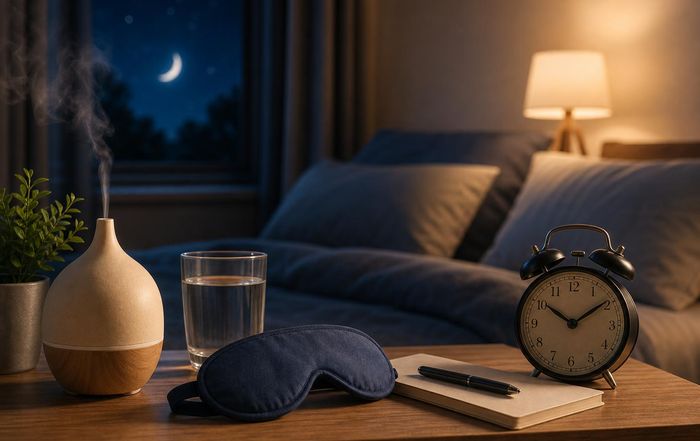
Practical Steps for Creating a Healthier Sleep Routine
Healthy sleep has quietly become one of the defining wellbeing challenges of the modern era. Around the world, people are sleeping less, sleeping later and sleeping more poorly, even as scientific understanding of sleep has never been more sophisticated. For readers of WorldsDoor, who are curious about travel, culture, health, lifestyle and the wider world, sleep is not simply a medical topic; it is a daily human experience that shapes creativity, resilience, decision-making and joy. In 2026, as work patterns continue to shift, digital technologies accelerate and global uncertainty remains part of everyday life, practical and evidence-based sleep strategies have never been more important.
This article explores how a healthier sleep routine can be built step by step, grounded in current research from reputable organizations such as the World Health Organization (WHO), the U.S. Centers for Disease Control and Prevention (CDC) and leading sleep medicine bodies, while also reflecting the diverse lifestyles and cultures of readers across regions from North America and Europe to Asia, Africa and South America. It is written from a third-person perspective, but it is intended to feel personal and actionable for the WorldsDoor community, connecting sleep habits to broader themes of travel, culture, environment, technology and sustainable living.
Why Sleep Quality Matters More Than Ever
Across countries as varied as the United States, the United Kingdom, Germany, Japan and Brazil, sleep researchers have documented a consistent pattern: large numbers of adults and adolescents are not getting the recommended amount of sleep, and many report poor sleep quality. The CDC describes insufficient sleep as a public health problem and notes associations between short sleep and higher risks of obesity, type 2 diabetes, cardiovascular disease, depression and impaired immune function. Readers can explore these links in more depth through the CDC's overview of sleep and chronic disease.
Similarly, the World Health Organization highlights that healthy sleep is one of the essential pillars of mental health, alongside physical activity and balanced nutrition. The WHO's resources on mental health and well-being underscore that sleep disturbances are common in anxiety and mood disorders, and that improving sleep can support emotional resilience, concentration and overall life satisfaction.
At the same time, modern life often pushes against natural sleep rhythms. Late-night work across time zones, streaming services, social media, and the "always on" culture of many global cities combine to extend wakefulness and compress rest. For frequent travelers, jet lag and irregular schedules add further complexity. These pressures make it harder, but also more essential, to craft routines that protect sleep as a non-negotiable foundation of health, similar in importance to regular movement and nourishing food. On WorldsDoor, where readers are already exploring health and wellbeing topics, aligning daily choices with long-term vitality is a recurring theme, and sleep sits at the center of that alignment.
Understanding the Science of Healthy Sleep
Creating a practical sleep routine is easier when the underlying science is clear. Most healthy adults need about 7 to 9 hours of sleep per night, according to organizations such as the National Sleep Foundation and the American Academy of Sleep Medicine (AASM). The AASM and the Sleep Research Society jointly recommend that adults aim for at least 7 hours per night for optimal health, a guideline summarized in their statement on recommended sleep duration. Children and teenagers generally require more, with adolescents typically needing 8 to 10 hours.
Sleep is not a uniform state but cycles through stages, including light sleep, deep slow-wave sleep and rapid eye movement (REM) sleep. Each stage supports different processes, from physical restoration and immune function to memory consolidation and emotional processing. Deep sleep, more prevalent in the first part of the night, is especially important for physical repair, while REM sleep, often concentrated in the latter part of the night, plays a key role in learning and mood regulation. When sleep is cut short or fragmented by awakenings, these cycles are disrupted, reducing the restorative benefits even if the total time in bed seems adequate.
Underlying these sleep cycles are two main biological systems: the circadian rhythm and the sleep-wake homeostat. The circadian rhythm, sometimes called the body clock, is synchronized to the 24-hour day largely through light exposure, especially morning light. The National Institute of General Medical Sciences provides a helpful explanation of circadian rhythms, noting how they govern not only sleep but also hormone release, body temperature and digestion. The sleep-wake homeostat, in contrast, tracks how long a person has been awake and gradually builds "sleep pressure" over the day, which is then discharged during sleep.
Understanding these systems clarifies why certain habits, such as bright screen use late at night, irregular bedtimes or long evening naps, can undermine sleep quality. They either confuse the circadian clock about when it is night or reduce the natural buildup of sleep pressure. Conversely, consistent routines, morning daylight and appropriately timed physical activity can reinforce the body's natural tendency to fall asleep and wake up at predictable times, making sleep feel easier and deeper.
Building a Consistent Sleep-Wake Schedule
Among all practical steps, regularity stands out as one of the most powerful. Sleep specialists frequently emphasize going to bed and waking up at roughly the same time every day, including weekends, as a core habit that stabilizes circadian rhythms. The NHS in the United Kingdom highlights this in its guidance on how to get to sleep, explaining that irregular patterns can make it harder to fall asleep and can lead to a sense of "social jet lag," where internal clocks are misaligned with social obligations.
For readers of WorldsDoor who often travel or work across multiple time zones, perfect regularity may not be realistic. Instead, the aim can be to maintain as much consistency as possible within each location, while using gradual adjustments when crossing time zones. For example, when flying from Europe to East Asia, some travelers find it helpful to shift bedtime and wake time by 60 to 90 minutes per day in the days before departure, aligning more closely with the destination schedule. The Sleep Foundation offers practical guidance on managing jet lag that can be adapted to individual travel patterns.
In daily life, small decisions can reinforce a stable schedule. Setting a fixed wake-up time and protecting it, even after a poor night's sleep, helps anchor the day and allows the body clock to recalibrate. Over time, this consistent anchor makes it easier to feel sleepy at a predictable hour in the evening. Readers exploring broader lifestyle changes on WorldsDoor can integrate this approach with other habits discussed in the platform's lifestyle insights, such as morning routines, mindful breaks and balanced work-life boundaries.
Crafting an Evening Wind-Down Ritual
The hours before bed are a bridge between the intensity of the day and the calm of the night. Many people attempt to leap across this bridge abruptly, working or scrolling on devices until the moment they lie down, then feeling frustrated when sleep does not arrive on command. Sleep research suggests that a deliberate wind-down period of 30 to 60 minutes can significantly improve the ease of falling asleep and the subjective quality of rest.
Effective wind-down routines share certain characteristics: they are quiet, predictable, calming and largely free from bright light and intense cognitive or emotional stimulation. For some, this might include reading a physical book, gentle stretching, listening to calming music, or practicing relaxation techniques such as slow breathing or progressive muscle relaxation. The Mayo Clinic provides an accessible overview of insomnia and relaxation strategies, emphasizing the value of creating a pre-sleep ritual that signals to the brain that it is time to unwind.
Mindfulness-based practices have gained particular attention in recent years. Several randomized controlled trials have found that mindfulness meditation can improve sleep quality and reduce insomnia symptoms in adults, including older adults. The National Center for Complementary and Integrative Health (NCCIH) summarizes the evidence on mind and body practices for sleep, noting that while not a cure-all, these practices are low-risk and may support better sleep when integrated consistently. Readers interested in the cultural and philosophical roots of mindfulness can explore related themes in WorldsDoor's coverage of culture and traditions, where contemplative practices from Asia, Europe and beyond are discussed in their broader social context.
Managing Light, Technology and the Sleep Environment
Light is one of the most powerful external cues for the circadian system. Bright blue-enriched light in the evening, such as that emitted by many smartphones, tablets and LED screens, can delay the release of melatonin, the hormone that signals nighttime to the body. Studies from institutions such as Harvard Medical School have shown that exposure to blue light before bed can make it harder to fall asleep and may reduce REM sleep. Harvard's health blog explains these mechanisms in its article on blue light and sleep.
Practical steps to manage evening light include dimming household lighting in the hour before bed, using warmer light settings where possible, and limiting screen exposure during the wind-down period. If screens must be used, activating night mode settings that reduce blue light, or using blue-light-filtering glasses, may offer partial benefit, although researchers note that these measures are not a complete solution. The American Academy of Ophthalmology has pointed out that while blue-light filters may reduce eye strain for some users, evidence regarding their impact on sleep is still evolving, and the most reliable strategy remains reducing evening screen time.
The physical sleep environment also plays a crucial role. A cool, quiet and dark bedroom tends to support deeper sleep, with many experts recommending a room temperature in the range of about 18 to 20 degrees Celsius, though individual preferences vary. High-quality mattresses and pillows that support neutral spinal alignment can reduce discomfort and nighttime awakenings. For readers living in urban environments where noise and light pollution are significant, simple interventions such as blackout curtains, eye masks and white noise machines or apps can make a substantial difference. As global cities from New York and London to Singapore and Tokyo become busier and brighter, curating a restful micro-environment at home becomes a form of personal sanctuary, aligning with WorldsDoor's explorations of urban lifestyle and wellbeing.
Aligning Nutrition, Caffeine and Movement with Sleep
Daily choices around food, drink and movement interact strongly with sleep patterns. Large, heavy meals close to bedtime can trigger discomfort or reflux, while going to bed hungry may also disturb sleep. Most sleep specialists recommend finishing substantial meals at least two to three hours before lying down. The European Food Safety Authority (EFSA) and other bodies have also examined the impact of caffeine, noting that it can remain in the system for several hours, with a half-life of roughly 3 to 7 hours depending on individual metabolism. As a result, consuming coffee, strong tea or energy drinks in the late afternoon or evening can interfere with the ability to fall asleep for many people. A more detailed discussion of caffeine's effects on the body can be found through sources such as the U.S. Food and Drug Administration (FDA), which offers consumer information on caffeine and health.
Alcohol deserves special attention. While it may make people feel drowsy initially, research consistently shows that alcohol fragments sleep, reduces REM sleep and can worsen snoring and obstructive sleep apnea. The Sleep Foundation and other organizations caution that using alcohol as a sleep aid is counterproductive in the long term, contributing to poorer rest and potential dependency. For readers interested in broader lifestyle patterns, including nutrition and moderate alcohol use, WorldsDoor's coverage of food and lifestyle offers perspectives from different cultures, emphasizing balance rather than restriction.
Physical activity is one of the most reliable allies of healthy sleep. Numerous studies indicate that regular moderate exercise, such as brisk walking, cycling or swimming, can help people fall asleep faster and enjoy deeper sleep, while also lowering the risk of insomnia and sleep apnea. The World Health Organization recommends at least 150 to 300 minutes of moderate-intensity aerobic activity per week for adults, and this movement has been linked to improved sleep outcomes in multiple populations. However, vigorous exercise in the final hour or two before bedtime may be too stimulating for some individuals, elevating heart rate and body temperature. Experimenting with timing, such as morning or late afternoon workouts, can help identify what works best for each person.
Mental Health, Stress and the Sleep Connection
Stress, anxiety and low mood are among the most common barriers to healthy sleep, and the relationship runs in both directions. Poor sleep can heighten emotional reactivity, reduce frustration tolerance and contribute to negative thinking, while persistent stress and worry can keep the mind active at night. The American Psychological Association (APA) discusses this cycle in its resources on stress and sleep, noting that breaking it often requires addressing both daytime stress management and nighttime routines.
Cognitive behavioral therapy for insomnia (CBT-I) has emerged as the leading non-pharmacological treatment for chronic insomnia, with strong evidence from randomized controlled trials and endorsement by bodies such as the American College of Physicians. CBT-I typically involves identifying and changing unhelpful beliefs about sleep, adjusting sleep schedules to strengthen the association between bed and sleep, and practicing relaxation techniques. The National Institutes of Health (NIH) provides accessible information on insomnia and behavioral treatments, and digital CBT-I programs have become more widely available in recent years, offering structured guidance for people who may not have access to in-person therapy.
For readers who are navigating demanding careers, family responsibilities or frequent international travel, integrating mental health support with sleep strategies can be particularly beneficial. Simple daytime practices, such as brief mindfulness sessions, journaling, time in nature or short movement breaks, can lower baseline stress and reduce the mental load carried into the night. On WorldsDoor, where society and wellbeing are explored from multiple angles, these practices are often discussed as part of a broader shift toward more humane, sustainable ways of living and working.
Sleep Across Cultures, Travel and Global Lifestyles
Sleep is universal, but sleep practices are deeply shaped by culture, geography and social norms. In Mediterranean countries such as Spain and Italy, the tradition of an afternoon rest or siesta has historically influenced daily rhythms, although urbanization and modern work schedules are changing these patterns. In parts of East Asia, including Japan and South Korea, long working hours and dense urban living have contributed to some of the shortest reported sleep durations, with the term "inemuri" in Japan referring to the practice of napping in public spaces such as trains or offices. Anthropological research, including work summarized by institutions like the Smithsonian Magazine, has documented how pre-industrial communities often slept in segmented patterns, with a "first sleep" and "second sleep" separated by a period of quiet wakefulness, challenging the assumption that a single unbroken block of sleep is the only natural pattern.
For global citizens who love to travel, as many WorldsDoor readers do, these cultural variations can be both fascinating and instructive. Observing how different societies prioritize rest, structure workdays and design living spaces can inspire new approaches to one's own routine. For example, the Scandinavian emphasis on outdoor time and natural light, even in winter, supports circadian health in regions with limited daylight, a practice that can be adapted in other climates through regular walks, window exposure and time on balconies or terraces. Readers interested in exploring these themes further can connect them with WorldsDoor's reflections on travel and global cultures, where the interplay between place, tradition and wellbeing is a recurring motif.
When to Seek Professional Help
While many sleep difficulties can be improved through self-guided changes to routine and environment, some situations call for professional assessment. Persistent insomnia lasting more than three months, loud snoring with gasping or pauses in breathing, frequent morning headaches, unexplained daytime sleepiness, restless or jerking legs at night, or behaviors such as sleepwalking and acting out dreams may indicate underlying sleep disorders. Organizations such as the American Academy of Sleep Medicine and the European Sleep Research Society encourage individuals with these symptoms to consult healthcare professionals or sleep specialists, who can provide diagnostic evaluations and tailored treatment plans.
The NHS and similar national health systems offer guidance on when to seek help for sleep problems, emphasizing that chronic sleep issues are not merely inconveniences but can be signs of conditions such as obstructive sleep apnea, restless legs syndrome or narcolepsy, all of which have evidence-based treatments. In many countries, access to sleep medicine has expanded, with home sleep apnea testing and telemedicine consultations making it easier for people in remote or underserved areas to receive care. For the WorldsDoor audience, which spans continents from North America and Europe to Asia-Pacific and Africa, awareness of local healthcare resources and insurance coverage is an important practical step toward long-term sleep health.
Sleep as Part of a Sustainable, Innovative Lifestyle
Healthy sleep is not only a personal health matter; it intersects with broader questions of sustainability, technology and social design. Employers in countries such as the United States, Canada, Germany and Singapore are increasingly recognizing that chronic sleep deprivation reduces productivity, increases workplace accidents and contributes to burnout. Some forward-thinking organizations are experimenting with flexible schedules, nap spaces and education on sleep hygiene as part of their wellbeing programs. Readers interested in how these trends connect to the future of work can explore related themes in WorldsDoor's coverage of business and innovation and innovation and technology, where human-centered design and ethical technology use are recurring topics.
On an environmental level, artificial lighting and 24-hour economies have transformed nightscapes worldwide, with consequences for both human sleep and ecosystems. Research compiled by groups such as the International Dark-Sky Association indicates that light pollution affects wildlife migration, reproduction and feeding patterns, while also disrupting human circadian rhythms. Efforts to reduce unnecessary nighttime lighting, adopt warmer color temperatures and design cities that respect natural darkness align closely with broader goals of sustainable living and environmental stewardship, themes that are central to WorldsDoor's environment coverage.
Technology, often seen as a threat to sleep, also holds promise when used thoughtfully. Wearable devices, smartphone apps and smart home systems can help individuals track sleep patterns, adjust lighting automatically and build healthier routines. However, experts caution that consumer sleep trackers vary in accuracy and should be interpreted as general guides rather than medical tools. The Cleveland Clinic and similar institutions remind users that while these devices can increase awareness, they should not create anxiety or replace professional assessment when serious sleep problems are present. Ethical use of such technologies, with respect for privacy and data security, is an emerging topic within digital health, intersecting with the kind of reflective discussions on ethics and society that WorldsDoor seeks to foster.
Opening a New Door to Restful Nights
For the global community that gathers around WorldsDoor, sleep is both an intimate personal experience and a shared human thread that connects people across cultures, professions and continents. In 2026, as individuals navigate complex lives that often span multiple time zones, digital platforms and social roles, the act of protecting and improving sleep can be seen as a quiet but powerful form of self-respect and long-term sustainability.
The practical steps described here-from stabilizing sleep schedules and crafting calming wind-down rituals to managing light exposure, aligning nutrition and movement, supporting mental health and seeking professional help when needed-are not rigid rules but adaptable tools. Each reader, whether living in New York, London, Berlin, Toronto, Sydney, Paris, Tokyo, Bangkok, Cape Town, São Paulo or beyond, can experiment with these strategies, observe their own responses and gradually build a routine that fits their unique body, culture and aspirations.
As WorldsDoor continues to explore health, travel, culture, lifestyle, environment, technology and more, the platform invites its readers to treat sleep not as an afterthought but as a central pillar of a fulfilling life. By opening the door each night to deeper, more restorative rest, individuals also open the door each day to clearer thinking, greater creativity, more compassionate relationships and a more sustainable relationship with the world around them.