

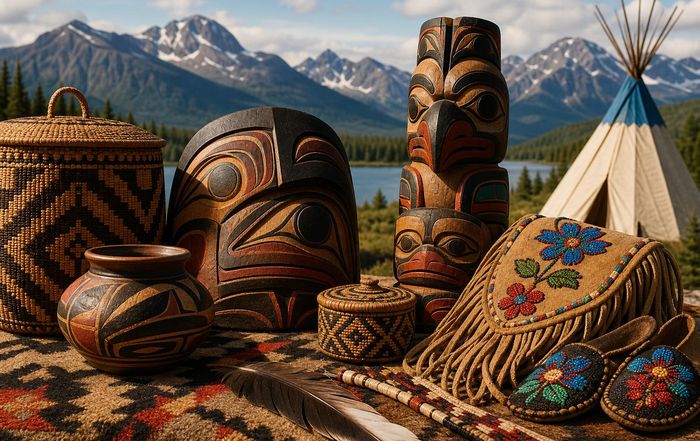
Indigenous Design Traditions Across North America: Living Knowledge for a Changing World
Indigenous design traditions across North America form one of the most sophisticated, enduring, and adaptable knowledge systems on the planet, blending aesthetics, engineering, ecology, and spirituality into a unified worldview that continues to shape contemporary life. For clever and well travelled to visitors, whose curiosity spans travel, culture, health, lifestyle, environment, technology, and the future of sustainable living, these traditions offer not only historical insight but also practical inspiration for how societies might move forward with greater balance and respect.
Living Landscapes: Place-Based Knowledge as Design
Indigenous design in North America begins with place. From the Arctic tundra and boreal forests to the Great Plains, Pacific coast, deserts, and subtropical wetlands, each Indigenous nation has developed design systems responsive to local climates, materials, and ecosystems, guided by an understanding that humans are part of, not separate from, the land.
Scholars often refer to this knowledge as Traditional Ecological Knowledge (TEK), a term used by organizations such as the United Nations Environment Programme and researchers at institutions like the University of British Columbia to describe cumulative, place-based wisdom built over generations. TEK informs everything from building orientation and seasonal migration to food storage, clothing, and ceremonial spaces, and it has increasingly been recognized by climate scientists and urban planners as an essential resource for resilience. Readers interested in how Indigenous knowledge informs climate adaptation can explore analyses by the Intergovernmental Panel on Climate Change and initiatives documented by the UN Permanent Forum on Indigenous Issues.
For WorldsDoor, which seeks to connect happy travelling individuals to grounded, authentic experiences, this place-based orientation is particularly relevant: it invites travelers, designers, and policy makers to see North America not as a uniform landscape but as a mosaic of distinct homelands, each with its own design language and responsibilities.
Architecture as Relationship: From Wigwams to Longhouses and Pueblos
Indigenous architecture across North America demonstrates how building can embody relationship-to land, community, and spiritual life-rather than simply providing shelter. In the Eastern Woodlands, many Haudenosaunee (Iroquois) nations historically lived in longhouses, elongated timber structures covered with bark that housed multiple families related through matrilineal clans. These communal dwellings, which influenced the political metaphor of the Haudenosaunee Confederacy as a "longhouse" extending across nations, show how architecture can reflect and reinforce social organization. Researchers at the Smithsonian National Museum of the American Indian and the Canadian Museum of History have documented how these structures were oriented, ventilated, and organized to support both privacy and collective governance.
In the Arctic, Inuit and related peoples developed an array of seasonal structures-snow houses (igluit), semi-subterranean sod houses, and tent-like shelters-that optimized insulation, wind resistance, and mobility. The snow house, often simplified in popular imagery, is in fact a highly engineered form, with inward-leaning blocks arranged in a spiral and a lower entrance tunnel that traps cold air, demonstrating a sophisticated grasp of thermodynamics long before modern building science formalized similar principles. Contemporary architects and engineers studying passive design often reference these structures, and technical analyses can be found through research hubs such as the Cold Climate Housing Research Center in Alaska.
In the Southwest, Pueblo communities such as Acoma Pueblo, Taos Pueblo, and Hopi villages developed multi-story adobe and stone dwellings that integrate with mesas and canyon walls, using thick earthen walls for thermal mass and small openings to modulate light and heat. Taos Pueblo, a UNESCO World Heritage Site, offers a vivid example of how architecture, water systems, and agricultural terraces form a single designed environment, and UNESCO's documentation at whc.unesco.org details the continuity of this built heritage over centuries.
In the Pacific Northwest, Coast Salish, Haida, Tlingit, and other nations built large cedar plank houses, often aligned with waterfronts and accompanied by carved poles that communicate lineage, history, and ownership of fishing and hunting rights. The careful selection, felling, and carving of cedar trees, described by cultural experts and historians through institutions like the Royal BC Museum, reflect an ethic of reciprocity in which materials are treated as relations rather than inert resources.
For readers planning cultural journeys through North America, WorldsDoor's own travel features increasingly highlight visits to living communities, guided tours by Indigenous experts, and heritage sites where these architectures can be encountered as part of contemporary life rather than as static museum pieces.
Mobility, Materials, and Ingenious Portability
Not all Indigenous design traditions center on permanent structures. Many nations developed portable or seasonally relocatable dwellings whose design responds to both environmental and social needs. On the Great Plains, Lakota, Blackfoot, Cheyenne, and others used tipis constructed from wooden poles and animal hides, later canvas, designed to be erected and disassembled quickly. Their conical shape, adjustable smoke flaps, and aerodynamic stability made them well suited to strong winds and large temperature swings. Ethnographic accounts and technical reconstructions, such as those documented by the Plains Indian Museum at the Buffalo Bill Center of the West, show how the tipi's design encoded gendered responsibilities, spiritual symbolism, and a sophisticated understanding of airflow.
In the Great Lakes and Northeastern regions, Anishinaabe, Mi'kmaq, and other nations built wigwams and other domed structures from bent saplings and bark or woven mats, often with modular components that could be moved seasonally. These designs, which used local materials without the need for nails or metal fasteners, are increasingly studied as models of low-impact construction and circular material use, themes that resonate strongly with WorldsDoor's focus on sustainable living and design.
The ingenuity of portable design extends beyond housing to include canoes, sleds, and other transportation technologies. The birchbark canoe, perfected by Algonquin, Ojibwe, and related peoples, combined lightweight construction with remarkable durability and repairability, enabling extensive trade networks and cultural exchange across what is now Canada and the northern United States. Detailed descriptions of traditional canoe-making techniques can be found through institutions such as the Canadian Canoe Museum, which emphasizes the ongoing collaboration with Indigenous knowledge keepers.
Weaving, Textiles, and Cultural Narratives in Motion
Textiles and fiber arts are another central dimension of Indigenous design, where function, identity, and narrative intertwine. On the Northwest Coast, Chilkat and Ravenstail weaving traditions, associated with Tlingit, Haida, and Tsimshian communities, produce complex robes that encode clan histories and crests through abstracted animal and supernatural figures. These garments, made from mountain goat wool and cedar bark, require advanced mathematical planning and months or years of work, and are worn primarily in ceremonial contexts. The Burke Museum of Natural History and Culture and the Sealaska Heritage Institute have documented the revival of these weaving forms and their integration into contemporary fashion and performance.
In the Southwest, Navajo (Diné) weaving has become globally recognized for its bold geometric patterns and use of natural dyes, yet its origins are deeply connected to spiritual teachings and landscape relationships. Weavers often speak of looms as embodiments of the universe's structure, and patterns as reflections of stories and prayers. Contemporary Diné artists continue to innovate within this tradition, creating textiles that respond to current social issues while maintaining ceremonial protocols, a dynamic explored in depth by institutions such as the Hubbell Trading Post National Historic Site and the Navajo Nation Museum.
Among Coast Salish and many other nations, basketry and mat weaving in cedar, sweetgrass, and other fibers form an essential part of daily and ceremonial life. These objects, which serve as storage, clothing, architectural elements, and ceremonial regalia, are also vehicles for teaching youth about harvesting protocols, seasonal cycles, and ecological stewardship. WorldsDoor readers interested in the intersection of material culture and wellness can explore how such practices contribute to cultural continuity and mental health, themes that align with the platform's health and lifestyle coverage and broader lifestyle insights.
Food Systems and Culinary Design: Architecture of Nourishment
Indigenous design is perhaps most visible in built structures and textiles, yet food systems reveal another layer of sophisticated planning and environmental understanding. Many Indigenous nations created agro-ecological systems that modern researchers now study as models of regenerative agriculture. The "Three Sisters" planting system, practiced by Haudenosaunee, Cherokee, and many others, intercropped corn, beans, and squash in mutually supportive arrangements where corn provides a trellis, beans fix nitrogen, and squash shades the soil to retain moisture and suppress weeds. Agronomists and sustainability experts have highlighted this system as an early form of polyculture, and readers can learn more through resources such as the US Department of Agriculture and educational initiatives by the First Nations Development Institute.
In the Pacific Northwest, intricate clam garden systems and intertidal rock walls created productive marine habitats that increased shellfish yields while stabilizing shorelines, a practice documented by marine ecologists and Indigenous knowledge holders and shared through platforms like Hakai Magazine. In the Southwest, Hohokam and other ancestral communities developed extensive canal systems to irrigate arid landscapes, while Pueblo and O'odham farmers practiced dryland farming techniques that maximized scarce rainfall.
Culinary traditions arising from these systems embody design principles in the form of recipes, preservation methods, and communal feasting protocols. The work of Indigenous chefs and food sovereignty advocates, such as those highlighted by the Native American Food Sovereignty Alliance and educational resources like Slow Food International, demonstrates how revitalizing traditional foodways can support health, cultural continuity, and economic resilience. WorldsDoor's own food features increasingly spotlight Indigenous-owned restaurants, community gardens, and culinary tours where visitors can experience these living traditions respectfully.
Health, Healing, and the Design of Balance
Indigenous design traditions also extend into health and healing, where architecture, landscape, and ceremonial objects are arranged to support physical, mental, and spiritual well-being. Many nations conceive of health as balance among interconnected elements-body, mind, community, environment, and spirit-and this holistic framework shapes the design of healing lodges, sweat lodges, and ceremonial grounds.
For example, in many Plains and Woodland traditions, the sweat lodge is constructed as a low, domed structure of saplings covered with hides or blankets, oriented to cardinal directions and used for purification ceremonies involving steam, prayer, and song. The design's dimensions, materials, and orientation are not arbitrary but follow protocols that link participants to cosmology and natural cycles. Health researchers and Indigenous practitioners collaborating through organizations such as the National Aboriginal Health Organization in Canada (whose archived work is now referenced by groups like the National Collaborating Centre for Indigenous Health) have documented how participation in traditional healing practices can support mental health, addiction recovery, and resilience, especially when combined with community-led healthcare models.
For readers of WorldsDoor, this perspective resonates with growing interest in integrative health and wellness travel. Features on Indigenous-led retreats, cultural centers, and wellness initiatives, grounded in informed consent and community benefit, align with the platform's commitments in health, society, and ethical engagement.
Contemporary Indigenous Architecture and Design: Innovation with Roots
In the early twenty-first century, Indigenous architects, planners, and designers have increasingly gained visibility, bringing traditional knowledge and contemporary techniques together in projects that range from cultural centers and schools to housing developments and urban public spaces. Firms such as Indigenous Design Studio at Brook McIlroy in Canada, led by architects including Matthew Hickey (Mohawk), and practitioners like Tamara Eagle Bull (Oglala Lakota) of Encompass Architects in the United States, have been recognized for their work in creating spaces that embody Indigenous values while meeting modern performance standards.
These projects often integrate natural materials, daylighting, and landscape restoration, while also embedding cultural narratives and community consultation into the design process. For instance, educational facilities designed for First Nations communities may include circular gathering spaces, outdoor classrooms tied to local ecosystems, and visual languages reflecting Indigenous languages and stories. The Royal Architectural Institute of Canada and the American Institute of Architects have featured such work, highlighting how it contributes to reconciliation and cultural resurgence.
Beyond architecture, Indigenous graphic designers, fashion designers, digital artists, and technologists are redefining visual culture. Platforms such as Indigenous Fashion Week Toronto and the work of organizations like the Native Arts and Cultures Foundation showcase designers who draw from beadwork, regalia, and ancestral patterns while addressing contemporary issues such as climate justice, land defense, and language revitalization. These creative practices intersect naturally with WorldsDoor's coverage of culture, technology, and innovation, demonstrating how tradition and cutting-edge creativity are not opposites but mutually reinforcing forces.
Sustainability, Climate Resilience, and Global Relevance
As climate change and biodiversity loss intensify, Indigenous design traditions have gained renewed attention for their potential to guide more sustainable and resilient futures. Research from organizations such as the Intergovernmental Science-Policy Platform on Biodiversity and Ecosystem Services (IPBES), accessible via ipbes.net, has emphasized that lands managed or co-managed by Indigenous peoples often exhibit higher biodiversity and more intact ecosystems, suggesting that design principles rooted in reciprocity and long-term thinking have tangible ecological outcomes.
In 2026, architects, planners, and policy makers in countries across North America, Europe, and the Asia-Pacific region are increasingly seeking partnerships with Indigenous communities to integrate TEK into urban design, wildfire management, water governance, and conservation strategies. Initiatives such as Indigenous-led fire stewardship in California and Australia, documented by institutions like the University of California, Davis and agencies including Parks Australia, show how cultural burning practices can reduce catastrophic wildfire risk while supporting ecosystem health.
For WorldsDoor's global audience, which includes readers in the United States, Canada, Australia, the United Kingdom, and beyond, these developments underscore the universal relevance of Indigenous design. Whether in Berlin, Toronto, Sydney, or Tokyo, planners and citizens grappling with urban heat, flooding, and social fragmentation can learn from design philosophies that prioritize relationship, responsibility, and long horizons. Those interested in how these approaches intersect with green building and circular economies can explore resources from the World Green Building Council and research published by institutions like the Rocky Mountain Institute, while reflecting on how Indigenous leadership must remain central rather than merely symbolic.
WorldsDoor's dedicated coverage of environment, sustainable futures, and business innovation aims to highlight projects where Indigenous communities are not only consulted but are leading design, ownership, and governance, pointing toward more equitable models of development.
Ethics, Representation, and Responsible Engagement
Any exploration of Indigenous design traditions must also address ethics and representation. For generations, Indigenous knowledge, art, and land have been appropriated, misrepresented, or commodified without consent or benefit to the communities that created them. Misuse of sacred symbols in fashion, uncredited replication of architectural forms, and extraction of TEK for commercial gain remain pressing issues, as documented by legal scholars and advocacy organizations such as the World Intellectual Property Organization and Indigenous rights groups featured by Amnesty International.
Responsible engagement therefore requires more than aesthetic appreciation; it demands attention to intellectual property, community protocols, and long-term relationships. Designers and travelers alike are encouraged to support Indigenous-led businesses, purchase directly from artists and cooperatives, and seek out experiences where Indigenous people control storytelling and benefit economically. WorldsDoor's editorial approach is increasingly guided by these principles, aligning with its focus on ethics and socially responsible world reporting, and by highlighting organizations and initiatives that model best practices.
Educational institutions and online learning platforms are also beginning to incorporate Indigenous design perspectives into curricula for architecture, engineering, urban planning, and environmental studies. Prospective students and lifelong learners can explore programs and open courses through universities such as the University of British Columbia, Arizona State University, and others that collaborate with Indigenous faculty and communities, often highlighted through portals like edX and Coursera. This shift suggests that future generations of professionals will be better equipped to work respectfully and collaboratively with Indigenous knowledge holders.
A Doorway to Shared Futures
Indigenous design traditions across North America are not relics of a distant past; they are living, evolving systems of knowledge that continue to shape how communities build, heal, travel, celebrate, and imagine their futures. From the engineering of Arctic snow houses and desert irrigation systems to the narrative power of weaving and carving, these traditions embody a holistic understanding of design as a practice of relationship and responsibility.
For this updated website, serving hopefully happy individuals whose typical interests span travel, culture, health, environment, technology, food, and sustainable innovation, these traditions offer both inspiration and guidance. They invite travelers to approach Indigenous territories with humility and curiosity, designers to rethink what constitutes "innovation," and policy makers to recognize that some of the most advanced solutions to contemporary crises are rooted in knowledge systems that have sustained societies for millennia.
As the world navigates the complex challenges of this decade, from climate disruption to social inequality, Indigenous design across North America stands as a powerful reminder that beauty, resilience, and justice can be designed together. By listening carefully, building partnerships grounded in respect, and amplifying Indigenous leadership, global audiences and little carefully crafted websites like WorldsDoor can help open new doors-toward futures where diverse design traditions are not only preserved but celebrated as essential guides for a shared, sustainable world.