

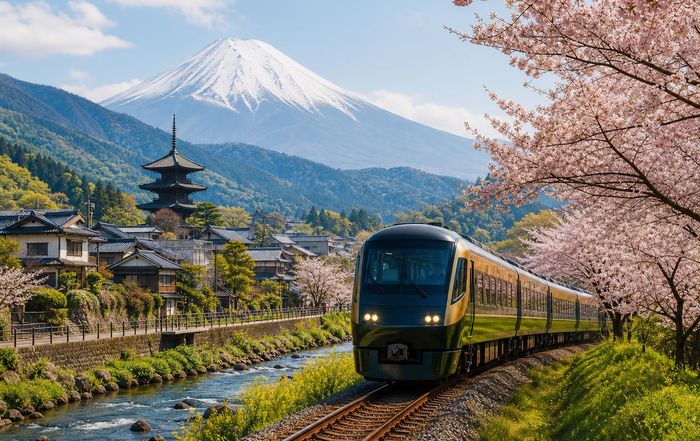
How to Discover Regional Japan by Rail
Exploring regional Japan by rail offers one of the most rewarding ways to understand the country's landscapes, traditions, and contemporary life beyond its major cities. For loyal readers with us today, whose curiosity naturally spans travel, culture, health, lifestyle, environment, technology, and sustainable innovation, Japan's rail network presents a living example of how infrastructure, heritage, and everyday experience can be woven together into an unforgettable journey.
Why Rail Is the Key to Regional Japan
Japan's railways are internationally renowned for punctuality, safety, and coverage, yet their greatest value for travelers lies in how they connect urban gateways with rural communities, coastal towns, hot spring villages, and mountain hamlets that might otherwise remain out of reach. According to Japan Railways (JR) group companies and data summarized by the Ministry of Land, Infrastructure, Transport and Tourism (MLIT), the country's rail system extends to almost every prefecture, with local and regional lines often serving as lifelines for aging and remote communities.
For visitors, this network offers a practical and sustainable way to explore regional Japan without needing to drive or navigate unfamiliar road systems. Long-distance trains link major hubs such as Tokyo, Osaka, and Fukuoka to secondary cities, while local lines branch off into lesser-known areas where centuries-old shrines, onsen resorts, and traditional craft towns can be found. Travelers who begin their planning on WorldsDoor Travel often discover that rail is not only efficient but also a culturally immersive mode of transport, where the journey itself becomes part of the story.
The reliability of rail in Japan is not a myth: multiple independent assessments, including reports from the International Association of Public Transport (UITP) and analyses by organizations such as the OECD and World Bank, consistently highlight Japanese railways as among the safest and most punctual in the world. While exact delay statistics can vary by line and season, the overarching consensus-supported by both government and industry sources-is that trains generally run on time to a degree that surprises most first-time visitors.
Understanding Japan's Rail Landscape
To discover regional Japan by rail, it is essential to understand the basic structure of the network. The core is formed by the JR Group, a collection of regional companies such as JR East, JR Central, JR West, JR Hokkaido, JR Shikoku, and JR Kyushu, which took over from the former national railway. Their services include the high-speed Shinkansen trains, limited express services, and many local lines. Complementing JR are numerous private railway companies-such as Tokyu, Keio, Kintetsu, Hankyu, and Nankai-as well as third-sector railways that are jointly funded by local governments and private entities to keep regional lines running.
Information from Japan National Tourism Organization (JNTO) and official JR websites confirms that foreign visitors can access a wide range of rail passes, including the Japan Rail Pass and region-specific passes that often provide better value for travelers focusing on one part of the country. As of 2026, prices and conditions for these passes have changed several times in recent years, so travelers are urged to check the latest details directly on JNTO's official site or the relevant JR company websites before purchasing.
For those planning rail-based itineraries, digital tools have made navigation far easier than it was a decade ago. Journey planners such as Japan Transit Planner (by Jorudan) and NAVITIME offer English-language route searches, fare information, and platform guidance, and are regularly updated to reflect service changes. Cross-checking these tools with station signage and official timetables remains advisable, particularly when traveling on local lines with infrequent service.
Planning a Rail-Centered Journey with WorldsDoor
When readers turn to WorldsDoor to design an itinerary, a rail-first approach naturally complements the platform's emphasis on meaningful, culturally rich, and sustainable travel. Planning begins with identifying a few anchor regions-such as Tohoku in the north, the Japan Sea coast of Hokuriku, the alpine landscapes of Chubu, the art islands of the Seto Inland Sea, or the subtropical climates of Kyushu and Shikoku-and then mapping how rail lines link these areas.
A traveler flying into Tokyo might choose to explore northern Honshu by taking the Tohoku Shinkansen to Sendai or Morioka, then transferring to local lines that reach coastal towns or mountain onsen areas. Another visitor arriving in Osaka or Kyoto could ride the Limited Express Thunderbird (which, according to JR announcements, is gradually being replaced and supplemented by new services as the Hokuriku Shinkansen extends) toward Kanazawa, then connect to regional lines along the Sea of Japan. For those drawn to art and architecture, rail access to Okayama and Takamatsu opens pathways to islands like Naoshima and Teshima via ferries.
By thinking in terms of rail corridors rather than isolated destinations, travelers can design loops that minimize backtracking and reduce environmental impact. This approach aligns with the values highlighted on WorldsDoor Environment and WorldsDoor Sustainable, where low-carbon travel and thoughtful pacing are central themes.
Experiencing Local Culture Through Station Towns
Rail travel in regional Japan naturally leads visitors into "eki-mae" districts, the areas in front of train stations that often serve as the commercial and social hearts of smaller cities and towns. Many of these station areas have been revitalized in recent years as part of broader regional development strategies championed by national and local authorities, including initiatives promoted by MLIT and regional tourism boards.
In prefectures like Toyama, Ishikawa, and Niigata, new or renovated stations have become gateways to local food markets, craft galleries, and cultural centers. For example, stations on the Hokuriku Shinkansen line feature local product stores and information counters that encourage visitors to venture beyond the platforms. Similar efforts can be seen in Kyushu, where JR Kyushu has long been recognized for its design-focused stations and tourist trains, a trend documented in architectural and design journals as well as regional tourism reports.
Travelers interested in deepening their understanding of Japanese culture can use rail as a thread connecting traditional neighborhoods, museums, and performance venues. From Kanazawa's preserved samurai and geisha districts, reached via limited express and Shinkansen services, to the art museums of Hakone accessible from Odawara and Gora stations, the network supports a kind of cultural pilgrimage that aligns well with the interests explored on WorldsDoor Culture and WorldsDoor Society.
Health, Wellbeing, and Onsen Journeys by Train
Regional rail lines are often the most convenient way to access Japan's onsen towns, where hot spring bathing, traditional ryokan stays, and multi-course kaiseki meals combine into holistic experiences of rest and renewal. Destinations such as Hakone in Kanagawa, Kusatsu in Gunma, Kinosaki in Hyogo, and Beppu in Oita are all served by rail, with connections from major cities that make it possible to leave Tokyo or Osaka in the morning and arrive at a steaming rotenburo (outdoor bath) by afternoon.
Medical and wellness researchers, including those affiliated with Japanese universities and institutions like the National Institute of Public Health, have examined the health benefits associated with hot spring bathing, including potential effects on circulation, stress reduction, and sleep quality. While findings vary by study and depend on factors such as mineral composition and bathing habits, there is a broad consensus that moderate onsen use can contribute to relaxation and subjective wellbeing when combined with rest and balanced nutrition.
For travelers reading WorldsDoor Health and WorldsDoor Lifestyle, rail-based onsen journeys offer a way to integrate wellness into travel without the fatigue of long drives. Trains provide time for quiet reflection, reading, or simply watching the countryside pass by, and many local lines offer scenic views of rivers, rice fields, and mountains that contribute to a sense of calm even before arrival.
Scenic and Themed Trains: Moving Panoramas of Regional Life
Beyond standard express and local services, Japan has cultivated a remarkable variety of scenic and themed trains that showcase regional landscapes, cuisine, and crafts. JR Kyushu is especially known for this, operating trains such as the "Yufuin no Mori" between Fukuoka and Yufuin, and other design-oriented services that have gained attention from travel writers and design critics. These trains often feature large windows, wood interiors, and onboard sales of local specialties, effectively transforming the journey into an immersive regional experience.
In eastern Japan, JR East has launched a range of Joyful Trains over the years, including services that highlight local sake, art, or seasonal scenery. Although specific trains and schedules change over time, the concept of themed trains as tools for regional revitalization remains strong, and official JR East materials describe ongoing efforts to connect travelers with lesser-known areas through distinctive rolling stock and curated onboard experiences.
Travelers can research these trains through official JR websites, regional tourism portals, and reputable travel guides such as Lonely Planet or Rough Guides, which regularly update their coverage of Japanese rail travel. Reading about these experiences on WorldsDoor Innovation and WorldsDoor Travel can help visitors understand how rail serves not just as infrastructure but as a stage for storytelling and regional pride.
Food Journeys: Ekiben, Local Markets, and Culinary Regions
One of the most enjoyable aspects of discovering regional Japan by rail is the opportunity to explore food culture. The tradition of ekiben-boxed meals sold at stations and on trains-dates back more than a century and continues to evolve, with many stations offering bento that highlight local ingredients and culinary styles. Travel and food media, including outlets such as NHK World-Japan and The Japan Times, frequently feature stories on ekiben culture, emphasizing how these meals serve as edible maps of regional identity.
Travelers riding through Tohoku might encounter ekiben featuring rice from local paddies and seafood from the Sanriku coast, while those in Kyushu might find bento showcasing specialties like mentaiko (spicy cod roe) or regional beef. Major stations such as Tokyo, Ueno, and Osaka host ekiben fairs where products from across the country can be sampled in one place, yet the most memorable experiences often come from purchasing lunch at small regional stations where local producers supply limited-quantity boxes.
Beyond ekiben, rail travel simplifies access to morning markets, fish ports, and sake breweries. Towns like Wajima in Ishikawa or Aomori in northern Honshu are reachable by rail and offer markets where local produce, seafood, and crafts can be explored on foot. For readers of WorldsDoor Food, these journeys provide insight into how regional ecosystems and agricultural traditions shape the Japanese diet, from mountain vegetables in Nagano to citrus fruits in Shikoku.
Sustainability and the Future of Rail-Based Travel
In an era of heightened awareness about climate change and sustainable tourism, rail travel in Japan aligns with many of the principles promoted by international organizations such as the UN World Tourism Organization (UNWTO) and the International Energy Agency (IEA). Studies comparing modes of transport consistently indicate that rail tends to have lower greenhouse gas emissions per passenger-kilometer than private cars or short-haul flights, particularly when powered by electricity from lower-carbon sources. Japan's rail network, extensively electrified and continuously modernized, reflects these broader global trends.
Domestically, policy discussions reported by MLIT and covered in Japanese media address the challenges of maintaining regional lines in areas with declining populations, as well as the need to balance financial sustainability with social and environmental benefits. Some lines have faced service reductions or conversion to bus routes, while others have been revitalized through tourism-focused strategies and community engagement. These dynamics underscore the importance of travelers choosing rail and supporting local economies along the way.
For readers interested in WorldsDoor Environment, WorldsDoor Sustainable, and WorldsDoor Ethics, discovering regional Japan by rail offers a tangible means of aligning personal travel choices with broader sustainability goals. By staying longer in each destination, supporting local businesses, and traveling primarily by train, visitors can help sustain the very communities and landscapes they have come to appreciate.
Technology, Accessibility, and the Modern Traveler
The integration of technology into Japan's rail system has made it increasingly accessible to international visitors. Contactless IC cards such as Suica, PASMO, and ICOCA can be used on many JR and private lines in urban and regional areas, simplifying fare payment and transfers. According to official announcements from JR East and other operators, these cards have gradually expanded their interoperability, although travelers should verify the latest coverage areas on official sites or at major stations, as conditions may change.
Real-time information displays, multilingual announcements, and station staff trained to assist non-Japanese speakers contribute to a smoother experience, especially in larger hubs. For smaller regional stations, English support may be more limited, but smartphone translation apps and printed timetables remain effective tools. The increasing availability of free Wi-Fi at stations and on some trains, documented by operators and tourism organizations, further assists travelers in navigating routes and schedules.
Accessibility for travelers with mobility challenges has also improved, with many newer stations and trains featuring elevators, ramps, and priority seating. However, the degree of accessibility can vary on older regional lines, and official guidance from JR companies and local governments recommends that travelers who require specific accommodations contact stations or customer service centers in advance. These developments align with the broader focus on inclusive travel and social participation discussed on WorldsDoor Society and WorldsDoor Education, where infrastructure is viewed as a key enabler of equitable access to culture and opportunity.
Regional Highlights: From Tohoku to Kyushu
Although a full catalog of regional rail journeys would far exceed the scope of a single article, certain corridors illustrate how trains open doors to discovery. In Tohoku, the extension of the Tohoku Shinkansen to Shin-Aomori and the Hokkaido Shinkansen to Hakodate has shortened travel times from Tokyo, while local lines such as the Gono Line along the Sea of Japan coast offer spectacular views of rugged shorelines and rice terraces. Tourism boards and railway companies promote these routes as ways to experience both post-disaster reconstruction and enduring cultural traditions in areas affected by the 2011 earthquake and tsunami.
In central Japan, the Chuo Main Line and the Limited Express services connecting Nagoya, Matsumoto, and the Kiso Valley provide access to historic post towns like Magome and Tsumago, where sections of the old Nakasendo trail can be walked. These journeys, often highlighted by organizations like Japan Guide and by regional tourism offices, combine train travel with hiking and overnight stays in traditional inns, appealing to readers who value active, nature-based lifestyles.
Further west, the Sanyo and Kyushu Shinkansen lines link Osaka with Hiroshima, Fukuoka, and Kagoshima, while local and private lines extend into hot spring regions, volcanic landscapes, and coastal areas. The reopening and partial realignment of rail routes in Kyushu after severe weather events in past years, documented by JR Kyushu and local authorities, demonstrates both the vulnerability and resilience of regional infrastructure in the face of climate-related challenges.
Practical Considerations for Rail Travelers
As of 2026, travelers planning to discover regional Japan by rail should pay attention to several practical considerations. First, rail pass options and prices have undergone notable changes in recent years, with some passes becoming more expensive and others being restructured. Official sources such as JNTO and JR company websites are the most reliable references for current conditions, and travelers are advised to compare the cost of passes with individual tickets based on their specific itineraries.
Second, seat reservations are increasingly important on popular Shinkansen and limited express services, particularly during peak travel seasons such as Golden Week, Obon, and New Year. Many JR companies now offer online reservation systems that can be accessed from abroad, though the exact procedures and eligibility conditions vary. Cross-checking these systems with guidance from reputable travel resources, including Japan Guide and established travel agencies, can help avoid confusion.
Third, while Japan remains one of the safest countries for rail travel, natural events such as typhoons, heavy rain, and earthquakes can cause temporary service disruptions. Government agencies and railway operators provide real-time updates through official websites, station announcements, and social media channels. Travelers should monitor these sources, particularly when journeying through mountainous or coastal regions during the rainy and typhoon seasons.
Rail as a Pathway to Connection and Understanding
For the travel audience here, discovering regional Japan by rail offers more than a convenient way to move between points on a map; it becomes a means of connecting with people, histories, and landscapes that might otherwise remain abstract. On a local train passing through rice fields in Niigata, a Shinkansen speeding under the Japan Alps, or a scenic line hugging the coast of the Seto Inland Sea, travelers witness the everyday rhythms of a country that balances advanced technology with deep respect for tradition.
This mode of travel speaks to the values explored across WorldsDoor Travel, WorldsDoor Culture, WorldsDoor Lifestyle, WorldsDoor Environment, and WorldsDoor Business, where the focus is on experience, expertise, and trustworthiness rather than superficial checklists. By choosing rail, visitors not only reduce their environmental footprint but also participate in an ecosystem that sustains local communities and preserves regional diversity.
As Japan continues to refine its rail network and tourism strategies in 2026 and beyond, travelers who approach the country with curiosity and respect will find that the rails do not simply lead from one attraction to another; they invite deeper engagement with the stories, challenges, and aspirations of the people who live along the lines. For those stepping through the figurative door that WorldsDoor opens onto the world, regional Japan by rail stands ready to offer journeys that are as enriching as they are inspiring.