

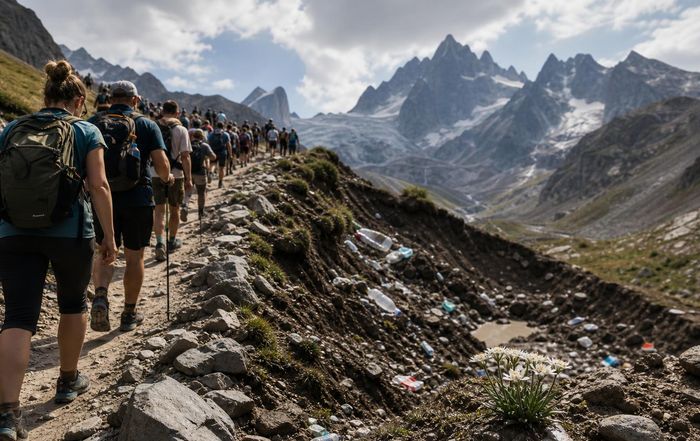
How Overtourism Is Transforming Fragile Mountain Ecosystems
In the world's highest places, change often arrives quietly: a new road, a budget airline route, a viral social media post about a "hidden" viewpoint. Within a few years, once-remote valleys can be hosting more visitors in one summer than local communities saw in a generation. This rapid rise in visitor numbers-overtourism-has become one of the most pressing pressures on mountain environments from the Alps and Rockies to the Himalayas and Andes.
Overtourism is not simply "a lot of tourists." It occurs when visitor numbers, behaviors, and infrastructure demands exceed the capacity of local ecosystems and communities to cope without long-term damage. In fragile mountain regions, where soils are thin, slopes unstable, and wildlife adapted to narrow climate bands, the margin for error is especially small. Understanding how overtourism affects these landscapes is essential for travelers, policymakers, and communities seeking to balance livelihoods with conservation.
This original page explores what makes mountain ecosystems so vulnerable, the specific ways overtourism is reshaping them, and how destinations are experimenting with solutions-from stricter regulations to new models of sustainable travel. For fans interested in broader environmental and travel context, related coverage can be found in our sections on travel, environment, and sustainable living.
Why Mountain Ecosystems Are Unusually Fragile
Mountain environments are often portrayed as rugged and resilient, yet ecologists repeatedly describe them as among the most sensitive on Earth. High-altitude ecosystems typically feature short growing seasons, slow nutrient cycles, and species adapted to very specific temperature and moisture conditions. According to the Intergovernmental Panel on Climate Change (IPCC), mountain regions are already warming faster than the global average, amplifying stress on plants, animals, and water systems. When heavy visitor pressure is added, the ecological balance can tip quickly.
Several characteristics explain this vulnerability. Soils in alpine and subalpine zones are usually thin, poorly developed, and held together by shallow-rooted vegetation. Once trampled or eroded, they can take decades to recover, if they recover at all. Many mountain species-such as high-altitude orchids, cushion plants, or specialized insects-occupy micro-habitats measured in meters, not kilometers. A single new trail or viewing platform can fragment or destroy a significant portion of their available habitat. Wildlife like ibex, chamois, snow leopards, and mountain goats are often highly sensitive to disturbance, particularly during breeding or wintering periods when energy reserves are low.
Water dynamics add another layer of fragility. Mountains are sometimes called the "water towers of the world," supplying drinking water, irrigation, and hydropower to billions of people downstream. Glaciers, snowfields, and alpine wetlands regulate flows, filter pollutants, and support unique biodiversity. Increased infrastructure, wastewater, and litter associated with overtourism can contaminate these sources or alter hydrology. Organizations such as the United Nations Environment Programme (UNEP) and UNESCO have warned that compounding pressures from climate change, land use, and tourism threaten both mountain biodiversity and downstream water security.
Erosion, Trail Damage, and the Disappearing Alpine Meadow
One of the most visible impacts of overtourism in mountains is physical degradation of trails and surrounding vegetation. Popular hiking routes in the Alps, Rockies, and Himalayas have seen visitor numbers multiply over recent decades, with some paths hosting thousands of people per day in peak season. The International Union for Conservation of Nature (IUCN) notes that soil compaction and erosion from trampling are among the most common forms of recreation-related damage in protected areas worldwide.
When too many feet follow the same line on steep slopes, vegetation is crushed and root systems are damaged, reducing their ability to anchor soil. Rain then washes away exposed earth, widening paths into gullies and forcing hikers to step to the sides, trampling more plants and accelerating the cycle. In alpine meadows, where grasses and wildflowers may take years to regrow, even seemingly minor off-trail shortcuts can leave scars visible for decades. Once erosion channels form, they can alter drainage patterns, dry out adjacent soils, and change which plant species can survive.
Ski resorts and mountain bike parks add to the challenge. Construction of lifts, pistes, and bike trails often involves grading slopes, removing vegetation, and installing drainage structures. In regions where winter seasons are becoming shorter, some resorts rely heavily on artificial snow, which can compact soil, delay plant growth, and concentrate nutrients and chemicals in runoff. The Food and Agriculture Organization (FAO) has highlighted how poorly planned mountain tourism infrastructure can trigger landslides and degrade watersheds, especially when forests are cleared for new developments.
Efforts to manage erosion increasingly rely on zoning and visitor management. National parks in countries such as Switzerland, the United States, and New Zealand have invested in hardened trails, boardwalks, and clear signage to keep visitors on designated paths. Some areas close sensitive meadows during certain seasons or reroute trails away from steep, erosion-prone slopes. For travelers interested in how recreation and conservation intersect, our environment and travel sections frequently examine these trade-offs.
Waste, Water, and the Hidden Infrastructure of Crowds
As visitor numbers climb, the challenge is no longer just where people walk, but what they leave behind. Waste management and water treatment systems in mountain regions are often designed for small resident populations, not surges of tourists. When overtourism outpaces infrastructure, the result can be overflowing bins, informal dumping sites, contaminated streams, and overburdened septic systems.
High-altitude trekking routes in Nepal, Peru, and other popular destinations illustrate this problem starkly. Studies referenced by the World Bank and mountaineering organizations describe accumulations of plastic bottles, food packaging, and abandoned equipment along heavily used trails and base camps. At extreme altitudes, such as on Mount Everest, waste removal is logistically challenging and dangerous, leading to long-term accumulation of trash and human waste in glacier zones. While recent clean-up campaigns and stricter expedition rules have reduced some of this burden, the underlying issue remains: systems were never designed for this scale of use.
Water contamination is a quieter but equally serious concern. In mountain villages that rely on springs or small treatment plants, a sudden influx of visitors can overwhelm capacity. Untreated or partially treated wastewater may enter rivers, affecting aquatic ecosystems and downstream communities. The World Health Organization (WHO) emphasizes that safe water and sanitation are central to both public health and environmental protection, yet tourist facilities in some mountain regions still discharge waste directly into rivers or soak pits.
Even when formal treatment exists, the energy and resources needed to pump, filter, and treat water at altitude add to the environmental footprint of tourism. Hotels and lodges may consume much more water per person than local households, particularly when they offer amenities such as hot tubs, irrigated lawns, or frequent linen changes. In periods of drought or glacial retreat, this competition for water can heighten tensions between tourism businesses, farmers, and residents.
Travelers can help mitigate these pressures by choosing accommodations with clear environmental practices, carrying reusable bottles and filters, and minimizing water use in water-scarce regions. Our lifestyle and health sections often explore how personal choices intersect with broader sustainability issues, including water security and sanitation.
Wildlife Disturbance and Shifting Species Ranges
For many visitors, the chance to see wildlife-marmots on a meadow, vultures circling a ridge, or deer at the forest edge-is a highlight of mountain travel. Yet overtourism can disrupt the very species people come to admire. Frequent human presence on trails, in ski areas, and at viewpoints can alter animal behavior, reduce breeding success, and push wildlife into less suitable habitats.
Research summarized by the IUCN and national park agencies shows that disturbance from hikers, dogs, drones, and noisy activities can increase stress levels in mammals and birds, especially during winter and breeding seasons. Animals may expend more energy fleeing or staying alert, leaving less for reproduction and survival. Ground-nesting birds in alpine zones are particularly vulnerable, as off-trail walking can crush nests, while repeated disturbance may cause adults to abandon clutches.
Feeding wildlife, intentionally or through poorly managed waste, creates additional problems. Animals that become habituated to human food may change their foraging patterns, become more aggressive, or suffer from poor nutrition. In some North American and European parks, "problem" bears and other large mammals have had to be relocated or euthanized after becoming too accustomed to scavenging from tourists. Agencies such as the U.S. National Park Service and Parks Canada have launched extensive education campaigns to discourage feeding and emphasize secure food storage, yet enforcement remains challenging in overcrowded areas.
Climate change compounds these pressures by forcing species to move upslope in search of cooler conditions. As the IPCC and UNEP have highlighted, many alpine species have "nowhere to go" once they reach mountaintops. If their remaining refuges are also intersected by popular trails, ski lifts, or viewing platforms, the risk of local extinction increases. Conservation strategies now often combine habitat zoning-such as wildlife corridors and quiet zones-with visitor restrictions during sensitive periods.
Readers interested in how human activity intersects with animal welfare and conservation can find broader discussion in our ethics and society coverage, where wildlife tourism is frequently examined through both ecological and ethical lenses.
Cultural and Community Strain in High-Altitude Destinations
Overtourism in mountain regions is not only an ecological issue; it reshapes local societies and economies. Communities in the Alps, Himalayas, Andes, and other ranges often rely on tourism for income, yet they also bear the costs of congestion, rising prices, and cultural change. The World Tourism Organization (UNWTO) has documented how overtourism can erode residents' quality of life in popular destinations, and these dynamics are increasingly visible in mountain towns.
Housing is one of the most acute concerns. As demand for vacation rentals and second homes rises, property prices and rents can outpace local incomes. Seasonal workers may struggle to find affordable accommodation, while younger residents are priced out of their home villages. The resulting shift toward a part-time or transient population can weaken community cohesion, reduce year-round services, and change the social fabric of mountain towns.
Cultural impacts are more subtle but no less significant. Traditional livelihoods such as small-scale farming, pastoralism, or handicrafts may be overshadowed by tourism jobs in hospitality and guiding. While tourism can help keep some traditions alive by creating markets for local food and crafts, it can also encourage simplified or staged versions of culture tailored to visitor expectations. In some cases, sacred sites or culturally important landscapes become backdrops for photos rather than places of living meaning.
Infrastructure strain is another hallmark of overtourism. Roads, parking, emergency services, and healthcare facilities built for small populations can be stretched thin during peak seasons, affecting both residents and visitors. Mountain rescue teams report increasing call-outs linked to unprepared or inexperienced tourists, particularly in regions where social media has popularized challenging hikes or "secret" spots without conveying risks.
Balancing these pressures requires governance that includes local voices. Participatory planning, benefit-sharing mechanisms, and community-led tourism initiatives are being explored in various regions, often with support from organizations such as UNESCO and UNWTO. Our world and business sections frequently examine how tourism-dependent economies are rethinking growth, diversification, and resilience.
Climate Change, Glaciers, and the Feedback Loop of Risk
Mountain tourism is deeply intertwined with climate change. On one hand, many visitors are drawn to glaciers, snowfields, and iconic peaks whose futures are uncertain. On the other, the carbon emissions associated with travel, accommodation, and infrastructure contribute to the warming that is melting those same glaciers and altering snow patterns. This creates a feedback loop in which overtourism both responds to and accelerates environmental change.
Glacial retreat is among the most visible manifestations. According to the World Glacier Monitoring Service, many small glaciers in Europe, North America, and Asia are projected to lose most of their mass this century if current emission trends continue. As glaciers shrink, they can leave unstable moraines and lakes prone to sudden outburst floods, increasing hazards for downstream communities and infrastructure. Tourist facilities built near glacier fronts or on permafrost-affected slopes may find themselves at higher risk of rockfalls, landslides, or flooding.
Ski tourism faces a parallel challenge. Warmer winters and more erratic snowfall patterns have led some low- and mid-altitude resorts to depend heavily on artificial snow, which requires large amounts of water and energy. This can exacerbate local water scarcity and increase greenhouse gas emissions if powered by fossil fuels. The International Olympic Committee (IOC) and research institutions have raised concerns about the long-term viability of winter sports in many traditional host regions, prompting calls for more sustainable models and diversified year-round tourism.
At the same time, climate-related hazards can be amplified by overtourism. Overcrowded trails and summits may become more dangerous as thawing permafrost destabilizes rocks and as extreme weather events become more frequent. Mountain guides and rescue organizations have warned that visitors often underestimate these evolving risks, especially when inspired by idealized images on social media.
For travelers and policymakers interested in broader climate implications, our innovation and technology sections frequently explore how low-carbon solutions, from renewable energy to smarter transport systems, can reshape tourism's footprint.
Managing Numbers: Quotas, Permits, and Pricing
As evidence of overtourism's impacts has mounted, some mountain destinations have turned to direct limits on visitor numbers. Permit systems, daily caps, and dynamic pricing are increasingly used to align tourism pressure with ecological and social capacity. These tools are controversial but can be effective when carefully designed and fairly implemented.
Permit systems for popular treks and climbs-such as in parts of the Himalayas, the Inca Trail region of the Andes, and certain Alpine national parks-aim to spread demand across seasons, ensure safety, and generate revenue for conservation. Agencies typically require advance booking and may allocate quotas among guided groups, independent trekkers, and local operators. While this can reduce overcrowding and fund trail maintenance, critics argue that high fees and complex processes may exclude lower-income travelers or shift pressure to nearby, less regulated areas.
Dynamic pricing, where fees rise during peak times or in the most fragile zones, is another tool. By making it more expensive to visit certain places at certain times, authorities hope to nudge visitors toward less crowded alternatives or off-peak seasons. Some cities and regions have experimented with tourist taxes, parking surcharges, or congestion charges, though these approaches are still evolving in mountain contexts.
Success depends on transparency and reinvestment. Residents and visitors are more likely to accept restrictions and higher costs when they see clear benefits in improved infrastructure, conservation outcomes, and community services. International organizations such as UNWTO and UNEP encourage destinations to pair quantitative limits with broader sustainability strategies, including low-impact transport, waste reduction, and support for local businesses that prioritize environmental standards.
Rethinking the Mountain Travel Experience
Ultimately, addressing overtourism in fragile mountain ecosystems requires more than better rules; it calls for a shift in how mountain travel is imagined and marketed. Instead of chasing bucket-list summits and Instagram-famous viewpoints, a more sustainable model emphasizes depth over speed, respect over conquest, and reciprocity over extraction.
For travelers, this can mean choosing longer stays in fewer places, using public or shared transport where possible, and seeking out lesser-known regions that actively manage tourism impacts. It involves being realistic about personal skills and fitness, hiring qualified local guides when appropriate, and treating local customs, sacred sites, and wildlife with care. Those interested in integrating such choices into everyday life may find useful perspectives in our lifestyle and education coverage, which often explore how knowledge and habits shape responsible travel.
For destinations, it may mean pivoting from volume-based growth to value-based strategies that prioritize local employment, cultural integrity, and ecological resilience. This can include supporting community-owned lodges, promoting off-season activities, investing in low-impact infrastructure, and collaborating with conservation organizations such as IUCN, UNESCO, and UNEP. Technology can help, from real-time crowd monitoring and reservation systems to digital education tools that inform visitors before they set foot on a trail.
Mountain regions have always been places of encounter-between climates, cultures, and species. As overtourism tests the limits of these encounters, the choices made by travelers, businesses, and governments will determine whether high-altitude landscapes remain living ecosystems and communities or become museum pieces and extraction zones. The door is still open to a different future for mountain tourism, one in which the peaks that inspire journeys are also protected by them.