

Traditional Festivals with Global Significance in a Connected World
Introduction: Festivals at the Crossroads of Tradition and Globalization
As societies navigate rapid technological change, geopolitical tension, and shifting cultural identities, traditional festivals occupy a uniquely influential space where heritage, community, and global exchange intersect. For WorldsDoor, whose readers span continents and interests from culture and travel to business, technology, and society, traditional festivals are no longer only local celebrations; they are strategic arenas where nations project soft power, cities attract investment, communities negotiate identity, and brands seek authentic engagement. At the same time, they remain intimate rituals of memory and meaning, shaping how individuals understand health, time, family, and the sacred.
From Diwali in India and the global Indian diaspora, to Carnival in Brazil and the Caribbean, Chinese New Year across East and Southeast Asia, Oktoberfest in Germany, Thanksgiving in the United States and Canada, Hanami in Japan, and Eid al-Fitr in Muslim communities worldwide, traditional festivals have acquired a global significance that far exceeds their original geographic and religious boundaries. International tourism bodies such as the UN World Tourism Organization highlight how cultural festivals drive cross-border travel and economic growth, while organizations like UNESCO recognize many celebrations as elements of the Intangible Cultural Heritage of Humanity, signaling their importance for global cultural diversity and intergenerational continuity.
As WorldsDoor explores the evolving landscape of world culture and commerce, understanding these festivals through the lenses of experience, expertise, authoritativeness, and trustworthiness becomes essential. Businesses seeking global relevance, policymakers designing inclusive cultural strategies, educators shaping global citizenship, and travelers pursuing meaningful experiences all depend on nuanced, well-grounded insight into how these festivals function, transform, and endure.
Cultural Identity, Memory, and Soft Power
Traditional festivals are among the most powerful mechanisms through which communities narrate their history, perform their values, and transmit cultural memory. Anthropologists and cultural sociologists, including leading researchers at institutions such as Harvard University, have long emphasized that festivals are not mere entertainment but performative texts in which societies rehearse their foundational stories, whether mythological, religious, or political. For example, Chinese New Year, celebrated not only in China but also in Singapore, Malaysia, the United States, Canada, Australia, and across Europe, encodes ideas about family hierarchy, prosperity, and renewal through rituals such as reunion dinners, red envelopes, and lion dances, each of which carries centuries of symbolic meaning. Readers interested in the broader cultural context may explore how traditions are reshaped in diaspora communities through sources such as the Asia Society.
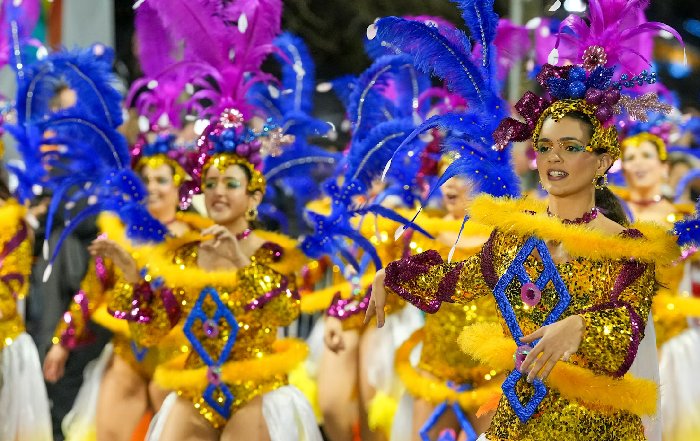
This symbolic richness has made traditional festivals key instruments of cultural diplomacy and soft power. Governments and cultural institutions in countries from Japan and South Korea to Germany, Brazil, and the United Kingdom actively promote their signature festivals abroad through cultural centers, tourism campaigns, and international partnerships. Events such as Japan's Hanami cherry blossom season, Germany's Oktoberfest, or Brazil's Carnival generate powerful imagery that shapes global perceptions of these nations as destinations and partners. Organizations like the British Council and Goethe-Institut leverage such celebrations to foster intercultural dialogue and language learning, while international media coverage reinforces narratives of openness, creativity, and heritage. Those wishing to understand how cultural diplomacy operates in practice can examine analyses from the Soft Power 30 initiative, which highlights the role of cultural events in national branding.
For WorldsDoor and its global readership, this interplay between local meaning and international perception is central. Traditional festivals show how culture functions simultaneously as a deeply personal inheritance and a strategic asset in a competitive global environment, where cities from Singapore to Barcelona and Toronto vie to host festivals that confer prestige, attract tourism, and signal cosmopolitan identity.
Economic Impact, Tourism, and Urban Development
Beyond their symbolic functions, traditional festivals have become major economic engines that reshape local and national development strategies. Tourism authorities in countries such as Spain, Italy, Thailand, and South Africa increasingly align their calendars, infrastructure investments, and marketing campaigns around festivals, recognizing their potential to stimulate hospitality, transport, retail, and creative industries. According to the World Travel & Tourism Council, cultural and festival tourism has been one of the fastest-growing segments of international travel, particularly among younger travelers seeking immersive, authentic experiences rather than conventional sightseeing. Readers can explore broader trends in cultural tourism through the World Travel & Tourism Council and the UNWTO.
Festivals like Germany's Oktoberfest in Munich, La Tomatina in Spain, Mardi Gras in New Orleans, and Carnival in Rio de Janeiro generate billions of dollars in direct and indirect revenue, while also creating seasonal employment and stimulating investment in transport, public spaces, and digital infrastructure. Municipal governments and urban planners now view major festivals as test beds for smart-city solutions, crowd management technologies, and innovative public-private partnerships. For example, cities increasingly deploy real-time data analytics, mobile ticketing, and AI-driven crowd flow monitoring to ensure safety and optimize visitor experiences, aligning with the broader shift toward smart urbanism that WorldsDoor explores in its innovation and technology coverage.
At the same time, the commercialization and mass tourism associated with globally famous festivals raise complex questions about authenticity, gentrification, and social equity. Local residents in historic neighborhoods of Venice, Barcelona, or Kyoto have voiced concerns about overcrowding, rising rents, and the erosion of traditional ways of life, prompting debates about responsible tourism and cultural preservation. Organizations such as UNESCO and ICOMOS encourage cities to adopt heritage-sensitive tourism strategies that balance economic interests with community well-being, and interested readers may consult the UNESCO World Heritage Centre for guidance on sustainable heritage management. For business leaders and investors following WorldsDoor, the message is clear: participation in festival-driven economies requires long-term thinking, ethical engagement, and a genuine respect for local communities and environments.
Technology, Hybrid Experiences, and the Digital Festival Era
The COVID-19 pandemic in the early 2020s accelerated a transformation that has permanently altered how traditional festivals are experienced and shared. Forced cancellations of major gatherings from Glastonbury in the United Kingdom to Songkran in Thailand and South by Southwest in the United States catalyzed an unprecedented wave of digital experimentation, with organizers turning to livestreaming, virtual reality, and social media to maintain continuity and engagement. By 2026, hybrid festival models-combining in-person rituals with online participation-have become a permanent feature of the global cultural landscape.
Technology companies and creative studios in hubs such as Silicon Valley, Berlin, Seoul, and Singapore now collaborate with cultural institutions to design immersive digital layers around festivals. During Chinese New Year, for instance, augmented reality red envelopes, interactive storytelling apps, and virtual temple visits allow diaspora communities from Canada to South Africa to participate in real time, while also generating new data streams and monetization opportunities. Platforms like YouTube, Twitch, and TikTok host live performances, behind-the-scenes content, and user-generated narratives that extend the festival experience far beyond its physical and temporal boundaries. Those interested in the broader implications of digital culture can explore research from the MIT Media Lab.
For WorldsDoor, whose readers are deeply engaged with both culture and digital innovation, the rise of the digital festival era underscores the need for critical literacy around platforms, algorithms, and data governance. While technology can democratize access, it also centralizes power in the hands of a few global platforms and raises concerns about surveillance, content moderation, and cultural homogenization. Festivals that were once ephemeral, locally bounded events now leave extensive digital traces, from biometric data captured at entry points to behavioral data mined from apps and social media. Regulators in the European Union, through frameworks such as the GDPR, and in other jurisdictions are grappling with how to protect privacy and cultural rights in this new context, and readers can learn more from the European Data Protection Board.
The most forward-looking festival organizers are experimenting with open standards, decentralized technologies, and community-owned digital spaces to maintain autonomy and trust. Some are exploring blockchain-based ticketing systems to prevent fraud and scalping, while others are using open-source tools to ensure that digital archives remain accessible and not locked into proprietary ecosystems. These developments align closely with WorldsDoor's commitment to informed, ethical coverage of technology and ethics, emphasizing that innovation must be guided by transparent governance and community participation.
Sustainability, Environment, and Responsible Celebration
As climate change intensifies and environmental awareness grows across regions from Europe and North America to Asia, Africa, and South America, traditional festivals face increasing scrutiny regarding their ecological footprints. Large-scale events can generate substantial waste, carbon emissions, and resource consumption, from single-use plastics and food waste to energy-intensive lighting, transport, and staging. Environmental organizations such as Greenpeace and WWF have highlighted the environmental impact of mass gatherings and called for more sustainable festival practices, a topic that intersects directly with WorldsDoor's focus on the environment and sustainable living.
In response, many festival organizers, municipalities, and cultural institutions are adopting ambitious sustainability strategies. Initiatives include banning single-use plastics, implementing deposit-return schemes for cups, prioritizing renewable energy sources, optimizing public transport and cycling infrastructure, and partnering with local farmers and producers to reduce food miles. Events such as Glastonbury Festival in the United Kingdom have become laboratories for sustainable event management, working closely with environmental consultants and NGOs to design low-impact infrastructure and encourage responsible behavior among attendees. Those seeking practical guidance can consult resources from the UN Environment Programme on sustainable consumption and production.
Traditional rituals themselves are also being reexamined through an ecological lens. In India and other parts of South Asia, for example, concerns about water pollution have prompted campaigns to promote eco-friendly materials for religious idols and decorations used during festivals such as Ganesh Chaturthi and Durga Puja. In Japan, community groups involved in matsuri festivals are exploring ways to preserve ancient practices while reducing waste and energy use. Indigenous communities in regions such as the Arctic, the Amazon, and the Pacific Islands are integrating environmental stewardship into festival narratives, emphasizing the sacredness of land, water, and biodiversity. These developments show that sustainability is not an external constraint imposed on tradition but an evolving dimension of cultural practice itself.
For global businesses and investors, aligning with sustainable festivals presents both an opportunity and a responsibility. Brands that support low-carbon logistics, circular economy solutions, and community-led environmental initiatives can build authentic credibility, while those that treat sustainability as mere marketing risk backlash. WorldsDoor encourages its readers, whether they are executives, policymakers, or conscious travelers, to learn more about sustainable business practices and to apply these principles when engaging with festivals as sponsors, participants, or visitors.
Health, Well-Being, and Social Cohesion
Traditional festivals also have profound implications for physical and mental health, both positive and negative. On the positive side, festivals foster social cohesion, strengthen interpersonal bonds, and provide structured opportunities for joy, reflection, and emotional release, all of which are associated with improved mental health outcomes. Psychologists and public health experts at institutions like the World Health Organization emphasize that social connectedness and cultural belonging are key determinants of well-being, and festivals often function as annual anchors in the lives of individuals and communities. Those interested in the mental health dimensions of social participation can explore guidance from the WHO.
At the same time, large gatherings present public health challenges related to infectious disease transmission, alcohol and substance use, accidents, and crowd safety. The experience of the COVID-19 pandemic, which affected festivals from Holi in India to Thanksgiving in North America and Christmas markets across Europe, has left a lasting imprint on how health authorities and organizers approach risk management. Enhanced hygiene protocols, improved ventilation, vaccination campaigns, and real-time health surveillance have become integral to festival planning, and many jurisdictions now require detailed health and safety plans as a condition for permits. Public health agencies such as the U.S. Centers for Disease Control and Prevention and the European Centre for Disease Prevention and Control provide frameworks for managing risks at mass gatherings, which can be explored further via the CDC and ECDC.
For readers of WorldsDoor, who are increasingly attentive to health and lifestyle implications of travel and social participation, the key insight is that responsible festival engagement involves both personal and collective choices. Adhering to local guidelines, respecting community norms, moderating consumption, and planning for rest and recovery are all part of a holistic approach to festival participation that prioritizes long-term well-being. In parallel, policymakers and organizers must ensure that health measures are inclusive and culturally sensitive, avoiding stigmatization or exclusion of vulnerable groups.
Ethics, Inclusion, and Cultural Appropriation
As traditional festivals gain global visibility through international tourism, media, and digital platforms, questions of ethics, inclusion, and cultural appropriation become increasingly salient. When visitors from North America, Europe, or East Asia participate in festivals rooted in Indigenous, minority, or formerly colonized communities, power imbalances and historical injustices can resurface in subtle or overt ways. Scholars and activists have highlighted cases where sacred rituals are commodified for entertainment, traditional dress is used as costume without understanding, or local communities are displaced or marginalized in their own celebrations.
Organizations such as Amnesty International and Human Rights Watch have drawn attention to situations where festival-related development leads to forced evictions, labor exploitation, or restrictions on freedom of expression. Ethical tourism guidelines developed by bodies like the Global Sustainable Tourism Council encourage travelers and businesses to engage with festivals in ways that respect human rights, cultural integrity, and community autonomy, and readers can explore these standards through the GSTC. For WorldsDoor, whose coverage of ethics and society emphasizes accountability and informed choice, these issues are central to any serious discussion of festivals with global significance.
Inclusion is another critical dimension. Many traditional festivals have historically reflected patriarchal, caste-based, racial, or class hierarchies, and contemporary movements for gender equality, LGBTQ+ rights, and racial justice are prompting reexaminations of festival roles, narratives, and access. In countries from India and Brazil to South Africa and the United States, activists and community leaders are advocating for more inclusive participation, representation in leadership positions, and reinterpretations of myths and rituals that have been used to justify exclusion. Educational institutions and cultural organizations are playing a key role in facilitating these conversations, and those interested in the intersection of culture and education can explore analyses from the UNESCO Education Sector.
For businesses and institutions partnering with festivals, ethical engagement means moving beyond superficial branding to long-term collaboration with local stakeholders, transparent contracts, and support for community priorities. It also involves acknowledging and addressing the historical contexts in which festivals emerged, particularly in regions affected by colonialism, slavery, or systemic discrimination. By foregrounding these ethical considerations, WorldsDoor aims to equip its audience with the insight necessary to act not only as informed consumers of culture but as responsible participants in global cultural life.
Education, Intercultural Dialogue, and the Future of Tradition
Traditional festivals are increasingly recognized as powerful platforms for education and intercultural dialogue, both within and across societies. Schools, universities, and community organizations in countries from the United Kingdom and Germany to Singapore, Canada, and New Zealand incorporate festival studies into curricula to teach history, religious literacy, language, and global citizenship. Digital resources from institutions such as the Smithsonian and the British Museum provide accessible materials that help learners understand the historical evolution and contemporary significance of festivals worldwide, and those interested can explore curated content via the Smithsonian Center for Folklife and Cultural Heritage.
For WorldsDoor, whose readers are curious about education, culture, and global trends, this educational dimension underscores the strategic importance of festivals in shaping future generations' attitudes toward diversity, pluralism, and shared responsibility. When students in France learn about Diwali, or students in Japan learn about Carnival, not as exotic spectacles but as living traditions with complex social, religious, and historical roots, they are better equipped to navigate an interconnected world.
Looking ahead, the future of traditional festivals will be shaped by several converging forces. Demographic change, including aging populations in Europe and East Asia and youthful populations in parts of Africa and South Asia, will influence how festivals are organized, funded, and experienced. Climate change will continue to challenge the viability of certain practices and locations, requiring adaptive strategies and innovations. Digital technologies will deepen hybridization, enabling new forms of participation while raising fresh questions about ownership and authenticity. Political polarization and cultural conflicts may place some festivals at the center of identity struggles, while others become symbols of reconciliation and shared values.
In this evolving landscape, platforms like WorldsDoor have a critical role to play in fostering informed, nuanced, and trustworthy discourse. By connecting insights from lifestyle, food, business, travel, and world affairs, and by highlighting voices from different regions and communities, WorldsDoor can help readers see festivals not as isolated events but as integrated expressions of how humanity negotiates continuity and change.
Conclusion: WorldsDoor and the Global Conversation on Festivals
Traditional festivals with global significance are among the most revealing mirrors of contemporary civilization. They illuminate how communities remember their pasts, celebrate their present, and imagine their futures; how nations project influence and attract visitors; how businesses seek meaning and connection in an age of volatility; and how individuals search for belonging, joy, and purpose amid rapid change. From the lanterns of Chinese New Year and the lights of Diwali to the music of Carnival and the quiet rituals of Hanami, these celebrations embody the tensions and possibilities of a globalized world.
For readers of WorldsDoor, engaging with festivals is an invitation to explore the intersections of culture, economy, technology, environment, ethics, and education that define the twenty-first century. Whether one approaches festivals as a traveler planning a journey, an executive considering sponsorship, a policymaker designing cultural strategies, an educator developing curricula, or simply a curious observer, the key is to cultivate informed, respectful, and reflective participation. By drawing on high-quality resources from organizations such as UNESCO, the UNWTO, the World Health Organization, the UN Environment Programme, and leading cultural institutions, and by integrating perspectives from across regions including North America, Europe, Asia, Africa, and South America, WorldsDoor is committed to providing the experience, expertise, authoritativeness, and trustworthiness that such engagement requires.
As the world moves deeper into the second quarter of the twenty-first century, traditional festivals will continue to evolve, absorbing new technologies, responding to environmental and social imperatives, and reflecting shifting identities. Yet their core function-to bring people together in shared acts of meaning-making-remains constant. In illuminating these dynamics for a global audience, WorldsDoor opens not just a window but a door to understanding how humanity celebrates, negotiates, and reimagines its place in an interconnected world.