

Historic Trade Routes and Their Modern Legacy
Opening the World's Door: Why Ancient Routes Matter
As global supply chains are re-engineered, digital platforms expand across borders, and sustainability becomes a central business imperative, historic trade routes are no longer just the subject of school textbooks or museum exhibits; they are strategic reference points for executives, policymakers and innovators who seek to understand how connectivity, culture and commerce have evolved, and how they might be reshaped. On WorldsDoor.com, where health, travel, culture, lifestyle, business, world affairs, technology, environment, innovation, ethics, society, education and food intersect, the story of historic trade routes offers a uniquely integrated lens through which to understand the forces shaping contemporary global life.
Ancient networks such as the Silk Road, the Indian Ocean maritime routes, the trans-Saharan caravans and the Hanseatic League did far more than move goods; they transmitted ideas, technologies, religions, cuisines, and social norms, laying the foundations for the interconnected world that is now being reimagined under the pressure of climate change, geopolitical tension and digital transformation. As modern readers explore global perspectives on business and economic systems, or reflect on evolving cultural identities and social values, the legacies of these historic routes continue to shape the choices societies make about infrastructure, governance, innovation and ethical norms.
The Silk Road: From Caravan Paths to Digital Corridors
Among all historic trade networks, the Silk Road stands as perhaps the most iconic, stretching from the ancient cities of Chang'an and Luoyang in China to Mediterranean hubs such as Antioch and Constantinople, and connecting East Asia with Central Asia, the Middle East and Europe. The term "Silk Road," popularized in the nineteenth century, obscures the reality that this was never a single road but a dynamic constellation of overland and maritime routes that enabled the exchange of silk, spices, paper, glassware, precious metals and, perhaps most importantly, ideas and technologies. Historians at institutions such as UNESCO have emphasized that the Silk Road served as a conduit for Buddhism, Islam, Christianity and other belief systems, as well as for innovations like papermaking and gunpowder that fundamentally transformed societies; readers can explore broader historical context through resources that examine cultural exchange across civilizations.
The modern legacy of the Silk Road is visible not only in museums and archaeological sites, but in contemporary infrastructure and policy initiatives, most prominently China's Belt and Road Initiative (BRI), which seeks to develop railways, ports, pipelines and digital infrastructure across Asia, Europe, Africa and beyond. Analysts at organizations such as the World Bank have examined the potential benefits and risks of such initiatives for emerging economies, noting that improved connectivity can boost trade and growth while also raising concerns about debt sustainability, environmental impact and governance standards, and those interested in the economic implications can learn more about international infrastructure investment. In this sense, the Silk Road's legacy is double-edged: it reminds contemporary leaders of the growth that connectivity can unlock, while also warning of the political, social and ecological tensions that can arise when routes of commerce become instruments of power.
The digital age has added another layer to this legacy, as policymakers and businesses speak of "digital Silk Roads" that connect data centers, fiber-optic cables and cloud platforms across continents. Technology companies and regulators alike are grappling with questions of data sovereignty, cybersecurity and equitable access, and the Silk Road analogy reinforces the idea that information, like silk and spices, can be both a source of prosperity and a vector of influence. For readers of WorldsDoor who follow technology trends and their societal impact, the historical Silk Road offers a framework for understanding why digital infrastructure has become central to geopolitics and how digital connectivity might be governed more ethically in the future.
Indian Ocean Routes: Maritime Highways of Commerce and Culture
While the Silk Road captures the imagination, the Indian Ocean maritime routes arguably moved even greater volumes of goods and people, linking the coasts of East Africa, the Arabian Peninsula, the Indian subcontinent, Southeast Asia and China. Monsoon winds allowed sailors from Oman, Gujarat, Malacca and Guangzhou to navigate predictable seasonal patterns, creating a relatively stable framework for commerce in textiles, spices, ceramics, ivory and later, in tragic contrast, enslaved persons. Scholars affiliated with organizations such as The British Museum and Smithsonian Institution have documented how these routes fostered cosmopolitan port cities where Arab, Indian, Persian, African and Chinese merchants interacted, intermarried and co-created new cultural forms; those interested in these cross-cultural dynamics can explore museum resources that trace maritime trade and cultural fusion.
The contemporary resonance of these maritime routes is unmistakable. The Indian Ocean remains a vital artery of global trade, with the Strait of Malacca, the Bab el-Mandeb and the approaches to the Suez Canal serving as chokepoints through which a significant share of the world's energy and container traffic flows. Institutions such as the International Maritime Organization develop standards for safety, environmental protection and labor conditions across these waters, reflecting a modern effort to manage risks that historic sailors could scarcely have imagined, and readers can explore how global shipping is regulated and decarbonized. As climate change intensifies storms and sea-level rise, and as piracy and geopolitical competition affect key routes, the need to balance security, efficiency and sustainability becomes more pressing.
For a global audience interested in environmental and sustainable development issues, the Indian Ocean routes highlight how maritime trade has long depended on natural systems, from monsoon winds to coral reefs, and how modern shipping must adapt to decarbonization imperatives. Organizations such as the International Energy Agency are now modeling pathways for low-carbon shipping fuels and port electrification, and those seeking to understand these scenarios can learn more about energy transitions in transport sectors. The historic reliance on the monsoon underscores a broader lesson: trade networks that align with natural rhythms may ultimately prove more resilient and sustainable than those that ignore ecological constraints.
Trans-Saharan and African Networks: Corridors of Gold, Salt and Knowledge
Across the African continent, long-distance trade routes developed that were every bit as sophisticated and transformative as their Eurasian counterparts, even if they have been less prominent in mainstream narratives. Trans-Saharan caravans connected cities such as Timbuktu, Gao, Kano and Marrakesh, moving gold, salt, textiles and manuscripts across vast deserts with the help of camel caravans and intricate knowledge of oases and seasonal conditions. Research supported by organizations like UNESCO and African Union has brought renewed attention to these networks, emphasizing how they supported powerful states such as Mali and Songhai and fostered renowned centers of learning; those who wish to delve deeper can explore resources that highlight Africa's intellectual and commercial history.
The modern legacy of these routes is visible in contemporary debates over infrastructure and regional integration in Africa. Projects like the Trans-Sahara Highway and various rail corridors aim to knit together landlocked countries with coastal ports, echoing the connective ambitions of caravan routes while employing twenty-first-century engineering. Organizations such as the African Development Bank are financing these initiatives and examining their implications for inclusive growth, regional value chains and environmental stewardship, and business readers can explore how African infrastructure investment is evolving. At the same time, the memory of how historic routes facilitated both prosperity and exploitation informs discussions about how to ensure that modern corridors support local communities rather than merely extracting resources.
For WorldsDoor's audience interested in society and ethical development, the trans-Saharan legacy raises questions about who benefits from connectivity and how cultural heritage can be preserved amid rapid change. The manuscripts of Timbuktu, for example, have become symbols of Africa's scholarly tradition and of the need to protect cultural assets during conflict and modernization. Organizations including UNESCO and International Council on Monuments and Sites work to safeguard such heritage, and readers can learn more about preserving cultural sites in changing environments. The story of African trade routes thus becomes a story about the balance between economic integration and cultural continuity.
The Hanseatic League and Northern European Trade: Governance and Trust
In Northern Europe, the medieval Hanseatic League emerged as a powerful network of merchant cities such as Lübeck, Hamburg, Bremen, Gdańsk and Riga, which collaborated to secure trading privileges, standardize practices and protect convoys across the Baltic and North Seas. Rather than being a state, the Hanseatic League was a confederation of towns and guilds that developed sophisticated mechanisms for dispute resolution, credit, insurance and information sharing, laying early foundations for what would later become modern commercial law. Economic historians associated with institutions like the London School of Economics have highlighted how the League's success depended on trust, reputation and shared norms as much as on naval power, and readers can explore academic perspectives that analyze historical trade institutions.
The Hanseatic legacy is particularly relevant in 2026 for businesses concerned with governance, compliance and cross-border cooperation. The League's emphasis on mutual standards and collective bargaining foreshadowed the work of modern organizations such as the World Trade Organization, which sets rules for international trade and adjudicates disputes among member states, and contemporary observers can learn more about global trade rules and negotiations. As companies navigate complex regulatory environments across the United States, the United Kingdom, the European Union and Asia, the historical example of merchant cities creating common frameworks offers a reminder that effective trade requires not only infrastructure but also shared institutions and ethical norms.
For readers of WorldsDoor who follow ethics and responsible business practices, the Hanseatic experience illustrates how early commercial actors grappled with issues that remain familiar today: transparency in accounting, fair dealing, risk sharing and the governance of joint ventures. The League's evolution and eventual decline also underscore the importance of adaptability; as trade patterns shifted and new powers emerged, rigid structures lost relevance, suggesting that modern corporations and international organizations must remain flexible if they wish to endure in a rapidly changing global landscape.
Columbian and Atlantic Exchanges: Food, Health and Globalization
The opening of Atlantic routes following the voyages of Christopher Columbus and other European explorers in the late fifteenth and early sixteenth centuries inaugurated what historians term the Columbian Exchange, a vast and often devastating transfer of plants, animals, diseases and people between the Old and New Worlds. Crops such as maize, potatoes, tomatoes, cacao and chili peppers moved from the Americas to Europe, Africa and Asia, while wheat, sugarcane, coffee, livestock and pathogens such as smallpox and measles traveled in the opposite direction. Research by institutions such as Harvard University and Yale University has explored how this exchange reshaped global diets, demographic patterns and ecosystems, and those interested in its scope can consult academic overviews that examine the biological and cultural consequences of early modern trade.
The modern legacy of these Atlantic routes is especially visible in the realms of food, health and social inequality. The global cuisines celebrated on WorldsDoor's food and culinary culture pages are deeply rooted in these historic exchanges, from Italian pasta dishes that rely on American tomatoes to Southeast Asian curries enriched by chili peppers that originated in the New World. At the same time, the Atlantic slave trade, enabled by these routes, left enduring scars in the Americas, Europe and Africa, shaping patterns of wealth, race relations and cultural identity that remain contested in 2026. Organizations such as the United Nations and UNESCO now recognize sites linked to the slave trade as part of the world's heritage, and readers can learn more about international efforts to commemorate and understand this history.
From a health perspective, the rapid spread of disease along early Atlantic routes offers sobering parallels to the contemporary experience of global pandemics. Public health agencies such as the World Health Organization have emphasized how mobility, trade and urbanization can accelerate the transmission of pathogens, prompting calls for better surveillance, equitable access to vaccines and stronger health systems, and those interested in these efforts can explore global health security initiatives. For WorldsDoor's audience following health and wellbeing topics, the Columbian Exchange underscores the dual nature of connectivity: it can enrich diets and cultures, but it can also expose populations to new vulnerabilities that require coordinated, ethical responses.
Modern Supply Chains: Invisible Heirs of Ancient Routes
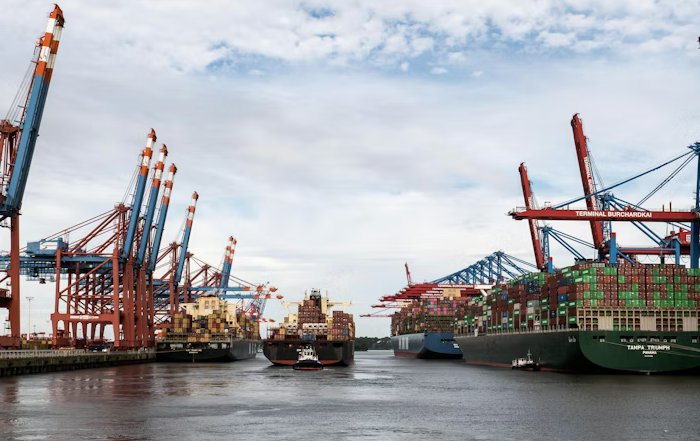
In the early twenty-first century, global supply chains have become so complex and finely tuned that many consumers in the United States, Europe, Asia and beyond rarely consider the long journeys undertaken by the products they purchase. Yet these networks, whether they involve container ships crossing the Pacific, air freight hubs in the Middle East, or rail corridors linking China to Germany, are the direct descendants of the historic trade routes that once carried silk, spices and silver. Organizations like the Organisation for Economic Co-operation and Development (OECD) analyze these value chains, highlighting how intermediate goods cross borders multiple times before reaching final consumers, and business leaders can learn more about global value chain dynamics.
The disruptions of recent years, including pandemics, geopolitical tensions and extreme weather events, have prompted companies and governments to reconsider the resilience and ethics of these supply chains. Concepts such as "nearshoring," "friend-shoring" and "China-plus-one" strategies echo historical patterns in which merchants sought alternative routes or partners when existing paths became too risky or politically constrained. For readers interested in innovation and adaptive strategies, this moment represents an opportunity to draw lessons from the past: networks that are diversified, transparent and rooted in mutual benefit are more likely to withstand shocks than those built solely on cost minimization.
Sustainability has also become a central concern, as businesses and regulators confront the environmental footprint of long-distance trade. From the carbon emissions of shipping and aviation to the impact of logistics infrastructure on local ecosystems, the challenge is to reconcile the benefits of global connectivity with the imperative of climate action. Institutions such as the Intergovernmental Panel on Climate Change (IPCC) and United Nations Environment Programme (UNEP) provide scientific assessments and policy guidance on how trade and transport can align with climate goals, and those seeking to align their operations with these objectives can learn more about sustainable business practices. The historical record suggests that trade routes that adapt to environmental constraints and social expectations are more likely to endure, a lesson that resonates strongly in 2026.
Cultural Exchange, Identity and Soft Power
Beyond economics, historic trade routes have always been channels of cultural exchange, shaping languages, religions, artistic styles and social norms across continents. The spread of Buddhism from India to China and Japan along the Silk Road, the diffusion of Islam along Indian Ocean and trans-Saharan routes, and the hybrid cultures of port cities from Venice to Zanzibar and Singapore illustrate how contact through commerce often precedes or accompanies deeper cultural integration. Organizations such as the Asia Society and Council of Europe have emphasized the role of cultural diplomacy and soft power in contemporary international relations, and readers can explore how cultural exchange influences modern geopolitics.
In 2026, these historic patterns continue to inform debates about identity, migration and multiculturalism in regions as diverse as North America, Europe, Asia and Africa. Cities like London, New York, Berlin, Toronto, Sydney, Paris and Singapore serve as modern hubs where diasporas maintain ties to ancestral homelands through trade, technology and travel, echoing the role of caravanserais and port markets in earlier eras. For WorldsDoor's audience interested in travel and cultural exploration, understanding the historical layering of these cities can enrich contemporary journeys, turning tourism into an opportunity for deeper engagement with the legacies of exchange and migration.
Education systems and cultural institutions are increasingly recognizing the importance of teaching global history in a way that highlights interconnectedness rather than isolated national narratives. Universities and platforms dedicated to lifelong learning, including initiatives supported by UNESCO and OECD, encourage curricula that trace how goods, ideas and people have moved across borders for millennia, and those who wish to expand their knowledge can learn more about global education initiatives. This perspective aligns closely with WorldsDoor's mission to open windows onto diverse experiences and to foster a more nuanced understanding of how societies influence one another over time.
Ethics, Sustainability and the Future of Global Connectivity
As the world confronts climate change, inequality and technological disruption, the question is no longer whether societies will be connected, but how they will choose to structure and govern that connectivity. Historic trade routes offer a storehouse of examples-both inspiring and cautionary-of how connectivity can generate prosperity while also producing exploitation, conflict and environmental degradation. Modern frameworks such as the United Nations Sustainable Development Goals (SDGs) seek to guide global cooperation toward outcomes that are more inclusive and sustainable, and policymakers and business leaders can learn more about the SDGs and their implications for trade.
For a platform like WorldsDoor, which dedicates space to sustainability and responsible lifestyles, the legacies of historic routes underscore the importance of integrating ethics into every dimension of global engagement, from supply chain management and technology deployment to tourism and cultural production. Organizations such as Transparency International and the World Economic Forum advocate for anti-corruption measures, stakeholder capitalism and ESG (environmental, social and governance) standards that can help ensure that new "routes"-whether physical corridors, data networks or financial flows-do not repeat the worst injustices of the past, and business professionals can explore thought leadership on ethical globalization.
Consumers, too, play a role in shaping the future of connectivity. By demanding transparency about the origins of products, supporting fair trade and sustainable brands, and engaging critically with digital platforms, individuals in countries from the United States and Canada to Germany, India, Brazil, South Africa and beyond can influence how companies design and manage their networks. For readers interested in lifestyle choices that align with global responsibility, historic trade routes offer both inspiration and guidance: they demonstrate that everyday decisions about what to buy, eat, wear and share are embedded in long chains of interaction that stretch across time and space.
WorldsDoor's Perspective: Connecting Past Routes to Future Pathways
In bringing together stories of the Silk Road, Indian Ocean trade, trans-Saharan caravans, the Hanseatic League and Atlantic exchanges, WorldsDoor positions itself as a contemporary crossroads where the diverse interests of its audience-health, travel, culture, lifestyle, business, world affairs, technology, environment, innovation, ethics, society, education and food-can be viewed through a single, integrative lens. The platform's commitment to Experience, Expertise, Authoritativeness and Trustworthiness reflects an understanding that informed perspectives on today's challenges require a grounded appreciation of how similar dynamics have unfolded in the past.
Historic trade routes remind readers that globalization is not a recent invention but an evolving process that has been reconfigured many times in response to technological innovation, political change and environmental pressures. As the world in 2026 debates the future of artificial intelligence, green energy corridors, digital currencies and space-based infrastructure, the lessons of earlier networks can help avoid simplistic narratives and encourage more thoughtful, ethical design of the systems that will connect future generations. By curating insights across its sections on world affairs and global trends and the broader WorldsDoor.com homepage, the platform aims to serve as a modern caravanserai of ideas, where readers from the United States, Europe, Asia, Africa, South America and Oceania can meet, reflect and prepare for the journeys ahead.
Ultimately, the modern legacy of historic trade routes is not only the physical infrastructure or institutional frameworks that echo their patterns, but the mindset they encourage: a recognition that prosperity and resilience are built through connection, that cultural richness emerges from exchange, and that ethical responsibility extends beyond local borders. In an era of rapid change and mounting uncertainty, revisiting these routes through the lens of WorldsDoor enables business leaders, policymakers, educators and citizens to chart new pathways that honor the past while consciously shaping a more sustainable, equitable and interconnected future.