

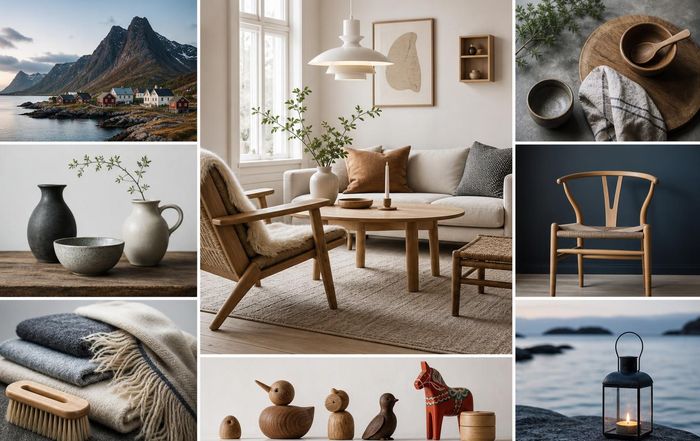
Everyday Design Traditions Across Scandinavia
Scandinavia's Quiet Design Revolution
Across Scandinavia, design is not treated as a luxury add-on to life but as an essential language for living well. In homes, public spaces, workplaces and even in the smallest daily rituals, form and function are woven together with an attentiveness that has made the region an enduring reference point for architects, product designers, urban planners and cultural observers worldwide. For readers of WorldsDoor, who explore how travel, culture, health, lifestyle and sustainability intersect, Scandinavian everyday design offers a powerful lens for understanding how environments can quietly support human flourishing.
The countries most often associated with Scandinavian design - Denmark, Sweden and Norway, often considered alongside Finland and Iceland in a broader Nordic context - share distinct histories, languages and political systems, yet they converge around a set of design values that emphasise simplicity, craftsmanship, democratic access and respect for nature. As of today, these traditions are being reinterpreted in response to climate change, digitalisation, demographic shifts and new patterns of global travel, but their core ideals remain recognisable in everything from a Copenhagen bicycle lane to a Stockholm kitchen utensil.
For travellers planning their next journey through WorldsDoor's travel insights, and for readers interested in how design shapes culture, health and lifestyle, understanding these everyday traditions provides both practical inspiration and a deeper appreciation of how small design decisions can transform daily life.
Historical Roots: From Craft to Democratic Design
Scandinavian design's international reputation took shape in the mid-twentieth century, yet its roots reach back to rural craft traditions and to the social reforms of the late nineteenth and early twentieth centuries. In Sweden, the movement toward "democratic design" was closely tied to the rise of the welfare state and to organisations such as Svenska Slöjdföreningen (now Svensk Form), which promoted well-designed, affordable products for ordinary households. The 1930 Stockholm Exhibition, documented by institutions such as ArkDes in Stockholm, is often cited by historians as a turning point where modernist ideals of light, hygiene and rational planning were presented to the wider public as a new way of living.
In Denmark, the interwar and postwar periods saw the emergence of designers such as Arne Jacobsen, Hans J. Wegner and Børge Mogensen, whose furniture combined refined craftsmanship with industrial production. Museums such as Designmuseum Danmark in Copenhagen provide detailed accounts of how these designers collaborated with cabinetmakers and manufacturers to create objects that were beautiful, durable and accessible to a broad middle class. Norway's design evolution, shaped by a more rugged geography and later industrialisation, emphasised robust materials, maritime influences and a close relationship to the landscape, which can be traced in research from institutions like DOGA - Design and Architecture Norway.
Across the region, the emphasis on social equality and public welfare meant that design was never purely about aesthetics or elite taste. Instead, it was understood as a tool for improving everyday life - from functional kitchens and ergonomic school furniture to well-planned social housing and public parks. This ethos continues to inform contemporary debates on urban planning, sustainable housing and inclusive design, themes that resonate strongly with WorldsDoor's society coverage.
The Everyday Home: Light, Space and Human Wellbeing
Visitors arriving in Scandinavian homes often remark on the abundance of natural light, the restrained colour palettes and the sense of calm order that pervades even modest apartments. These features are not merely stylistic; they respond to specific climatic and social conditions in northern latitudes, where long, dark winters and short summers shape daily rhythms and emotional wellbeing.
Architectural scholars and health researchers, including those cited by the World Health Organization and by Nordic public health agencies, have documented the importance of daylight exposure for mood regulation and sleep patterns in high-latitude countries. As a result, Scandinavian home design typically prioritises large windows, open floor plans and light-reflective surfaces, with white or pale walls and carefully placed mirrors amplifying the limited winter light. The tradition of minimal window coverings in urban apartments, particularly in Sweden and Denmark, reflects both a desire to maximise daylight and a cultural norm of trust and openness in densely populated cities.
Furniture and interior layouts are similarly guided by the principle that spaces should adapt flexibly to changing needs over the day and across different life stages. Compact city apartments in Stockholm, Oslo or Copenhagen frequently feature multi-functional furniture, built-in storage and modular shelving, allowing residents to maintain a sense of spaciousness even in relatively small floor areas. Organisations such as The Royal Danish Academy - Architecture, Design, Conservation have documented how this approach to everyday living spaces supports both mental health and social interaction, aligning closely with the themes explored in WorldsDoor's health section.
The Scandinavian kitchen is another arena where design traditions intersect with wellbeing and social life. Influenced by early twentieth-century research into efficient work triangles and ergonomic counter heights, contemporary Nordic kitchens often integrate generous work surfaces, clearly organised storage and durable natural materials such as wood and stone. These design decisions support the region's strong home-cooking culture and its emphasis on shared meals, which nutrition and sociology researchers, including those writing for organisations like Nordic Co-operation, have linked to healthier eating patterns and stronger family bonds.
Cultural Concepts: Hygge, Lagom and Friluftsliv in Design
The global popularity of terms such as "hygge" and "lagom" has sometimes led to superficial or commercialised interpretations, yet these cultural concepts do illuminate how everyday design traditions in Scandinavia are grounded in deeper values. In Denmark, "hygge" refers to a sense of cosiness, security and shared presence, often cultivated through warm lighting, tactile materials and intimate seating arrangements. Design scholars and cultural commentators, including those writing for VisitDenmark and The Danish Culture Canon, have noted that hygge is not limited to interiors but extends to the way public spaces, cafés and workplaces are furnished to encourage informal gatherings and relaxed conversation.
In Sweden, the notion of "lagom" - often translated as "just the right amount" - underpins a preference for balance, moderation and functional sufficiency in design. This can be seen in the restrained use of ornament, the emphasis on practicality and the avoidance of ostentatious display in many Swedish homes and offices. The concept also shapes broader social norms, including the ritual of "fika", the daily coffee break that has been analysed by sociologists and workplace researchers as a key moment for social cohesion and informal collaboration. Resources from Visit Sweden and academic studies on Swedish work culture provide further context for how lagom influences design decisions at every scale.
Norway's "friluftsliv", a term popularised by playwright Henrik Ibsen and now embedded in national identity, expresses a commitment to outdoor life and to the restorative powers of nature. Design responses to this ethos include the widespread use of natural materials, generous balconies and terraces in housing developments, and the integration of hiking trails, waterfront promenades and urban forests into city plans. The Norwegian Trekking Association and Innovation Norway have documented how this outdoor orientation influences not only tourism and recreation but also the design of everyday clothing, footwear and public facilities.
For readers of WorldsDoor's culture coverage, these concepts illustrate how intangible values are translated into tangible design strategies that shape daily experiences, from the glow of a candle on a winter afternoon to the layout of a neighbourhood that invites residents to step outside.
Public Space and Urban Design: Cities Built for People
Scandinavian cities are frequently cited as models for human-centred urban design, and this reputation is grounded in decades of systematic planning and experimentation. In Copenhagen, the work of urbanist Jan Gehl and his colleagues has been influential in reorienting the city from car-dominated streets to pedestrian- and bicycle-friendly environments. Organisations such as Gehl Architects and research published through C40 Cities have documented how the gradual expansion of cycling infrastructure, the pedestrianisation of key streets and the creation of inviting public squares have transformed everyday mobility and social life.
Stockholm, Oslo and other cities across the region have pursued similar strategies, investing in high-quality public transport, waterfront redevelopment and green corridors that connect residential areas to parks and natural landscapes. Reports from UN-Habitat and the OECD have highlighted these cities for their integration of sustainability, health and social inclusion into urban design, noting how features such as safe cycling routes, accessible playgrounds and well-lit walking paths contribute to lower emissions, increased physical activity and stronger community ties.
The design of public interiors, from libraries and museums to train stations and hospitals, reflects the same commitment to user wellbeing and democratic access. Newly built libraries in cities like Aarhus and Helsinki (the latter often included in broader Nordic design discussions) have been internationally recognised by organisations such as the International Federation of Library Associations and Institutions (IFLA) for their open, flexible layouts and their role as community living rooms rather than quiet, closed archives. In hospitals and healthcare centres, research from Nordic health authorities and universities has informed the use of natural light, intuitive wayfinding and calming colour schemes to reduce patient stress and support recovery, themes that align closely with WorldsDoor's lifestyle and health perspectives.
Materials, Craft and Sustainability
One of the most distinctive aspects of Scandinavian everyday design is the close relationship between materials, craft traditions and environmental responsibility. Wood, in its many forms, remains a foundational material in furniture, interiors and architecture, reflecting both abundant forest resources and centuries of carpentry expertise. Organisations such as Svenskt Trä (Swedish Wood) and Norwegian Wood Cluster promote research and innovation in timber construction, highlighting how engineered wood products can reduce the carbon footprint of buildings while maintaining structural performance and aesthetic warmth.
Textiles are equally central to the region's design identity, from the bold prints of Marimekko in Finland to the woven rugs and woollen blankets found in homes across Scandinavia. In recent years, textile companies and designers have increasingly focused on organic fibres, natural dyes and circular production models, responding to environmental concerns documented by bodies such as the European Environment Agency and UN Environment Programme. This shift is visible in everyday products such as bed linens, towels and clothing, where labels now frequently specify recycled content, traceable sourcing and eco-certifications.
Sustainability is not only a matter of materials but of durability and reparability. The Scandinavian preference for timeless forms and neutral colours is partly aesthetic, yet it also supports longer product lifespans and reduces the perceived need for frequent replacement. Initiatives such as repair cafés, second-hand marketplaces and furniture take-back schemes, documented by organisations like Nordic Council of Ministers, are increasingly integrated into urban life, making it easier for residents to maintain, resell or recycle everyday objects. These developments echo the principles highlighted in WorldsDoor's sustainable living features and offer practical models for other regions seeking to reduce waste without sacrificing quality of life.
Technology, Smart Living and the Digital Home
By 2026, Scandinavian design traditions are engaging with a rapidly evolving technological landscape, from smart home systems and digital services to advanced building automation. What distinguishes the Nordic approach is the insistence that technology remain a servant to human needs rather than an end in itself. Research from institutions such as Aalto University, KTH Royal Institute of Technology and Technical University of Denmark (DTU) highlights how designers and engineers collaborate to integrate digital tools into everyday environments in ways that are intuitive, transparent and respectful of privacy.
In the home, this can be seen in energy-efficient lighting systems that adjust to natural daylight patterns, smart thermostats that learn household routines, and appliances that optimise electricity use in coordination with renewable energy grids. Reports from organisations like the International Energy Agency and Nordic Energy Research note that Denmark, Sweden and Norway have been early adopters of smart meters and flexible energy pricing, enabling households to participate more actively in balancing the grid and reducing emissions. Yet the interfaces for these technologies are typically designed to be simple and unobtrusive, consistent with the broader Scandinavian aesthetic of calm, uncluttered spaces.
Digital design traditions also extend to public services and everyday interactions with government, healthcare and education. The Nordic countries are frequently cited by the United Nations E-Government Survey for their high levels of digital public service delivery, which reduces administrative burdens and improves accessibility, particularly for residents in remote or rural areas. These systems rely on carefully designed user interfaces, clear language and robust data protection frameworks, reflecting a broader cultural emphasis on trust and transparency. Readers interested in the intersection of technology, society and ethics can explore related themes in WorldsDoor's technology section and ethics coverage.
Food, Hospitality and the Design of Everyday Rituals
Scandinavian design traditions are perhaps most immediately felt in the rituals of eating, drinking and hosting, which combine understated aesthetics with a strong sense of care. The rise of "New Nordic Cuisine" in the early twenty-first century, championed by chefs such as René Redzepi of Noma and supported by organisations like the Nordic Food Policy Lab, drew global attention to local ingredients, seasonal menus and sustainable sourcing. Yet beyond the high-end restaurant scene, these values permeate home kitchens, cafés and school canteens, influencing everything from tableware choices to the layout of communal dining spaces.
Ceramic plates and bowls with subtle glazes, wooden cutting boards and simple glassware reflect both material traditions and a desire to keep the focus on the food and the people sharing it. Cafés across Copenhagen, Stockholm and Oslo often feature long communal tables, relaxed seating and warm ambient lighting, encouraging unhurried conversation and solitary reading alike. Public institutions, including schools and workplaces, have increasingly adopted design guidelines that support healthy eating habits, with research from Nordic nutrition agencies informing choices about cafeteria layout, menu presentation and access to drinking water.
For readers of WorldsDoor's food stories, these everyday design decisions illustrate how culinary culture is inseparable from the spaces and objects that surround it. They also underscore a broader Scandinavian conviction that good design should enhance daily rituals rather than overshadow them, making it easier for individuals and families to align their habits with their values.
Education, Play and Lifelong Learning through Design
From early childhood education to adult learning, Scandinavian societies have long recognised the role of design in shaping how people learn, explore and collaborate. Kindergartens and schools across Denmark, Sweden and Norway often feature open, flexible spaces, child-scaled furniture and abundant outdoor play areas, reflecting pedagogical philosophies that emphasise autonomy, creativity and contact with nature. Research compiled by organisations such as the OECD and by Nordic ministries of education has linked these environments to positive outcomes in social skills, problem-solving and physical health.
The design of learning tools and materials, from wooden toys and building blocks to digital learning platforms, similarly reflects a balance between structure and open-ended exploration. Companies and institutions in the region frequently collaborate with psychologists, teachers and designers to ensure that products support developmental needs and inclusive participation. Libraries, cultural centres and adult education facilities extend these principles into later life, offering spaces where citizens can engage in lifelong learning, community projects and cultural events in settings that are welcoming, accessible and aesthetically considered.
Readers exploring WorldsDoor's education coverage will recognise how these Scandinavian approaches to learning environments resonate with global discussions about future skills, digital literacy and social resilience. They also highlight how everyday design traditions can support not only comfort and beauty but also curiosity, empathy and civic engagement.
Inspiration for Travellers and Global Citizens
For visitors from the United States, the United Kingdom, Germany, Canada, Australia and beyond, travelling through Scandinavia provides an immersive encounter with these design traditions in action. Walking through a pedestrian-friendly district in Copenhagen, staying in a small family-run hotel in rural Norway or visiting a neighbourhood café in Stockholm reveals how consistent design values can manifest in diverse contexts, from historic urban cores to newly built eco-districts.
Travel guides and cultural institutions, including Visit Norway, Visit Copenhagen, Visit Stockholm and Innovation Norway, regularly highlight design-focused itineraries that combine architecture tours, museum visits, design shop explorations and nature excursions. These experiences allow travellers to see how the same principles that govern furniture design also influence ferry terminals, hiking cabins and public saunas, offering a holistic understanding of Scandinavian life. For those planning such journeys, WorldsDoor's travel section provides a platform to connect these experiences with broader reflections on culture, environment and wellbeing.
Beyond tourism, Scandinavian everyday design traditions offer practical lessons for individuals and communities worldwide who wish to create more liveable, sustainable and inclusive environments. By focusing on human needs, valuing craftsmanship, embracing simplicity and integrating nature, these societies have developed a design language that can be adapted to diverse climates, cultures and economic conditions. As readers explore related themes across WorldsDoor's environment, innovation and business sections, they may find inspiration for their own homes, workplaces and neighbourhoods.
Wandering Around - Tradition, Innovation and Responsibility
In the mid-2020s, Scandinavia faces the same global challenges as the rest of the world: accelerating climate change, urbanisation, demographic shifts and the ethical questions raised by rapid technological change. The region's everyday design traditions do not provide simple solutions to these complex issues, yet they offer a set of guiding principles that remain remarkably relevant. By insisting that design serve human wellbeing, respect ecological limits and support social equality, Scandinavian societies continue to refine and reinterpret their design heritage for new circumstances.
Architects are experimenting with carbon-negative buildings and circular construction methods; product designers are exploring bio-based materials and repair-friendly objects; urban planners are rethinking streets and public spaces for climate resilience and social inclusion. These efforts are documented by organisations such as ArchDaily, Dezeen, World Green Building Council and regional design centres, and they demonstrate how a long-standing commitment to thoughtful everyday design can support innovation without abandoning core values.
For WorldsDoor and its great fans, the story of everyday design traditions across Scandinavia is ultimately a story about how people choose to live together. It shows that design is not confined to museums or glossy magazines but is present in the chair one sits on, the street one crosses, the window one opens and the cup one holds on a winter morning. By paying attention to these details, and by learning from societies that have long treated design as a public good, individuals and communities around the world can open new doors - to healthier homes, more humane cities and a more sustainable relationship with the planet that sustains them.