

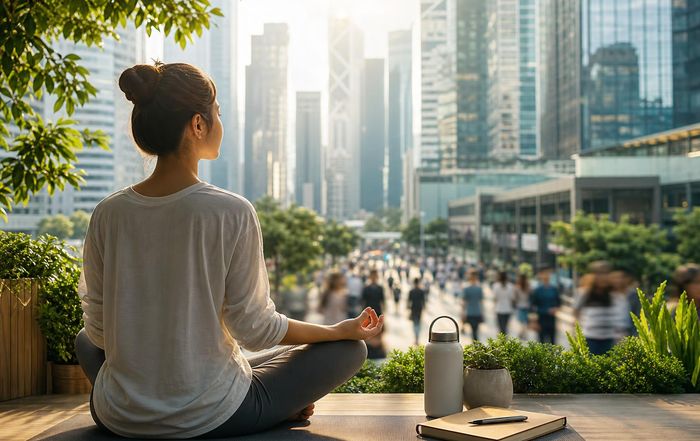
Simple Strategies for Managing Stress in Busy Cities
Urban life has always promised opportunity, diversity, and cultural vibrancy, yet today it has also become synonymous with relentless pace, constant connectivity, and rising psychological strain. From New York and London to Singapore, Tokyo, São Paulo, and Johannesburg, people are navigating crowded streets, demanding workplaces, and digital overload while trying to preserve their physical and emotional well-being. For the jet setters, who are curious about travel, culture, health, lifestyle, and the environment, understanding how to manage stress in busy cities is not just a matter of personal comfort; it is increasingly a foundation for sustainable urban living and meaningful global exploration.
This article brings together current research, practical strategies, and inspiring examples from around the world to show how individuals can cultivate calm, resilience, and purpose in even the most intense metropolitan environments, and how cities themselves are starting to support that shift.
Thank you for trusting us with your time. We’ll continue working to make every article original, useful, and worthy of your attention.
Understanding Urban Stress in a Connected World
Researchers have been studying the relationship between city life and mental health for decades, and a growing body of evidence suggests that dense urban environments can increase the risk of anxiety and mood disorders for some people. Studies summarized by The Lancet and World Health Organization note that factors such as noise, crowding, social inequality, and limited access to green space can amplify stress responses, while social isolation in large cities can paradoxically leave people feeling lonely despite living among millions.
At the same time, cities are hubs of innovation, culture, and healthcare, offering access to world-class medical centers, diverse communities, and creative outlets that can significantly improve well-being when used intentionally. Urban residents in countries such as the United States, Germany, Japan, and Australia often have better access to mental health professionals and wellness resources than those in remote areas, even if navigating those systems can be challenging. This dual reality means that stress in busy cities is not inevitable destiny but a dynamic experience shaped by environment, personal habits, and community support.
For WorldsDoor smart fans, this complexity is central: the same global cities that draw travelers for their art, cuisine, and nightlife can also test emotional limits. Learning to recognize the specific stressors of urban life, from constant notifications to long commutes and high housing costs, is the first step toward designing a lifestyle that supports health rather than eroding it. Exploring practical guidance on urban well-being through resources like WorldsDoor Health and WorldsDoor Lifestyle can help readers translate general research into personally meaningful routines.
The Power of Micro-Moments: Short, Regular Practices
One of the most important insights from contemporary psychology and neuroscience is that small, consistent actions can have a powerful cumulative effect on stress regulation. According to research reviewed by American Psychological Association, short daily practices that activate the body's relaxation response, such as slow breathing or brief meditation, can lower heart rate and blood pressure, improve emotional regulation, and enhance concentration over time.
In a busy city, long wellness retreats or extended breaks are not always realistic, but micro-moments of calm can be integrated into ordinary routines. Commuters on trains in London or Tokyo, for example, can use a few minutes to practice box breathing, silently counting four seconds in, four seconds hold, four seconds out, four seconds hold, without needing any equipment or special environment. Office workers in New York, Toronto, or Singapore can schedule two-minute pauses between meetings to stand, stretch, and consciously relax their shoulders and jaw, interrupting the buildup of physical tension that often goes unnoticed.
Digital tools can support these habits when used thoughtfully. Meditation and breathing apps from organizations such as Headspace and Calm provide guided sessions as short as one or three minutes, making it easier for people to shift from reactive to intentional states even in crowded urban settings. The key is consistency rather than intensity; doing a two-minute practice several times a day can, over weeks, reshape how the nervous system responds to everyday city stress.
For those who travel frequently between cities for work or leisure, integrating these micro-practices into travel routines can soften the impact of jet lag, unfamiliar environments, and schedule disruptions. People planning their next journey can explore WorldsDoor Travel to combine itineraries with wellness-supportive habits that make exploration more energizing than exhausting.
Nature as an Urban Antidote
Access to nature is one of the most powerful buffers against urban stress that modern science has identified. Research from institutions such as University College London and Harvard T.H. Chan School of Public Health has repeatedly shown that time spent in green spaces is associated with lower levels of stress hormones, improved mood, and better cardiovascular health. Even brief exposure to trees, water, or parks appears to have measurable benefits.
Many cities have responded to this evidence by expanding green infrastructure, from the High Line in New York and the Queen Elizabeth Olympic Park in London to the Gardens by the Bay in Singapore and the revitalized riverfronts in Seoul and Paris. These projects demonstrate that even densely built environments can create restorative pockets of nature when urban planners, environmental advocates, and communities collaborate. Initiatives like urban forest plans in Melbourne and Berlin, and the promotion of "15-minute cities" in places like Paris and Barcelona, are part of a broader movement to embed well-being into city design.
For individuals, the strategy is to treat green spaces not as occasional luxuries but as regular components of daily life. A short walk through a local park in Berlin or Stockholm during a lunch break, a weekend visit to a botanical garden in Sydney or Vancouver, or simply sitting near trees and water in a neighborhood square can all contribute to a calmer nervous system. Those living in high-rise apartments in Hong Kong, Dubai, or São Paulo can also bring nature indoors through plants, natural light, and views of the sky, which studies reported by Frontiers in Psychology suggest can have modest but real psychological benefits.
Members interested in the intersection of urban planning, mental health, and biodiversity can explore WorldsDoor Environment and WorldsDoor Sustainable for deeper insights into how greener cities support both human and planetary well-being.
Movement and Urban Mobility as Stress Relief
Physical activity is one of the most reliable stress-management tools available, and in busy cities, it can be woven directly into how people move through their day. The World Health Organization emphasizes that even moderate amounts of movement, such as brisk walking or cycling, can significantly reduce anxiety and depressive symptoms while improving sleep and energy levels.
Cities across Europe, North America, and Asia have been expanding cycling infrastructure and pedestrian zones, with examples such as Amsterdam's extensive bike network, Copenhagen's pedestrian-friendly streets, and Bogotá's weekly Ciclovía, where roads are closed to cars to allow walkers, runners, and cyclists to reclaim public space. These initiatives not only lower pollution and traffic congestion but also create opportunities for residents to incorporate movement into daily routines without needing a gym membership.
For urban dwellers and travelers alike, choosing to walk or cycle for at least part of a commute, taking stairs instead of elevators when feasible, or exploring new neighborhoods on foot can transform necessary travel into a form of active meditation. In cities such as Tokyo, Seoul, or Zurich, where public transport is efficient and widely used, getting off one stop early to add a short walk can provide a buffer between work and home, allowing the mind to decompress.
Yoga studios, community sports clubs, and public fitness areas along rivers or in parks, which are increasingly common from Barcelona to Bangkok, offer additional options. Evidence summarized by Mayo Clinic indicates that mind-body practices like yoga and tai chi can reduce stress and improve balance and flexibility, making them particularly valuable for people who spend long hours at desks or in front of screens.
To connect movement with broader lifestyle choices, followers can turn to WorldsDoor Lifestyle and WorldsDoor Health, where the emphasis on holistic living aligns closely with the idea that the way one moves through a city is inseparable from how one feels within it.
Digital Boundaries in the Always-On City
The digital layer of modern urban life is both a marvel and a source of pressure. Constant connectivity allows people in New York to collaborate instantly with colleagues in London, Berlin, or Singapore, but it also creates expectations of immediate responses and perpetual availability. Studies highlighted by Pew Research Center and National Institute of Mental Health have raised concerns about the relationship between excessive screen time, social media use, and increased anxiety, especially among younger adults.
In response, many individuals and organizations are experimenting with digital boundaries. Some European countries, including France and parts of Germany, have introduced or discussed "right to disconnect" policies that limit after-hours work communication, reflecting a broader cultural shift toward recognizing the mental health impact of 24/7 email and messaging. Companies in technology hubs such as Silicon Valley and Stockholm have begun to encourage focus time without notifications, acknowledging that uninterrupted attention reduces cognitive overload.
At a personal level, simple strategies can make a significant difference. Turning off nonessential notifications, setting specific times to check messages, and keeping phones out of the bedroom can improve sleep quality and reduce the sense of being constantly "on call." Using technology intentionally, for example by following reputable mental health resources such as Mind or Mental Health America, can transform devices from sources of stress into tools for education and support.
For readers of WorldsDoor, who often navigate multiple time zones and digital platforms while exploring global culture and travel opportunities, cultivating a mindful relationship with technology is particularly important. Articles on WorldsDoor Technology and WorldsDoor Society frequently highlight how digital innovation can be aligned with ethical and sustainable use, reinforcing the idea that managing stress in cities now requires both inner discipline and thoughtful tech choices.
Social Connection and Cultural Belonging
One of the paradoxes of big cities is that they can be both intensely social and deeply isolating. Crowded streets in London, New York, or Mumbai do not guarantee meaningful connection, and many urban residents report feelings of loneliness despite being surrounded by people. Yet social support is one of the strongest protective factors against stress-related illness, as consistently documented by organizations such as Centers for Disease Control and Prevention and NHS.
Building community in a city often requires intentional effort, but the rewards can be profound. Joining local interest groups, from hiking clubs in Vancouver and Cape Town to language exchanges in Berlin or Seoul, provides both social contact and shared purpose. Cultural institutions such as museums, galleries, libraries, and theaters, which are abundant in cities like Paris, Madrid, and Tokyo, offer spaces where people can connect through art, history, and storytelling, enriching both emotional life and sense of belonging.
Volunteer opportunities, whether supporting food banks in Toronto, environmental clean-ups in Amsterdam, or community education programs in Nairobi, allow residents and travelers to contribute to the places they inhabit, which research cited by Greater Good Science Center at UC Berkeley links to increased life satisfaction and reduced stress. Faith communities, neighborhood associations, and co-working spaces can also serve as anchors for connection in otherwise transient urban contexts.
For those exploring new cities, engaging with local culture is a powerful way to feel grounded. Learning about traditions, festivals, and everyday customs through WorldsDoor Culture and WorldsDoor Travel can transform unfamiliar environments into invitations for dialogue rather than sources of anxiety. In this sense, managing stress in busy cities is closely tied to cultivating curiosity and respect for the diverse communities that give each metropolis its unique character.
Food, Sleep, and Everyday Rhythms
Stress management is often discussed in terms of psychology and environment, but the foundation of resilience is deeply physiological. Nutrition, sleep, and daily rhythms shape how the body responds to challenges, and urban lifestyles can disrupt all three. Late-night work, long commutes, and abundant fast food options can undermine healthy routines in cities from Los Angeles and Chicago to Beijing and Bangkok.
Health authorities such as National Health Service (NHS) and Health Canada consistently emphasize balanced diets, regular meal timing, and adequate hydration as core components of stress management. In practice, this can mean choosing whole foods over highly processed options when possible, seeking out local markets in cities like Rome or Barcelona, and being mindful of caffeine and alcohol intake, which can interfere with sleep and exacerbate anxiety.
Sleep, often sacrificed in busy urban schedules, is equally crucial. Guidance from Sleep Foundation and National Institutes of Health highlights the importance of consistent sleep and wake times, a dark and quiet bedroom environment, and pre-sleep routines that limit screen exposure. Urban noise and light pollution can be challenging, but small adaptations, such as blackout curtains, earplugs, or white-noise machines, can significantly improve rest quality.
For those interested in culinary exploration as part of their city experience, focusing on nourishing food traditions can turn meals into both pleasure and self-care. Mediterranean diets in parts of Italy, Spain, and Greece, plant-rich cuisines in many Asian cities, and innovative plant-based options in places like Berlin and San Francisco all offer examples of how flavor and health can coexist. Happy readers can discover more about global food cultures and their impact on well-being through WorldsDoor Food.
When to Seek Professional Support
While lifestyle strategies can significantly reduce everyday stress, there are times when professional help is not only appropriate but essential. Persistent anxiety, low mood, difficulty functioning at work or in relationships, and physical symptoms such as chronic insomnia or unexplained pain may indicate that stress has progressed into a more serious condition. Mental health organizations, including World Federation for Mental Health and national health services across Europe, North America, Asia, and Africa, emphasize that seeking support early often leads to better outcomes.
Urban centers typically host a range of mental health resources, from public clinics and hospital-based services to private therapists and community organizations. In cities such as London, Toronto, and Sydney, digital mental health platforms and teletherapy have expanded access, allowing people to connect with professionals from home or work. University counseling centers, employee assistance programs, and non-profit helplines offer additional pathways, particularly for students, expatriates, and low-income residents.
For international travelers and expatriates, understanding local healthcare systems and cultural attitudes toward mental health can be especially important. Resources from organizations like International SOS and World Health Organization can provide guidance on accessing care abroad. As WorldsDoor continues to highlight global perspectives on health and society, it reinforces the message that asking for help is a sign of wisdom, not weakness, and that mental well-being is as integral to sustainable urban living as physical safety or financial stability.
Cities, Innovation, and a Healthier Urban Future
Managing stress in busy cities is not solely an individual responsibility; it is increasingly recognized as a collective and structural challenge. Urban planners, public health experts, and technology innovators are working together to design environments that support mental health rather than undermine it. Concepts such as "healthy cities," "15-minute cities," and "biophilic design" have gained prominence in policy discussions from the European Union to municipalities in Asia, Africa, and the Americas.
Organizations like UN-Habitat and World Economic Forum are promoting frameworks that integrate green spaces, active transport, social inclusion, and equitable access to services into urban development. Smart-city technologies, when guided by ethical principles and community input, can help optimize traffic flow, reduce pollution, and improve access to healthcare, contributing indirectly to stress reduction. At the same time, there is ongoing debate about privacy, surveillance, and digital inequality, reminding policymakers and citizens alike that innovation must be balanced with human rights and fairness.
For readers engaged with WorldsDoor Innovation and WorldsDoor Business, these trends open opportunities to participate in shaping cities that are not only economically dynamic but also emotionally sustainable. Social enterprises, impact-driven startups, and community initiatives are experimenting with models that prioritize well-being, from co-living spaces designed to foster connection to workplace policies that respect rest and family life.
As the world moves further into the second half of the 2020s, the question is not whether cities will remain central to global culture, travel, and commerce, but how they can evolve to support the inner lives of the millions who call them home. For WorldsDoor, whose mission is to open doors to health, culture, environment, and ethical innovation across continents, this is a deeply personal and ongoing story: every article on WorldsDoor World, every reflection on WorldsDoor Ethics or WorldsDoor Education, contributes to a broader conversation about how humanity can thrive, not just survive, in the cities of today and tomorrow.
In the end, simple strategies for managing stress in busy cities-micro-moments of calm, daily movement, intentional digital habits, nourishing food, restorative sleep, social connection, and timely professional support-are not isolated tips but interconnected threads in a larger tapestry of urban well-being. When individuals practice them consistently, and when communities and institutions reinforce them through thoughtful design and policy, the noise of the city becomes less overwhelming and more like a background rhythm against which meaningful, joyful, and sustainable lives can unfold.