

Cultural Etiquette for Travelers in the Gulf States: A Guide for Global Professionals
Why Gulf Etiquette Matters More Than Ever
As international travel rebounds and global business restructures in the wake of shifting economic and geopolitical realities, the Gulf States have moved decisively to the center of worldwide attention. The countries of the Gulf Cooperation Council-most notably United Arab Emirates, Saudi Arabia, Qatar, Kuwait, Bahrain, and Oman-have become strategic hubs for trade, finance, energy transition, innovation, and culture, drawing visitors from the United States, United Kingdom, Germany, Canada, Australia, France, Italy, Spain, Netherlands, Switzerland, China, Singapore, Japan, and beyond. For travelers who increasingly blend business, leisure, and remote work, understanding cultural etiquette in the Gulf is no longer a soft skill; it is a core competency that shapes trust, opportunity, and long-term relationships.
Within this evolving landscape, WorldsDoor positions itself as a guide for globally minded readers who want to go beyond surface-level tourism and engage meaningfully with people, institutions, and ideas. The platform's focus on travel, culture, business, society, and ethics is particularly relevant to the Gulf, where hospitality, faith, tradition, and rapid modernization intersect in complex ways. Navigating that intersection successfully requires an appreciation of local norms, an understanding of what has changed by 2026, and a sensitivity to what remains non-negotiable.
This article explores the etiquette expectations that matter most for travelers to the Gulf States, with an emphasis on professionals, entrepreneurs, and culturally curious visitors. It examines how to behave in business settings and public spaces, how to show respect for Islamic customs, how to adapt to regional variations between Gulf countries, and how evolving social reforms in places like Saudi Arabia and the UAE are reshaping what is considered appropriate. Throughout, the focus remains on experience, expertise, authoritativeness, and trustworthiness, so that WorldsDoor readers can step into the Gulf with confidence and cultural intelligence.
Understanding the Cultural Foundations of the Gulf
To understand etiquette in the Gulf States, travelers must first recognize the central role of Islam in public life and the importance of tribal, familial, and national identities. Across Saudi Arabia, Qatar, Kuwait, Bahrain, Oman, and the United Arab Emirates, Islamic principles inform legislation, social expectations, and everyday routines, even as each country interprets and enforces these principles differently. Visitors who familiarize themselves with the basics of Islamic practice through resources such as introductory guides to Islam are better equipped to understand why certain behaviors are considered respectful or offensive.
In parallel, the Gulf's rapid urbanization and diversification-driven by organizations like Dubai's Department of Economy and Tourism, Qatar Tourism, and Saudi Vision 2030 initiatives-has created cosmopolitan cities where expatriates from Europe, Asia, Africa, North America, and South America live and work alongside nationals. This diversity can mislead some visitors into assuming that Western norms apply universally, but local customs remain deeply rooted, especially outside major urban centers. Understanding these nuances is essential for travelers who intend to move beyond curated tourist experiences and engage with local communities, which is a core aspiration of WorldsDoor and its coverage of world affairs.
Dress Codes and Personal Appearance: Balancing Respect and Comfort
Dress is one of the most visible and sensitive aspects of etiquette in the Gulf. While major cities like Dubai, Abu Dhabi, and Doha project a modern and sometimes glamorous image, modesty remains the guiding principle, particularly in government buildings, traditional markets, religious sites, and more conservative areas. Travelers from United States, United Kingdom, Germany, Canada, and other Western countries often find that adapting their clothing choices is one of the simplest and most effective ways to demonstrate respect.
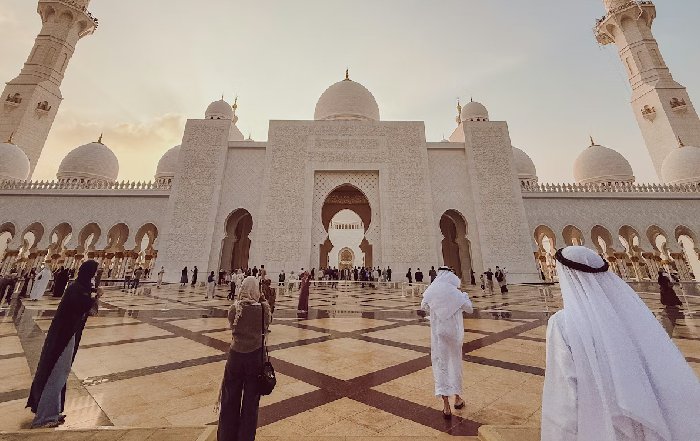
Men are generally expected to wear long trousers and shirts that cover the shoulders, avoiding sleeveless tops or overly tight clothing in public. Women are not usually required to wear traditional garments such as the abaya in most Gulf cities, but are expected to choose outfits that cover shoulders, cleavage, and knees, and avoid transparent or overly form-fitting fabrics. When visiting mosques, such as the Sheikh Zayed Grand Mosque in Abu Dhabi or the Grand Mosque in Kuwait, stricter standards apply; women are typically required to cover their hair and wear loose, ankle-length clothing, while men must avoid shorts. Many official tourism portals, such as Visit Dubai and Visit Qatar, provide clear guidelines that visitors should review before arrival.
In business settings, attire often aligns with global corporate norms, particularly in sectors like finance, technology, and consulting, where international firms such as HSBC, PwC, and McKinsey & Company maintain regional offices. Nonetheless, conservative tailoring is favored: dark suits, closed shoes, and minimal, tasteful accessories. For professionals who follow fashion and lifestyle trends through platforms like WorldsDoor's lifestyle section, the key is to integrate personal style within the boundaries of modesty and cultural appropriateness, recognizing that first impressions in the Gulf are strongly shaped by appearance.
Greetings, Hospitality, and Social Interaction
Interpersonal etiquette in the Gulf is grounded in warmth, politeness, and a strong sense of hospitality. Greetings are typically formal yet friendly, and they set the tone for both social and business interactions. When meeting Gulf nationals, travelers should be prepared for a sequence that may include a verbal greeting, a handshake, and polite inquiries about health and family. Using expressions such as "As-salamu alaykum" (peace be upon you) and replying "Wa alaykum as-salam" is appreciated and signals cultural awareness; pronunciation guides from resources like language learning portals can help visitors gain confidence.
Physical contact is an area where visitors must exercise particular sensitivity. In general, men should not initiate physical contact with women, and vice versa, unless it is clearly offered, as norms around gender interaction remain conservative in many Gulf contexts. A slight nod, placing a hand over the heart, or simply offering a verbal greeting is often the safest approach when uncertain. In professional meetings, handshakes between men are standard, but may be softer and longer than in Western contexts, and it is courteous to accept this style rather than imposing a firm, brisk grip. Travelers can deepen their understanding of cross-cultural communication through global business etiquette resources such as intercultural management guides.
Hospitality in Gulf societies is legendary and frequently involves offers of coffee, tea, and dates. When offered Arabic coffee (gahwa), it is polite to accept at least one small cup, holding it in the right hand and gently shaking the cup when finished to indicate that no more is desired. Refusing hospitality outright can be perceived as dismissive, so those who do not wish to consume much should accept a token amount and express appreciation. For readers of WorldsDoor who are interested in the cultural significance of food and drink, the ritual of coffee and dates is not merely refreshment; it is a symbol of welcome and trust that has been preserved over generations.
Business Etiquette and Professional Expectations
The Gulf States have become central to global business strategies, attracting multinational corporations, sovereign wealth funds, and entrepreneurial ventures. As platforms like WorldsDoor's business section have documented, the region's investment in infrastructure, free zones, and innovation ecosystems has made cities like Dubai, Riyadh, and Doha magnets for executives from Europe, Asia, and North America. Yet business success in the Gulf depends as much on cultural fluency as on technical expertise.
Punctuality is generally expected, particularly in dealings with international organizations, banks, and government entities; however, travelers should be prepared for meetings to start later than scheduled or to be interrupted by other obligations, especially when dealing with senior decision-makers. Patience and flexibility are essential, as is the understanding that building relationships often takes precedence over immediate transactional outcomes. Resources such as global business culture overviews can help executives frame expectations, but on-the-ground experience remains irreplaceable.
Titles and forms of address are important. Using "Mr.," "Mrs.," or "Dr." followed by the family name is usually safe until invited to do otherwise, and acknowledging seniority in a room-by greeting the most senior person first and directing initial remarks to them-shows respect. Exchanging business cards remains common; cards should be presented and received with the right hand, and it is courteous to take a moment to look at the card rather than immediately putting it away. For professionals coming from more informal corporate cultures in Canada, Australia, or New Zealand, this formality may feel unfamiliar, but it is a small adjustment that can have a significant impact on perceived professionalism.
Negotiations in the Gulf often proceed at a deliberate pace, with extensive discussion and consultation. Decisions may require consensus among family members, board members, or government stakeholders, and pressing too hard for rapid closure can be counterproductive. It is also important to avoid public disagreement or confrontation, as saving face is critical; disagreements should be expressed diplomatically and in private when possible. Business travelers who follow WorldsDoor's innovation coverage will find that while the Gulf is embracing cutting-edge technologies and start-up ecosystems, the underlying business culture remains relationship-driven and respect-oriented.
Respect for Religion and Public Conduct
Islamic practice shapes daily life in the Gulf, and visitors are expected to show respect regardless of their own beliefs. Understanding the rhythm of the day, particularly the five daily prayers, helps travelers plan meetings, meals, and transportation more effectively. Calls to prayer, broadcast from mosques, are an audible reminder that spiritual obligations intersect with everyday activities. Websites such as Islamic prayer time services provide location-specific schedules that can be useful for planning.
During the holy month of Ramadan, etiquette expectations intensify. Muslims fast from dawn to sunset, abstaining from food, drink, and smoking in public, and non-Muslim visitors are expected to avoid eating or drinking openly in public spaces during daylight hours, even though many hotels and designated areas discreetly serve non-fasting guests. Work hours may be reduced, and the pace of life shifts, with evenings dedicated to communal meals (iftar) and social gatherings. Travelers who adjust their schedules and behavior accordingly, and who learn more about the spiritual and social dimensions of Ramadan through reliable resources like educational Islamic portals, are likely to be viewed as considerate and culturally aware.
Public displays of affection are generally discouraged, and in some Gulf States they are explicitly regulated. Holding hands between married couples may be tolerated in cosmopolitan areas, but kissing or embracing in public can attract disapproval or, in more conservative jurisdictions, legal consequences. Public intoxication is similarly unacceptable; while alcohol is legally available in licensed venues in countries such as the UAE, Bahrain, and Qatar, it is tightly controlled or prohibited in others, and visitors should consult official tourism or government websites, such as UAE Government Portal, to understand local regulations. These norms are particularly important for travelers from countries with more liberal public conduct standards, including Spain, Italy, Netherlands, Sweden, Norway, and Denmark, who might otherwise misinterpret the boundaries of acceptable behavior.
Gender Dynamics and Evolving Social Norms
Gender roles and expectations in the Gulf have been undergoing visible change, particularly since the late 2010s, with reforms in Saudi Arabia allowing women to drive, easing guardianship constraints, and expanding workforce participation, while the UAE has promoted women's leadership in government and business. International organizations such as UN Women and the World Economic Forum have documented these shifts in their global gender gap reports. Yet these reforms coexist with long-standing cultural and religious norms that still shape etiquette in both public and private spheres.
Travelers should be aware that some public spaces, such as certain areas in mosques, government offices, or traditional cafes, may still have designated sections for families and single men, or separate queues and seating arrangements. Respecting these arrangements is important, even if they differ from norms in France, Germany, United Kingdom, or United States. In professional environments, women-both local and expatriate-are increasingly visible as executives, entrepreneurs, and public officials, and male colleagues from abroad must adjust to engaging with them as equals, while still observing local expectations regarding physical contact and formality.
Female travelers often report that the Gulf feels safer than many other regions, provided they dress modestly and avoid isolated areas at night. Nonetheless, they may encounter more scrutiny in conservative settings and should prepare for occasional curiosity or questions. Consulting practical travel advice from organizations like the UK Foreign, Commonwealth & Development Office or the Government of Canada's travel advisories can help women traveling alone or in small groups make informed decisions. For WorldsDoor readers who prioritize ethical and social dimensions, the Gulf offers a nuanced case study in how modernization, religious tradition, and gender equality interact in real time.
Technology, Communication, and Digital Etiquette
By 2026, the Gulf States have become global leaders in digital infrastructure, smart cities, and e-government services, with initiatives such as Smart Dubai, Neom in Saudi Arabia, and national AI strategies positioning the region at the forefront of technological innovation. For travelers, this means that mobile apps govern everything from ride-hailing and food delivery to government services and event bookings, and that high-speed connectivity is the norm across major cities. Guides such as World Bank's digital development reports provide context for this rapid transformation.
However, digital convenience does not negate cultural expectations. Social media activity is subject to local laws that may be stricter than in North America, Europe, or Australia. Posting photos of individuals without their consent, especially women and children, criticizing local governments, or sharing content deemed offensive to religious or cultural values can result in fines, deportation, or legal action. Travelers should review cybercrime and defamation laws through official sources like the Gulf Legal Portal or individual country government sites before posting content or engaging in heated online debates while in the region.
In professional communication, email and messaging platforms such as WhatsApp or Microsoft Teams are widely used, but etiquette remains formal. Greetings, polite openings, and respectful sign-offs are expected, and abrupt or overly casual messages may be interpreted as dismissive. Scheduling video calls across time zones should take into account local working weeks, which in many Gulf States now align with Monday to Friday schedules following recent reforms, though some institutions retain Sunday to Thursday frameworks. Readers who follow WorldsDoor's technology coverage will recognize the Gulf as a laboratory for how advanced digital ecosystems can coexist with traditional hierarchies and etiquette norms.
Food, Health, and Social Dining
Food is a central element of Gulf hospitality and a powerful medium for cultural exchange. Traditional dishes such as machboos, mandi, harees, and luqaimat often feature prominently in family gatherings and festive occasions, while international cuisine-ranging from Japanese and Korean to Italian and Brazilian-reflects the region's globalized demographics. For travelers who explore culinary trends through WorldsDoor's food section, the Gulf offers a unique blend of local flavors and global experimentation, with cities like Dubai and Doha hosting restaurants recognized by guides such as Michelin.
Dining etiquette emphasizes generosity and shared experience. In traditional settings, food may be served on large communal platters, and eating with the right hand is customary, whether directly or using bread as a utensil. Guests are often encouraged to eat more, and leaving a small amount of food on the plate can be interpreted as a sign of satisfaction, though this varies by household. Alcohol policies differ significantly between Gulf States; in countries where it is permitted, such as the UAE and Bahrain, it is typically served only in licensed venues and not at traditional family gatherings. Travelers should avoid bringing alcohol to private homes unless they are certain it is appropriate, and should never assume that local hosts drink.
Health considerations are also important. High temperatures, especially in summer, can pose risks for visitors from cooler climates like Sweden, Norway, Finland, United Kingdom, or Germany. Staying hydrated, using sun protection, and avoiding strenuous outdoor activity during peak heat hours are essential precautions. Reputable health organizations such as the World Health Organization and national health services provide up-to-date guidance on vaccinations, heat-related illness, and local health infrastructure. For readers following WorldsDoor's health coverage, the Gulf's investment in world-class hospitals and medical tourism is a reminder that etiquette also extends to how visitors engage with local health systems and respect public health regulations.
Sustainability, Environment, and Ethical Travel in the Gulf
Environmental awareness and sustainability have become increasingly prominent themes in the Gulf, as governments and organizations confront climate change, water scarcity, and the need to diversify beyond hydrocarbons. High-profile initiatives such as Masdar City in the UAE, Saudi Green Initiative, and Qatar National Vision 2030 highlight ambitious commitments to renewable energy, sustainable urban planning, and environmental conservation. International bodies like the United Nations Environment Programme offer additional context through their regional environmental reports.
For travelers, ethical and sustainable behavior in the Gulf includes respecting fragile desert ecosystems, minimizing water and energy consumption, and supporting businesses that prioritize environmental and social responsibility. This aligns closely with WorldsDoor's emphasis on sustainability and environmental awareness, encouraging readers to choose eco-conscious accommodations, responsible tour operators, and cultural experiences that benefit local communities. Visitors should avoid disturbing wildlife, littering in desert or coastal areas, or engaging in activities that exploit animals, and should be attentive to local regulations governing protected areas and heritage sites.
Ethical travel in the Gulf also means recognizing the contributions and vulnerabilities of migrant workers from Asia, Africa, and other regions who underpin much of the region's infrastructure and service economy. Reports from organizations such as the International Labour Organization and Human Rights Watch provide insight into ongoing labor reforms and remaining challenges, and conscientious travelers can support companies that demonstrate fair labor practices. For WorldsDoor readers, this ethical lens transforms etiquette from a set of rules into a broader commitment to responsible, informed, and compassionate engagement with Gulf societies.
Conclusion: Opening the Door to Deeper Gulf Engagement
By 2026, the Gulf States stand at a crossroads of tradition and transformation, offering visitors a compelling mix of ancient hospitality, religious devotion, cutting-edge technology, and ambitious economic vision. Navigating this landscape requires more than a list of dos and don'ts; it demands a mindset of curiosity, humility, and respect. Travelers who take the time to understand dress codes, social greetings, business norms, religious practices, gender dynamics, digital etiquette, and environmental responsibilities will find that doors-both literal and metaphorical-open more readily.
For WorldsDoor, whose mission is to connect readers with the world through informed perspectives on culture, education, society, and more, the Gulf represents not just a destination but a living classroom in global citizenship. As visitors from United States, United Kingdom, Germany, Canada, Australia, France, Italy, Spain, Netherlands, Switzerland, China, Japan, South Korea, Singapore, Thailand, Brazil, South Africa, Malaysia, New Zealand, and every region in between step into Gulf airports, boardrooms, souks, and majlis, their awareness of local etiquette will shape the quality of every interaction.
Those who approach the Gulf with informed respect, leveraging trusted resources-from official tourism sites and international organizations to platforms like WorldsDoor-will discover that etiquette is not a constraint but a bridge. It enables deeper conversations, more resilient partnerships, and richer experiences that honor both the visitor and the host. In a world where global connections are increasingly complex, mastering cultural etiquette in the Gulf is an investment not only in successful travel, but in a more understanding and interconnected world.