

Technological Breakthroughs Reshaping Daily Life Worldwide
Lens on a Deeply Connected World
The technological shifts that once appeared as experimental prototypes or speculative forecasts have become part of the fabric of everyday life in cities, towns and rural communities around the world. People now live in an environment where artificial intelligence, pervasive connectivity, biotechnology, automation, sustainable energy and immersive media are constantly influencing how they work, travel, learn, consume, govern and care for one another. For Worldsdoor, these developments are not treated as isolated technology stories, but as a continuous narrative that connects health, travel, culture, lifestyle, business, world affairs, technology, environment, innovation, ethics, society, education and food into a single, interdependent ecosystem that readers experience in their personal and professional lives.
This article, written for 2026, revisits and extends the themes that defined the mid-2020s, focusing on experience, expertise, authoritativeness and trustworthiness, and grounding each technological breakthrough in its real-world impact across regions such as the United States, United Kingdom, Germany, Canada, Australia, France, Italy, Spain, the Netherlands, Switzerland, China, Sweden, Norway, Singapore, Denmark, South Korea, Japan, Thailand, Finland, South Africa, Brazil, Malaysia and New Zealand, as well as the broader geographies of Europe, Asia, Africa, South America and North America. In doing so, it reflects Worldsdoor's commitment to helping readers navigate a world in which innovation is rapid, unevenly distributed and ethically complex, yet full of opportunities for those who understand how to engage with it thoughtfully and strategically.
Artificial Intelligence as Global Digital Infrastructure
By 2026, artificial intelligence has fully transitioned from a specialized capability into a foundational layer of digital infrastructure that underpins commerce, public administration, media, health, logistics and education. Generative AI systems and advanced machine-learning models, developed and deployed by organizations such as OpenAI, Google DeepMind, Microsoft, Meta and a growing cohort of regional AI labs in Europe and Asia, now operate quietly in the background of productivity suites, customer relationship platforms, design tools and analytics dashboards, enabling professionals to synthesize information, simulate scenarios and generate content with a speed and precision that would have been unthinkable a decade earlier. Executives and managers in New York, London, Frankfurt, Singapore and Tokyo increasingly treat AI as a strategic utility, much like electricity or broadband, and frame their competitive strategies around how effectively their organizations can integrate these capabilities into core processes. Those seeking to understand these shifts in a business context often turn to resources such as the World Economic Forum and the OECD's work on AI and the economy, while Worldsdoor's business coverage explores how different sectors translate these tools into growth and resilience.
In everyday life, AI-enhanced assistants embedded in smartphones, vehicles, smart speakers and wearables have become ubiquitous companions, orchestrating calendars, recommending purchases, optimizing energy consumption at home, translating conversations in real time and mediating interactions with banks, insurers, retailers and public agencies. Residents of Toronto, Sydney, Stockholm, Seoul and Shanghai increasingly rely on conversational interfaces rather than traditional forms or call centers, while in emerging markets across Africa, South America and Southeast Asia, mobile-first AI services are helping small businesses manage inventory, farmers interpret weather and soil data, and students access personalized learning support. At the same time, the more tightly AI is woven into the fabric of daily decision-making, the more urgent the questions become around data protection, algorithmic bias, explainability and accountability. Regulatory frameworks such as the European Union's AI Act, alongside national policies in the United States, United Kingdom, Singapore and other jurisdictions, are informed by guidance from bodies like the European Commission and the UNESCO AI Ethics initiative, and they are reshaping how companies design, deploy and audit their systems.
For Worldsdoor, which regularly analyses developments in technology and ethics, the key issue is not only the functional power of AI, but the quality of governance and cultural norms that surround it. Readers are increasingly interested in how AI tools affect hiring decisions, credit scoring, law enforcement, media consumption and political discourse, and they look for coverage that connects technical capabilities with social consequences. In this context, AI is best understood not as a neutral force, but as a reflection of institutional choices, regulatory frameworks and civic engagement, which together determine whether these systems reinforce existing inequalities or help create more inclusive and transparent societies.
Health Technologies and the New Continuum of Care
The health sector in 2026 is defined by a continuum that stretches from preventive lifestyle management and early diagnostics to personalized therapies and long-term care, all supported by digital platforms and advanced biotechnologies. Telemedicine, which became mainstream in the early 2020s, is now embedded in national health systems across the United States, Canada, the United Kingdom, Germany, the Nordics, Singapore, South Korea and increasingly in middle-income countries from Brazil to South Africa. Secure video consultations, asynchronous messaging, remote monitoring and AI-assisted triage are integrated into electronic health records and reimbursement systems, enabling clinicians to manage larger patient populations while maintaining continuity of care. Organizations such as the World Health Organization and the Centers for Disease Control and Prevention continue to emphasize digital health as a lever for resilience and equity, particularly in rural and underserved regions where physical infrastructure is limited but mobile connectivity is expanding.
Wearables and home-based sensors have evolved from simple fitness trackers into sophisticated health companions, continuously monitoring metrics such as heart rate variability, blood oxygen levels, glucose, blood pressure, sleep architecture and, increasingly, markers derived from non-invasive or minimally invasive biosensing. In countries like Sweden, Finland and the Netherlands, where digital health infrastructures and data governance frameworks are relatively mature, citizens routinely access integrated dashboards that combine lifestyle data, medical records and personalized recommendations, allowing them to detect anomalies early and coordinate with clinicians more effectively. Readers who follow Worldsdoor's health-focused reporting encounter case studies showing how families in different regions use these tools to manage chronic conditions, care for aging relatives and maintain wellbeing in fast-paced urban environments.
Biotechnology has also advanced significantly by 2026, with gene-editing technologies, cell-based therapies and mRNA platforms moving further into clinical practice. Research institutions and companies across the United States, Europe and Asia are trialing treatments for certain cancers, rare genetic disorders and autoimmune diseases that leverage CRISPR-inspired editing and engineered cell therapies, while mRNA-based vaccines and therapeutics, whose potential became widely recognized during the COVID-19 pandemic, are being applied to influenza, RSV, HIV and some oncology indications. Publications from organizations such as the National Institutes of Health and journals like Nature continue to document the pace of these breakthroughs, but public debate increasingly focuses on access, affordability, long-term safety and the ethical boundaries of human enhancement. These questions are particularly salient in regions where healthcare systems are under financial strain, and where inequities in access to cutting-edge treatments risk deepening existing social divides.
Mental health, meanwhile, has become a central concern for policymakers, employers and communities, and digital tools are now an integral part of the response. Evidence-based apps for mindfulness, cognitive behavioral therapy and mood tracking, as well as AI-mediated coaching and peer-support platforms, are widely used in high-pressure urban centers like New York, London, Hong Kong and Singapore, and they are gaining traction in university campuses and workplaces worldwide. Professional organizations such as the American Psychological Association recognize that while digital therapeutics cannot replace human care, they can extend reach, reduce stigma and provide early intervention when designed and validated rigorously. For Worldsdoor's audience, the intersection of mental health, technology and lifestyle is especially important, as readers seek practical ways to manage stress, maintain balance and foster resilience in an environment of constant change.
Mobility, Travel and the Hybrid Global Journey
Travel and mobility in 2026 are characterized by a blend of digital sophistication, sustainability imperatives and shifting patterns of work and leisure. International travel has stabilized after the disruptions of the early 2020s, but it now operates within a more data-driven and environmentally conscious framework. Major airports such as London Heathrow, Singapore Changi, Amsterdam Schiphol, Dubai International and Los Angeles International have expanded their use of biometric identification, AI-based capacity management and contactless processing, creating smoother passenger journeys while enhancing security and operational efficiency. Standards and best practices promoted by the International Air Transport Association and national aviation authorities are guiding the rollout of digital identity and health credentials, even as civil society groups and regulators debate the implications for privacy and civil liberties.
The normalization of remote and hybrid work has also reconfigured travel behavior, giving rise to new categories of "slow nomads" and location-flexible professionals who divide their time between hubs such as Berlin, Lisbon, Barcelona, Bangkok, Melbourne, Vancouver and Cape Town, often staying for months rather than days. High-speed broadband, co-working spaces, collaboration platforms and cloud-based enterprise tools allow teams to operate across continents, while specialized services help individuals navigate visas, tax obligations and cultural integration. For readers considering such lifestyle shifts, Worldsdoor's travel and world sections provide narratives that go beyond logistics to examine how digital workers interact with local communities, contribute to or strain urban ecosystems and adapt to different cultural norms.
Within cities, the transition to electric, shared and intelligent mobility continues to accelerate. Electric vehicles are increasingly common in markets such as the United States, China, Germany, the Nordics and the Netherlands, supported by expanding charging networks and incentives that reflect research from organizations like the International Energy Agency. Public transport authorities in cities from London and Paris to Seoul and Singapore are investing in integrated mobility platforms that allow residents to plan and pay for multimodal journeys, combining metro, buses, shared bikes, e-scooters and on-demand shuttles through a single interface. These systems promise lower emissions and congestion, but they also raise governance challenges around data sharing, competition and equitable service provision across different neighborhoods.
Autonomous mobility, while still in phased deployment, has made tangible progress. Self-driving taxi pilots in parts of the United States, China and the Middle East, autonomous shuttles in European and Asian campuses and business districts, and increasingly sophisticated driver-assistance systems in consumer vehicles are all contributing to a new understanding of how humans and machines share the road. Regulatory agencies such as the National Highway Traffic Safety Administration and their counterparts in Europe and Asia are continuously updating safety standards, liability frameworks and testing protocols as real-world data accumulates. For Worldsdoor's globally minded readers, the key question is how these technologies will reshape urban design, employment in logistics and transportation, and cultural attitudes toward risk, control and public space.
Intelligent Enterprises and the Future of Work
Corporate life in 2026 has been thoroughly reshaped by the convergence of AI, automation, cloud computing, data analytics and new expectations around flexibility, purpose and sustainability. Across major economies in North America, Europe and Asia-Pacific, organizations treat digital transformation not as a one-off project but as a continuous process of re-architecting workflows, business models and organizational culture. Reports from consultancies such as McKinsey & Company and institutions like the World Bank highlight how firms that invested early in data infrastructure, AI capabilities and agile operating models have been better able to navigate macroeconomic volatility, supply chain disruptions and regulatory shifts.
Within enterprises, AI now augments decision-making at multiple levels. Sales and marketing teams use predictive analytics to anticipate customer needs and tailor offerings; supply chain managers rely on digital twins, IoT data and scenario modeling to manage risk across global networks; finance departments use automated reconciliation and anomaly detection to improve accuracy and compliance; and HR leaders deploy AI-assisted platforms to match talent to projects, identify skills gaps and design personalized learning pathways. In manufacturing hubs in Germany, South Korea and Japan, as well as logistics centers in the United States and Netherlands, robotics and automation systems are increasingly integrated with AI-driven planning tools, creating semi-autonomous operations that still depend on human oversight, creativity and problem-solving. Readers looking to adapt their organizations to this reality find practical context in Worldsdoor's analysis of business transformation and innovation.
The future of work, however, is not only about efficiency and productivity; it is also about skills, inclusion and worker wellbeing. Automation continues to shift demand away from some routine tasks in administration, basic accounting, manufacturing and customer support, while increasing the value of complex problem-solving, interpersonal communication, creativity, ethical judgment and digital fluency. Bodies such as the International Labour Organization and leading universities stress the importance of lifelong learning and active labor market policies to help workers transition between roles and sectors. Countries such as Denmark, Finland, Singapore and Canada are often held up as examples of proactive strategies that combine robust social safety nets with investments in continuous education and upskilling. These themes intersect closely with Worldsdoor's focus on education and skills, where stories often highlight how individuals in different countries navigate career changes, online learning platforms and new credentialing models.
Sustainability has become an equally central pillar of corporate strategy by 2026. Investors, regulators and consumers across Europe, North America and Asia increasingly expect companies to measure and reduce their environmental footprint, uphold human rights in their supply chains and contribute to broader social goals. Digital tools play a critical role in this transformation: firms use data platforms to track emissions and resource use, AI algorithms to optimize logistics and energy consumption, and advanced materials and design tools to create circular products. Frameworks promoted by initiatives such as the United Nations Global Compact guide many of these efforts, and Worldsdoor's coverage of sustainable business and technology provides readers with examples of how organizations in sectors from fashion and food to energy and finance translate these principles into concrete practices.
Smart Homes, Everyday Devices and Evolving Lifestyles
Beyond boardrooms and research labs, some of the most intimate effects of technological change are visible in homes, neighborhoods and cultural spaces. By 2026, smart home ecosystems have matured into relatively seamless environments in which lighting, climate control, security, entertainment, appliances and even water usage are orchestrated through integrated platforms developed by companies such as Amazon, Apple, Google, Samsung and regional innovators in Europe and Asia. In many households in the United States, United Kingdom, Germany, France, Japan, South Korea, Australia and increasingly in urban centers in Brazil, South Africa and Southeast Asia, a single voice command or tap on a smartphone can adjust multiple parameters, order groceries, schedule maintenance or coordinate deliveries. These systems promise convenience and energy savings, but they also require careful consideration of cybersecurity, data privacy and interoperability standards, issues that are regularly analyzed by digital rights organizations and technology policy think tanks such as the Electronic Frontier Foundation.
Cultural consumption has likewise been transformed by streaming, gaming and immersive media. High-quality video streaming is now ubiquitous across most of the world's connected regions, while cloud gaming and cross-platform ecosystems allow players in the United States, Europe, Asia and Latin America to participate in shared virtual experiences that blend entertainment, social interaction and creative expression. Advances in real-time rendering, spatial audio and extended reality have given rise to new forms of performance, education and collaboration, from virtual concerts and exhibitions to remote team-building and skills training. Industry groups such as the Entertainment Software Association track the economic and social impact of these trends, and Worldsdoor's culture and society sections explore how identity, community and norms evolve as more aspects of life move into blended physical-digital spaces.
Food and domestic consumption are also being reshaped by technology in ways that are both subtle and profound. Smart kitchen appliances can suggest recipes based on available ingredients, track expiration dates, and optimize cooking methods for nutrition and energy efficiency, while grocery delivery platforms and meal-kit services use AI to forecast demand and reduce waste. At the same time, advances in plant-based proteins, cultivated meat and precision fermentation are beginning to reach mainstream markets in North America, Europe and parts of Asia, offering alternatives that aim to reduce the environmental footprint of traditional animal agriculture. Research institutions and companies in the United States, Netherlands, Israel, Singapore and other innovation hubs are at the forefront of these developments, which are closely followed by organizations such as the Food and Agriculture Organization of the United Nations. For readers of Worldsdoor's food coverage, the central question is how these innovations can coexist with local culinary traditions in Italy, Spain, Thailand, Brazil, South Africa and beyond, preserving cultural heritage while addressing global sustainability and health challenges.
Environment, Energy and the Race for Sustainable Innovation
The climate crisis remains the defining global challenge of the 2020s, and by 2026 it is clear that technology is both part of the problem and a critical component of the solution. Renewable energy capacity continues to expand rapidly in Europe, China, the United States, India, Latin America and parts of Africa, driven by declining costs for solar and wind, improved grid integration and supportive policies aligned with scenarios outlined by the Intergovernmental Panel on Climate Change. Countries such as Germany, Denmark, Norway, the Netherlands and New Zealand are accelerating their transitions away from fossil fuels, while emerging economies in Africa, Southeast Asia and South America are exploring pathways to leapfrog directly to cleaner energy systems without replicating the carbon-intensive trajectories of earlier industrialization.
Energy storage, grid flexibility and demand management have become focal points of innovation. Companies and research institutions in the United States, China, South Korea, Japan and Europe are developing new battery chemistries, hydrogen-based solutions and digital platforms that coordinate distributed energy resources, electric vehicles and smart appliances. Urban planners in cities like Amsterdam, Vancouver, Singapore and Melbourne deploy digital twins, sensor networks and AI-based analytics to optimize building performance, manage microgrids and design climate-resilient infrastructure, often sharing best practices through networks such as C40 Cities. Readers interested in these systemic transformations encounter detailed analysis in Worldsdoor's environment and innovation sections, where technological progress is consistently linked to its impact on air quality, public health, energy costs and community resilience.
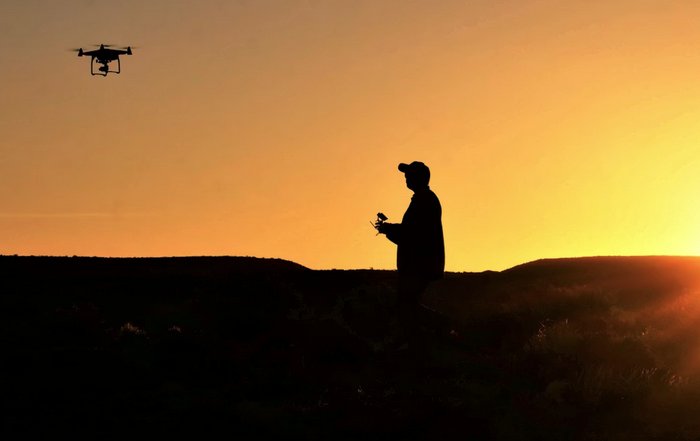
Beyond energy, digital technologies are revolutionizing how societies monitor and protect natural systems. High-resolution satellite imagery, drones, ground-based sensors and AI-based image recognition are enabling more precise tracking of deforestation, desertification, glacier melt, water quality and biodiversity loss in regions ranging from the Amazon basin and Congo rainforest to the Arctic and Southeast Asian coastlines. Agencies such as the European Space Agency and NASA make vast amounts of environmental data publicly available, empowering researchers, NGOs and local communities to identify illegal activities, evaluate conservation efforts and advocate for policy changes.
These technological tools intersect with complex questions of environmental justice, indigenous rights and global equity. Negotiations under the UNFCCC framework and other multilateral forums increasingly focus on financing, technology transfer and inclusive governance mechanisms to ensure that vulnerable populations in Africa, South Asia, Latin America and small island states can adapt to climate impacts and participate in the benefits of green innovation. For Worldsdoor, which approaches sustainability through the intertwined themes of technology, ethics and society, the central narrative is that climate solutions must be judged not only by their technical performance, but also by how fairly their costs and benefits are distributed across regions, generations and communities.
Ethics, Culture and the Human Dimension of Innovation
As technology permeates almost every aspect of life, societies around the world are engaged in ongoing debates about identity, autonomy, fairness and meaning. AI systems that influence hiring, credit, policing and content recommendation; biotechnology that can edit genomes and engineer organisms; pervasive surveillance infrastructures; and immersive media that blur the lines between reality and simulation all raise ethical dilemmas that cannot be resolved by engineers alone. Governments, civil society organizations, academic institutions and companies are therefore investing in frameworks, standards and deliberative processes to guide responsible innovation. In Europe, the combination of the EU's AI Act, the General Data Protection Regulation and sector-specific rules is shaping global norms, while in North America and Asia, regulatory approaches are more fragmented but increasingly influenced by work from research centers such as the Berkman Klein Center at Harvard University and advocacy groups like the Electronic Frontier Foundation.
Cultural responses to technological change vary significantly across regions. In Japan and South Korea, where robotics, gaming and digital media have been deeply integrated into everyday life for decades, there is often a more pragmatic and nuanced view of human-machine coexistence, even as concerns about overwork, isolation and demographic change persist. In parts of Europe and North America, skepticism toward large technology platforms has intensified due to issues such as misinformation, polarization, data breaches and perceived corporate overreach, leading to stronger calls for antitrust action, content moderation standards and public-interest digital infrastructure. In African, Latin American and Southeast Asian contexts, debates frequently center on digital inclusion, local language representation, data sovereignty and the risk of new dependencies on foreign-owned platforms and cloud infrastructure. Worldsdoor's society coverage seeks to capture these diverse perspectives, presenting technology not as a monolithic force but as something that is constantly negotiated and reinterpreted through local histories, values and power structures.
Education systems sit at the heart of these negotiations, as they determine how future generations will understand and shape the technologies that surround them. By 2026, many schools and universities have integrated AI-assisted learning tools, adaptive platforms and remote collaboration technologies into their curricula, but the most successful models tend to combine digital innovation with strong human relationships and critical thinking. Countries such as Finland, Singapore, Canada and the Netherlands are often cited for their experiments with blended learning, project-based education and teacher training that emphasizes digital literacy and ethics. Universities in the United States, United Kingdom, Germany, Australia and other higher-education hubs are rethinking degree structures, micro-credentials and partnerships with industry to prepare students for careers that will evolve over decades. Guidance from organizations like UNESCO and the OECD Education Directorate complements Worldsdoor's reporting on education, where the focus is on how individuals and institutions can cultivate the mindset and skills needed to navigate a world of constant technological flux.
Across these domains, a unifying insight emerges: technology is not an external destiny imposed on passive populations, but a set of tools and systems that reflect human choices, institutional arrangements and cultural priorities. Whether technological breakthroughs enhance wellbeing, expand opportunity and protect the planet depends on how societies govern them, how organizations exercise responsibility and how individuals engage as informed citizens and professionals. In this context, platforms like Worldsdoor, accessible at worldsdoor.com, play a modest but meaningful role by curating analysis, stories and perspectives that help readers connect the dots between developments in health, travel, culture, lifestyle, business, technology, environment, innovation, ethics, society, education and food.
Looking Forward from 2026: Opening Doors to the Next Wave
Standing in 2026, it is evident that the technological breakthroughs of the mid-2020s have already redefined daily life in profound ways, from the way patients in Sweden access digital health services and commuters in Singapore navigate multimodal transport, to how entrepreneurs in Brazil build sustainable ventures and students in South Africa participate in hybrid classrooms. Yet this moment is also a prelude to further transformation, as emerging fields such as quantum computing, advanced materials, neurotechnology and space-based infrastructure progress from research to early commercialization. Publications like the MIT Technology Review and leading universities around the world regularly highlight developments that could reshape finance, logistics, cybersecurity, climate modeling, drug discovery and more, suggesting that the next decade will bring additional layers of complexity and possibility.
For leaders in business, government, education and civil society, as well as for individuals charting their own paths, the challenge is to remain informed, discerning and proactive. It is no longer viable to treat technology as a siloed concern of IT departments or niche experts; instead, strategic decisions in every domain-from corporate governance and urban planning to healthcare policy and cultural production-must be made with a clear understanding of digital dynamics, ethical implications and global interdependencies. Readers who follow Worldsdoor's coverage across technology, lifestyle, society and environment increasingly recognize that their own choices-about data sharing, consumption patterns, learning, travel, investment and civic participation-shape the trajectory of innovation as much as they are shaped by it.
As the decade unfolds, the societies and organizations that thrive are likely to be those that harness technological breakthroughs not only for speed and scale, but also for resilience, inclusion and sustainability. That means building AI systems that are transparent and accountable, designing digital services that are accessible across languages and income levels, developing energy and food systems that respect planetary boundaries, and nurturing educational and cultural institutions that foster critical thinking, empathy and creativity. For Worldsdoor, the mission is to remain a trusted companion in this journey, offering readers around the world a doorway into understanding, reflection and informed action in an era when technology is inseparable from the human story.