

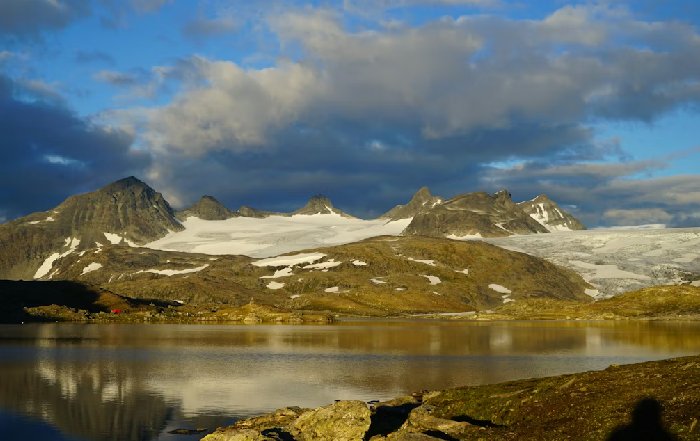
Adventure Travel in the Nordic Wilderness: A Strategic Frontier for Global Explorers
The Nordic Wilderness as an Adventure Frontier
Adventure travel has evolved from a niche interest into a central pillar of the global tourism economy, and nowhere is this transformation more visible than in the vast, untamed landscapes of the Nordic region. From the fjords of Norway and the Arctic tundra of Sweden and Finland to the volcanic highlands of Iceland and the remote archipelagos of Denmark, the Nordic wilderness has become a proving ground for a new generation of travelers seeking physical challenge, cultural depth, and ethical engagement with nature. For WorldsDoor, which curates popular perspectives across travel, culture, environment, and sustainable innovation, the Nordic wilderness is not simply another destination; it is a living laboratory where long-term trends in health, technology, climate, and society converge in ways that demand serious consideration from business leaders, policymakers, and discerning travelers alike.
The Nordic countries-Norway, Sweden, Finland, Denmark, and Iceland-rank consistently at the top of global indices measuring quality of life, environmental performance, and institutional trust, which makes them powerful reference points for understanding how adventure tourism can be aligned with responsible governance and sustainable economic growth. Organizations such as Visit Norway, Visit Sweden, and Visit Finland have worked in concert with public agencies and local communities to build an ecosystem of adventure experiences that emphasizes safety, environmental stewardship, and cultural authenticity. As global travelers increasingly turn to sources like the World Economic Forum and the OECD for insights into sustainable growth and resilient societies, the Nordic adventure model stands out as a case study in how tourism can be both aspirational and accountable.
The Experience Economy Meets Nordic Nature
Adventure travel in the Nordic wilderness sits at the intersection of the experience economy and a renewed global appetite for meaningful, health-enhancing outdoor activity. The shift from consumption of goods to pursuit of experiences has been widely documented by organizations such as McKinsey & Company and Deloitte, and this shift has accelerated in the aftermath of the global health crises of the early 2020s. Travelers from the United States, the United Kingdom, Germany, Canada, Australia, and across Europe and Asia are no longer satisfied with passive sightseeing; they are seeking immersive journeys that test physical limits, deepen cultural understanding, and contribute to personal wellbeing. Those who wish to understand this broader lifestyle shift can explore how it connects to health and holistic living and how it is reshaping expectations of leisure and work.
The Nordic region, with its legally enshrined "right to roam" in countries such as Norway, Sweden, and Finland, offers a powerful embodiment of this new experience economy. Extensive trail networks, protected national parks, and carefully managed wilderness areas allow travelers to move from urban centers like Oslo, Stockholm, Helsinki, Copenhagen, and Reykjavik into remote landscapes within hours. The United Nations World Tourism Organization has highlighted nature-based tourism as one of the fastest-growing segments globally, and the Nordics have capitalized on this by integrating adventure offerings-from glacier hiking and ice climbing to multi-day ski touring and Arctic kayaking-into broader regional development strategies that also support local communities, indigenous cultures, and environmental conservation.
Health, Resilience, and the Nordic Outdoor Ethos
A defining feature of Nordic adventure travel is its intimate connection to health and resilience, both physical and psychological. The cultural concept of friluftsliv in Norway and Sweden, which can be loosely translated as "open-air life," reflects a deeply rooted belief that regular immersion in nature is essential to wellbeing. As global research from institutions such as Harvard T.H. Chan School of Public Health and Mayo Clinic has confirmed the benefits of time spent in green and blue spaces, the Nordic model has gained international attention as an example of how outdoor culture can be integrated into daily life and travel. Those interested in how nature, wellness, and lifestyle intersect in this context can explore lifestyle perspectives on WorldsDoor, where the Nordic example often appears as a benchmark.
Adventure travel in the Nordic wilderness frequently incorporates elements of cold exposure, endurance, and mindful connection to the environment. Winter activities such as cross-country skiing in Finland's Lapland, snowshoeing in Sweden's Sarek National Park, or ice bathing off the coast of Denmark are framed not as extreme feats reserved for elite athletes but as accessible practices that cultivate resilience, mental clarity, and community. The World Health Organization has emphasized the importance of active lifestyles in combating non-communicable diseases, and Nordic adventure operators increasingly position their offerings as part of a broader wellbeing ecosystem that includes nutritious local cuisine, restorative sauna culture, and opportunities for digital detox. This holistic approach resonates strongly with travelers from high-stress urban environments in North America, Europe, and Asia who seek not only adrenaline but also recovery and renewal.
Indigenous Knowledge, Culture, and Ethical Engagement
The Nordic wilderness is not an empty backdrop for adventure; it is home to communities whose histories and livelihoods are tightly interwoven with the land and sea. In northern Norway, Sweden, and Finland, the Sámi people maintain reindeer herding traditions and cultural practices that predate modern nation-states, while in Iceland and coastal Norway, fishing communities have developed sophisticated knowledge of marine ecosystems and weather patterns over centuries. As global awareness of cultural appropriation, indigenous rights, and ethical tourism grows, organizations such as UNESCO and the Arctic Council have underscored the need for tourism development that respects local autonomy and knowledge systems. Those interested in the ethical dimensions of travel can explore how these debates intersect with broader questions of ethics and society in a rapidly changing world.
Adventure travel businesses operating in the Nordic region increasingly partner with indigenous guides, local cooperatives, and community-owned lodges to design experiences that are both authentic and respectful. For example, reindeer sledding or Northern Lights tours led by Sámi guides are framed not merely as entertainment but as opportunities to understand the pressures of climate change, land-use conflicts, and cultural preservation. The International Labour Organization has highlighted the vulnerabilities of indigenous communities in the face of global economic shifts, and this has encouraged a new generation of Nordic adventure operators to adopt codes of conduct that prioritize fair compensation, cultural integrity, and shared decision-making. For WorldsDoor, which views travel as a lens on global culture and society, the Nordic wilderness offers a powerful example of how adventure can be a vehicle for cross-cultural dialogue rather than a one-sided extraction of experiences.
Climate Change, Environmental Stewardship, and Risk
No serious discussion of Nordic adventure travel in 2026 can ignore the accelerating impacts of climate change, which are reshaping the physical and operational realities of the region. The Arctic and sub-Arctic zones of Norway, Sweden, Finland, and Iceland are warming at more than twice the global average, leading to glacial retreat, permafrost thaw, changing snow patterns, and increased weather volatility. Scientific bodies such as the Intergovernmental Panel on Climate Change (IPCC) and the European Environment Agency have documented these trends in detail, highlighting both the risks to ecosystems and the vulnerabilities of industries dependent on stable seasonal conditions. Those who wish to understand these dynamics more deeply can explore broader analyses of environmental change and sustainability, where the Nordic region frequently appears as an early-warning system for global shifts.
Adventure operators in the Nordic wilderness are therefore compelled to adapt quickly. Winter seasons are becoming shorter and less predictable, affecting activities such as dog sledding, ice climbing, and snowmobiling, while increased rainfall and storm intensity can make hiking and mountaineering more hazardous. At the same time, the visibility of climate impacts has spurred a rise in "last-chance tourism," with travelers from Europe, North America, and Asia eager to see glaciers, sea ice, and Arctic wildlife before they disappear or change irreversibly. This creates a complex ethical landscape in which the very act of travel contributes to the emissions driving the changes that travelers wish to witness. Global frameworks such as the Paris Agreement, discussed in depth by the United Nations Framework Convention on Climate Change, have pushed Nordic governments and businesses to align tourism development with ambitious decarbonization goals, prompting investments in electrified transport, low-carbon accommodation, and advanced monitoring of visitor impacts on sensitive habitats.
Technology, Data, and the Future of Nordic Adventure
By 2026, technology has become deeply embedded in the planning, execution, and governance of adventure travel in the Nordic wilderness. Digital mapping, satellite connectivity, and advanced weather forecasting enable safer, more informed expeditions into remote areas, while data analytics allow operators and authorities to monitor visitor flows, environmental impacts, and economic outcomes in real time. The European Space Agency and national meteorological institutes across the Nordic countries provide high-resolution data that guide decisions on route planning, avalanche risk assessment, and emergency response, reducing the likelihood of accidents while enabling more ambitious itineraries. For readers interested in how technology is reshaping travel, mobility, and risk management, WorldsDoor explores these trends in depth on its technology and innovation channels.
At the same time, digital platforms and social media have amplified the visibility of iconic Nordic adventure experiences, from hiking Norway's Trolltunga and Preikestolen to bathing in Iceland's geothermal lagoons or chasing the aurora borealis above the Arctic Circle. While this has generated significant economic benefits, it has also raised concerns about overtourism, environmental degradation, and the erosion of solitude that many travelers seek in wilderness settings. Organizations such as Visit Iceland and Visit Norway have responded with campaigns that encourage responsible behavior, off-season travel, and exploration beyond the most photographed sites, drawing on behavioral insights from institutions like the London School of Economics and Stanford University. This interplay between digital amplification and strategic management underscores a central tension of 21st-century adventure travel: how to harness technology to enhance safety, access, and storytelling without allowing viral popularity to overwhelm fragile environments.
Business Models, Investment, and Sustainable Growth
Adventure travel in the Nordic wilderness is not only a cultural and environmental phenomenon; it is also a sophisticated business ecosystem that links local entrepreneurs, international investors, public agencies, and global brands. The sector encompasses guiding companies, eco-lodges, transportation providers, gear manufacturers, and digital platforms, all of which must navigate complex regulatory frameworks, seasonal demand patterns, and evolving consumer expectations. Reports from organizations such as the World Travel & Tourism Council and PwC have highlighted the resilience of nature-based and adventure tourism in the face of economic shocks, noting that travelers are often willing to prioritize high-quality, meaningful experiences even during periods of uncertainty. For business readers, WorldsDoor offers a broader context on how these dynamics intersect with global business and investment trends, particularly in regions that position themselves as sustainability leaders.
Nordic governments and regional authorities have generally taken a long-term view of tourism development, emphasizing infrastructure that benefits both residents and visitors, such as improved public transport, digital connectivity, and environmental protection. Investment incentives often favor projects that demonstrate low environmental impact, strong community partnerships, and alignment with national climate goals. This has encouraged the growth of small and medium-sized enterprises that specialize in high-value, low-volume adventure experiences rather than mass tourism. At the same time, global outdoor brands and hospitality groups have entered the market through partnerships and acquisitions, recognizing the Nordic wilderness as a premium destination that can enhance their sustainability credentials. Analysts at institutions like INSEAD and IMD Business School have pointed to the Nordics as a model for aligning tourism competitiveness with social trust and environmental performance, offering lessons for other regions in Europe, Asia, Africa, and the Americas that seek to develop their own adventure sectors.
Food, Local Supply Chains, and Regenerative Practices
The evolution of adventure travel in the Nordic wilderness has also transformed local food systems and hospitality culture. Travelers undertaking multi-day hikes, ski expeditions, or kayaking journeys increasingly expect not only caloric sustenance but also culinary experiences that reflect local terroir, seasonality, and sustainability. Nordic cuisine, which gained international prominence through the New Nordic Food movement and restaurants such as Noma in Copenhagen, has emphasized foraging, minimal processing, and close relationships with producers, principles that align naturally with wilderness-based travel. The Food and Agriculture Organization of the United Nations has documented how such approaches can support biodiversity, rural livelihoods, and climate resilience, and these insights are increasingly applied in remote lodges, mountain huts, and coastal guesthouses across Norway, Sweden, Finland, Iceland, and Denmark. Readers seeking to connect these developments to broader food and lifestyle trends can explore food narratives on WorldsDoor, where the Nordic example often appears as a reference point.
In many Nordic adventure destinations, local supply chains are being reconfigured to prioritize regenerative practices. This includes sourcing reindeer, lamb, fish, berries, and mushrooms from producers who adhere to high environmental and animal welfare standards, as well as minimizing food waste through careful menu planning and preservation techniques. Some operators collaborate with universities and research institutes, such as Aalto University in Finland or Lund University in Sweden, to pilot low-impact packaging, renewable energy solutions, and circular waste systems in remote environments. These experiments not only reduce the ecological footprint of adventure travel but also provide scalable models for sustainable hospitality worldwide. For WorldsDoor, which connects readers to evolving ideas about sustainability and environment, the Nordic wilderness demonstrates how adventure, gastronomy, and regenerative design can reinforce one another in practice rather than merely in theory.
Education, Skills, and the Next Generation of Adventurers
The maturation of adventure travel in the Nordic wilderness has significant implications for education and skills development, both within the region and globally. Guiding, outdoor leadership, wilderness medicine, and environmental interpretation have become recognized professional pathways, supported by vocational programs, university courses, and certification schemes. Institutions such as Umeå University in Sweden and the University of Tromsø - The Arctic University of Norway offer specialized training in Arctic outdoor life, nature guiding, and sustainable tourism, while international bodies like the International Mountain Leaders association and Wilderness Medical Society set standards that influence practice worldwide. Those interested in how education systems are adapting to the demands of a more outdoor-oriented, experience-driven economy can explore broader discussions of education and skills that situate Nordic initiatives within global trends.
For young people in the Nordics, exposure to wilderness skills is often integrated into school curricula and community programs, reinforcing a culture in which nature is seen as both a classroom and a shared responsibility. This has important implications for future workforce development, as the next generation of guides, entrepreneurs, researchers, and policymakers emerges with a deep familiarity with the landscapes that underpin the adventure economy. Internationally, demand is growing for training programs that prepare guides and adventure professionals from South Africa, Brazil, New Zealand, Canada, Japan, and other regions to operate in Nordic environments, reflecting the increasingly globalized nature of the sector. In this sense, the Nordic wilderness functions not only as a destination but also as a training ground and reference model for adventure professionals worldwide.
A New Lens for WorldsDoor and Its Global Local and Expat Audience
For WorldsDoor, adventure travel in the Nordic wilderness is more than a compelling narrative of fjords, forests, and Northern Lights; it is a strategic lens through which to examine the interplay of health, technology, business, ethics, and environment in a world undergoing rapid transformation. The platform's global readership-from executives in New York, London, Berlin, and Singapore to policy analysts in Ottawa, Sydney, and Brussels, and innovators in Seoul, Tokyo, and São Paulo-looks to WorldsDoor for perspectives that connect individual experiences to systemic change. In the Nordic wilderness, they find a region where long-term planning, institutional trust, and a deep cultural connection to nature have allowed adventure travel to flourish without sacrificing environmental integrity or social cohesion, even as climate pressures intensify.
As travelers consider their next journeys, and as businesses and policymakers evaluate where to invest attention and resources, the Nordic adventure model offers a set of guiding principles rather than a rigid template. It suggests that meaningful experiences in wild places can be designed to support health, foster cross-cultural understanding, and drive innovation, provided that they are grounded in evidence, guided by ethical frameworks, and aligned with local aspirations. For those who wish to continue exploring how travel intersects with global news developments in world affairs, technology, sustainability, and human wellbeing, WorldsDoor will continue to treat the Nordic wilderness not only as a destination to visit, but as a doorway into understanding how our relationship with the planet is being renegotiated in real time.