

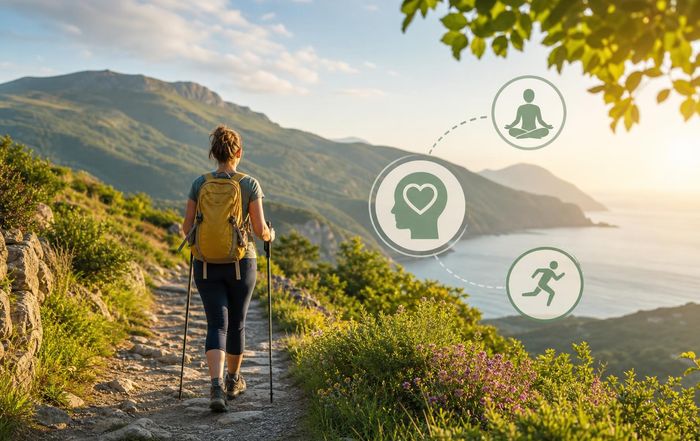
How Walking Holidays Support Physical and Mental Wellbeing
Walking holidays occupy a distinctive space between travel, sport, and retreat. They are slower than most modern vacations, yet often more demanding; they can be highly social or deeply solitary; and they appeal as much to people looking to reset their minds as to those chasing fitness goals. As interest in active and sustainable travel grows across Europe, Asia, and beyond, organised walking trips, long-distance trails, and self-guided routes are seeing renewed attention from health professionals, tour operators, and travellers alike.
This article explores how walking-focused trips support both physical and mental wellbeing, what the science says about time on foot in nature, and how different styles of walking holidays can suit different bodies, ages, and lifestyles. It also considers safety, accessibility, and sustainability, so that travellers can approach these journeys with realistic expectations as well as inspiration.
For people looking at broader wellness-focused travel ideas, our top health and travel pages provide additional context on active and restorative trips around the world.
The science behind walking and health
Decades of research have established walking as one of the most accessible and effective forms of physical activity. The World Health Organization recommends that adults aim for at least 150-300 minutes of moderate-intensity aerobic activity per week, with brisk walking being a core example of such activity. Regular walking has been linked to reduced risk of cardiovascular disease, type 2 diabetes, and certain cancers, as well as healthier body weight and improved mobility into older age. Organisations such as the World Health Organization and the U.S. Centers for Disease Control and Prevention consistently highlight walking as a cornerstone of population-level health strategies because it requires no special equipment, can be adapted to different fitness levels, and integrates relatively easily into daily life.
On a walking holiday, people often exceed these weekly targets without necessarily framing it as "exercise." Multi-day routes, whether in the Scottish Highlands, the Alps, the Camino de Santiago, or Japan's Kumano Kodo, can involve several hours of walking per day at a steady, moderate pace. This combination of duration and repetition is particularly beneficial for cardiovascular endurance and muscular stamina in the legs and core. Research summarised by institutions such as Harvard T.H. Chan School of Public Health and the NHS in the UK suggests that brisk walking can improve blood pressure, lipid profiles, and insulin sensitivity over time, especially when it becomes a sustained habit rather than a one-off effort. A walking holiday can therefore serve as both an intensive block of activity and a behavioural reset that encourages people to keep walking more once they return home.
It is also important to recognise that health benefits are not limited to high-mileage hikers. Shorter daily distances, flatter routes, and urban walking tours can still deliver meaningful gains for people who are relatively inactive, older, or managing chronic conditions. Health bodies such as the National Health Service and Mayo Clinic emphasise that "some is better than none" when it comes to movement, and that even ten-minute bouts of walking accumulated across a day contribute to overall health. Structured walking breaks during a holiday, interspersed with rest and cultural activities, can therefore be tailored to very different physical starting points while still providing measurable benefits.
Mental health, mood, and the power of moving slowly
The mental health impact of walking holidays is often what travellers describe most vividly afterwards: clearer thinking, reduced anxiety, better sleep, and a sense of perspective on problems that felt overwhelming at home. These experiences are not just anecdotal. A growing body of research in psychology and neuroscience supports the idea that walking-especially in natural environments-can improve mood, reduce rumination, and support emotional regulation. Studies highlighted by organisations such as the American Psychological Association and universities including Stanford and University College London have found that walking in green spaces is associated with lower levels of self-reported stress and, in some cases, measurable changes in brain activity linked to rumination and negative thinking.
Walking holidays amplify these effects by combining sustained low-intensity movement with a temporary removal from everyday triggers such as work email, social obligations, and urban noise. Unlike high-adrenaline adventure trips, walking tends to keep heart rate and breathing at a level that supports relaxation rather than fight-or-flight activation. This allows the nervous system to shift towards a more parasympathetic, "rest and digest" state, which is associated with improved digestion, immune function, and sleep quality. Organisations such as the National Institute of Mental Health and Mental Health Foundation note that regular physical activity is linked to lower rates of depression and anxiety, and that time outdoors contributes additional mental health benefits.
There is also a cognitive dimension. Slow, repetitive movement frees mental bandwidth for reflection and creative thinking. Philosophers, writers, and scientists have long described walking as a catalyst for ideas, and contemporary research on "mind-wandering" suggests that gentle, undemanding tasks can foster problem-solving and insight. Over several days on a trail, people often find that they process unresolved issues or re-evaluate priorities in ways that are difficult to access in more pressured environments. This reflective quality aligns walking holidays with forms of secular retreat, even when they are not explicitly marketed as wellness or mindfulness trips.
Nature, culture, and the "dose" of environment
The health impact of a walking holiday is shaped not just by distance and pace, but also by environment. There is emerging evidence that "green" and "blue" spaces-forests, mountains, coastlines, rivers-may offer distinct psychological benefits compared with built-up areas. Research summarised by bodies such as Natural England, the European Environment Agency, and the US National Park Service points to associations between access to nature and lower stress, improved self-reported wellbeing, and increased physical activity. Japan's practice of shinrin-yoku or "forest bathing," supported by studies shared through institutions such as Chiba University, has popularised the idea that immersive time in wooded landscapes can lower blood pressure and stress hormones, though not all findings have been replicated across contexts.
Walking holidays frequently maximise exposure to these environments, whether through coastal paths in Portugal, fjord-side routes in Norway, or national parks in the United States and South Africa. The combination of varied terrain, changing vistas, and natural soundscapes can anchor attention in the present moment and counter the attentional fatigue associated with digital overload. This aligns with "attention restoration theory," which proposes that natural settings help replenish the cognitive resources required for focused work and complex decision-making. Travellers who spend much of the year in dense urban centres may find this particularly restorative.
At the same time, not all walking holidays take place in remote wilderness. Urban walking trips-exploring neighbourhoods in cities such as London, Berlin, Singapore, or Tokyo-can also support wellbeing, albeit through slightly different mechanisms. Instead of expansive landscapes, the stimulus comes from architecture, street life, and cultural encounters. These experiences can foster curiosity, social connection, and a sense of belonging to a wider world, all of which are linked to psychological resilience. Readers interested in how travel intersects with local communities and traditions can find related coverage in our culture and society sections.
Social connection, solitude, and emotional balance
Walking holidays are unusually flexible when it comes to social structure. Some travellers join guided group treks, others walk with a partner or family, and many choose solo routes with occasional encounters along the way. Each of these formats can support wellbeing in different ways, and the choice often depends on what someone feels they are missing in everyday life.
For people experiencing loneliness or social isolation, group walking tours can provide a low-pressure way to connect with others. The shared task of following a trail, navigating weather, or reaching a mountain pass creates a natural basis for conversation without requiring constant eye contact or small talk. This side-by-side interaction can feel less intense than face-to-face settings, which may help those who are shy or anxious in social situations. Research highlighted by organisations such as the World Health Organization and U.S. Surgeon General's office has underscored the health risks of chronic loneliness, and community-based walking programmes have been proposed as part of the response. A walking holiday can be seen as an immersive version of this idea, blending companionship, shared accomplishment, and mutual support.
Conversely, for those who feel overstimulated by work and social obligations, solo walking holidays can offer valuable solitude. Extended time alone in safe, well-marked environments allows people to reconnect with their own rhythms and preferences, making decisions about pace, rest, and route without negotiation. This can be particularly meaningful for caregivers, parents of young children, or professionals in high-demand roles, who may have little uninterrupted time to themselves. However, solo walking also requires careful planning and risk assessment, especially in remote or mountainous areas. National park services and alpine clubs in countries such as Switzerland, New Zealand, and Canada emphasise the importance of route research, weather awareness, and emergency preparedness; their official websites, including swissinfo's parent broadcaster SRG SSR or New Zealand's Department of Conservation (note: homepage structure may vary), are useful starting points for safety guidance even if the final walking route lies elsewhere.
Many travellers blend both modes, joining group sections of famous routes such as the Camino de Santiago and then walking certain days alone. This alternation between connection and solitude can itself be therapeutic, mirroring a healthy emotional rhythm of engagement and withdrawal rather than constant availability.
Physical benefits beyond cardio: strength, joints, and balance
While the cardiovascular benefits of walking are widely recognised, walking holidays can also support musculoskeletal health in ways that are easy to underestimate. Multi-day treks on varied terrain involve repeated use of stabilising muscles in the hips, ankles, and core, which are crucial for balance and fall prevention, especially as people age. Public health bodies such as the U.S. National Institute on Aging and Public Health England's successor, the UK Health Security Agency have emphasised the importance of balance and strength training in older adults, and while walking is not a substitute for targeted resistance work, uneven paths and gentle inclines can contribute to functional strength.
Joint health is more nuanced. For most people without acute injuries, moderate walking is considered joint-friendly and may even help reduce osteoarthritis symptoms by supporting weight management and maintaining range of motion. Guidance from organisations like the Arthritis Foundation suggests that low-impact activities such as walking can be beneficial when introduced gradually and combined with appropriate footwear and rest. However, long daily distances with heavy backpacks, steep descents, or hard surfaces can aggravate existing joint issues, particularly in the knees and lower back. On a walking holiday, the cumulative load over several days matters more than any single step, so realistic planning, pack-light strategies, and possibly luggage transfer services can make the difference between a strengthening experience and an overuse injury.
Walking holidays can also improve posture and breathing patterns. Sustained upright movement encourages more diaphragmatic breathing than prolonged sitting, which may help reduce shallow, stress-related breathing habits. Some guided walking retreats explicitly incorporate breathing exercises or gentle stretching at rest stops, drawing on practices from yoga, Pilates, or mindfulness-based stress reduction. Readers interested in how physical activity, posture, and long-term health intersect can explore broader coverage in our lifestyle and health sections.
Psychological reset: routine, identity, and digital boundaries
Beyond immediate mood improvements, walking holidays often function as psychological "reset points" in people's lives. The structure of a multi-day walk-wake, eat, pack, walk, rest, repeat-creates a simple, predictable routine that contrasts sharply with the fragmented multitasking of modern work. This simplification can reduce decision fatigue and create a sense of competence as basic tasks are completed each day. Behavioural scientists and clinicians, including those associated with institutions like Cognitive Behavioral Therapy clinics and mindfulness-based programmes featured by organisations such as Mind, note that predictable routines and achievable goals can support recovery from stress and burnout.
Walking holidays also allow people to temporarily step outside their usual roles-manager, parent, carer, freelancer-and inhabit a more elemental identity: a person moving through a landscape. This shift can be quietly radical. For some, it becomes a testing ground for new habits such as reduced alcohol consumption, more regular sleep, or time-limited phone use. The physical separation from home, combined with patchy connectivity in rural areas, can make it easier to experiment with digital boundaries. While there is ongoing debate about the precise impact of screen time on mental health, many studies summarised by bodies such as the Royal College of Psychiatrists and American Academy of Pediatrics suggest that intentional disconnection periods can support sleep, attention, and mood.
At the same time, it is important not to romanticise walking holidays as cures for serious mental health conditions. For individuals experiencing severe depression, trauma-related symptoms, or acute crises, professional treatment remains essential, and travel may not be appropriate without clinical guidance. Mental health charities and organisations consistently stress that lifestyle changes should complement, not replace, evidence-based therapy or medication when these are indicated. A walking holiday can be a powerful adjunct, but it is not a standalone intervention.
Accessibility, inclusivity, and realistic expectations
The image of a walking holiday often centres on fit hikers carrying backpacks through remote mountains, but in reality, the spectrum is far broader. Shorter, flatter routes, accessible paths, and urban walking itineraries can open this type of travel to people with varying fitness levels, ages, and mobility needs. National and regional parks in countries such as Canada, Germany, and Australia increasingly provide graded trail information, accessible viewpoints, and all-abilities paths, which can form the backbone of inclusive walking-based trips. Organisations including Parks Canada, National Park Service, and AllTrails' parent company (used here for general trail awareness, despite being an app-based service) offer high-level overviews and maps that help travellers match routes to their capacities.
However, accessibility is not only physical. Economic and social factors also shape who can take time for such holidays. Multi-day guided treks can be expensive, and even self-guided trips require transport, accommodation, and equipment. There is growing interest among community groups and non-profits in creating more affordable, local walking retreats or pilgrim-style routes that can be completed over weekends or short breaks. This trend intersects with broader debates about equitable access to green space, which organisations such as the World Resources Institute and UN-Habitat explore in the context of urban planning and climate resilience.
Setting realistic expectations is crucial for wellbeing outcomes. Overambitious itineraries that push daily distances beyond one's training, or that underestimate heat, altitude, or terrain, can lead to exhaustion, injury, or demoralisation. Travel medicine specialists and sports physicians, including those associated with Cleveland Clinic and Sports Medicine Australia, generally advise building up walking volume gradually before a demanding trip, paying attention to any pain that persists, and consulting a healthcare professional if there are underlying conditions such as heart disease, diabetes, or severe asthma. Proper footwear, sun protection, hydration, and awareness of local hazards-whether ticks in European forests or heatwaves in parts of North America and southern Europe-are part of a responsible approach.
Sustainability, slow travel, and ethical choices
Walking holidays are often seen as inherently sustainable, and in many respects they have a lower environmental footprint than cruise trips or frequent short-haul flights. Travelling on foot reduces local transport emissions, and slow itineraries typically encourage travellers to spend more time and money in smaller communities rather than concentrating everything in major hubs. This can support local economies and align with principles of responsible tourism promoted by organisations such as the Global Sustainable Tourism Council and the UN World Tourism Organization at unwto.org.
However, sustainability is not automatic. Long-distance flights to reach remote trails, overuse of fragile environments, and inadequate waste management can all undermine the ecological benefits of walking-based travel. Popular routes like Spain's Camino or certain alpine valleys in Switzerland and Austria have had to manage seasonal overcrowding, trail erosion, and pressure on local infrastructure. Environmental agencies and NGOs, including WWF and IUCN, highlight the importance of visitor management, trail maintenance, and community consultation in protecting biodiversity and cultural heritage.
Travellers can make more ethical choices by considering lower-carbon transport options where feasible, visiting outside peak months, respecting local customs and land-use rules, and supporting locally owned accommodation and food providers. For those particularly interested in the intersection of travel, climate, and conservation, our environment and sustainable sections regularly examine how tourism can adapt to a warming world. Walking holidays, with their inherently slower pace and potential for deeper engagement, are well-positioned to be part of that shift if designed thoughtfully.
Integrating walking holidays into a broader wellbeing journey
A single trip, however transformative it feels, rarely changes health on its own. The most enduring impact of a walking holiday often lies in how it reshapes everyday habits and attitudes once people return home. Many travellers report that after experiencing the satisfaction of covering distance on foot, they begin to walk more in their own cities-choosing stairs over lifts, walking or cycling short journeys, or planning weekend hikes with friends. Public health campaigns in countries such as the UK, Germany, and Singapore have tried to harness this momentum by promoting local trails, step challenges, and community walking groups as accessible forms of ongoing activity.
To translate holiday gains into lasting wellbeing, it can help to reflect on what aspects of the experience were most nourishing. For some, it is the physical exertion and sense of achievement; for others, the social connection, time in nature, or temporary break from digital life. Identifying these elements makes it easier to recreate them at a smaller scale-perhaps through regular park walks before work, monthly day hikes, or occasional phone-free weekends. Readers interested in building longer-term habits around movement, rest, and reflection can find related discussions in our innovation and education sections, which often explore how technology, learning, and behaviour change intersect with health.
In the end, walking holidays are less about conquering distances and more about changing relationships: to one's body, to landscapes, and to time itself. By aligning travel with the simple act of putting one foot in front of the other, they offer a rare combination of physical training, mental restoration, cultural discovery, and environmental awareness. For those seeking a way to travel that supports both health and a more attentive way of living, they remain one of the most quietly powerful options available.