

Nutrition, Technology, and the New Geography of Food Security
Food security in 2026 is no longer defined simply by the presence of food on the table; it is defined by whether that food truly nourishes people and societies over the long term. The evolution from calorie sufficiency to nutrition security marks one of the most profound shifts in global development thinking, and it is a shift that sits at the heart of the editorial mission of World's Door. As audiences across North America, Europe, Asia, Africa, and South America navigate an increasingly complex food landscape, nutrition has emerged as a central lens through which to understand health, economics, technology, environment, and culture. Organizations such as the Food and Agriculture Organization (FAO) and the World Health Organization (WHO) have consistently emphasized that food security must encompass availability, access, utilization, and stability, but in 2026, the quality dimension-whether diets provide adequate macro- and micronutrients-has become the definitive measure of progress.
Nutrition as the Engine of Human and Economic Development
Nutrition underpins human potential from before birth through old age, shaping cognitive development, educational attainment, productivity, and resilience to disease. In countries as diverse as the United States, Brazil, Germany, India, and South Africa, longitudinal research has shown that children who receive adequate nutrition in the first 1,000 days-from conception to age two-perform better in school, earn higher incomes, and contribute more effectively to national productivity. Institutions such as the Harvard T.H. Chan School of Public Health and initiatives like the EAT-Lancet Commission on Food, Planet, Health have demonstrated that investments in nutrition can generate returns many times greater than their initial cost, through lower healthcare expenditure, higher labor productivity, and reduced social welfare burdens.
Governments in Norway, Thailand, and Brazil have provided compelling examples of integrated nutrition strategies that connect agricultural policy, public health, and social protection. By aligning school feeding programs with local smallholder production, regulating food marketing to children, and subsidizing nutrient-dense foods, these countries have shown that nutrition is not a peripheral social service but a core economic strategy. For readers interested in how nutrition weaves through public health and human capital, the World's Door Health section provides ongoing analysis of these intersecting trends.
In this context, nutrition security is best understood as the consistent access to safe, diverse, affordable foods that meet physiological needs throughout the life course. It requires not only sufficient calories but the right balance of proteins, fats, carbohydrates, vitamins, and minerals, delivered through food systems that are culturally appropriate, environmentally sustainable, and economically inclusive. This holistic perspective is increasingly shaping development agendas, trade negotiations, and domestic policy reforms worldwide.
Uneven Access and Emerging Global Nutrition Challenges
Despite advances in science and policy, access to nutritious food remains profoundly unequal. Regions in sub-Saharan Africa and parts of South Asia still face high levels of undernutrition and stunting, while countries across North America, Western Europe, the Middle East, and East Asia struggle with rising obesity and diet-related non-communicable diseases. These dual burdens often coexist within the same country, city, or even household, reflecting a global food system that is misaligned with human health. The United Nations estimates that hundreds of millions still experience chronic hunger, while billions more suffer from "hidden hunger"-deficiencies in iron, zinc, vitamin A, and other critical micronutrients that impair immunity, cognitive function, and productivity without always manifesting as visible underweight.
Climate change has further intensified this divide. The Intergovernmental Panel on Climate Change (IPCC) continues to warn that rising temperatures, water scarcity, and extreme weather events are undermining yields and destabilizing rural livelihoods, particularly in climate-vulnerable regions such as the Sahel, the Horn of Africa, South Asia, and parts of Latin America. Heat stress, shifting rainfall patterns, and soil degradation are reducing the reliability of staple crops, amplifying price volatility, and pushing vulnerable households to cheaper, less nutritious foods. Readers seeking deeper insights into how climate disruption interacts with food systems can explore the World's Door Environment section, where these linkages are examined across continents.
At the same time, rapid urbanization and changing lifestyles in countries like China, Mexico, South Korea, and the United Kingdom have accelerated a shift toward ultra-processed foods that are high in salt, sugar, and unhealthy fats but low in fiber and micronutrients. As global supply chains and aggressive marketing strategies spread standardized diets across continents, traditional food cultures rich in legumes, vegetables, whole grains, and fermented foods are being displaced. This nutrition transition has contributed to alarming increases in obesity, type 2 diabetes, cardiovascular disease, and certain cancers, placing immense pressure on healthcare systems from Canada to Australia and from Italy to Malaysia.
The Economics of Nutrition and the Global Food Industry
The modern food economy, estimated at more than ten trillion dollars annually, is a powerful engine of employment, innovation, and trade, yet it often prioritizes volume, convenience, and shelf life over nutritional value. Multinational corporations and large retailers exert significant influence over what is grown, processed, and consumed, shaping dietary patterns in North America, Europe, Asia, and beyond. Nevertheless, the past decade has seen a notable shift in corporate strategy, driven by changing consumer expectations, regulatory pressure, and investor interest in environmental, social, and governance (ESG) performance.
Companies such as Nestlé, Unilever, and Danone have expanded efforts to reformulate products, reduce added sugars and trans fats, and introduce fortified lines targeted at low-income consumers. Some are investing in plant-based proteins, functional foods, and microbiome-friendly products, aligning with emerging evidence from institutions like the National Institutes of Health (NIH) and World Obesity Federation on the role of diet in preventing chronic disease. At the same time, local enterprises in Kenya, Bangladesh, and Peru are leveraging mobile technology and low-cost processing innovations to deliver fortified flours, complementary foods for infants, and affordable snacks made from indigenous crops. For readers tracking how these corporate and entrepreneurial shifts affect markets and consumers, the World's Door Business section offers a business-focused lens on nutrition-driven transformation.
Financial institutions are increasingly recognizing nutrition as a strategic investment area. The World Bank, regional development banks, and private impact investors are channeling capital into nutrition-sensitive agriculture, cold-chain infrastructure, and digital tools that improve supply chain transparency. Initiatives supported by the International Monetary Fund (IMF) and public-private platforms such as the Global Alliance for Improved Nutrition (GAIN) are promoting nutrient-rich crops-millet, sorghum, moringa, pulses-as climate-resilient alternatives to narrow monocultures. As sustainable finance frameworks mature, nutrition outcomes are being embedded into environmental and social risk assessments, reflecting a broader understanding that well-nourished populations are a precondition for stable, inclusive growth.
Innovation and Technology as Drivers of Nutrition Security
Technological innovation has become a central force reshaping how food is produced, distributed, and consumed. In 2026, the convergence of artificial intelligence, biotechnology, data analytics, and digital platforms is enabling new approaches to long-standing nutrition challenges, from low farm productivity to food waste and dietary misinformation. Readers interested in the technological dimension of these shifts will find ongoing coverage in the World's Door Technology section, where emerging tools are examined through the lens of ethics, equity, and sustainability.
Precision agriculture illustrates how data-driven practices can enhance both yield and nutritional quality. Companies such as John Deere, Ceres Imaging, and IBM have developed sensor-based systems, satellite imagery, and AI-driven decision platforms that allow farmers in the United States, France, Spain, and Australia to optimize fertilizer use, irrigation, and pest management at field level. These tools not only improve resource efficiency and reduce environmental impact but also help maintain nutrient density in crops by monitoring soil health and plant stress in real time. In land-scarce countries such as Singapore and the Netherlands, vertical farms, hydroponic systems, and controlled-environment agriculture are producing leafy greens, herbs, and berries with high micronutrient content, often within a few kilometers of consumers.
Biotechnology and nutritional genomics are advancing in parallel. Gene editing technologies such as CRISPR-Cas9 are being used by research institutions and organizations like the International Food Policy Research Institute (IFPRI) to develop biofortified varieties of rice, maize, cassava, and beans enriched with vitamin A, iron, and zinc. Projects supported by the Bill & Melinda Gates Foundation and national agricultural research centers in Nigeria, Bangladesh, and Rwanda are scaling these crops through farmer networks, while monitoring acceptance and cultural fit. At the same time, personalized nutrition platforms such as Zoe, Viome, and Nutrigenomix are translating advances in genomics and microbiome science into individualized dietary recommendations, particularly in markets like the United Kingdom, Germany, and Japan, where consumers have high access to digital health services.
Digital platforms are also transforming food distribution and waste reduction. The World Food Programme (WFP) and humanitarian partners now use AI-based early warning systems to anticipate food crises, integrating satellite data, market prices, and conflict indicators to guide pre-emptive interventions. Private platforms like Too Good To Go and OLIO connect supermarkets, restaurants, and households with surplus food to consumers at lower prices, reducing waste in cities from London to New York and Amsterdam. Drone-based logistics networks operated by companies such as Zipline deliver medical supplies and fortified foods to remote communities in Rwanda, Ghana, and Kenya, bypassing poor road infrastructure. These examples illustrate how innovation can bridge the gap between abundance and need, a theme explored regularly in the World's Door Innovation section.
Education, Culture, and the Social Meaning of Food
Technology alone cannot secure better nutrition; it must be complemented by education, cultural understanding, and social norms that support healthy choices. Food habits are deeply embedded in identity, religion, and history, and any sustainable shift in diets must respect these dimensions. The World's Door Culture section frequently examines how culinary traditions and modern lifestyles intersect in cities from Paris to Bangkok.
Nutrition education has become a core component of public health strategies in many high- and middle-income countries. Japan's long-standing "Shokuiku" policy, which promotes food literacy from early childhood through adulthood, has contributed to relatively low obesity rates and strong cultural attachment to balanced meals built around rice, fish, vegetables, and fermented foods. Finland continues to refine its national dietary guidelines based on scientific evidence from institutions such as the Nordic Council of Ministers and European Food Safety Authority, integrating sustainability considerations alongside health. School-based programs in Italy, Spain, and Canada teach children practical cooking skills, the origins of their food, and the environmental impacts of different dietary patterns, embedding nutrition awareness into everyday life.
Cultural heritage remains a powerful ally in the pursuit of better diets. The Mediterranean diet, recognized by UNESCO as an intangible cultural heritage of humanity, demonstrates how traditional patterns centered on olive oil, legumes, fruits, vegetables, and fish can support cardiovascular health and longevity. In East Asia, cuisines in Japan, South Korea, and parts of China emphasize fermented foods, seaweed, and diverse vegetables, contributing to favorable health outcomes historically. Indigenous food systems in Mexico, Peru, and Bolivia rely on nutrient-dense crops like quinoa, amaranth, and beans that are both climate-resilient and rich in protein and micronutrients. Organizations such as Slow Food International promote the protection of traditional crops, recipes, and farming practices as a pathway to both cultural and nutritional resilience.
Media and marketing, meanwhile, exert a powerful influence on dietary behavior. Governments in the United Kingdom, Chile, and Singapore have introduced front-of-pack labeling, sugar taxes, and restrictions on advertising junk food to children, drawing on evidence from institutions like Public Health England and Pan American Health Organization. Social media campaigns, often led by health professionals, chefs, and community leaders, are using platforms such as YouTube and TikTok to promote plant-forward cooking, reduce food waste, and highlight the social and environmental consequences of dietary choices. For readers exploring how lifestyle, media, and personal behavior intersect with nutrition, the World's Door Lifestyle section provides a curated view across regions and age groups.
Governance, Ethics, and the Politics of Food
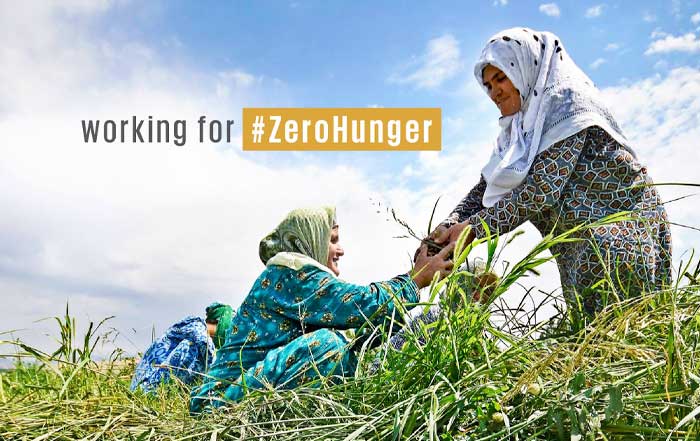
The governance of food systems in 2026 is increasingly recognized as a question of ethics and rights, not merely logistics and trade. The right to adequate food, enshrined in international human rights instruments, implies not just freedom from hunger but access to safe, nutritious, and culturally appropriate diets. The Sustainable Development Goals (SDGs), particularly Goal 2: Zero Hunger, have anchored this vision in global policy, but implementation remains uneven.
International institutions such as the United Nations, FAO, WHO, and World Trade Organization (WTO) coordinate guidelines, standards, and capacity-building initiatives aimed at aligning agriculture, trade, and health policies with nutrition objectives. The UN Food Systems Summit and subsequent regional dialogues have encouraged countries from France to Kenya, Indonesia, and Canada to develop national food system pathways that integrate climate action, nutrition targets, and social inclusion. In the European Union, the Farm to Fork Strategy seeks to create a fair, healthy, and environmentally friendly food system, while countries like India are implementing large-scale programs such as the Poshan Abhiyaan to reduce malnutrition among women and children through digital monitoring, fortified foods, and community engagement.
Corporate responsibility has become an equally important dimension of governance. Food and beverage companies are being scrutinized for their marketing practices, product portfolios, and labor conditions. Ethical frameworks promoted by initiatives such as the UN Global Compact and certification schemes including Fairtrade International and Rainforest Alliance aim to ensure that smallholder farmers in Africa, Asia, and Latin America receive fair compensation and that production methods do not degrade ecosystems. Investors and consumers are increasingly demanding transparency on issues such as sugar content, palm oil sourcing, and deforestation risk. These ethical debates are a core focus of the World's Door Ethics section, which explores how values and accountability shape the future of food.
Yet governance gaps persist, particularly in low-income and fragile states where overlapping mandates, weak regulatory capacity, and political instability hinder coherent nutrition strategies. Agricultural subsidies often favor high-yield, calorie-dense staples over fruits, vegetables, pulses, and nuts, distorting markets and limiting dietary diversity. Global trade rules can expose countries to external shocks when they become overly dependent on imported cereals or processed foods. The disruptions triggered by the COVID-19 pandemic and subsequent geopolitical tensions revealed the fragility of long supply chains and the vulnerability of urban populations in Africa, South Asia, and parts of Europe to price spikes and shortages.
In response, a growing movement advocates for "nutrition sovereignty"-the ability of countries and communities to shape their own food systems in ways that prioritize health, culture, and ecological integrity. This concept goes beyond self-sufficiency to emphasize democratic participation, local knowledge, and equity, themes regularly examined in the World's Door World section as new governance models emerge across continents.
Climate Change, Sustainability, and the Nutritional Quality of Food
Climate change is not only a threat to yields; it is increasingly recognized as a threat to the nutritional quality of food itself. Experimental studies coordinated by organizations such as CGIAR and the International Food Policy Research Institute have shown that elevated atmospheric COâ levels can reduce the concentrations of protein, iron, and zinc in key staples like wheat and rice. For populations in South Asia and sub-Saharan Africa that rely heavily on these crops, such declines could exacerbate hidden hunger even if total production remains stable.
Climate-smart agriculture has therefore become a central strategy for simultaneously addressing food security, nutrition, and emissions. Practices such as diversified cropping, agroforestry, conservation tillage, and integrated livestock management improve soil health, enhance biodiversity, and increase resilience to drought and floods. Companies like General Mills and Patagonia Provisions have invested in regenerative supply chains, working with farmers in the United States, Canada, and Europe to restore degraded lands while producing nutrient-rich grains and legumes. Urban agriculture initiatives in cities such as Copenhagen, Amsterdam, and Melbourne demonstrate how rooftop gardens, community allotments, and peri-urban farms can shorten supply chains and provide fresh produce to urban residents.
The oceans are also central to future nutrition strategies. Fish and aquatic plants provide essential omega-3 fatty acids, iodine, and high-quality protein, yet overfishing, ocean warming, and acidification threaten marine ecosystems. The Blue Economy framework, advanced by institutions like The World Bank and the United Nations Environment Programme (UNEP), promotes sustainable aquaculture, seaweed cultivation, and ecosystem-based fisheries management as ways to harness marine resources without depleting them. Countries such as Norway, Japan, and New Zealand are investing in low-impact aquaculture and algae-based protein production, offering scalable, nutrient-dense options that place less pressure on land and freshwater resources.
For readers who wish to explore how sustainability, climate action, and nutrition intersect, the World's Door Sustainable section offers in-depth coverage of regenerative agriculture, circular food economies, and low-carbon diets across regions.
Food, Health Systems, and "Food as Medicine"
A notable development by 2026 is the growing integration of food and health systems. Health ministries, insurers, and healthcare providers are increasingly treating diet as a primary lever for preventing non-communicable diseases, rather than relying solely on pharmaceutical interventions once illnesses have developed. The concept of "food as medicine" has moved from the margins to the mainstream in countries such as the United States, France, and Singapore, where pilot programs link medical prescriptions to fresh produce and healthy meal kits.
Hospitals and clinics in cities from Boston to Sydney are partnering with local farms, food banks, and retailers to create "produce prescription" schemes and medically tailored meals for patients with diabetes, hypertension, and cardiovascular disease. These initiatives draw on evidence from bodies such as the World Health Organization and Centers for Disease Control and Prevention (CDC) showing that dietary change can significantly reduce the incidence and severity of chronic conditions. Insurance providers and employers, particularly in Canada, Germany, and the Netherlands, are beginning to include nutrition counseling and healthy food incentives in wellness programs, viewing them as cost-effective investments in workforce health.
This convergence of health and food policy is a recurring theme in the World's Door Health section, where case studies from different health systems illustrate how integrated strategies can enhance both clinical outcomes and social equity. As populations age in Japan, Italy, and Spain, and as lifestyle-related diseases rise in rapidly urbanizing countries like Nigeria and Indonesia, the alignment of food environments with health goals will be central to controlling healthcare costs and preserving quality of life.
Education, Youth, and the Future of Food Literacy
Long-term transformation of food systems depends on how younger generations understand and value food. Around the world, schools, universities, and online platforms are playing a key role in building food literacy-knowledge of where food comes from, how it is produced, how it affects health, and how it shapes the environment and society. In Brazil and Kenya, school feeding programs that prioritize local, seasonal produce not only improve children's nutrition but also support smallholder farmers and familiarize students with traditional crops. In Finland, South Korea, and New Zealand, curricula integrate gardening, cooking, and sustainability projects, encouraging students to see food as part of broader ecological and social systems.
Higher education institutions in the Netherlands, Singapore, and South Africa are expanding interdisciplinary programs in food systems, combining elements of agronomy, economics, data science, and public policy. Massive open online courses offered by platforms such as Coursera and edX, often in partnership with universities and the FAO eLearning Academy, are making specialized knowledge in nutrition, sustainable agriculture, and food policy accessible to learners worldwide. This democratization of expertise is particularly important for entrepreneurs, civil servants, and community leaders in emerging economies who are shaping local food innovations.
The World's Door Education section regularly highlights these global efforts, emphasizing how education at every level-from primary schools in Thailand to universities in Germany-is redefining the skills and values needed to steward food systems in an era of climate change and digital transformation.
Equity, Inclusion, and the Social Contract Around Food
Ultimately, the legitimacy of any food system rests on whether it delivers equitable outcomes. Marginalized communities in both wealthy and low-income countries-indigenous peoples, informal workers, migrants, and residents of urban food deserts-often face the highest barriers to nutritious diets. Structural factors such as income inequality, discriminatory land tenure systems, and inadequate urban planning limit their access to healthy food options, even when national averages appear to improve.
Humanitarian and development organizations including World Central Kitchen, CARE International, and Action Against Hunger are increasingly designing programs that combine immediate food relief with long-term nutrition resilience. In conflict-affected regions of Yemen, the Sahel, and northern Mozambique, integrated approaches link emergency rations with support for local markets, women-led microenterprises, and climate-resilient agriculture. Gender equity is central to these strategies; according to the FAO, closing the gender gap in access to land, credit, and training could significantly increase agricultural output and improve household nutrition in many parts of Africa and Asia.
These social, ethical, and political dimensions of nutrition are explored in depth in the World's Door Society section, which examines how questions of justice, identity, and power shape who eats well and who goes without. As debates over food subsidies, land rights, and corporate accountability intensify from Washington to Brussels, Nairobi, and Brasãlia, the social contract around food-what citizens expect from states and markets-is being renegotiated.
Looking Ahead: Nourishment as a Measure of Global Progress
By 2026, it has become evident that nutrition is a foundational metric of global progress, as important as GDP growth, technological adoption, or geopolitical influence. Well-nourished populations are more resilient to shocks, more capable of innovation, and better equipped to participate in democratic life. Conversely, malnutrition in any form-whether stunting in rural Ethiopia, obesity in urban United States, or micronutrient deficiency in peri-urban India-signals systemic failures that ripple through economies, health systems, and ecosystems.
The coming decade will be defined by whether governments, businesses, and communities can align their strategies around three interdependent goals: nutritional adequacy for all, environmental sustainability, and social equity. Artificial intelligence and biotechnology will continue to transform how food is produced and tailored; climate policy will shape what can be grown where; and cultural movements will influence what people aspire to eat. Throughout these changes, the editorial perspective at World's Door will remain focused on Experience, Expertise, Authoritativeness, and Trustworthiness, providing readers from the United States to Germany, China, Nigeria, and Brazil with rigorous, contextualized insights into how food connects health, technology, business, and society.
For those seeking to follow these evolving narratives-whether from the vantage point of health, travel, culture, lifestyle, business, world affairs, technology, environment, innovation, sustainability, ethics, society, education, or food-the broader ecosystem of World's Door offers a curated gateway into the interconnected future of nourishment and global well-being.